
 Save to Pinterest
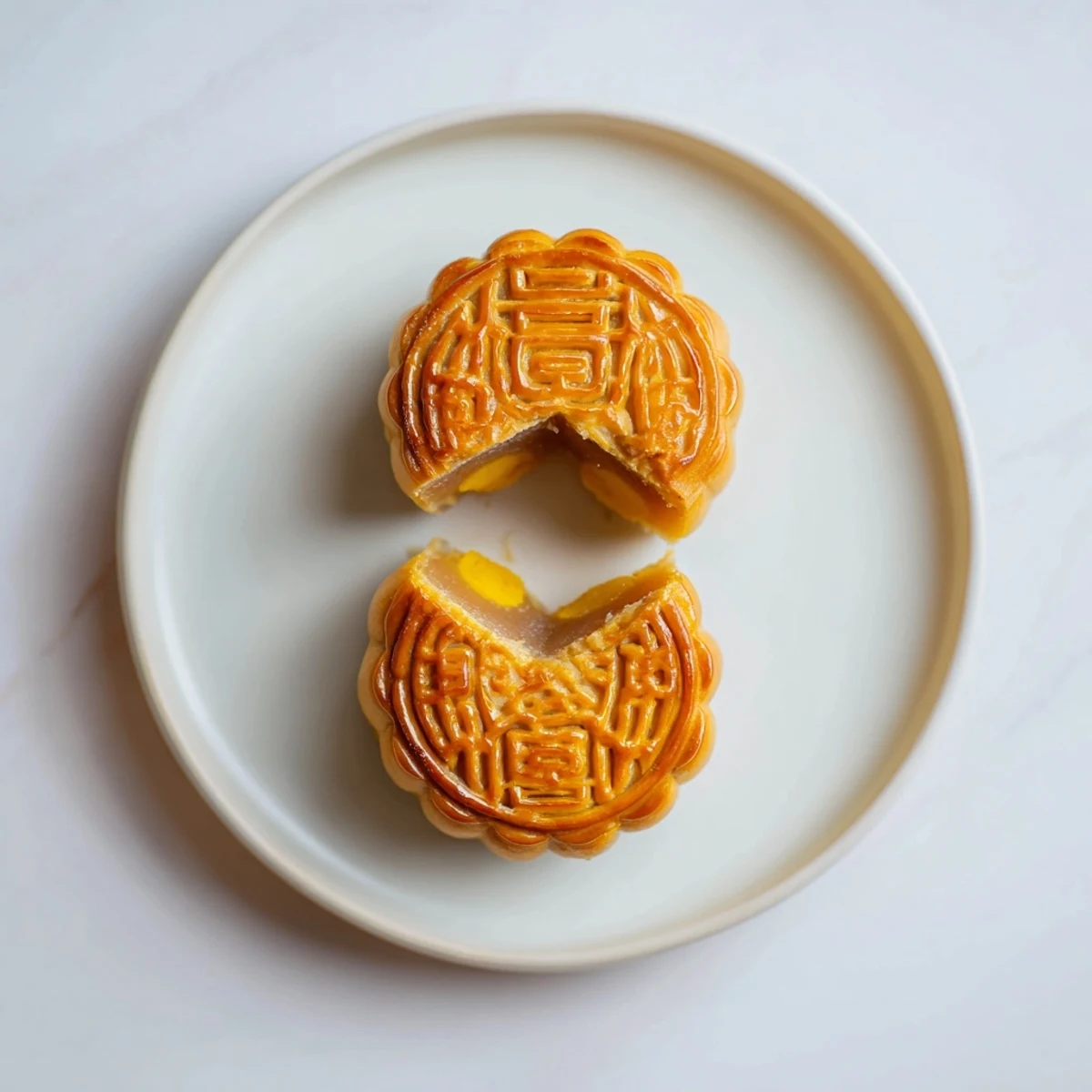
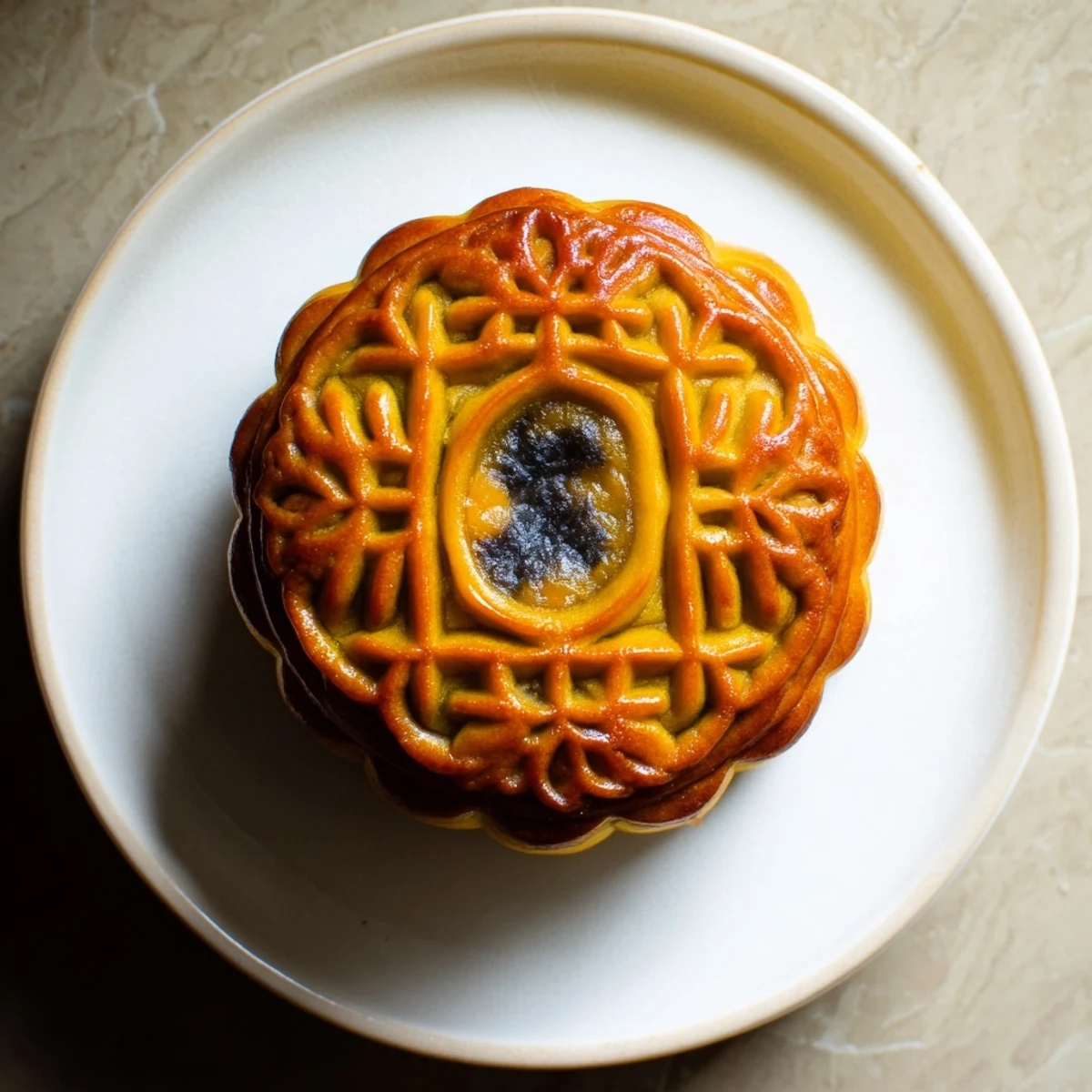
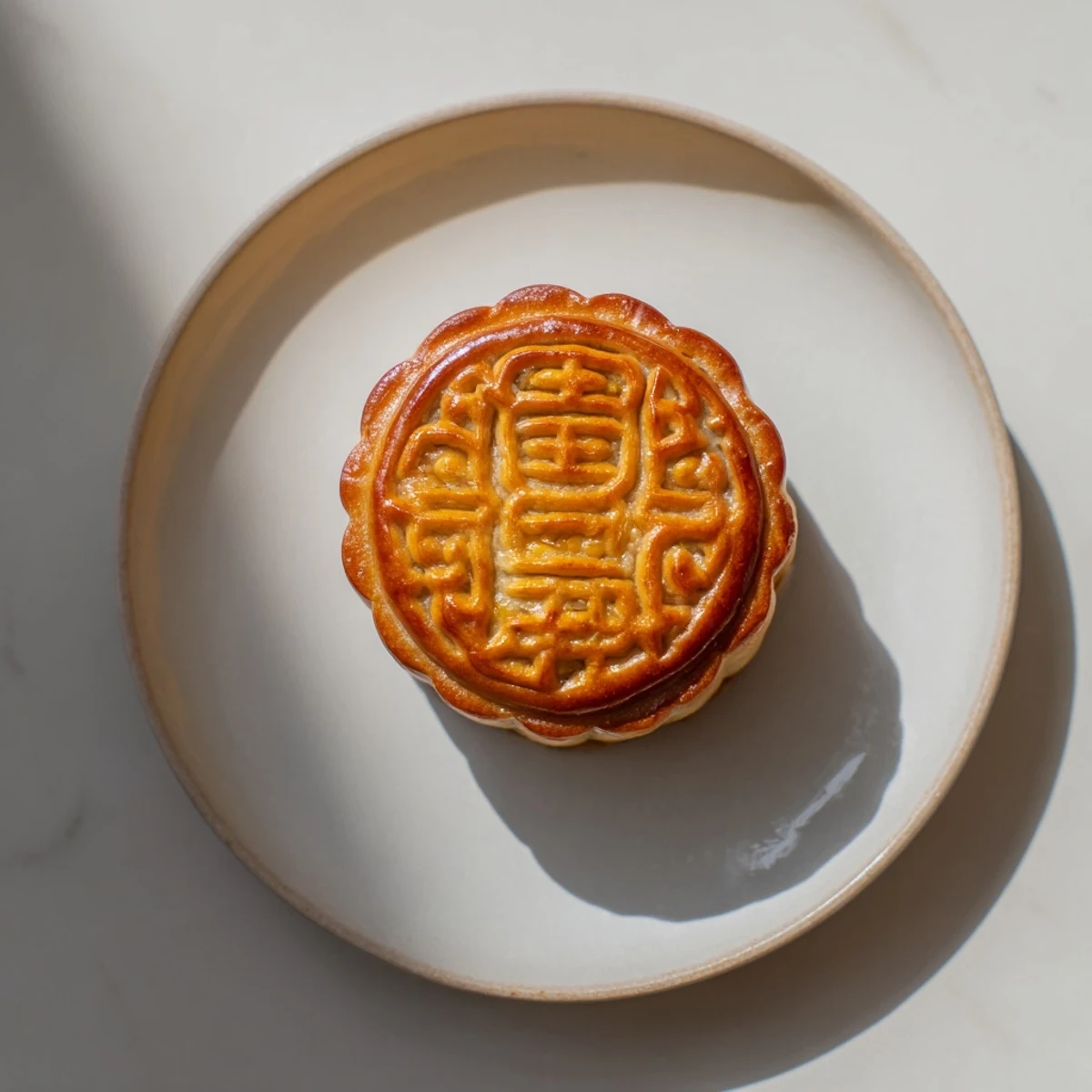
 Create these iconic Chinese pastries featuring a rich, dense lotus seed filling encased in a golden tender pastry crust. The traditional method uses golden syrup and alkaline water to achieve the characteristic mooncake texture and glossy finish. Each piece can conceal a salted egg yolk center for authentic presentation. While the shaping technique requires some practice, the resulting delicacy offers dense sweetness and cultural significance. Allow freshly baked mooncakes to rest for 1-2 days, enabling the pastry skin to soften and develop the signature texture. Serve alongside Chinese tea for a complete experience.
The first time I attempted mooncakes, I was living in a small apartment with a kitchen that barely fit two people. My grandmother had sent me a traditional wooden mold from overseas, and I spent an entire Sunday afternoon covered in golden syrup and flour. Those first mooncakes came out slightly lopsided, but the way the pastry softened over the next two days taught me why patience matters more than perfection.
Last autumn, I made these with my neighbor who had never celebrated Mid-Autumn Festival before. We took turns pressing the mold, laughing when some of the intricate patterns got stuck. That evening, sharing tea and mooncakes on her balcony while the full moon rose above the city skyline became one of those simple moments that make cooking worthwhile.
Ingredients
- 200 g all-purpose flour: The structure holder of this delicate pastry, measured precisely for that tender bite
- 120 g golden syrup: This inverted sugar syrup prevents crystallization and gives mooncakes their signature amber glow
- 50 g vegetable oil: A neutral oil keeps the flavor pure while creating that pliable, workable dough
- 1 tsp alkaline water: The secret ingredient that gives mooncakes their distinct golden color and springy texture
- 500 g lotus seed paste: Silky, smooth, and traditionally the most prized filling for its subtle sweetness
- 12 salted egg yolks: Optional but traditional, these create that beautiful golden center when you slice into them
- 1 egg yolk: Mixed with water, this creates the professional looking finish on your mooncakes
Instructions
- Mix the syrup base:
- Combine golden syrup, vegetable oil, and alkaline water in a bowl until completely smooth
- Form the dough:
- Add flour to the wet ingredients and mix gently until a soft dough forms, then cover and rest for 30 minutes
- Prepare the filling:
- Divide lotus seed paste into 12 equal portions and wrap each salted egg yolk inside if using
- Portion the dough:
- Separate rested dough into 12 equal pieces, keeping them covered to prevent drying
- Wrap the filling:
- Flatten each dough piece and carefully encase a filling ball, sealing completely with no gaps
- Shape the mooncakes:
- Dust balls lightly with flour, press into your mold, and gently release onto the baking tray
- Initial bake:
- Bake at 180°C for 5 minutes, then cool for 10 minutes before glazing
- Apply the glaze:
- Whisk egg yolk with water and brush a thin, even layer over each mooncake
- Final baking:
- Return to oven for 15 to 20 minutes until golden brown, then cool completely
 Save to Pinterest
 My sister once tried to speed up the resting process and ended up with mooncakes that had the texture of hard cookies. We laughed about it later, but that mistake taught me that some traditions exist for a reason. Now whenever I make these, I think about how good things really do come to those who wait.
Working With Alkaline Water
This ingredient can be intimidating if you have never used it before, but it is essential for authentic mooncakes. A tiny amount goes a long way in creating that characteristic springiness and rich golden hue. I keep mine in a small glass jar in the pantry, and it lasts for months.
Choosing Your Filling
While lotus paste is traditional, do not be afraid to experiment with what you enjoy. Red bean paste offers a slightly earthier sweetness, while black sesame adds a nutty depth that surprises people. I once made a batch with five spice paste that became an unexpected favorite at a dinner party.
Storage And Serving
Mooncakes actually improve with age, developing that coveted soft tender skin that makes them so addictive. Keep them in an airtight container at room temperature and let them rest for at least a day before serving. Slice them into small wedges and serve with hot Chinese tea.
- Room temperature storage helps the skin soften properly
- Slice carefully with a sharp knife to show off those beautiful layers
- Pair with pu erh or oolong tea to balance the richness
 Save to Pinterest
 There is something deeply satisfying about pulling out a container of homemade mooncakes you made yourself, especially when you see how eagerly people reach for them. Happy baking, and may your Mid-Autumn Festival be full of warmth and good company.
Questions & Answers About the Recipe
- → What makes mooncake pastry unique?
-
The combination of golden syrup and alkaline water creates the distinctive tender yet stable pastry that develops a glossy sheen when baked and softens beautifully during the resting period.
- → Why do mooncakes need to rest before serving?
-
Resting allows the pastry skin to soften and the oils to redistribute throughout the dough, creating the signature tender texture rather than a crisp or hard finish.
- → Can I make these without a mooncake mold?
-
You can shape them by hand or use a decorative cookie press, though the traditional carved mold creates the iconic intricate designs and uniform shape associated with authentic presentation.
- → What alternatives work for lotus seed paste?
-
Red bean paste offers similar texture and sweetness, while black sesame paste provides a nuttier variation. Both complement the golden pastry crust beautifully.
- → How long do homemade mooncakes stay fresh?
-
Stored in an airtight container at room temperature, they remain fresh for up to two weeks. The texture actually improves during the first few days as the pastry softens.
- → What's the purpose of alkaline water?
-
Alkaline water promotes browning, enhances the pastry texture, and helps achieve the traditional golden color characteristic of authentic mooncakes.