
 Save to Pinterest
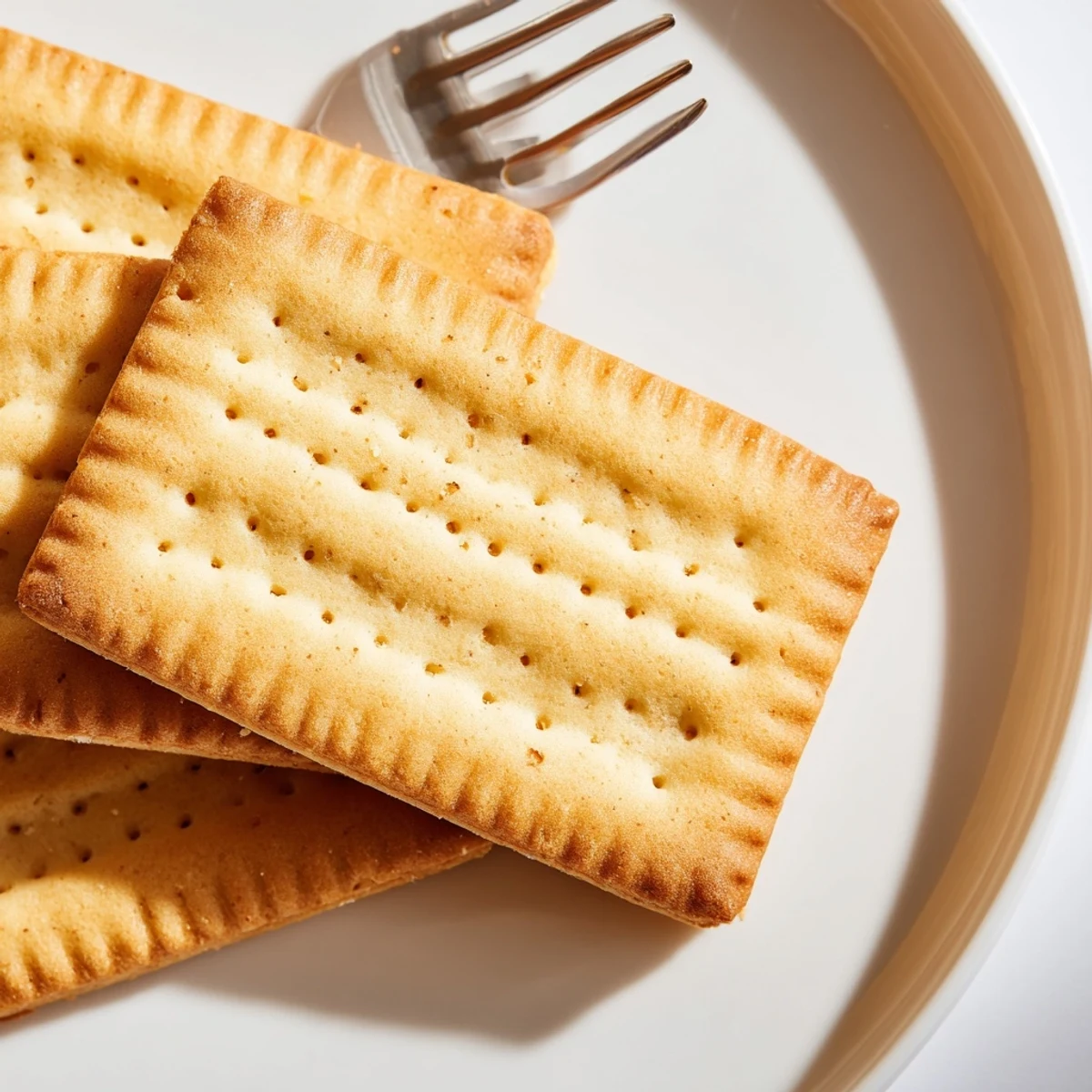
 Le petit beurre est un biscuit français emblématique, reconnaissable à sa forme rectangulaire cannelée et ses petits trous caractéristiques. Doré et croustillant, il se prépare avec des ingrédients simples : farine, beurre doux, sucre et une touche de vanille.
La pâte nécessite un repos d'une heure au réfrigérateur pour obtenir la texture idéale. Une fois étalée finement sur 3 à 4 mm, elle est découpée à l'emporte-pièce puis piquée à la fourchette avant cuisson.
Ces biscuits se conservent une à deux semaines dans une boîte hermétique et peuvent être personnalisés avec des zestes de citron ou enrobés de chocolat fondu.
The rain was drumming against the kitchen window and I had nowhere to be, so I started rummaging through my grandmother's old recipe box and found a faded card titled Petit Beurre in her careful handwriting. The butter was already soft on the counter, almost as if the universe was nudging me to bake. Two hours later, the whole apartment smelled like a French patisserie and I was hooked for life.
I brought a tin of these to a friend who had just moved into a new apartment with nothing but a kettle and a dusty teapot. We sat on the floor surrounded by boxes, dipping biscuits into steaming tea, and she said it already felt like home.
Ingredients
- 200 g flour: Regular all purpose flour gives the right structure here, nothing fancy needed.
- 100 g sugar: Granulated sugar creates that gentle sweetness and helps the edges caramelize into golden perfection.
- 100 g unsalted butter: Good butter is everything in this recipe, so use the best you can find.
- 50 ml whole milk: Whole milk adds richness and helps bring the dough together smoothly.
- 5 g baking powder: Just enough to give a slight lift without making them puffy.
- 1 pinch of salt: Salt sharpens every flavor and keeps the sweetness balanced.
- 1 vanilla bean or 1 packet vanilla sugar: Vanilla is the quiet soul of these biscuits, never skip it.
Instructions
- Melt and mingle:
- Gently warm the butter with the milk in a saucepan over low heat, then stir in the sugar and scraped vanilla seeds until everything dissolves into a fragrant golden pool.
- Cool it down:
- Let the mixture cool until it is just warm to the touch, then pour it into a large mixing bowl.
- Build the dough:
- Add the flour, baking powder, and salt, then mix with your hands or a spoon until a soft cohesive dough forms.
- Rest and chill:
- Shape the dough into a ball, wrap it tightly in plastic, and let it rest in the refrigerator for one full hour so it firms up and becomes easy to roll.
- Roll and cut:
- On a lightly floured surface, roll the chilled dough to an even 3 to 4 millimeter thickness and cut out rectangles with a fluted cutter for that classic look.
- Prick and bake:
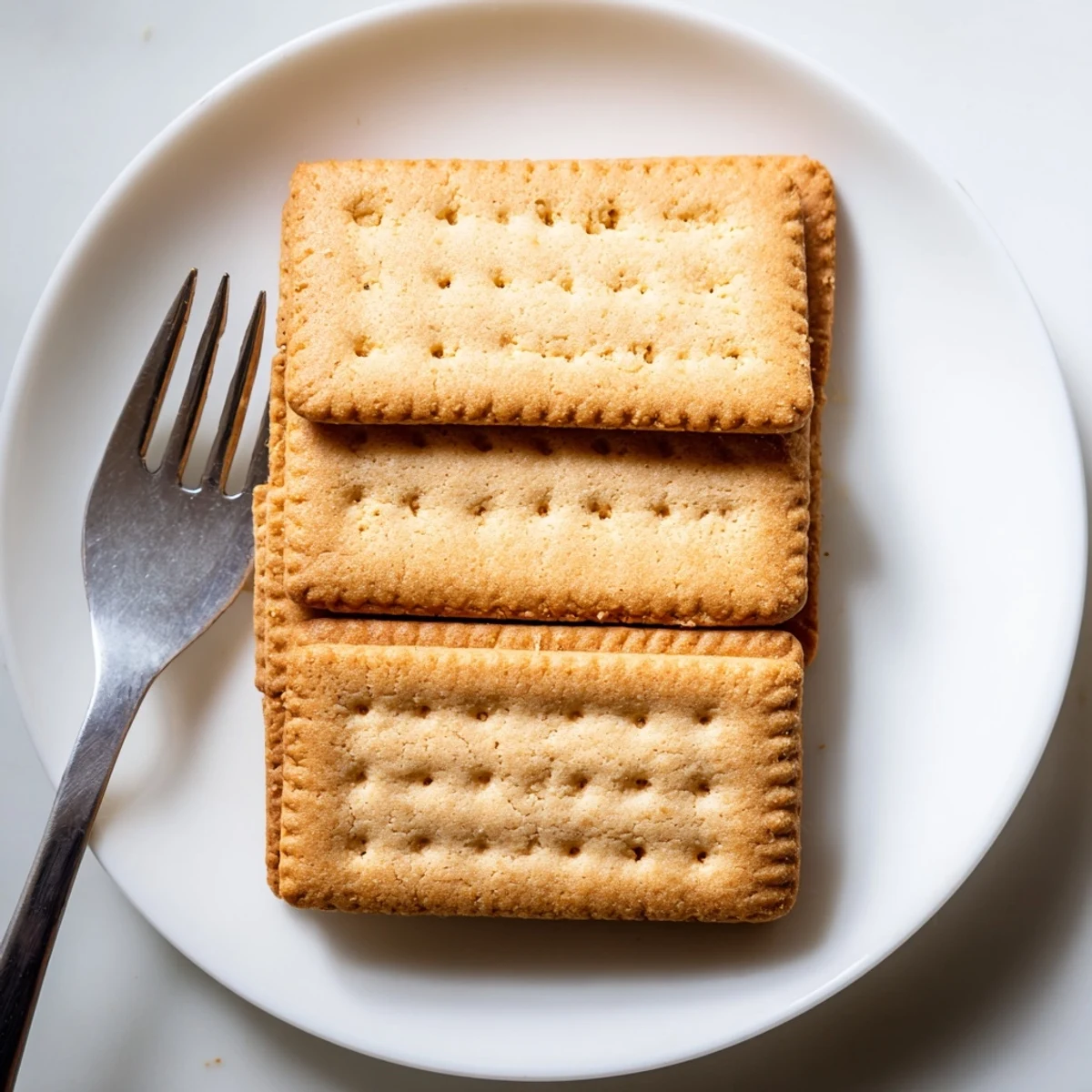
- Arrange the biscuits on a parchment lined baking sheet, prick each one a few times with a fork, and bake at 180 degrees for about 12 minutes until the edges turn a warm golden brown.
- Cool on a rack:
- Transfer the biscuits gently to a wire rack and let them cool completely so they develop that signature crisp snap.
 Save to Pinterest
 One Saturday morning my niece wandered into the kitchen while I was pricking rows of biscuits with a fork and she insisted on doing it herself, creating wild patterns that baked into tiny edible artworks.
Fun Ways to Change Things Up
A tablespoon of lemon zest folded into the dough adds a brightness that pairs wonderfully with afternoon tea. You can also melt dark chocolate and dip half of each cooled biscuit for a treat that disappears within hours of being set out.
Keeping Them Crisp
Store your biscuits in a truly airtight tin, because even half a day exposed to humid air will soften that beautiful crunch. A sheet of parchment between layers prevents them from sticking together if you stack them.
What to Serve Them With
These biscuits shine brightest alongside a strong espresso or a pot of Earl Grey, but children love them with a glass of cold milk. They also make a wonderful base for tiny ice cream sandwiches during summer.
- Warm them for ten seconds in the microwave to revive their just baked aroma.
- Crush leftover biscuits over yogurt or vanilla ice cream for a quick dessert topping.
- Always make a double batch because the first tin will vanish before you know it.
 Save to Pinterest
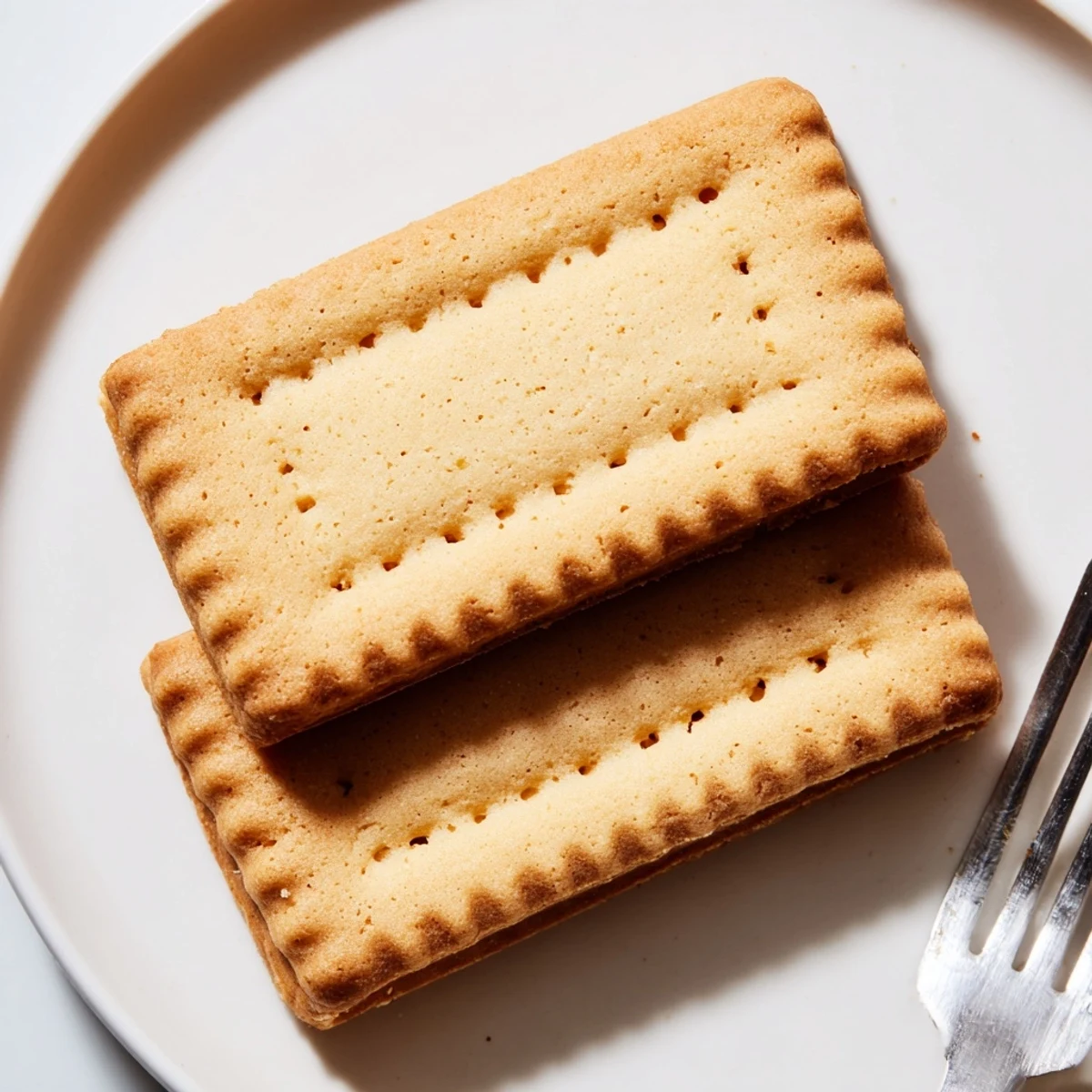
 Some recipes become staples not because they are impressive, but because they fit so naturally into the rhythm of everyday life. These little French biscuits are exactly that kind of quiet comfort.
Questions & Answers About the Recipe
- → Pourquoi faut-il piquer les petits beurre avec une fourchette ?
-
Le piquage à la fourchette permet d'éviter la formation de bulles d'air pendant la cuisson. Cela garantit une surface plate et uniforme, tout en reproduisant l'aspect traditionnel du petit beurre.
- → Peut-on congserver les petits beurre plus longtemps ?
-
Oui, les petits beurre se congèlent très bien. Placez-les dans un sachet hermétique et conservez-les jusqu'à trois mois au congélateur. Laissez-les décongeler à température ambiante avant de les déguster.
- → Pourquoi la pâte doit-elle reposer au réfrigérateur ?
-
Le repos au froid permet au beurre de se solidifier, ce qui rend la pâte plus facile à étaler et à découper. Il aide également la farine à bien absorber les liquides, donnant une texture plus homogène et croustillante après cuisson.
- → Comment obtenir des biscuits bien croustillants ?
-
Le secret réside dans l'épaisseur de la pâte. Étalez-la finement, entre 3 et 4 mm, et assurez-vous que le four est bien préchauffé à 180°C. Une cuisson de 12 minutes suffit pour obtenir une belle coloration dorée et un croustillant optimal.
- → Peut-on remplacer le beurre doux par du beurre salé ?
-
Oui, vous pouvez utiliser du beurre demi-sel ou salé. Dans ce cas, réduisez ou supprimez la pincée de sel indiquée dans les ingrédients. Le beurre salé apportera une saveur légèrement différente très appréciée.
- → Quel emporte-pièce utiliser pour des petits beurre authentiques ?
-
L'emporte-pièce traditionnel est rectangulaire avec des bords cannelés, mesurant environ 6 x 5 cm. Si vous n'en avez pas, un emporte-pièce rond ou carré fera parfaitement l'affaire.