
 Save to Pinterest
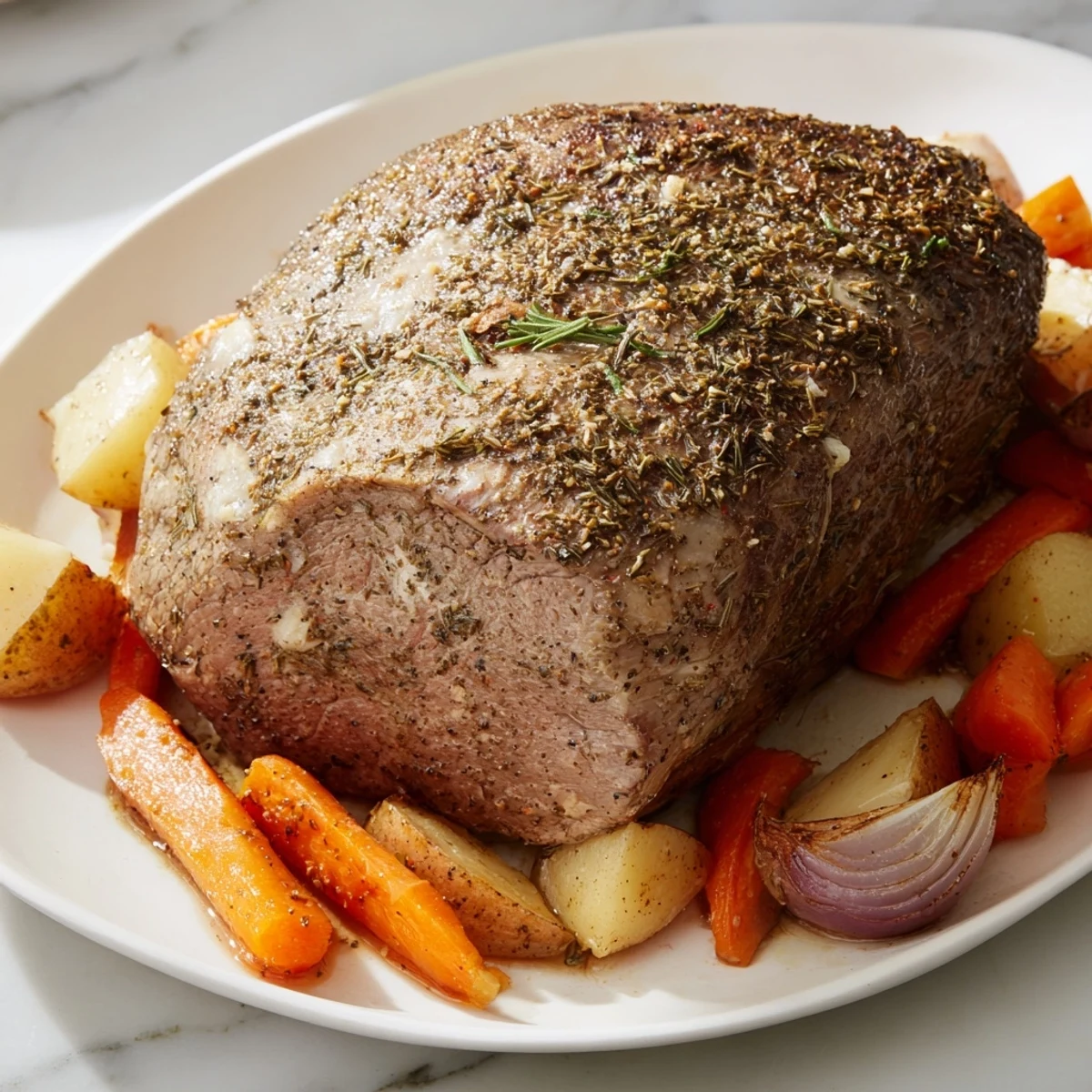
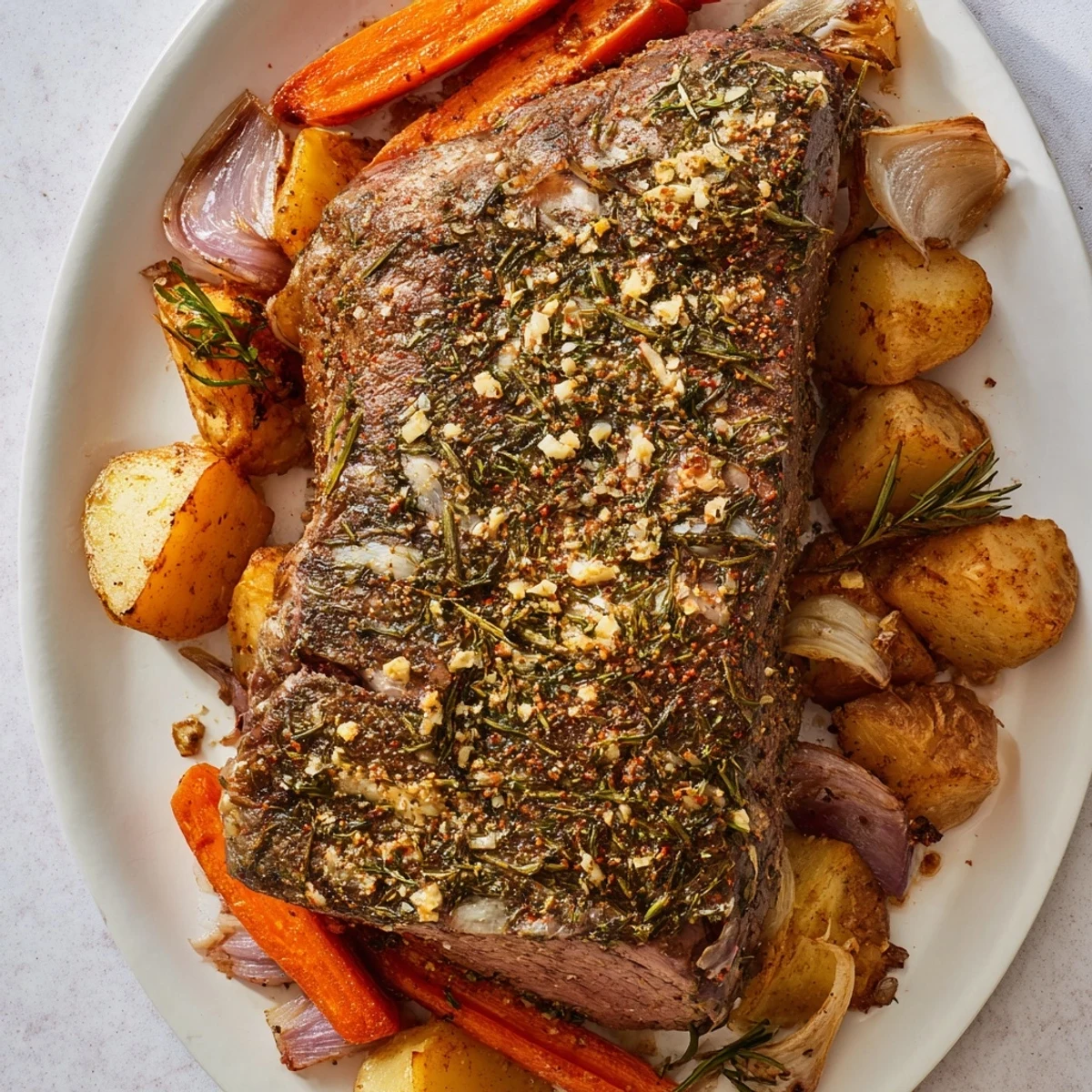
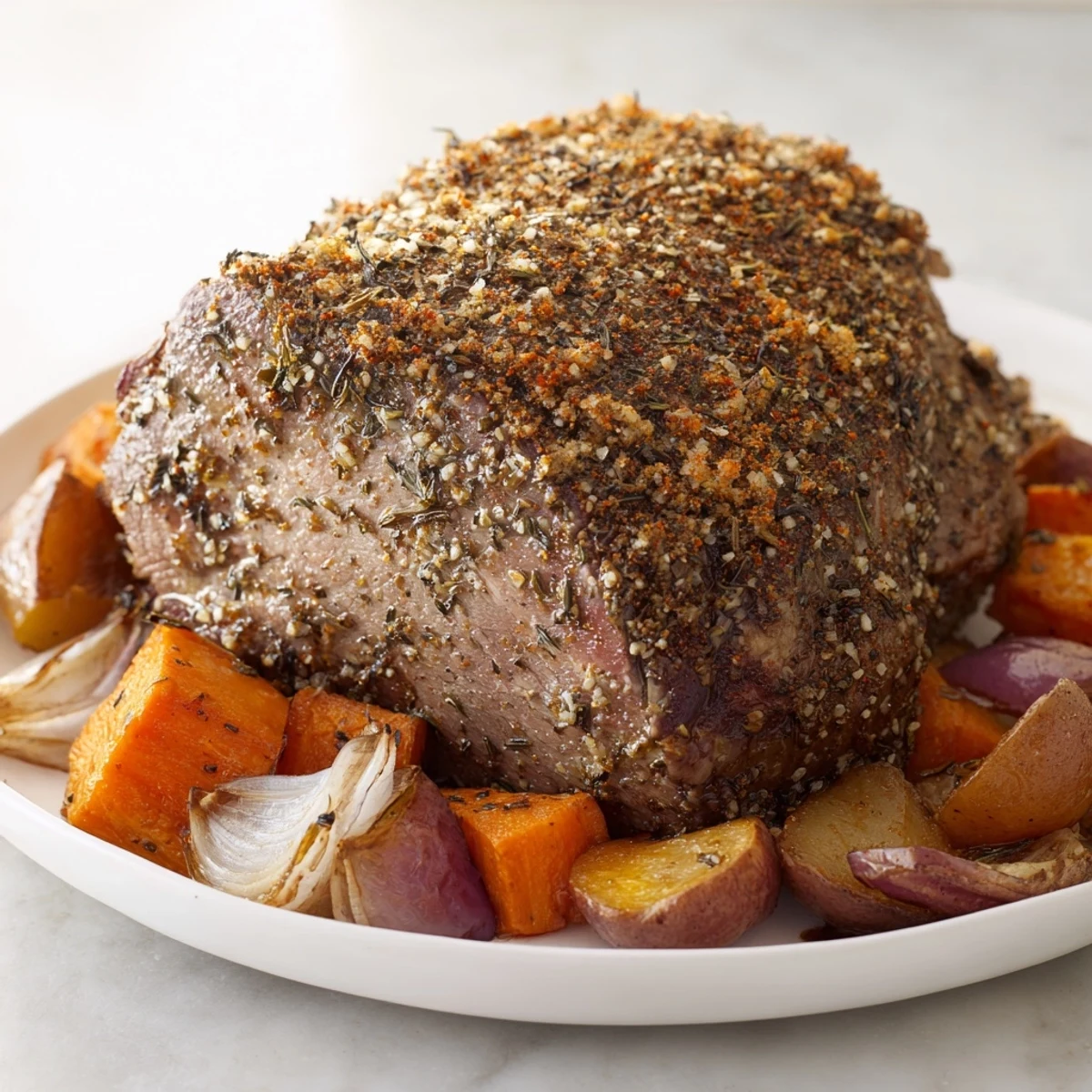
 This dish features a 1.5 kg beef roast seasoned with olive oil, garlic, rosemary, thyme, and smoked paprika. Roasted with carrots, onions, and potatoes, it develops a crisp crust while remaining juicy inside. After roasting at high heat and then lowering the temperature, the meat rests to retain moisture before slicing. Ideal for gatherings, it pairs wonderfully with horseradish sauce, mustard, or red wine gravy, enhanced by a rich red wine like Cabernet Sauvignon or Syrah.
There's something almost ceremonial about pulling a perfectly roasted joint from the oven—the sizzle, the aroma of caramelized meat and herbs filling every corner of the kitchen. I learned this recipe from watching my uncle work his magic at family gatherings, never from a written instruction, just observation and hungry patience. He'd rub that paste of garlic and rosemary with such intention, as if the meat could feel his respect for it. Now when I make it, I understand what he was doing.
I made this for eight people on a rain-soaked Sunday last April, and someone's grandmother asked for the recipe—I still get texts about it. The kitchen smelled so good that neighbors stopped by pretending they were just checking in. That's when I realized this wasn't just dinner; it was the kind of dish that makes people want to linger at the table.
Ingredients
- Beef roast (1.5 kg / 3.3 lbs): Choose sirloin, ribeye, or rump depending on your preference for tenderness versus deep flavor; bring it to room temperature before roasting so it cooks evenly.
- Olive oil (3 tbsp): Use good oil—it's not just for cooking but for building the paste that'll crisp your crust.
- Kosher salt (2 tsp) and black pepper (1 tsp): Don't skip the pre-grinding of pepper; it tastes sharper and fresher than anything sitting in a tin.
- Garlic (4 cloves, minced): Fresh garlic makes an enormous difference in depth; pre-minced just won't give you the same punch.
- Fresh rosemary (2 tbsp) and thyme (1 tbsp): Strip the leaves from the stems rather than chopping the whole thing—the stems are woody and will only disappoint you.
- Smoked paprika (1 tsp): This is the ingredient that stops people mid-chew and makes them ask what you did differently.
- Carrots (4 medium), onions (2), potatoes (4 medium): These aren't garnish—they roast in the meat's drippings and become better than any side dish you could make separately.
Instructions
- Dry your roast completely:
- Pat it down with paper towels like you're preparing it for something important—because you are. Moisture is the enemy of a golden crust.
- Build your flavor paste:
- Mix the olive oil with salt, pepper, garlic, rosemary, thyme, and paprika in a small bowl until it looks like wet sand. This paste is your secret weapon.
- Coat the meat generously:
- Rub that paste all over every surface, getting into any crevices and making sure nothing is left bare. It should look glossy and fragrant.
- Arrange vegetables strategically:
- Toss carrots, onions, and potatoes with a drizzle of olive oil and a pinch of salt and pepper, then spread them in your roasting pan so the meat will sit on top of them, allowing heat to circulate underneath.
- Start hot, then settle down:
- Roast at 220°C (425°F) for 20 minutes to get that crust going, then drop the heat to 180°C (350°F) for the remaining hour. This two-temperature method is the trick that separates restaurant-quality from meh.
- Trust the thermometer:
- Insert it into the thickest part without touching bone; aim for 55°C (130°F) for medium-rare, though some prefer it warmer. The internal temperature is the only thing that matters, not the clock.
- Let it rest like it means something:
- Tent it loosely with foil and walk away for 15 minutes—this is when the juices redistribute, and cutting into it too soon will mean losing all that beautiful moisture to the cutting board.
- Slice and serve with the pan juices:
- Pour those drippings over everything; they're liquid gold.
 Save to Pinterest
 The moment it all comes together is quiet—just the soft clink of plates, the sound of a knife sliding through that crust, and someone at the table breathing out a small sound of satisfaction. That's when you know it worked.
Making This Your Own
This recipe is forgiving enough to accommodate what you have and bold enough to welcome your preferences. If you can't find fresh rosemary, dried works just fine—use half the amount since the flavor is more concentrated. Pork and lamb roast beautifully with the same method, though lamb will finish faster and pork might need another ten to fifteen minutes depending on thickness.
Timing and Preparation
The fifteen-minute prep is genuinely achievable—you're only mincing garlic and mixing herbs, nothing technical. The resting time is often forgotten in the rush, but it's worth planning for because those extra minutes ensure your effort translates into a tender result. If you have the foresight, marinating the meat overnight in the paste deepens the flavor considerably, though the same-day method works beautifully if that's what life allows.
Serving Suggestions and Pairings
Serve this with the roasted vegetables that came alongside it—they've absorbed the meat's essence and need no embellishment. A good horseradish sauce cuts through the richness with sharpness, or a simple mustard works if you prefer restraint. A robust red wine like Cabernet Sauvignon or Syrah pairs perfectly, though honestly, a good beer is equally welcome at this kind of table.
- Pour the pan juices into a small pitcher and let guests help themselves—it's the sauce you didn't have to make.
- Leftovers slice beautifully cold for sandwiches the next day, assuming there are any.
- Save any bones or trimmings for stock; they've still got flavor to give.
 Save to Pinterest
 This is the kind of dish that turns an ordinary meal into a moment—the kind people remember and ask for again. Cook it when you want to feel capable and generous.
Questions & Answers About the Recipe
- → What cut of meat works best?
-
Sirloin, ribeye, or rump cuts of beef are ideal for this preparation due to their balance of tenderness and flavor.
- → How do I ensure the meat stays juicy?
-
Roasting at a high temperature initially then reducing it, followed by resting the meat under foil, helps retain juices.
- → Can I add vegetables while roasting?
-
Yes, carrots, onions, and potato wedges can be roasted alongside to complement the meat's flavors.
- → Is there a suggested cooking temperature for doneness?
-
Medium-rare is reached at 55°C (130°F) internal temperature; adjust cooking time to preference.
- → What herbs enhance the flavor?
-
Fresh rosemary, thyme, garlic, and smoked paprika create a savory herb crust that enhances richness.