
 Save to Pinterest
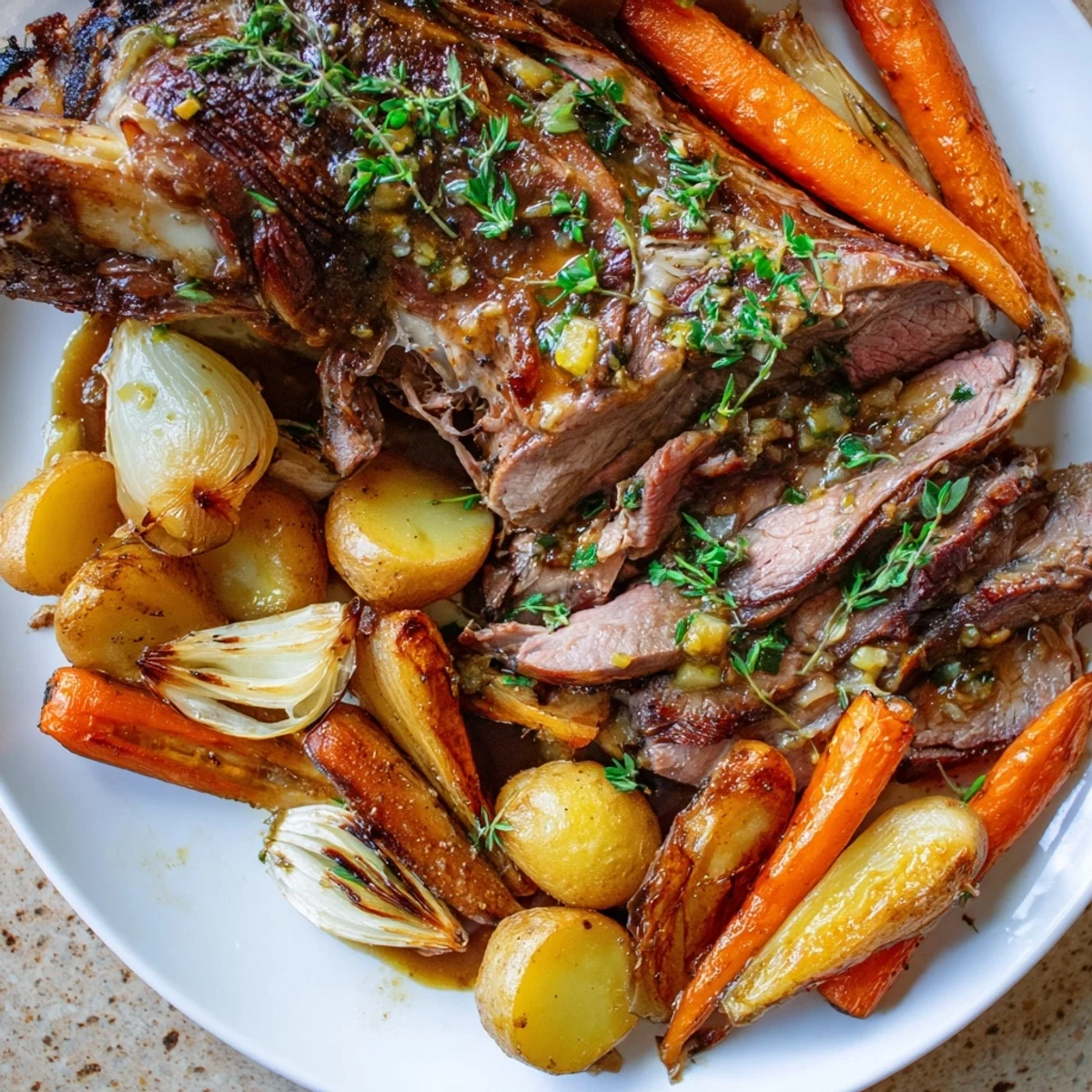
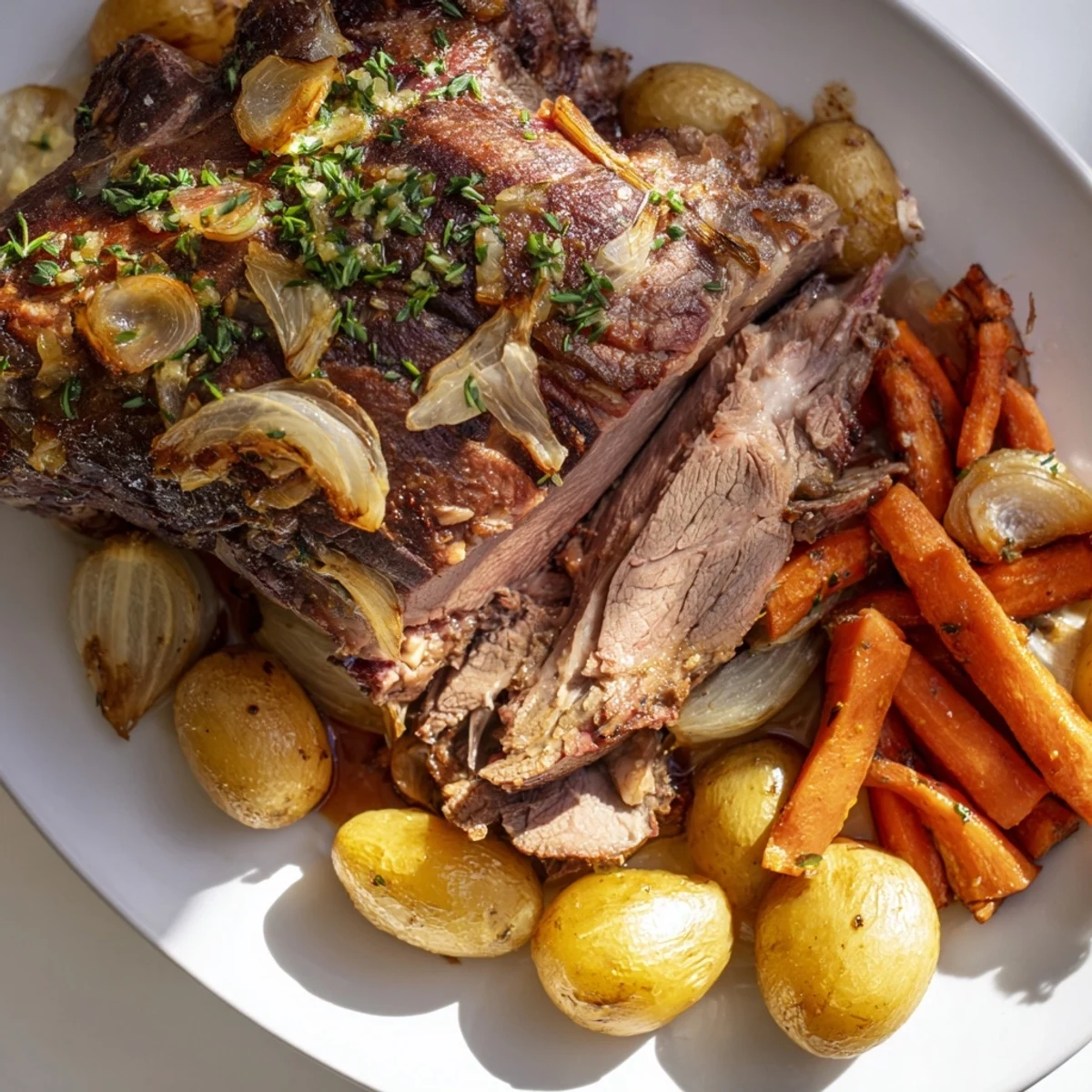
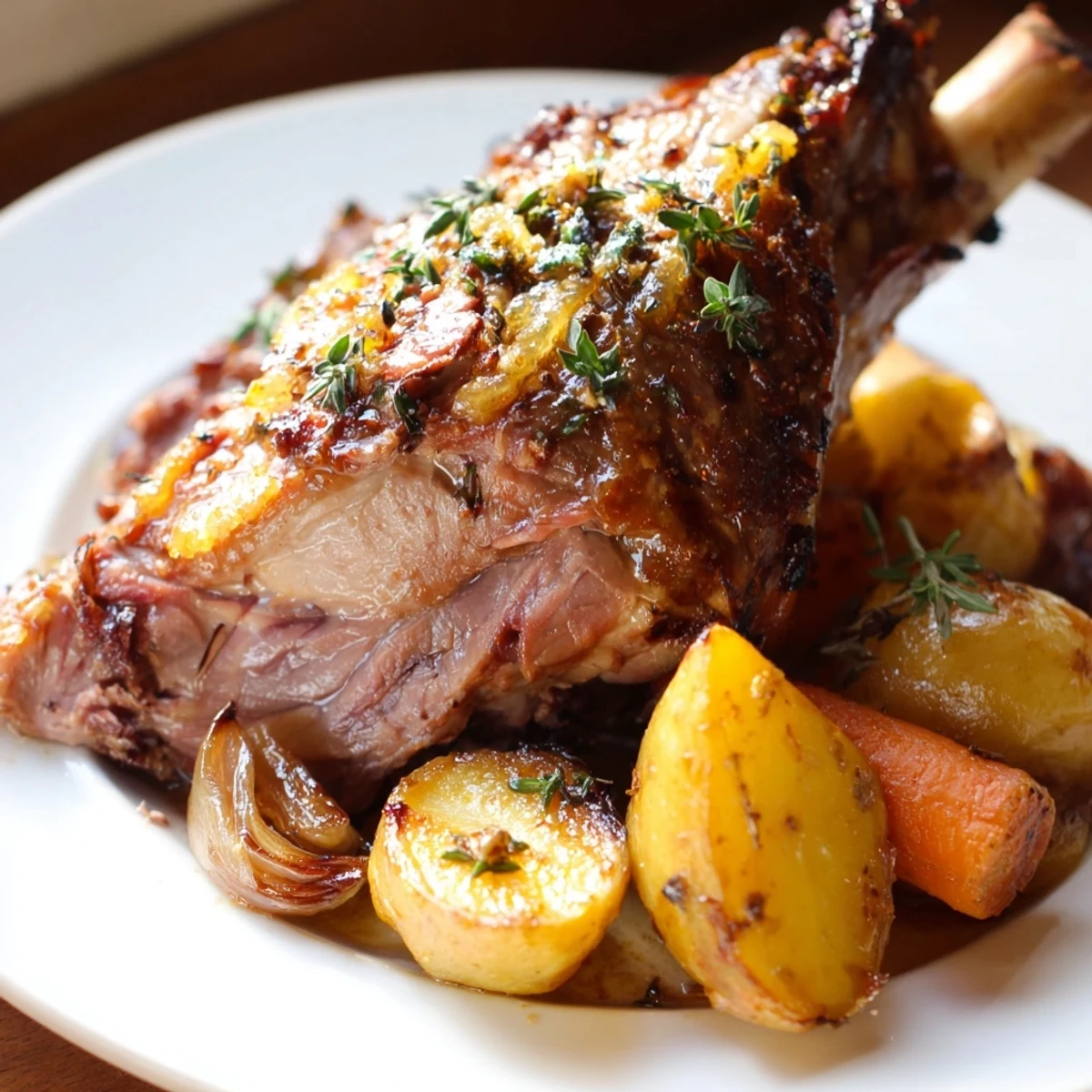
 This slow-cooked leg of lamb delivers tender, juicy meat enriched with a marinade of fresh lemon zest, garlic, and oregano. Roasting alongside baby potatoes, carrots, and onions allows for a balanced dish filled with savory juices. The low-heat cooking process ensures a succulent texture while layering in Mediterranean flavors. Ideal for a relaxed dinner, it pairs well with crisp salads or rustic bread.
The kitchen was quiet except for the timer ticking down on that Sunday afternoon. My grandmother had insisted leg of lamb was meant for patience, not rushing, and watching this particular roast slowly transform in the oven taught me exactly what she meant. The whole house filled with that impossible combination of lemon, garlic, and roasting meat that makes people drift toward the kitchen asking "what smells so good?" three hours before dinner.
I served this for my first proper dinner party back in my tiny apartment kitchen. Nervous doesnt quite cover it, but when I brought that golden leg of lamb to the table and everyone went silent for that first bite, I knew Id made something worth the wait. The way those roasted potatoes soaked up all those pan juices became the thing people actually talked about afterward.
Ingredients
- 1 bone-in leg of lamb (about 2 kg / 4.5 lbs): Bone-in keeps everything moister during that long cooking time and frankly looks impressive coming out of the oven
- 4 cloves garlic, minced: Dont be shy with garlic here, it mellows beautifully into something almost sweet
- Zest and juice of 2 lemons: The brightness is what makes this sing against all that richness
- 2 tbsp fresh oregano leaves, chopped: Fresh oregano has this floral peppery thing that dried just cant quite match, though dried works in a pinch
- 3 tbsp olive oil: Helps all those flavors cling to the meat and promotes gorgeous browning
- 1 tbsp sea salt: Leg of lamb needs this much salt to properly season throughout
- 1 tsp freshly ground black pepper: Freshly cracked makes a difference you can actually taste
- 1 kg baby potatoes, halved: Baby potatoes have that creamy texture and they dont need peeling which is a win
- 2 large onions, cut into thick wedges: They caramelize down into something sweet and savory
- 2 carrots, cut into large chunks: Go bigger than you think, they shrink quite a bit during roasting
- 250 ml low-sodium chicken or vegetable broth: Creates those pan juices that become liquid gold
- 125 ml dry white wine (optional): Adds depth but honestly the broth alone carries the dish beautifully
Instructions
- Get your oven ready and the lamb prepped:
- Preheat that oven to 150°C (300°F) and pat your lamb completely dry with paper towels, then place it in a large roasting pan.
- Make that magic marinade:
- In a small bowl, combine garlic, lemon zest and juice, oregano, olive oil, salt, and pepper until it becomes this fragrant paste.
- Get hands-on with seasoning:
- Rub the marinade all over the lamb, pressing it into any natural crevices and making small incisions to really work the flavors inside.
- Build your vegetable bed:
- Arrange those potatoes, onions, and carrots around the lamb in the roasting pan, tucking them in where they fit.
- Add the liquids and cover:
- Pour the broth and wine into the pan around the vegetables, then cover everything tightly with foil.
- The long, slow roast:
- Roast covered for 2.5 hours, letting the low heat work its magic on breaking down all that connective tissue.
- The grand reveal:
- Remove the foil, crank your oven to 200°C (400°F), and roast uncovered for 30 minutes until youre looking at gorgeous golden caramelization.
- The most important step:
- Let that lamb rest, loosely covered with foil, for a full 15 minutes before carving so all those juices redistribute back into the meat.
 Save to Pinterest
 My aunt reached across the table for seconds and said this reminded her of some tiny taverna in Greece she visited thirty years ago. Thats the thing about food, it has this way of teleporting us to places weve never been or back to moments wed almost forgotten, all through taste and smell and the simple act of sharing.
The Art of Low and Slow
Theres something almost meditative about a recipe that demands three hours of mostly hands-off cooking. The house just sort of settles into this rhythm where every time the oven door opens, this incredible wave of scent rolls out, and you remember why slow cooking is worth every minute of the wait.
Wine That Works
A medium-bodied red like a Pinot Noir or Grenache plays beautifully with the lamb without overpowering those delicate lemon notes. If you used white wine in the recipe, serving the same wine at the table creates this lovely continuity that people notice even if they cant quite put their finger on why it feels so right.
Leftovers Worth Having
Cold lamb the next day, maybe in a sandwich with some of those roasted potatoes and a bit of tzatziki, is the kind of leftover that might be even better than the original meal. The flavors have had time to marry and settle into something deeper and more complex.
- Wrap leftover lamb tightly and it keeps beautifully for 3-4 days in the refrigerator
- Those pan juices freeze surprisingly well if you want that flavor bomb for future soups or stews
- The reheat on low temperature, covered, to keep everything from drying out
 Save to Pinterest
 Theres something deeply satisfying about a recipe that asks so little of you but gives back so much in return. This lamb became one of those meals I make when I want to feed people well without being stuck in the kitchen all night, and honestly, thats the best kind of cooking there is.
Questions & Answers About the Recipe
- → How long should I roast the leg of lamb?
-
Roast the lamb covered at a low temperature for about 2.5 hours, then uncovered at a higher heat for 30 minutes to develop a golden crust.
- → Can I substitute oregano with other herbs?
-
Yes, rosemary or thyme work well as alternatives to oregano and complement the lemon and garlic flavors.
- → What vegetables pair well with this lamb?
-
Baby potatoes, onions, and carrots roasted alongside the lamb absorb its savory juices and enhance the dish.
- → Is it necessary to use broth and wine in the roasting pan?
-
The broth keeps the vegetables moist and adds depth, while the wine is optional but adds subtle complexity to the flavor.
- → How do I ensure the lamb stays moist during cooking?
-
Cover the pan for most of the roasting time to trap steam, then uncover at the end for browning and a crisp crust.