
 Save to Pinterest
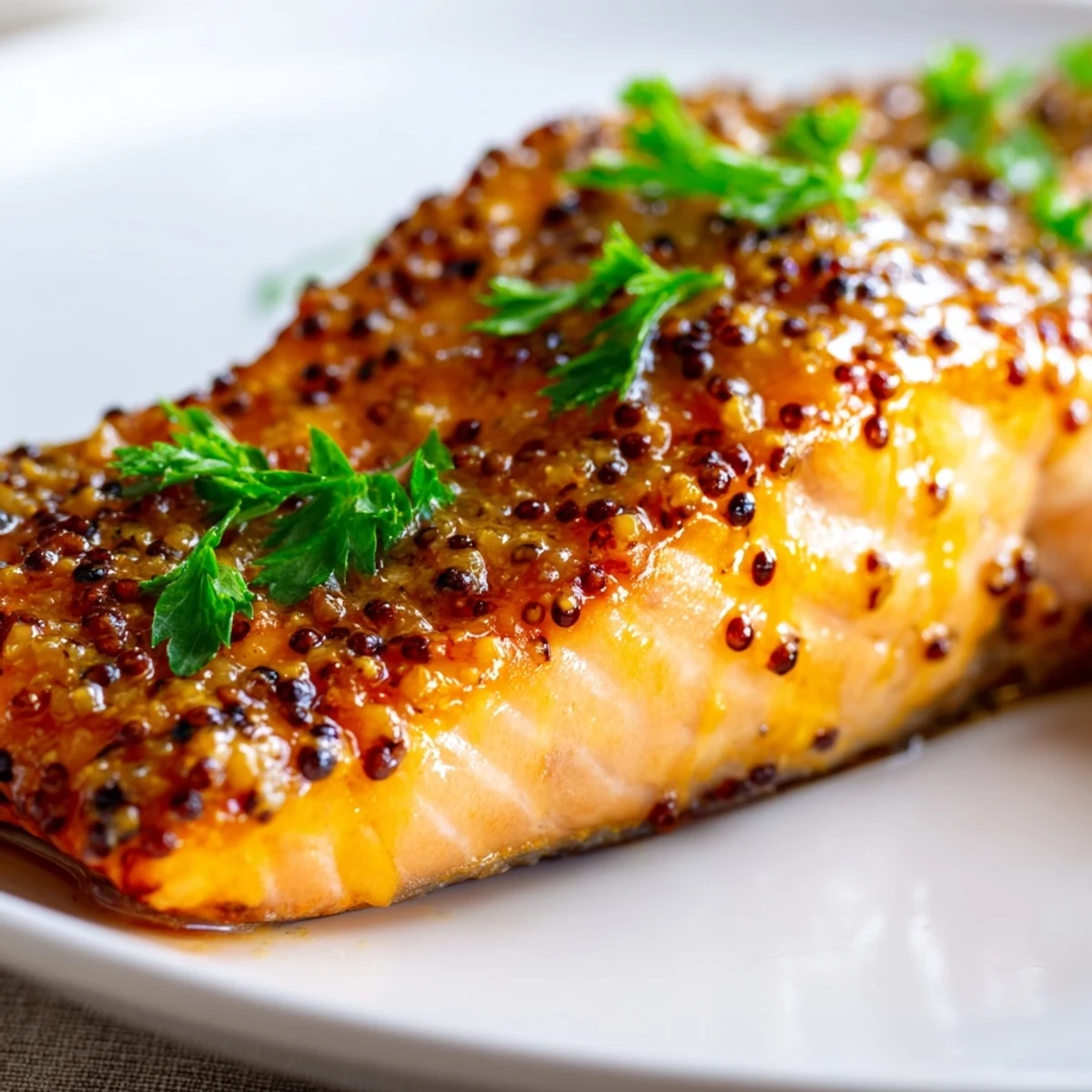
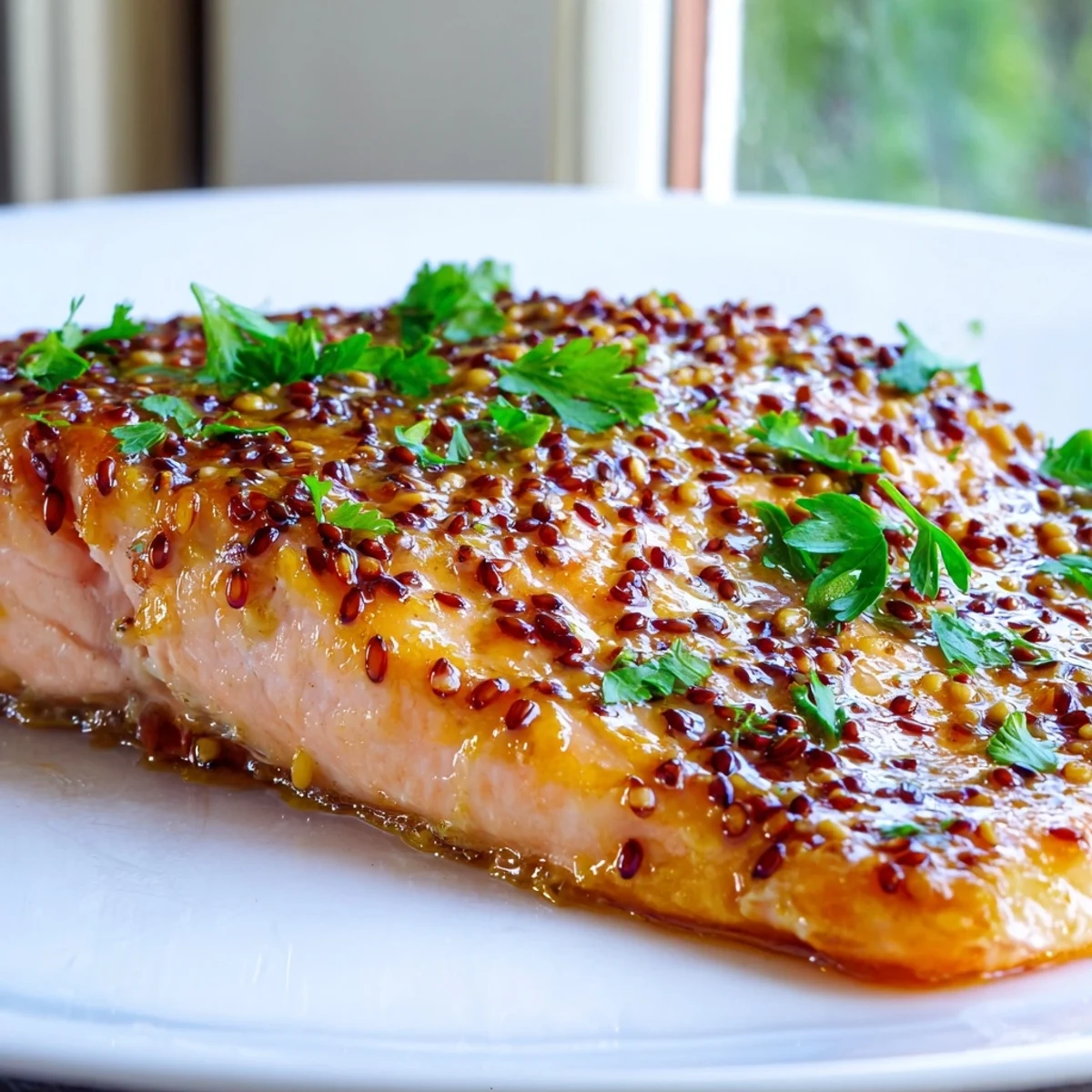
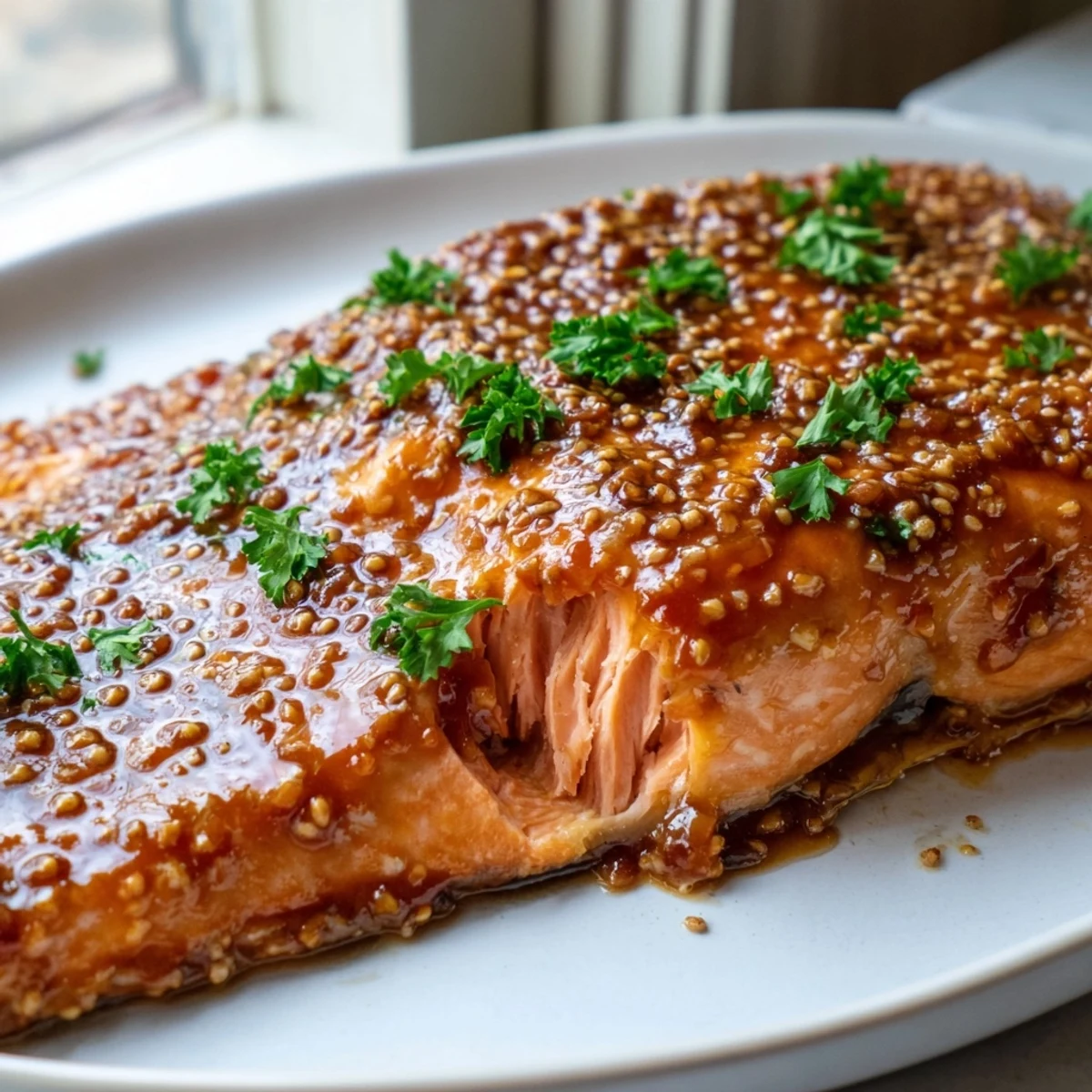
 This baked honey mustard salmon brings together the perfect balance of sweet honey and tangy mustard in a glossy glaze that caramelizes beautifully in the oven. Four salmon fillets are coated with a simple mixture of Dijon, whole grain mustard, honey, lemon juice, and smoked paprika, then baked for just 12 to 15 minutes.
The result is perfectly flaky, tender fish with a golden, flavorful crust. With only 10 minutes of prep and minimal cleanup, it is ideal for busy weeknights while still feeling elegant enough for guests.
The smell of honey and mustard caramelizing in a hot oven is one of those things that makes everyone wander into the kitchen asking when dinner will be ready. I threw this together on a rainy Tuesday when the fridge offered nothing but salmon fillets and a half used jar of Dijon. What surprised me was how something so effortless could taste like I had spent all afternoon planning it. Now it shows up on my table at least twice a month, rain or shine.
My neighbor Laura once knocked on my door to borrow an egg and ended up staying for dinner because the aroma drifting through the hallway was too persuasive. She now requests this salmon every time she visits, and I have learned to always make an extra fillet.
Ingredients
- 4 salmon fillets (about 170 g each): Skin on gives you a crispy bottom but skinless works beautifully too, so go with whatever your market has fresh.
- 3 tbsp Dijon mustard: This is the backbone of the glaze and provides a smooth, sharp bite that balances the honey perfectly.
- 2 tbsp honey: Any variety works, but a darker honey adds a deeper, almost floral sweetness.
- 1 tbsp whole grain mustard: The little seeds add texture and little pops of flavor that make each bite interesting.
- 1 tbsp olive oil: Helps the glaze spread evenly and keeps the fish moist under high heat.
- 1 tbsp fresh lemon juice: Brightens everything and cuts through the richness of the salmon.
- 2 garlic cloves, minced: Fresh garlic matters here because it mellow and sweetens as it bakes into the glaze.
- 1/2 tsp smoked paprika: A small amount adds a subtle smokiness that makes people wonder what your secret ingredient is.
- Salt and freshly ground black pepper: Season both the fish and the glaze to build layers of flavor.
- Fresh parsley, chopped: Optional for garnish, but the green flecks make it look finished and bright.
- Lemon wedges: A final squeeze at the table wakes up all the flavors.
Instructions
- Get the oven hot:
- Preheat your oven to 200 degrees Celsius (400 degrees Fahrenheit) and line a baking tray with parchment paper so nothing sticks and cleanup is effortless.
- Whisk the glaze together:
- In a small bowl, combine the Dijon mustard, honey, whole grain mustard, olive oil, lemon juice, minced garlic, smoked paprika, and a generous pinch each of salt and pepper. Keep whisking until the mixture looks glossy and unified, then taste it and adjust if you want more honey or more punch.
- Prep the salmon:
- Pat each fillet dry with paper towels because moisture is the enemy of a good glaze. Season them lightly with salt and pepper, then arrange them on the tray with a little space between each one so the hot air can circulate.
- Slather on the glaze:
- Spoon or brush the honey mustard mixture generously over every fillet, letting it pool slightly around the edges. Do not be shy with it because some will bake off and caramelize into a gorgeous sticky crust.
- Bake until just right:
- Slide the tray into the oven and bake for 12 to 15 minutes, checking at the 12 minute mark by gently pressing a fork into the thickest part of a fillet to see if it flakes easily.
- Rest and finish:
- Pull the tray out, let the salmon rest for two minutes so the juices settle, then scatter chopped parsley over the top and serve with lemon wedges on the side.
 Save to Pinterest
 The night my teenage son actually put down his phone to tell me this was the best fish he had ever eaten, I knew this recipe had earned a permanent spot in my life.
What to Serve Alongside It
Roasted asparagus and a pile of steamed rice make this a complete meal without any fuss. A simple arugula salad with olive oil and lemon also works wonders when you want something lighter.
Making It Your Own
A pinch of chili flakes in the glaze transforms the whole dish into something with a gentle, warming heat. You can also swap the Dijon for yellow mustard if you prefer a milder, more classic flavor.
A Few Final Thoughts
This is the kind of recipe that forgives your mistakes and rewards your improvisation. Trust your instincts, taste as you go, and remember that good salmon does most of the work for you.
- Let the fillets come to room temperature for about ten minutes before baking so they cook evenly.
- A pastry brush gives you the most even glaze coverage, but the back of a spoon works in a pinch.
- Always check for pin bones by running your fingers along the center of each fillet before seasoning.
 Save to Pinterest
 Cook this once and it will become one of those recipes you reach for when you need something reliable, impressive, and genuinely delicious. Your future self will thank you.
Questions & Answers About the Recipe
- → What temperature should salmon be baked at?
-
Salmon bakes best at 200°C (400°F). At this temperature, it typically takes 12 to 15 minutes for standard fillets to cook through while developing a nicely glazed exterior.
- → How do I know when the salmon is done cooking?
-
The salmon is ready when it flakes easily with a fork and appears opaque throughout. The internal temperature should reach 63°C (145°F). Avoid overcooking, as salmon continues to cook slightly after removal from the oven.
- → Can I use frozen salmon fillets?
-
Yes, but thaw them completely in the refrigerator overnight before baking. Pat the fillets dry thoroughly with paper towels so the honey mustard glaze adheres properly.
- → What sides pair well with honey mustard salmon?
-
Roasted vegetables like asparagus or Brussels sprouts, steamed rice, quinoa, or a fresh green salad all complement the sweet and tangy flavors beautifully. For a lighter meal, try it alongside cucumber salad.
- → Can I prepare the honey mustard glaze in advance?
-
Absolutely. The glaze can be whisked together and stored in an airtight container in the refrigerator for up to 3 days. Give it a good stir before brushing it onto the salmon fillets.
- → Should I remove the salmon skin before baking?
-
It is personal preference. Skin-on helps hold the fillet together and keeps it moist during baking. The skin easily peels away after cooking if you prefer not to eat it.