
 Save to Pinterest
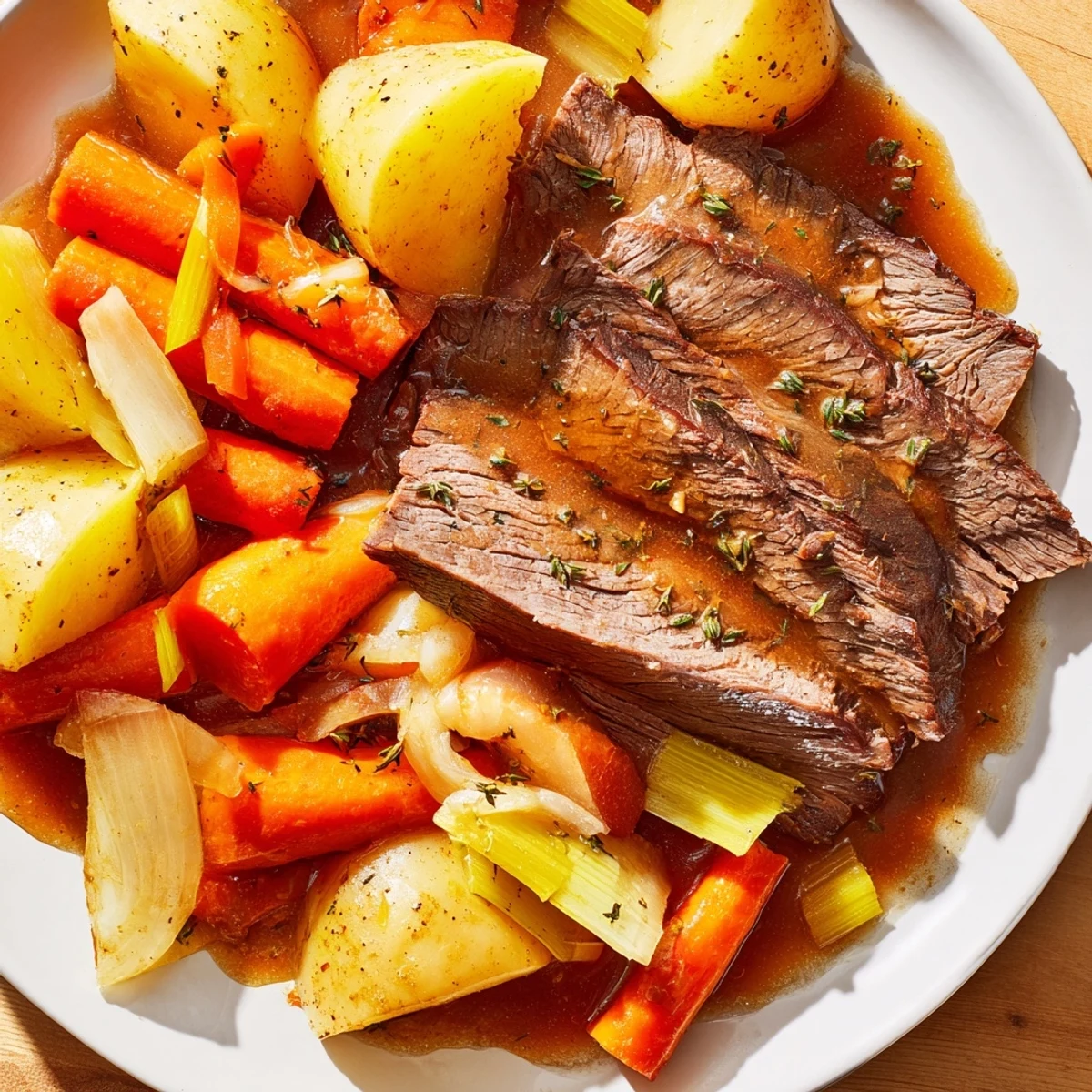
 Season beef and place over vegetables in the slow cooker. Add broth, herbs, and Worcestershire sauce. Let it cook on low for eight hours until tender. Thicken the cooking liquid with cornstarch for a rich gravy to serve over the meat and veggies.
There's something magical about coming home to the smell of a pot roast that's been slowly cooking all day—it fills every corner of the house with warmth before you even step into the kitchen. My mom used to start hers in the morning, and by dinner time, the whole neighborhood practically knew what we were having. I learned that the secret isn't fancy technique or exotic ingredients; it's just time, heat, and letting good things happen on their own. Now I make this whenever I want that same comfort, that same sense that everything will be okay when dinner hits the table.
I made this for my partner on a cold January evening when we'd both had rough weeks, and something shifted when that first bite happened—suddenly everything felt lighter. We sat there in comfortable silence, just eating, and I realized that pot roast isn't really about the meat or the vegetables; it's about giving yourself permission to slow down and nourish the people you care about.
Ingredients
- Beef chuck roast (3 lb): Chuck is the workhorse of pot roasts because it has just enough marbling to stay juicy through those long hours in the slow cooker, and it actually gets more tender as it cooks, not drier.
- Carrots (4 large), potatoes (3 medium), celery (2 stalks), onion (1 large), garlic (4 cloves): These aren't just flavor props—they break down slightly into the braising liquid and create a natural bed for the roast to rest on, plus they're delicious to eat.
- Beef broth (2 cups) and Worcestershire sauce (2 tbsp): The broth becomes your cooking medium, and the Worcestershire adds that savory depth that makes people ask what your secret ingredient is.
- Dried thyme and rosemary (1 tsp each), bay leaves (2), salt (1 tsp), black pepper (1/2 tsp): These quiet herbs do all the heavy lifting in terms of flavor; don't skip them or use fresh herbs, which lose their punch during long cooking.
- Cornstarch or all-purpose flour (2 tbsp) and cold water (3 tbsp): This simple slurry transforms the cooking liquid into a luxurious gravy without needing butter or cream.
Instructions
- Season your roast generously:
- Pat the beef dry with paper towels, then coat all sides with salt and pepper—this is your first chance to build flavor, so don't be shy. It might feel like a lot, but trust that most of it will cling to the meat.
- Sear it if you have time (optional but worth it):
- Heat a skillet over medium-high heat with a bit of oil, then lay the roast in carefully and let it sit for 4-5 minutes per side until you hear it sizzle and develop a golden-brown crust. This step adds a layer of flavor through browning, though honestly, a raw roast works too if you're short on time.
- Build your vegetable base:
- Chop your carrots into chunky pieces (they'll soften significantly), cut potatoes into quarters so they don't disappear, slice the celery, and cut the onion into wedges—size matters here because you want them to maintain some structure. Mince the garlic fine so it distributes evenly throughout the cooking liquid.
- Layer everything in the slow cooker:
- Spread all your vegetables on the bottom first, then nestle the roast on top—the vegetables act as a natural rack, keeping the meat from sitting directly on the heat. This prevents the bottom from overcooking while the rest catches up.
- Pour in your liquids and seasonings:
- Mix the beef broth and Worcestershire sauce, then pour it over everything. Sprinkle the thyme, rosemary, and cracked black pepper directly over the roast, then tuck the bay leaves in somewhere they'll infuse the liquid but won't end up in anyone's mouth.
- Let time do the work:
- Cover and cook on low for 8 hours—high heat will make the meat tough and stringy, so resist the urge to rush. You're not cooking it; you're teaching it to become tender through patience.
- Finish strong with the gravy:
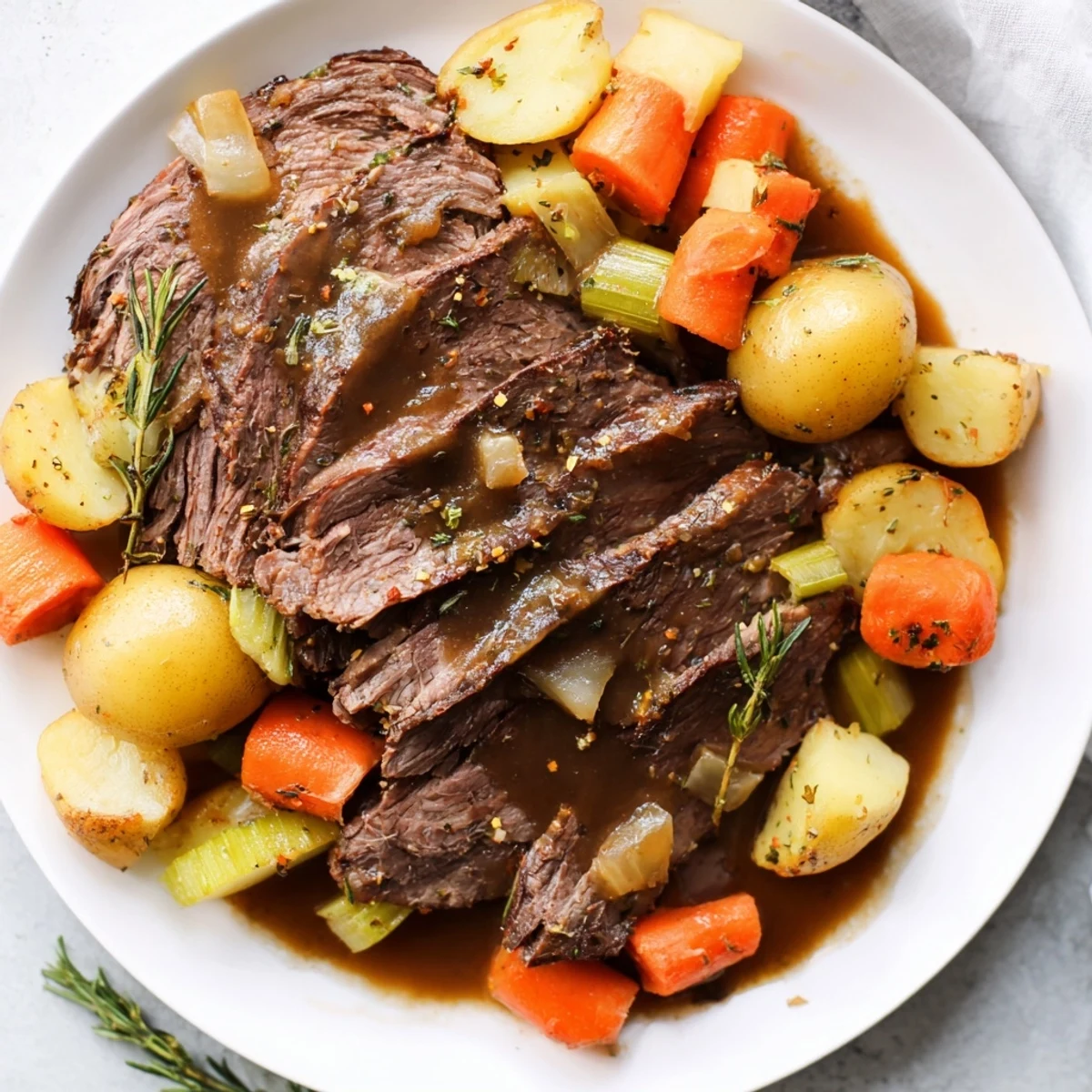
- Transfer the roast and vegetables to a serving platter, fish out those bay leaves, then strain the cooking liquid into a saucepan. In a small bowl, whisk your cornstarch or flour with cold water until completely smooth (lumps will ruin the gravy), then stir it into the simmering liquid and whisk gently for 3-5 minutes until it thickens and loses that raw starch taste.
 Save to Pinterest
 I'll never forget the first time my daughter helped me make this, and she realized that the potato she'd chopped was now soft enough to cut with a spoon—her eyes lit up like she'd witnessed actual magic. That's when I understood why my mom made pot roast so often; it's not just food, it's a quiet lesson that good things are worth waiting for.
Making It Your Own
This recipe is forgiving enough to bend without breaking. If you want deeper flavor, add a cup of red wine along with the broth—it adds a subtle richness that lingers in the gravy. Swap out the potatoes for parsnips if you want something a bit earthier, or throw in sweet potatoes if you're in the mood for something slightly sweet.
Leftovers and Storage
Cold pot roast shredded onto bread with a little of that gravy is honestly better than the original meal—something about sitting overnight lets all those flavors meld into something even more satisfying. The whole thing keeps in the fridge for three days, and it freezes beautifully for up to three months if you pack it in a flat container.
The Slow Cooker Secret
The slow cooker is one of those tools that looks simple but actually teaches you something important: not everything needs heat and speed to be good. Low and slow means the collagen in the tough chuck roast breaks down into gelatin, which is what gives you that silky, luxurious texture that falls apart at the touch of a fork.
- Don't use a roast smaller than 3 pounds or it'll dry out before reaching the tender stage.
- If your slow cooker runs hot, check the roast at the 7-hour mark rather than waiting the full 8.
- Leftovers actually taste better the next day as flavors continue to develop in the fridge.
 Save to Pinterest
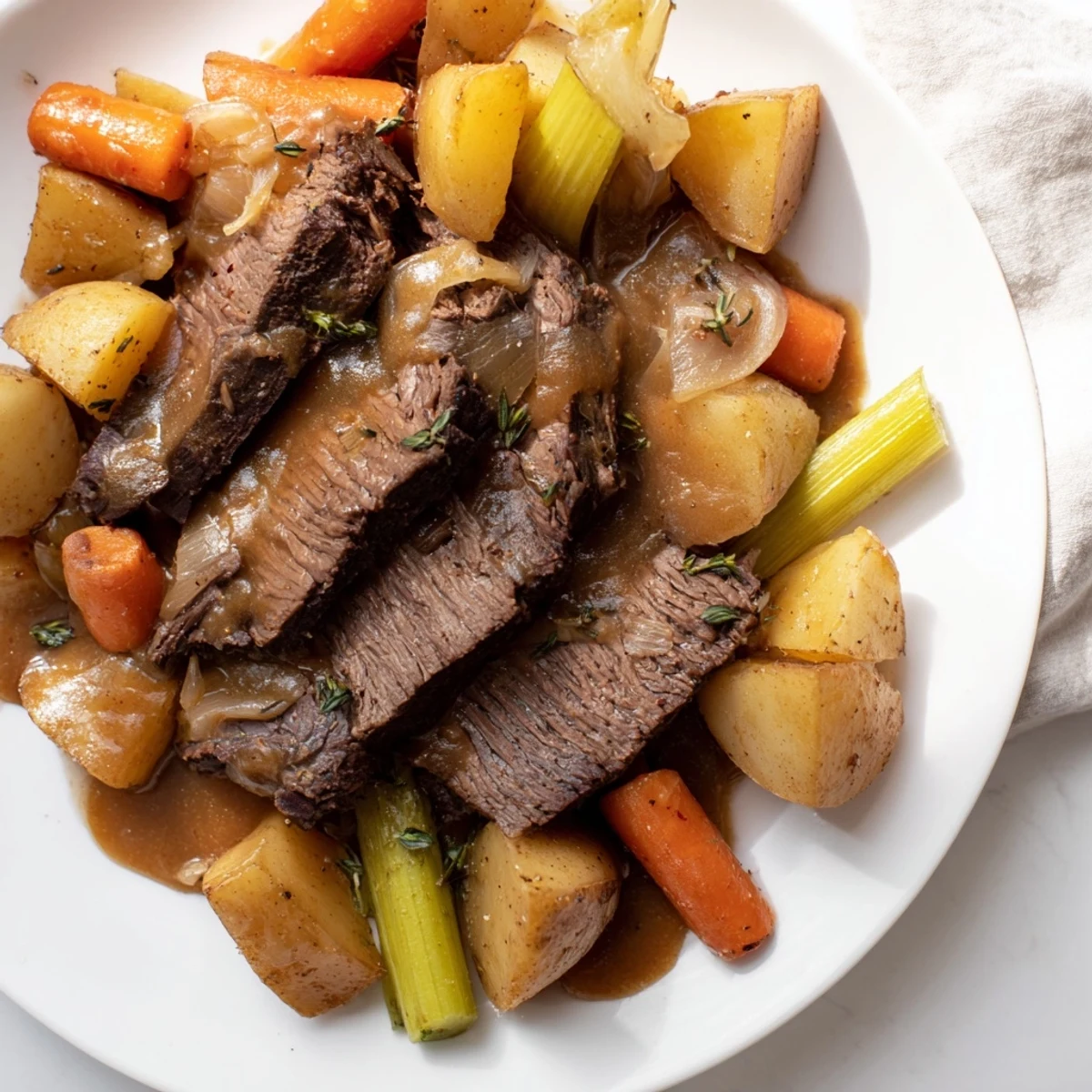
 A good pot roast is an anchor recipe, the kind you come back to when you need comfort or want to feed people you love without overthinking it. Once you've made it a few times, you'll stop following the recipe and just know, which is exactly when cooking stops being a chore and becomes something you actually look forward to.
Questions & Answers About the Recipe
- → Do I need to sear the meat first?
-
Searing is optional but recommended to create a deep, rich flavor and better texture on the outside of the roast.
- → What vegetables work best?
-
Hardy root vegetables like carrots, potatoes, and celery are ideal because they hold their texture during the long cooking process.
- → How do I thicken the gravy?
-
Strain the juices into a saucepan, whisk cornstarch or flour with cold water, and simmer the mixture until it reaches the desired consistency.
- → Can I cook on high heat?
-
Yes, you can cook on high for approximately 4-5 hours, though low heat for 8 hours typically results in more tender meat.
- → Is this suitable for meal prep?
-
Yes, leftovers store well in the refrigerator for several days and can be frozen for future meals.