
 Save to Pinterest
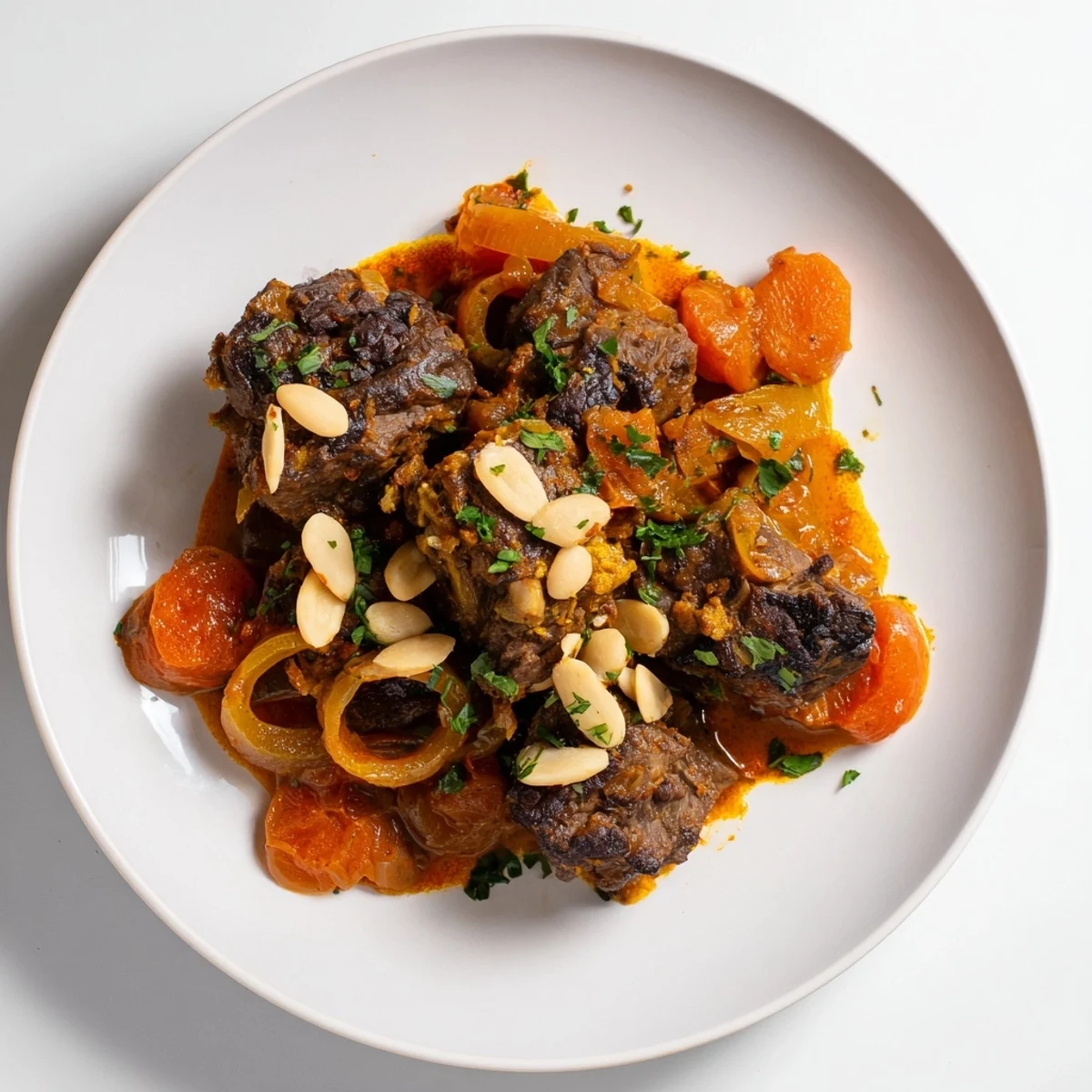
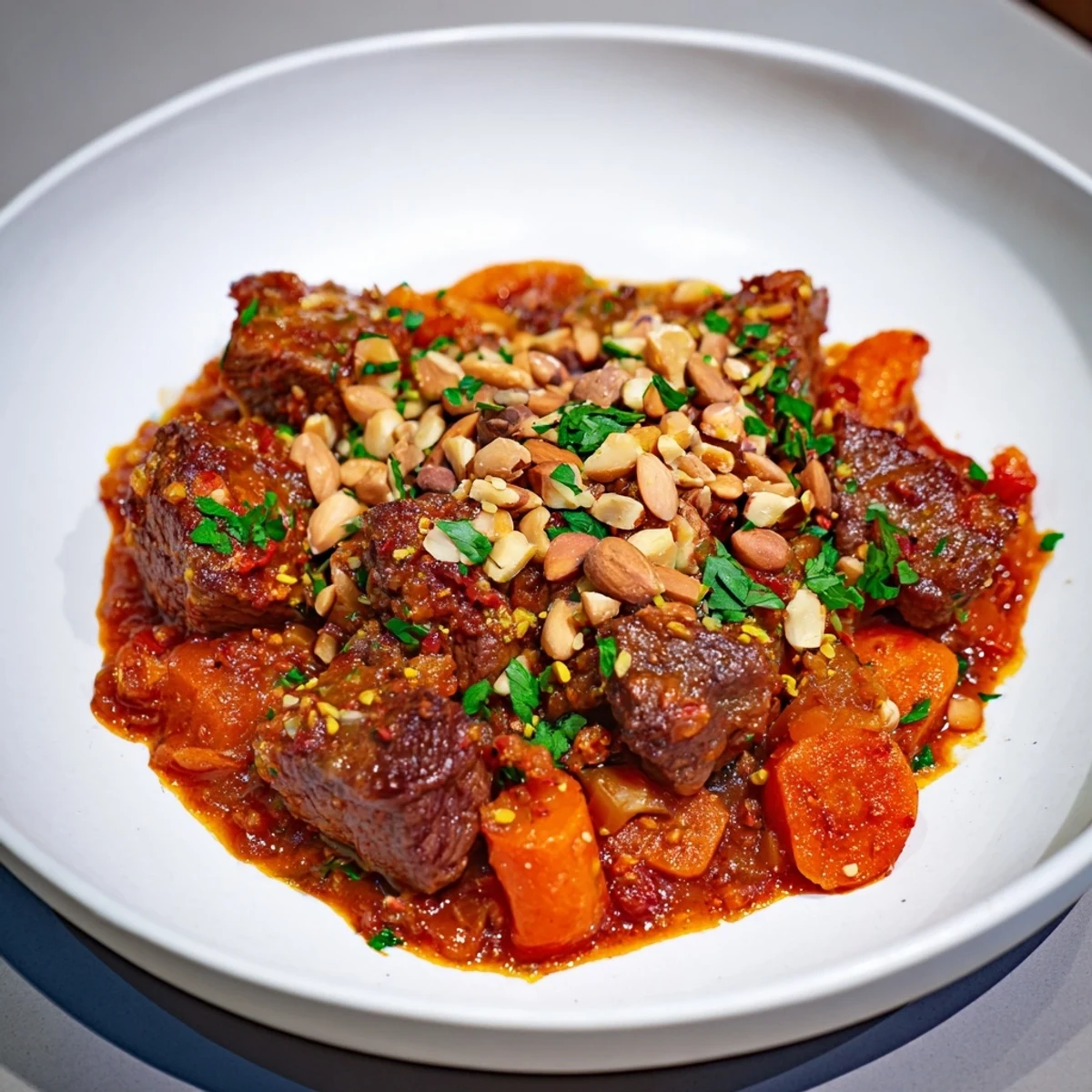
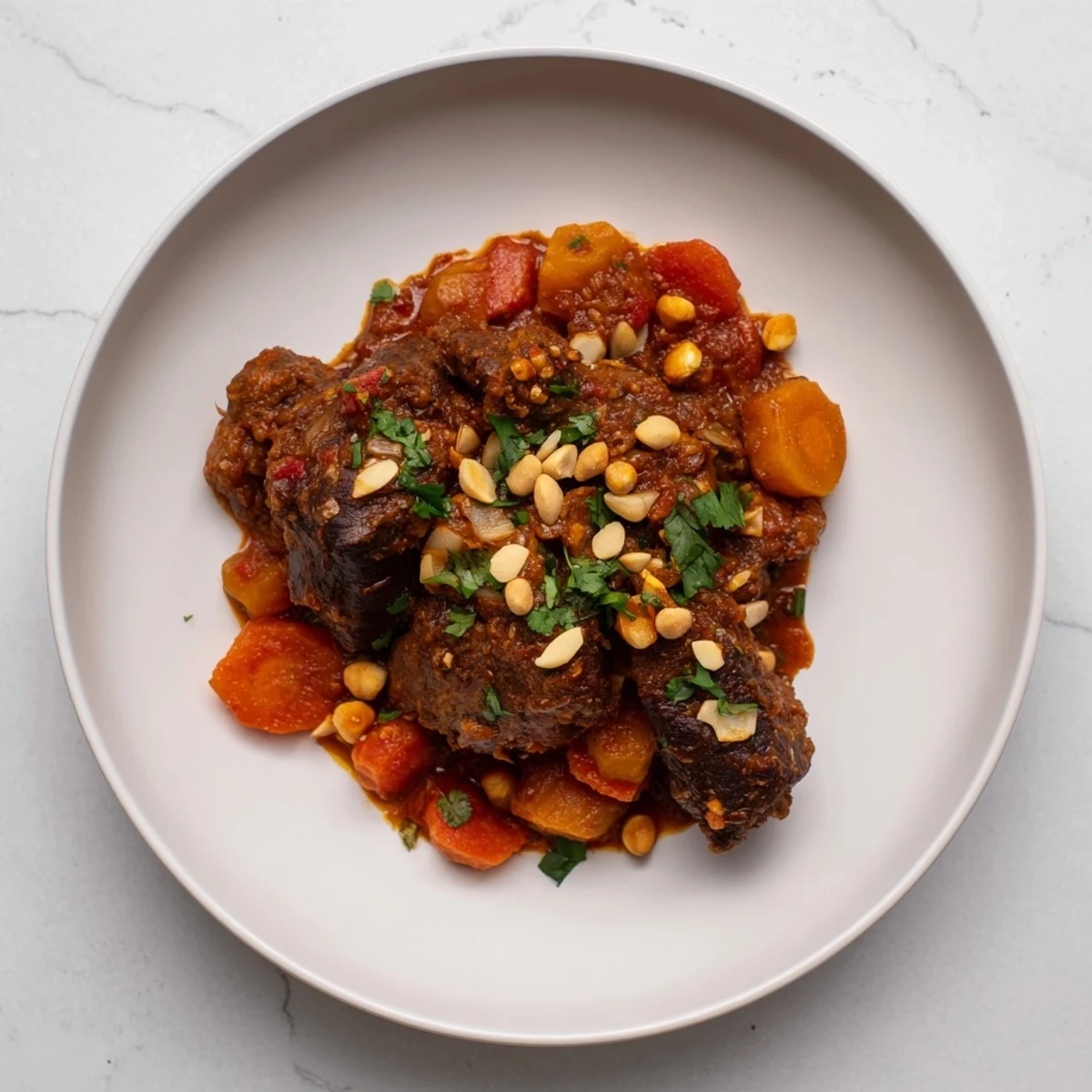
 This slow-cooked lamb tagine celebrates tender lamb simmered with a blend of warm Moroccan spices, dried apricots, raisins, and toasted almonds. Aromatics like garlic, onions, and carrots build a flavorful base, enhanced by the sweetness of honey and lemon zest. The long, gentle cooking tenderizes the meat and thickens the sauce, creating a rich, comforting dish full of complex layers. Garnished with fresh coriander or parsley, it's ideally served with couscous or warm flatbread, delivering a hearty and aromatic experience typical of Moroccan cuisine.
I'll never forget the first time I made this Moroccan lamb tagine—it was on a cold winter evening when I wanted to transport myself somewhere warm and exotic without leaving my kitchen. A friend had just returned from Marrakech with stories of bustling medinas and the most incredible aromas drifting from family homes, and I became obsessed with recreating that magic. This dish, with its tender lamb, jewel-like dried fruits, and spices that seem to whisper secrets of North African markets, became my love letter to that far-off place. Now, whenever I make it, my kitchen fills with that same intoxicating warmth, and suddenly everyone wants to know what smells so incredible.
I remember serving this to my partner's parents on our second dinner together, terrified they'd think I was trying too hard or, worse, that it wouldn't turn out right. When they each took that first spoonful and their eyes lit up with genuine delight, I knew this recipe had become a keeper. Now it's become our go-to comfort food when we need something that feels both nurturing and a little adventurous.
Ingredients
- 1.2 kg (2.5 lbs) lamb shoulder, cut into 5 cm (2 inch) cubes: This is the heart of your tagine—shoulder has just enough fat to stay moist during the long braise, and those big cubes won't fall apart. I learned to cut them generous because they shrink considerably, and you want substantial pieces that feel satisfying, not tiny bits that disappear into the sauce.
- 2 medium onions, finely chopped: These dissolve into the base of your sauce and create body and sweetness. Don't skip this step or rush it—they're doing important work.
- 3 garlic cloves, minced: Mince them small so they distribute evenly and add that gentle garlic backbone without overwhelming the spices.
- 2 medium carrots, sliced: They add natural sweetness and texture, and they look beautiful in the final dish too.
- 2 tsp ground cumin: This is where the earthiness comes from—it's warm and slightly nutty and absolutely essential to the Moroccan character.
- 2 tsp ground coriander: It brightens everything and adds a subtle citrus note that balances the sweetness.
- 1 ½ tsp ground cinnamon: This might seem like a lot, but trust it—cinnamon and lamb are made for each other, and it's what gives this dish its distinctive flavor.
- 1 ½ tsp ground ginger: Fresh warmth that ties everything together. Don't use fresh ginger here; the powder is what you need.
- 1 tsp paprika: Just a touch for color and a whisper of smoke.
- ½ tsp ground turmeric: It adds earthiness and that beautiful golden hue, plus it's good for you too.
- ½ tsp cayenne pepper (optional, for heat): Only add this if you want gentle heat—this dish isn't about fire, it's about complexity.
- 1 tsp salt and ½ tsp black pepper: Always taste at the end; you might need a little more salt depending on your stock.
- 400 g (14 oz) canned chopped tomatoes: They add acidity and body. San Marzano are lovely if you have them, but any good quality will work.
- 500 ml (2 cups) lamb or beef stock (gluten-free if needed): This is your braising liquid, so use something you'd actually taste in soup. Don't reach for the weak stuff.
- 100 g (⅔ cup) dried apricots, halved: They plump up beautifully and add that signature sweet-savory note. Halving them lets them distribute better throughout the pot.
- 50 g (⅓ cup) golden raisins: Smaller and more delicate than regular raisins, they dissolve slightly and add concentrated sweetness without being cloying.
- 50 g (⅓ cup) blanched almonds, toasted: Toasting them yourself makes all the difference—they add crunch and nutty richness that store-bought toasted ones often lack.
- 2 tbsp olive oil: Good olive oil makes a difference here since you're browning the lamb in it. Use something you like the taste of.
- 2 tbsp honey: It rounds out the flavors and adds subtle sweetness. I prefer something with character, like acacia or orange blossom.
- Zest of 1 lemon: This brightens everything at the end—don't skip it. The acidity cuts through the richness beautifully.
- Fresh coriander or parsley, chopped, for garnish: Coriander is more traditional and tastes more Moroccan to me, but parsley works if that's what you have. It needs to be fresh and added right before serving.
Instructions
- Brown your lamb until it's deeply golden:
- Heat your oil in a large heavy pot (a real tagine is traditional, but a Dutch oven works beautifully) over medium-high heat. You want it hot enough that the meat sizzles immediately when it touches the surface. Work in batches—don't crowd the pot—and let each piece sit undisturbed for a few minutes before moving it. This is where flavor lives. The golden crust on the lamb is everything; it only takes a few minutes per batch, but it's worth the time. Set each piece on a plate as it's done, and don't wash the pot yet—those browned bits are liquid gold.
- Build your flavor base with vegetables and spices:
- Turn the heat down to medium and add your chopped onions and carrots right to that same pot. Let them cook for about 5 minutes, stirring occasionally, until they start to soften and pick up some of those lovely browned bits. Now comes the moment where everything smells absolutely incredible: add your minced garlic and all those spices at once. Stir constantly for about a minute—you want to wake them all up and let them get fragrant, but not so long that they start to burn. You should smell cumin, cinnamon, and warm spices filling your kitchen.
- Bring everything together in the braise:
- Return your lamb to the pot, nestling it back in with the vegetables and spices. Pour in your tomatoes, stock, honey, and lemon zest. Give it a good stir so everything is evenly distributed and the lamb is mostly covered by liquid. Bring it to a gentle simmer—you want little bubbles breaking the surface, not a rolling boil. This matters because a gentle simmer will give you tender lamb; a hard boil will toughen it.
- Let time do the work:
- Cover your pot and reduce the heat to low. This is where patience becomes your greatest ingredient. Let it cook undisturbed for about an hour and a half, stirring every so often just to make sure nothing's sticking to the bottom. The kitchen will smell increasingly amazing, and the lamb will gradually become more and more tender. You'll know it's almost ready when you can easily break a piece of lamb apart with a wooden spoon.
- Add the dried fruits and finish:
- After the first hour and a half, add your apricots and raisins to the pot. They'll plump up as they cook and release their sweetness into the sauce. Give everything a good stir, cover again, and simmer for another 30 minutes or so. The sauce should be starting to thicken now, clinging to the lamb and vegetables. If it's still very watery, you can uncover it for the last 15 minutes to let it reduce.
- Finish with almonds and final seasoning:
- Stir in your toasted almonds and taste the tagine. Add a pinch more salt if it needs it—the flavors should be vibrant and balanced, not muted. The sweetness of the fruits should be noticeable but not overwhelming, and the spices should be warm and complex, not harsh.
- Serve with joy:
- Transfer to a serving dish and generously shower it with fresh coriander or parsley. Serve with fluffy couscous, steamed rice, or warm flatbread to soak up that incredible sauce. This is a dish meant to be lingered over, shared, and savored.
 Save to Pinterest
 There's a moment that happens every time I make this—usually right when I'm adding those golden raisins and apricots, when the steam rises up and fills the kitchen with that incredible spice-sweet aroma—when I remember why I fell in love with this recipe. It's not just about feeding people; it's about creating a memory, about giving someone a warm, complex, nourishing experience that they'll think about long after the meal is over.
Choosing Your Lamb Wisely
The quality of your lamb really does matter here. I've made this with supermarket lamb shoulder and with lamb from a butcher who actually knows their animals, and there's a noticeable difference. Good lamb has a deeper, meatier flavor that stands up beautifully to these bold spices. Ask your butcher to cut the shoulder into chunks for you if they can—it saves time and ensures even pieces. If you're buying pre-cut lamb, check that the pieces aren't too small. You want substantial cubes that will stay intact through the long cooking process.
The Magic of Slow Cooking
This is a recipe that rewards patience. I know we live in a fast world, but the two hours of gentle simmering is what transforms tough lamb shoulder into something so tender it practically dissolves. The spices slowly infuse into every fiber of the meat, and the sauce gradually thickens and deepens. You can't really rush this or turn up the heat to speed it along—you'll just end up with tough, stringy meat and a thin, watery sauce. The slowness isn't a drawback; it's the whole point. Use this time to tidy your kitchen, read a book, or just sit with a cup of tea and let your home fill with those gorgeous Moroccan aromas.
Serving and Storing with Heart
This tagine is one of those dishes that's actually better the next day—the flavors meld together overnight and become more cohesive and complex. I love making it a day ahead, letting it cool, and reheating it gently the next evening. It freezes beautifully too, up to three months, so if you're making it anyway, consider doubling the batch. Serve it in shallow bowls with a generous portion of couscous or rice, making sure everyone gets plenty of sauce. That sauce is liquid gold and shouldn't be wasted.
- Store leftovers in an airtight container in the refrigerator for up to four days, and always reheat gently over low heat so the meat doesn't toughen
- If you want to make this ahead, prepare everything through step 4, cool it, refrigerate it, and finish cooking the next day—it actually develops more flavor this way
- Frozen tagine should be thawed in the refrigerator overnight before reheating, and it's best used within three months for the best flavor
 Save to Pinterest
 Making this Moroccan lamb tagine is like having a tiny adventure in your kitchen. It's become one of my favorite dishes to make for people I love because it says something—that I care enough to spend time and thoughtfulness, that I trust them with something genuine and warm.
Questions & Answers About the Recipe
- → What cut of lamb works best?
-
Lamb shoulder is ideal due to its marbling and tenderness when slow-cooked, resulting in juicy, flavorful meat.
- → Can I adjust the sweetness in the dish?
-
Yes, you can vary dried fruits like apricots or figs and adjust honey amounts to balance sweetness to your taste.
- → Is a tagine necessary for cooking?
-
A heavy-bottomed pot can be used as an alternative; the key is slow, gentle simmering for tender results.
- → How do the spices contribute to the flavor?
-
The combination of cumin, coriander, cinnamon, and ginger creates a warm, aromatic profile typical of Moroccan cuisine.
- → What side dishes complement this dish?
-
Steamed couscous, rice, or warm flatbread are classic accompaniments that absorb the rich sauce beautifully.
- → Can this dish be made gluten-free?
-
Yes, ensure the stock used is certified gluten-free and serve with gluten-free sides if needed.