
 Save to Pinterest
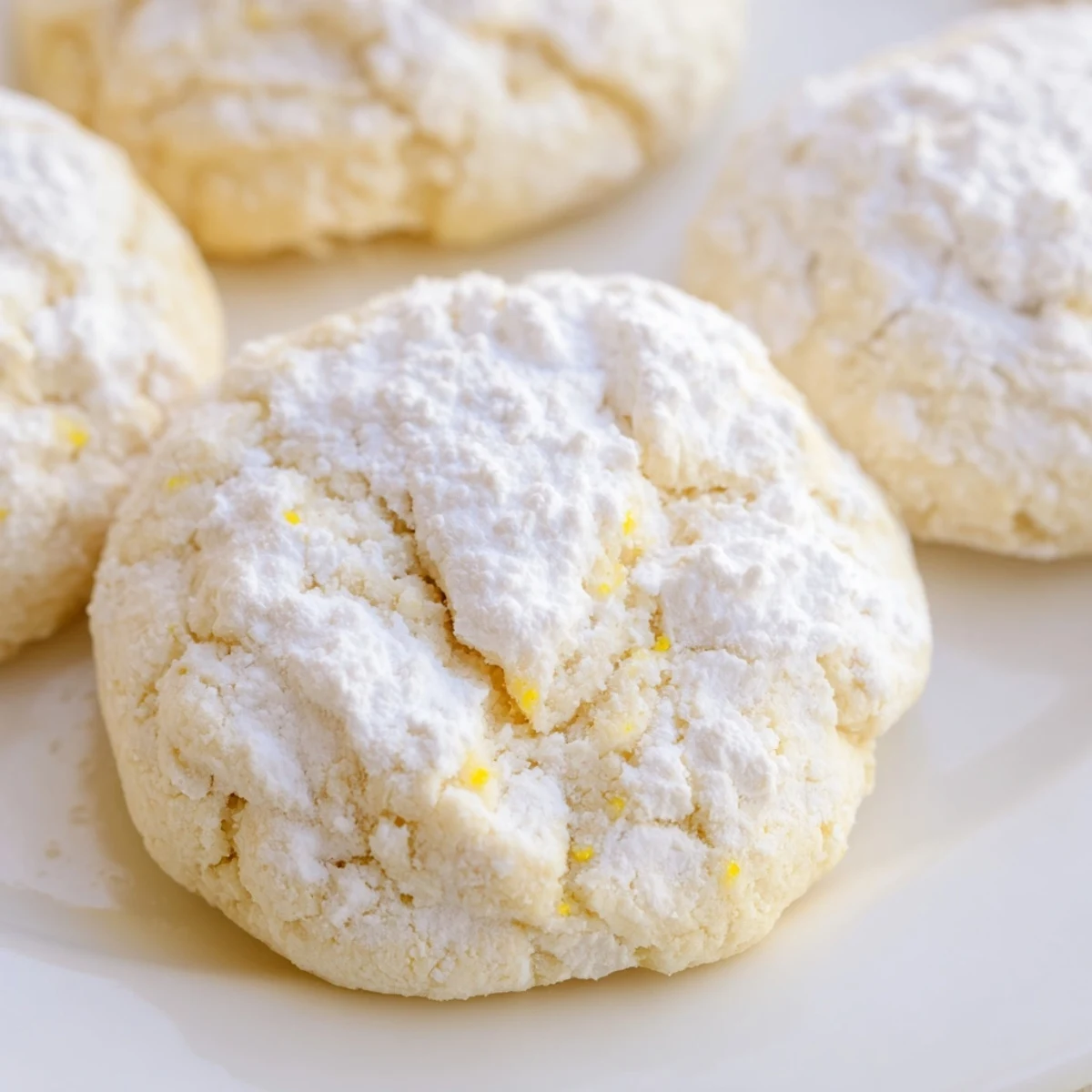
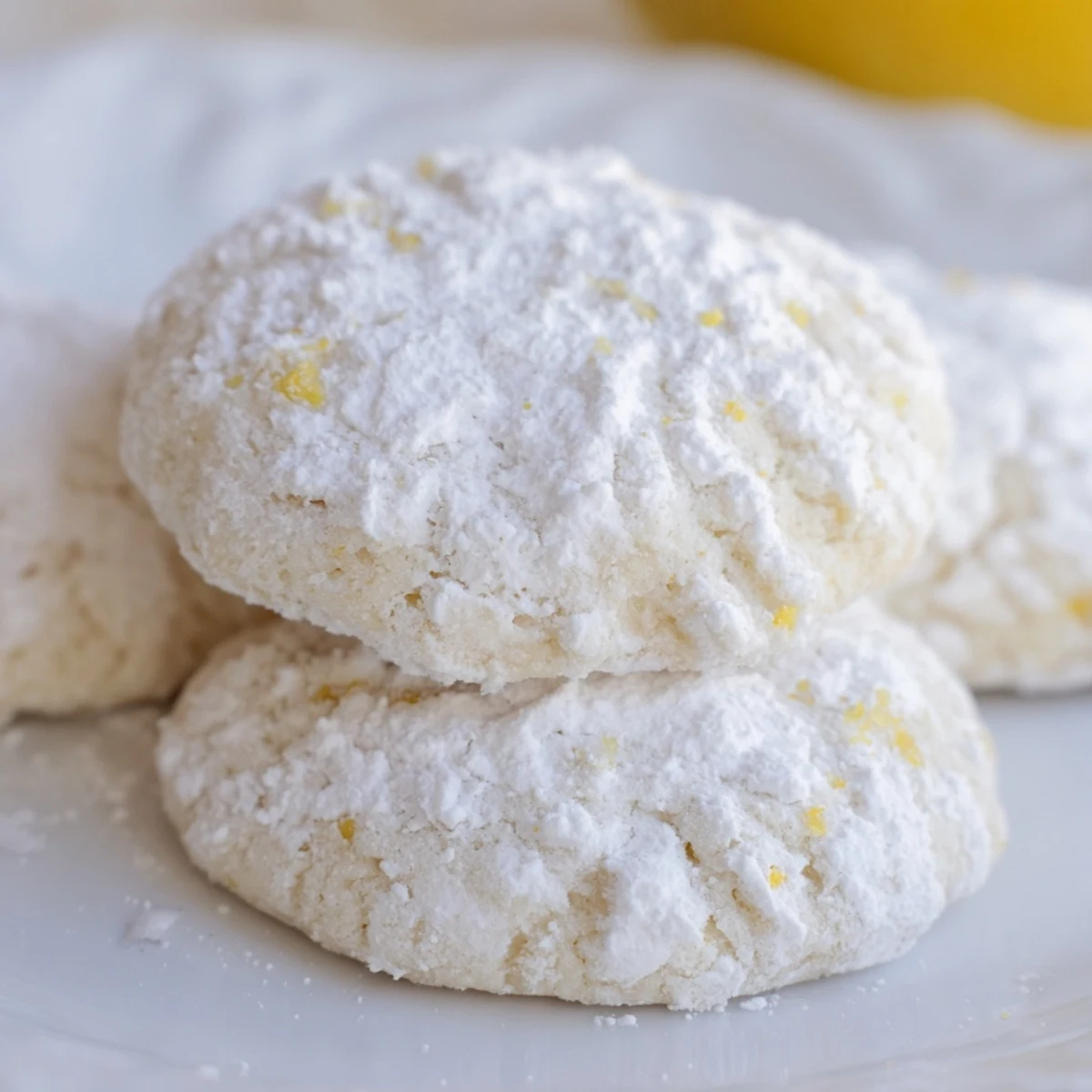
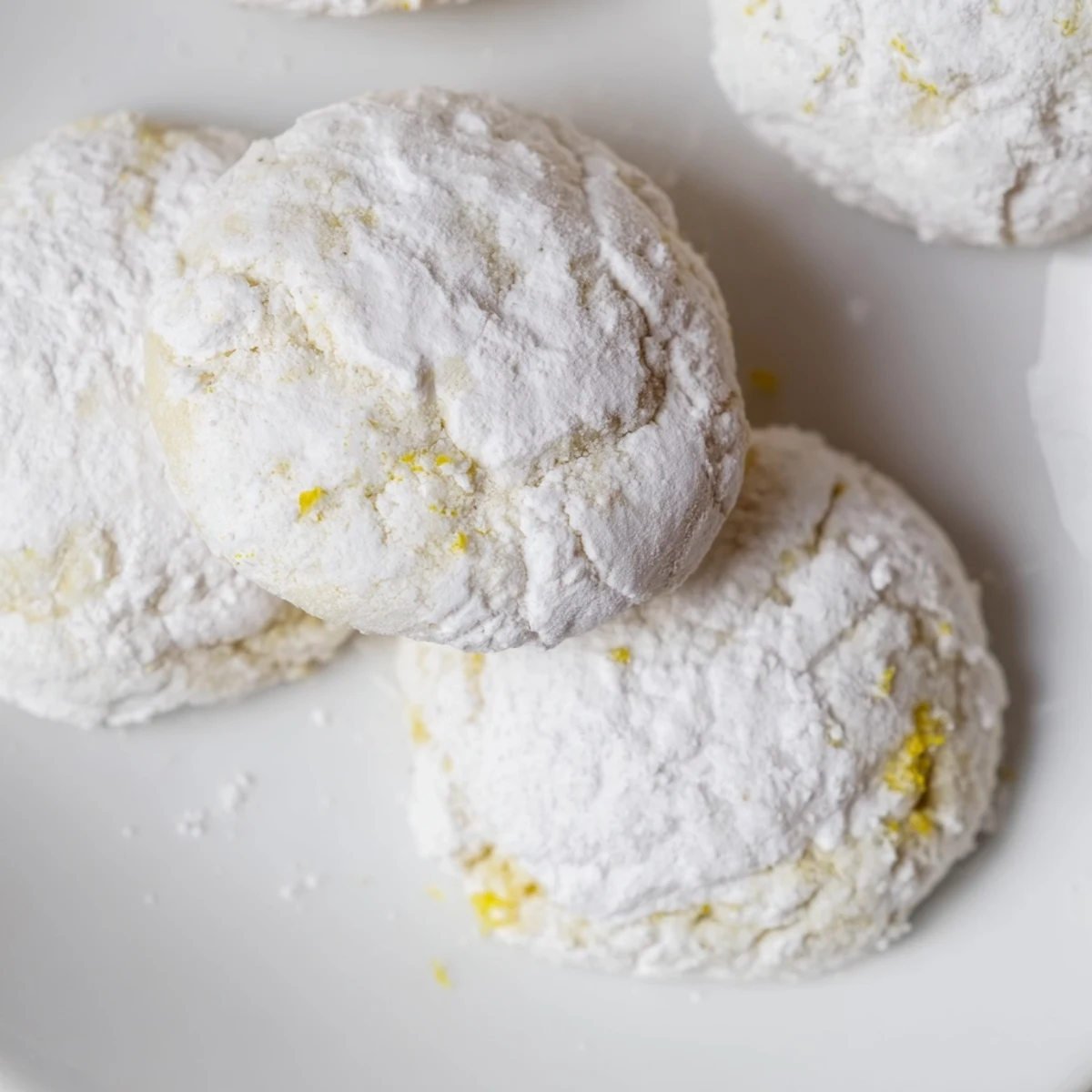
 These delicate lemon pixie cookies combine fresh citrus flavor with a irresistibly soft, chewy texture. The dough comes together quickly with basic pantry staples, while fresh lemon juice and zest provide bright tanginess. Each cookie gets rolled in powdered sugar before baking, creating a sweet crackling coating that contrasts beautifully with the tart lemon interior.
Perfect for afternoon tea, school lunches, or whenever you crave something sweet yet refreshing. The cookies store well for several days and actually develop deeper lemon flavor as they sit.
The kitchen smelled like summer even though snow was piled against the window. I had three lemons sitting on the counter and no real plan beyond wanting something bright to cut through a grey January afternoon. These lemon pixie cookies were born from that restless impulse, and they have been showing up at my table ever since.
I brought a tin of these to my neighbors holiday potluck and watched a quiet corner of the dessert table become the most visited spot in the room. Something about that citrus punch wrapped in a soft, chewy bite makes them disappear fast.
Ingredients
- 2 cups all-purpose flour: The backbone of the dough and spooning it into the cup then leveling with a knife gives the most consistent results.
- 1 1/2 teaspoons baking powder: Just enough lift to keep these tender without turning them into cakey domes.
- 1/4 teaspoon salt: A small pinch that wakes up every bit of lemon flavor hiding in the dough.
- 1/2 cup unsalted butter, softened: Leave it on the counter for an hour so it creams smoothly without melting into a puddle.
- 1 cup granulated sugar: Standard white sugar works best here because it dissolves evenly into the butter during creaming.
- 2 large eggs: Added one at a time so the batter stays emulsified and silky.
- 2 tablespoons fresh lemon juice: Bottled juice tastes flat and metallic beside the real thing, so squeeze it fresh.
- 1 tablespoon lemon zest: This is where most of the floral citrus aroma lives, so zest before you juice.
- 1 teaspoon vanilla extract: A warm background note that rounds out the sharp edges of the lemon.
- 1/2 cup powdered sugar for rolling: Creates that signature crinkled coating and a slight sweetness on the outside.
Instructions
- Preheat and prepare:
- Set your oven to 350 degrees F and line two baking sheets with parchment paper so nothing sticks and cleanup is effortless.
- Whisk the dry ingredients:
- In a medium bowl, whisk the flour, baking powder, and salt together until evenly blended, then set it aside.
- Cream butter and sugar:
- Beat the softened butter and granulated sugar in a large bowl until the mixture turns pale, fluffy, and almost cloudlike.
- Add the wet ingredients:
- Drop in one egg at a time, beating after each, then stir in the lemon juice, zest, and vanilla until everything smells like a lemon grove.
- Bring the dough together:
- Pour the dry ingredients into the wet in two or three additions, mixing gently until the last streak of flour disappears.
- Shape and coat:
- Scoop tablespoon sized portions and roll them between your palms into neat balls, then tumble each one through the powdered sugar until fully coated.
- Arrange on sheets:
- Place the dough balls about two inches apart on the lined sheets so they have room to spread into perfect little rounds.
- Bake:
- Slide them into the oven for 10 to 12 minutes until the edges look set but the centers still look soft and slightly underdone.
- Cool completely:
- Let the cookies rest on the hot sheets for five minutes, then move them to a wire rack because patience here rewards you with the ideal chewy center.
 Save to Pinterest
 A friend tucked one of these cookies into her purse at a dinner party and texted me the next morning that it was the best thing she ate all week. That tiny moment meant more than any compliment shouted across a crowded kitchen.
Storing Your Cookies
An airtight container at room temperature keeps them soft and chewy for up to five days, though honestly they rarely last that long in my house. Layering parchment between rows prevents the powdered sugar from smudging onto neighboring cookies.
Pairing Suggestions
Earl grey tea is my favorite companion because its bergamot notes echo the lemon beautifully and the warmth of the brew melts the cookie slightly on your tongue. A cold glass of milk works too, especially if you are eating them standing over the sink at midnight.
Tools That Make It Easier
A hand mixer handles the creaming step quickly, but a whisk and some elbow grease work just fine if that is all you have. The only nonnegotiable is parchment paper because it guarantees an easy release every single time.
- A small cookie scoop keeps portions uniform so everything bakes at the same rate.
- Wire racks are worth owning because airflow underneath prevents soggy bottoms.
- Always zest your lemon before juicing it since a hollowed out lemon is frustrating to grate.
 Save to Pinterest
 These little cookies carry sunshine in every bite and ask almost nothing of you in return. Share them freely, hide a few for yourself, and let lemon do what it does best.
Questions & Answers About the Recipe
- → Why are my cookies spreading too much?
-
Ensure your butter is softened, not melted. Chill the dough for 15-20 minutes before rolling if your kitchen is warm. Also measure flour accurately by spooning it into measuring cups rather than dipping directly.
- → Can I use bottled lemon juice?
-
Fresh lemon juice provides the best flavor, but bottled juice works in a pinch. However, fresh zest is essential for that bright lemon essence since bottled juice lacks the aromatic oils found in the peel.
- → How do I know when they're done baking?
-
The edges should look set and slightly golden while centers remain soft. They'll firm up as they cool. Avoid overbaking or you'll lose that characteristic chewy texture.
- → Can I freeze the dough?
-
Yes, roll the dough into balls and freeze on a baking sheet. Once solid, transfer to a freezer bag. Roll in powdered sugar just before baking and add 1-2 minutes to the baking time.
- → What if I don't have parchment paper?
-
You can lightly grease baking sheets with butter or cooking spray. However, parchment paper prevents sticking and makes cleanup much easier, especially with these sugared cookies.