
 Save to Pinterest
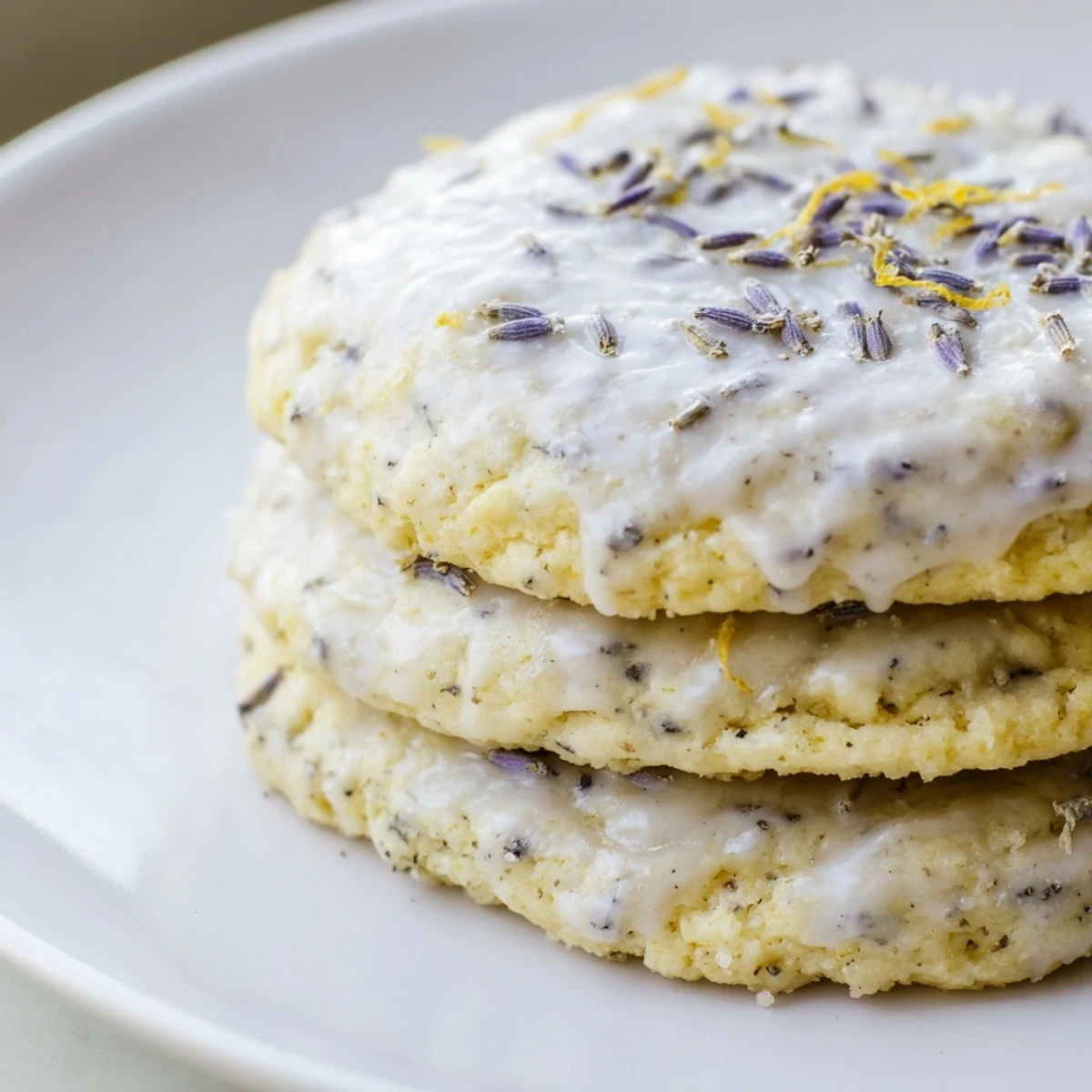
 These delicate lemon lavender cookies combine the bright, zesty flavor of fresh lemon with the aromatic floral notes of dried lavender. The result is a sophisticated yet approachable treat that feels special enough for serving guests but simple enough for everyday baking. Each bite offers a tender crumb with subtle citrus perfume and gentle floral undertones that pair beautifully with hot tea or afternoon coffee. The straightforward dough comes together quickly and bakes in just over 30 minutes, making these an excellent choice for last-minute entertaining or thoughtful homemade gifting.
I stumbled onto these cookies during what I call my experimental baking phase, where every recipe became a canvas for unexpected flavors. The lavender sat in my pantry for months after a friend gifted it from her garden, taunting me with its possibilities. One rainy Sunday, I decided it was time to stop wondering and start baking, pairing it with lemon on a hunch that floral and citrus would dance beautifully together.
My neighbor Helen stopped by while the first batch was cooling, her nose practically leading her through the door before she even knocked. She took one bite, closed her eyes, and told me about summers at her grandmothers farm where wild lavender grew along the fence line. Now every time I make these, I think of Helen, of stories we all carry that smell like home.
Ingredients
- 2 cups all-purpose flour: The foundation that gives these cookies their tender crumb, dont pack it down when measuring
- 1/2 teaspoon baking powder: Just enough lift to make them light without losing that satisfying density
- 1/4 teaspoon salt: The unsung hero that wakes up all the other flavors
- 1 tablespoon dried culinary lavender: This is non-negotiable, garden lavender can be too perfumed, buy the stuff meant for eating
- Zest of 2 lemons: Use a microplane and really get into the yellow, avoiding the bitter pith underneath
- 3/4 cup unsalted butter, softened: Leave it out for exactly 30 minutes, not longer, not shorter
- 1 cup granulated sugar: Cream this thoroughly with the butter, those air pockets are what make cookies tender
- 1 large egg: Room temperature eggs incorporate better than cold ones straight from the fridge
- 1 teaspoon vanilla extract: Pure extract only, your patience deserves the real thing
- 2 tablespoons fresh lemon juice: Squeeze it right before you need it, that bright acidity starts fading the moment it hits the air
Instructions
- Get your oven ready:
- Preheat to 350°F and line your baking sheets with parchment paper, trust me, cleanup will thank you later
- Mix the dry foundation:
- Whisk flour, baking powder, and salt in a medium bowl, set this aside and move on
- Wake up the lavender:
- Using a mortar and pestle or spice grinder, crush the dried lavender with lemon zest until you can smell the oils releasing, this tiny step transforms everything
- Build the butter base:
- Cream butter and sugar until light and fluffy, about 2 minutes, scraping down the bowl halfway through
- Add the wet ingredients:
- Beat in the egg, vanilla extract, and lemon juice until everything is speaking the same language
- Fold in the flowers:
- Mix in that lavender-lemon zest mixture, taking a moment to appreciate how incredible it smells
- Bring it together:
- Gradually add the dry ingredients, mixing until just incorporated, overworking now means tough cookies later
- Scoop and space:
- Drop tablespoon-sized balls onto prepared sheets, giving them 2 inches of breathing room to spread
- Bake to golden:
- Bake for 10 to 12 minutes until edges are lightly golden, theyll look slightly underdone in the center and thats perfect
- Let them rest:
- Cool on the baking sheet for 2 minutes before transferring to a wire rack, this patience prevents breakage
 Save to Pinterest
 Last spring, my daughter asked to help make them for her school bake sale, carefully crushing the lavender with such concentration I could barely breathe. They sold out in twenty minutes, and now every time she sees lavender growing somewhere, she grabs my hand and says remember our cookies.
The Glaze Decision
Sometimes I make a simple glaze whisking powdered sugar with just enough lemon juice to create something pourable but thick. Other times I leave them bare, letting the subtle flavors stand on their own without any sweetness competition. Both ways have their moments, and honestly, it depends on my mood and who Im baking for that day.
Making Them Yours
These cookies are remarkably forgiving when it comes to substitutions. A gluten-free flour blend works beautifully, and Ive even swapped half the all-purpose flour for almond flour for a nuttier variation. Just keep the ratios consistent and theyll turn out tender every single time.
Storage and Sharing
These cookies keep remarkably well in an airtight container, actually developing a deeper lavender flavor after a day or two. I often bake a double batch, tucking some away for myself and packing the rest into little boxes for friends who need a bright spot in their week. There is something about receiving handmade cookies that feels like receiving love itself.
- Freeze the unbaked dough balls on a baking sheet, then transfer to a bag for fresh cookies whenever the mood strikes
- Tuck a piece of bread in the container if storing for more than three days, it keeps them remarkably soft
- These ship beautifully wrapped in parchment and tucked into a tin with bubble wrap, arriving fresh even across the country
 Save to Pinterest
 Every batch feels like a small invitation to slow down, to notice how the simplest ingredients can create something that makes people close their eyes and smile. Thats magic right there.
Questions & Answers About the Recipe
- → Can I use fresh lavender instead of dried?
-
Stick with dried culinary lavender for best results. Fresh lavender contains too much moisture and can make the dough soggy, plus the flavor intensity varies dramatically. Dried lavender provides consistent floral notes without compromising the cookie texture.
- → How should I store these cookies?
-
Store cooled cookies in an airtight container at room temperature for up to 5 days. Place parchment paper between layers to prevent sticking. For longer storage, freeze unbaked dough balls for up to 3 months and bake fresh whenever desired.
- → What type of lemon works best?
-
Organic lemons are ideal since you're using the zest. Regular lemons work fine too—just wash thoroughly to remove any wax coating before zesting. Both Eureka and Meyer lemons provide excellent flavor, though Meyers yield a slightly sweeter, more subtle citrus profile.
- → Can I make these gluten-free?
-
Absolutely. Substitute an equal amount of cup-for-cup gluten-free flour blend for the all-purpose flour. The texture remains virtually identical, though you may notice slightly more spread during baking. Ensure your baking powder is certified gluten-free as well.
- → Why do I need to crush the lavender with the zest?
-
Crushing the dried lavender with lemon zest releases the essential oils from both ingredients, maximizing their fragrance and flavor distribution throughout the dough. This simple step intensifies the floral-citrus synergy and ensures every bite delivers the intended aromatic experience.
- → How do I know when they're done baking?
-
The cookies are ready when the edges turn lightly golden while the centers still appear slightly soft. They'll continue cooking on the hot baking sheet during those 2 minutes of cooling time. Overbaking yields dry cookies, so trust the visual cues and remove them promptly at 10-12 minutes.