
 Save to Pinterest
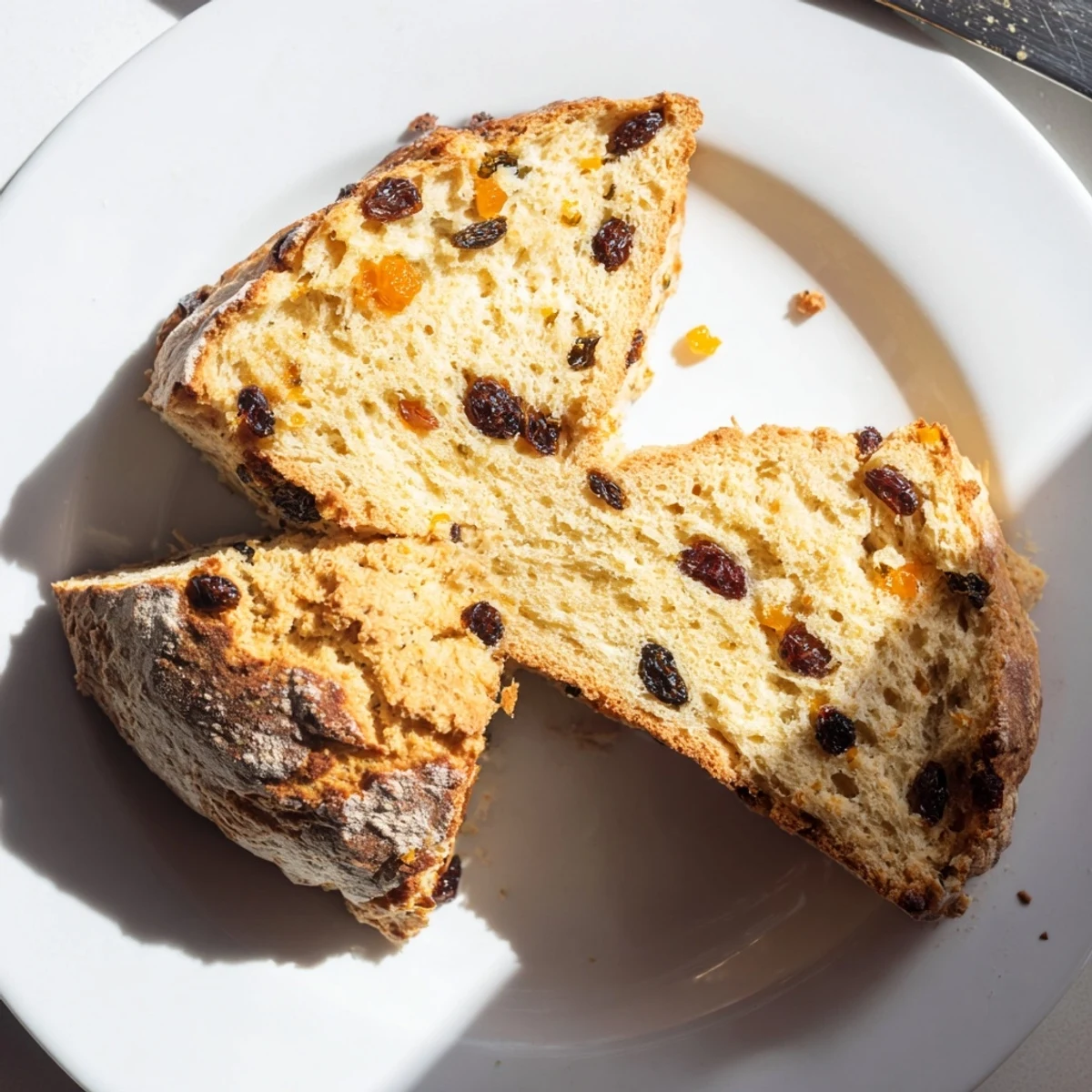
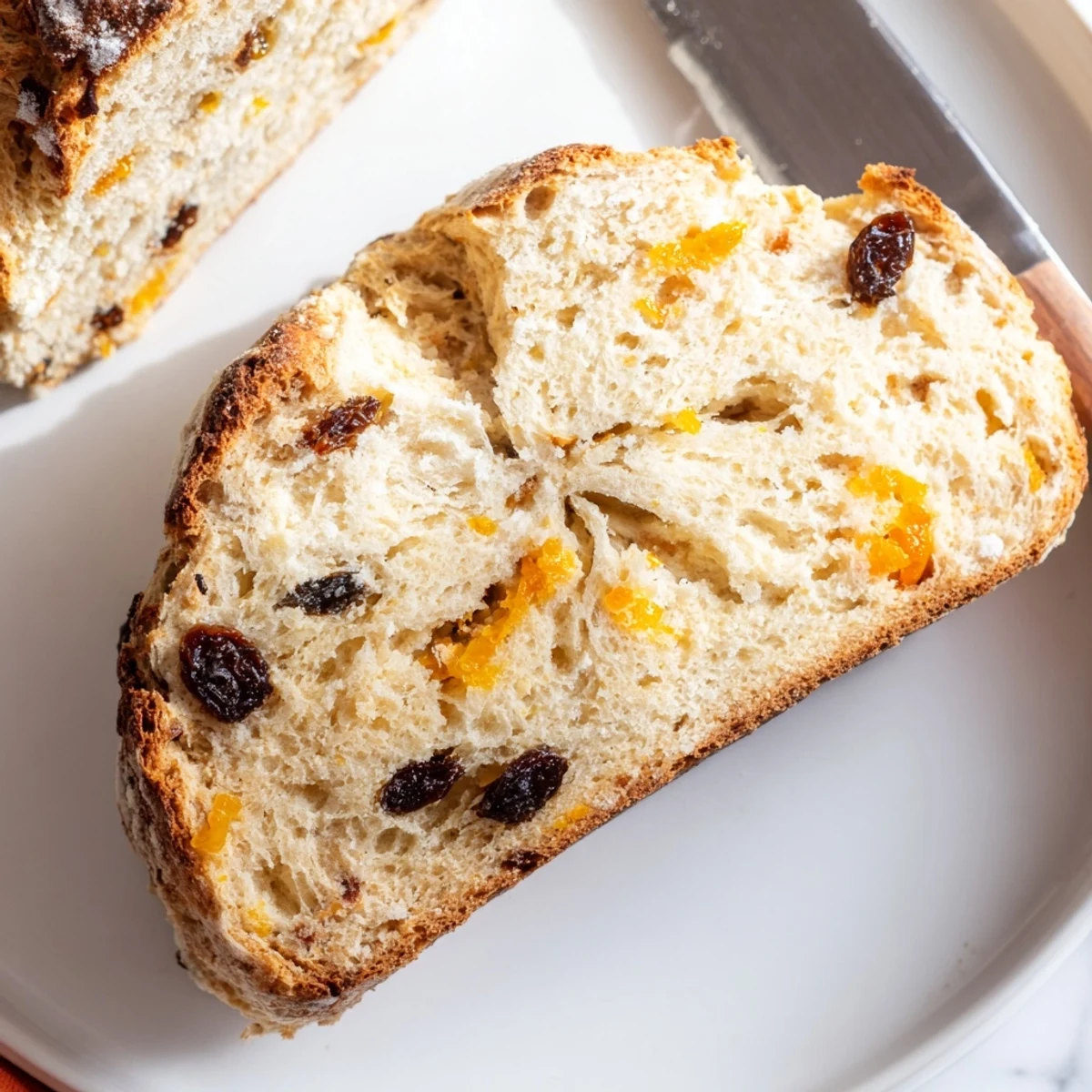
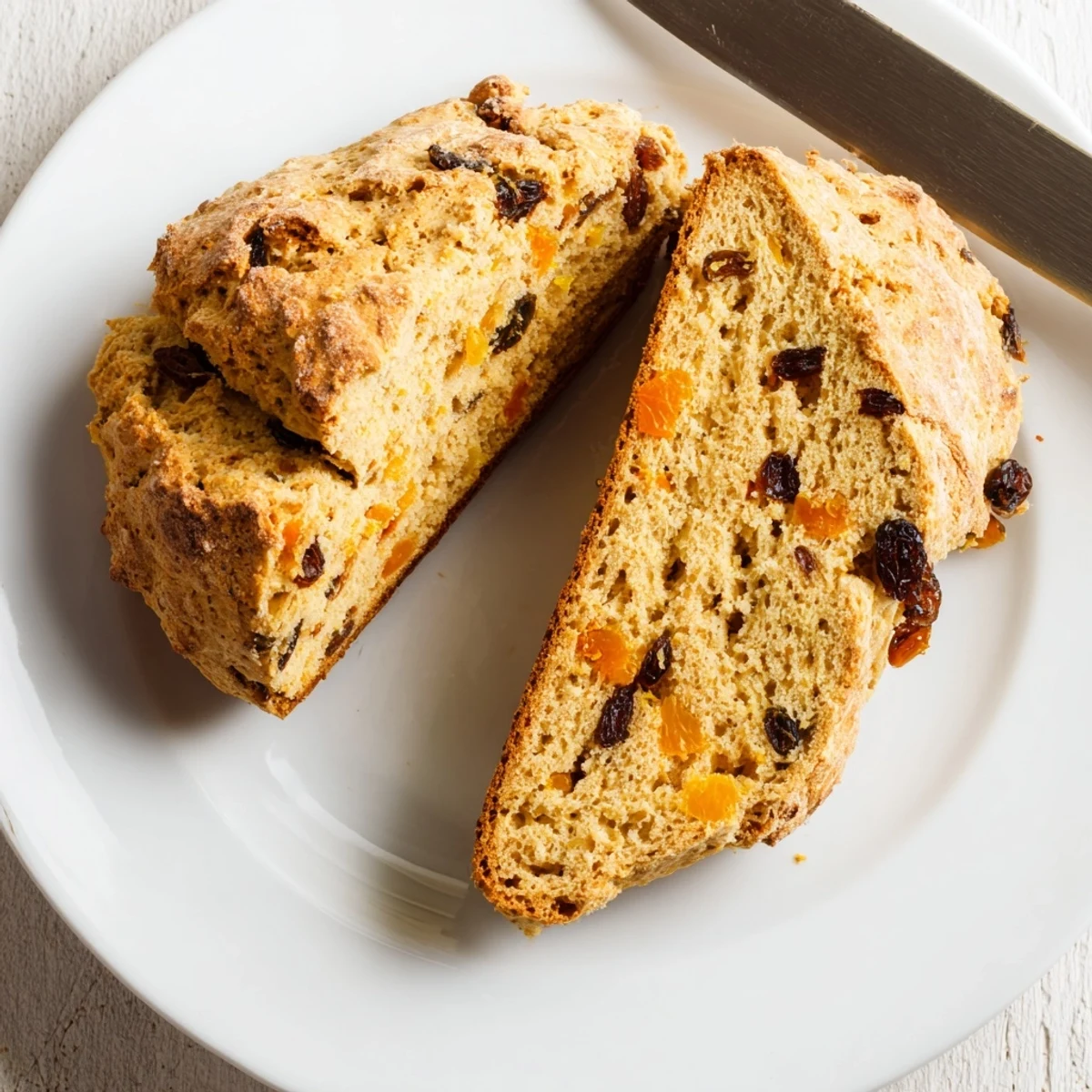
 This rustic soda bread combines fluffy dough with sweet raisins and refreshing orange zest for a flavorful loaf. Quick to prepare, it brings a slightly sweet, tender crumb, perfect for breakfast or afternoon tea. Baking yields a golden crust with a soft inside, offering a balanced taste enhanced by a citrus aroma. Ideal for pairing with butter, honey, or marmalade, it’s a simple yet satisfying baked good that captures Irish baking tradition.
My grandmother never measured anything when she made soda bread, she just knew by feel when the dough was right. I spent years trying to decode her method until I finally realized that the X carved into the top wasn't just decoration—she told me it lets the fairies out, but really it helps the bread bake evenly. This version adds raisins and orange zest, which I started doing one winter when I wanted something brighter than the usual plain loaf. Now it's the only way my family will eat it.
Last St. Patrick's Day, I made three loaves back to back because my neighbors kept smelling the baking bread through their open windows. By the time the third loaf came out of the oven, we'd all gathered on my porch with slabs of butter, eating it straight from the cooling rack. Something about soda bread brings people together—maybe it's the simplicity, or maybe it's just that everything tastes better when someone else baked it.
Ingredients
- All-purpose flour: Four cups create the right structure—whole wheat makes it too dense, but you can swap in half if you prefer heartiness
- Granulated sugar: Just a quarter cup balances the tangy buttermilk without making it sweet like cake
- Baking soda: This is your only leavening agent, so make sure it's fresh—test it by dropping a pinch in vinegar
- Salt: Essential for flavor, especially since this bread has no yeast
- Buttermilk: The acidity activates the baking soda and creates that signature tender texture
- Egg: Adds richness and helps the bread rise better than traditional recipes
- Unsalted butter: Melted and cooled so it incorporates evenly without scrambling the egg
- Raisins: Plump them in warm water for 10 minutes if they seem dried out
- Orange zest: Use a microplane to avoid the bitter white pith—this is what makes the bread sing
Instructions
- Preheat your oven to 400°F and line a baking sheet:
- Parchment paper makes cleanup effortless and prevents sticking
- Whisk together the flour, sugar, baking soda, and salt:
- Do this thoroughly so the baking soda distributes evenly—no one wants a soapy bite
- Combine the buttermilk, egg, and melted butter:
- Whisk until completely smooth, making sure the butter has cooled so it doesn't cook the egg
- Mix wet and dry ingredients with raisins and orange zest:
- Stir with a wooden spoon just until everything comes together—overmixing makes tough bread
- Turn the dough onto a floured surface and knead gently:
- Just three or four folds is enough, you want it shaggy and rustic, not smooth like yeast dough
- Shape into a 7-inch round and transfer to your baking sheet:
- Don't worry about perfection—soda bread is meant to look homely and honest
- Carve a deep X across the top with a sharp knife:
- Go about half an inch deep—this helps the center bake through and creates that classic look
- Bake for 35 to 40 minutes until golden brown:
- Test with a skewer in the center—if it comes out clean, it's done
- Cool on a wire rack for at least 30 minutes before slicing:
- This is the hardest part, but cutting it too soon makes the texture gummy inside
 Save to Pinterest
 My daughter now asks for this bread on rainy Sundays, claiming it tastes like comfort. We've started a tradition of eating it warm with honey while watching old movies, and I've realized that the simplest recipes are often the ones that become memories.
Making It Your Own
Sometimes I swap caraway seeds for the orange zest when I'm craving something more traditional. Dried cranberries work beautifully instead of raisins, especially around Thanksgiving. Once I accidentally used whole wheat flour and though it was denser, the nutty flavor won everyone over.
Serving Ideas
Slathered with salted butter while still warm is how we eat it most often. For breakfast, try it with marmalade—the orange zest in the bread makes it perfect. Toasted leftovers with cheese make an unexpected but satisfying afternoon snack.
Storage and Freshness
This bread keeps surprisingly well wrapped in foil at room temperature for two days. After that, slice and freeze it, then refresh frozen slices in a 350°F oven for 10 minutes. Never store it in the refrigerator—it turns the crust hard and the crumb dry.
- Wrap cooled bread tightly in plastic wrap for freezing
- Refresh day old bread by sprinkling with water and heating at 350°F for 10 minutes
- Slice before freezing so you can grab exactly what you need
 Save to Pinterest
 There's something profoundly satisfying about bread you don't have to wait hours for. Hope this recipe finds its way into your regular rotation.
Questions & Answers About the Recipe
- → What makes Irish soda bread unique?
-
Irish soda bread rises quickly using baking soda and buttermilk, creating a tender texture without yeast fermentation.
- → Can I substitute raisins with other dried fruits?
-
Yes, dried currants or chopped apricots make great alternatives, offering varied sweetness and texture.
- → How do I achieve a crispy crust on this bread?
-
Cutting a deep X on top before baking helps control expansion and promotes a golden, crisp crust.
- → What is the role of orange zest in the bread?
-
Orange zest adds a bright citrus aroma and subtle tang that complements the sweetness of the dried fruit.
- → How should the dough be handled before baking?
-
Gently knead just until combined to maintain a light crumb and avoid toughness from overworking.