
 Save to Pinterest
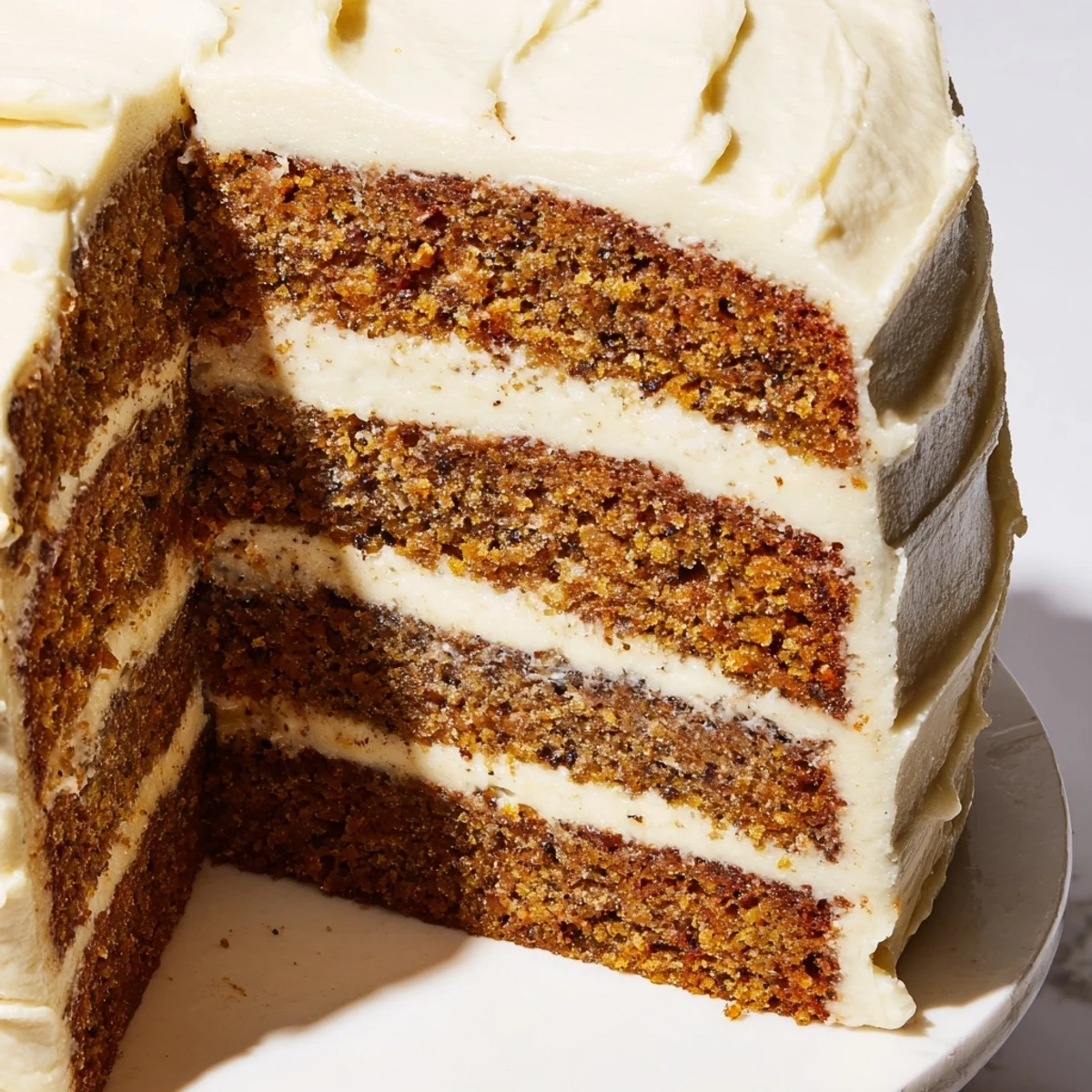
 This gingerbread layer cake features warm spices like ginger, cinnamon, cloves, and nutmeg combined into moist layers. The batter includes molasses and sour cream for richness and tenderness. A luscious cream cheese frosting adds smoothness and sweetness, perfectly balancing the spices. After baking, the layers are cooled, stacked, and coated with the frosting, creating an inviting dessert ideal for holiday celebrations or cozy get-togethers. Tips include decorating with candied ginger or sugared cranberries and pairing with spiced chai or mulled wine.
I still remember the December evening when my grandmother taught me to make her gingerbread layer cake—the kind that filled her kitchen with such warmth and spice that neighbors would stop by just hoping for a slice. She'd let me measure out the molasses, that thick dark stream pooling into the bowl, and insisted the magic was in not rushing the creaming. Years later, I recreated that cake for my first holiday dinner in my own place, and watching my friends' faces light up when they tasted those layers was the moment I understood why she guarded this recipe like a treasure.
I made this cake for my partner's office holiday party once, and it was gone before dessert was officially served—people were sneaking into the kitchen asking for seconds before dinner was even finished. That's when I knew it wasn't just good; it was the kind of cake that makes people feel celebrated.
Ingredients
- All-purpose flour (3 cups): This is your foundation, and whisking it with the spices ensures they're evenly distributed throughout the cake—no pockets of pure cinnamon or cloves.
- Ground ginger, cinnamon, cloves, and nutmeg (2 tsp, 2 tsp, ½ tsp, ½ tsp): These spices need to be fresh—they lose their punch after sitting open for months. If you smell them and they're muted, replace them before baking.
- Baking powder and baking soda (2 tsp and ½ tsp): These are your rise, but the key is the ratio of soda (for the molasses's acidity) to powder. Don't substitute one for the other.
- Unsalted butter (¾ cup plus ¾ cup for frosting): Softened means you can easily press your finger into it—not melted, not cold. This matters for how the cake rises.
- Brown sugar and granulated sugar (1 cup plus ½ cup): Brown sugar brings moisture and depth; the granulated adds structure. Together they create the tender crumb.
- Eggs (4 large, room temperature): Cold eggs don't incorporate smoothly into the batter, leaving you with a denser cake. Let them sit on the counter while you prep.
- Molasses (1 cup, not blackstrap): Regular molasses has a sweeter, less intense flavor than blackstrap. This is where the cake gets its character—don't skip or substitute with honey.
- Whole milk and sour cream (1 cup plus ⅓ cup, both room temperature): The sour cream adds tang and tenderness. Room temperature ingredients emulsify better and create a smoother batter.
- Vanilla extract (2 tsp plus 2 tsp for frosting): A small amount in the cake, but it brightens the molasses flavor quietly.
- Cream cheese and unsalted butter for frosting (16 oz and ¾ cup): Both must be truly softened, or your frosting will be lumpy. Take them out of the fridge at least an hour before mixing.
- Powdered sugar (4 cups, sifted): Sifting removes lumps and makes your frosting smooth and light instead of grainy.
Instructions
- Set your stage:
- Preheat your oven to 350°F and get three 8-inch cake pans greased and lined with parchment paper. This takes five minutes but saves you the heartbreak of a stuck cake later. Room temperature matters—your kitchen should feel comfortable, not cold.
- Build your dry blend:
- Whisk together flour, ginger, cinnamon, cloves, nutmeg, baking powder, baking soda, and salt in a large bowl. Use your whisk to really work these spices through the flour—you're not just mixing, you're distributing. This is where half the flavor comes from.
- Cream your aromatics:
- In another bowl, beat butter with both sugars until the mixture looks light, pale, and fluffy—this should take about three to four minutes with an electric mixer. You're incorporating air, which helps the cake rise. Scrape the sides of the bowl frequently.
- Fold in the eggs:
- Add each egg one at a time, beating well after each addition. Listen to the mixer—it should sound smooth and happy, not struggling. If your batter looks curdled after adding an egg, it means the temperature difference is too much; you can warm the bowl gently over steam for a moment.
- Introduce the molasses:
- Pour in the molasses and mix until it's incorporated—this is when your batter gets that deep brown color and the spice aroma intensifies. The molasses might smell a bit strong, but trust it.
- Add the wet supporting cast:
- Mix in the sour cream and vanilla extract until just combined. Don't worry if the batter looks slightly separated—that's okay.
- Marry wet and dry, carefully:
- Lower your mixer to low speed and add the dry ingredients in three parts, alternating with the milk. The pattern is: dry, milk, dry, milk, dry. Mix only until each addition disappears—overmixing develops gluten, which makes the cake tough. Overmixing is the enemy here.
- Fill the pans evenly:
- Divide the batter equally among the three pans—if you have a kitchen scale, use it (each pan should get about 580 grams of batter). Smooth the tops with a spatula so they bake evenly.
- Bake with patience:
- Place all three pans in the oven and set a timer for 25 minutes. At 25 minutes, insert a toothpick into the center of each cake—it should come out with just a few moist crumbs, not batter. If they're not quite done, check every minute after that. They should smell like a spice market and feel set but still slightly springy when you touch the top.
- Cool with intention:
- Let the cakes cool in their pans for exactly 10 minutes. This gives them time to set but not so long they're difficult to remove. Then turn them out onto wire racks to cool completely—this takes about an hour. Patience here prevents a crumbly frosting situation later.
- Create the frosting:
- Beat softened cream cheese and butter together until they're completely smooth and uniform in color—this should take about two minutes. Gradually add the sifted powdered sugar while the mixer runs, and beat until the frosting is fluffy and light. Add vanilla and salt at the end. If it seems too soft, chill it for 15 minutes.
- Assemble with care:
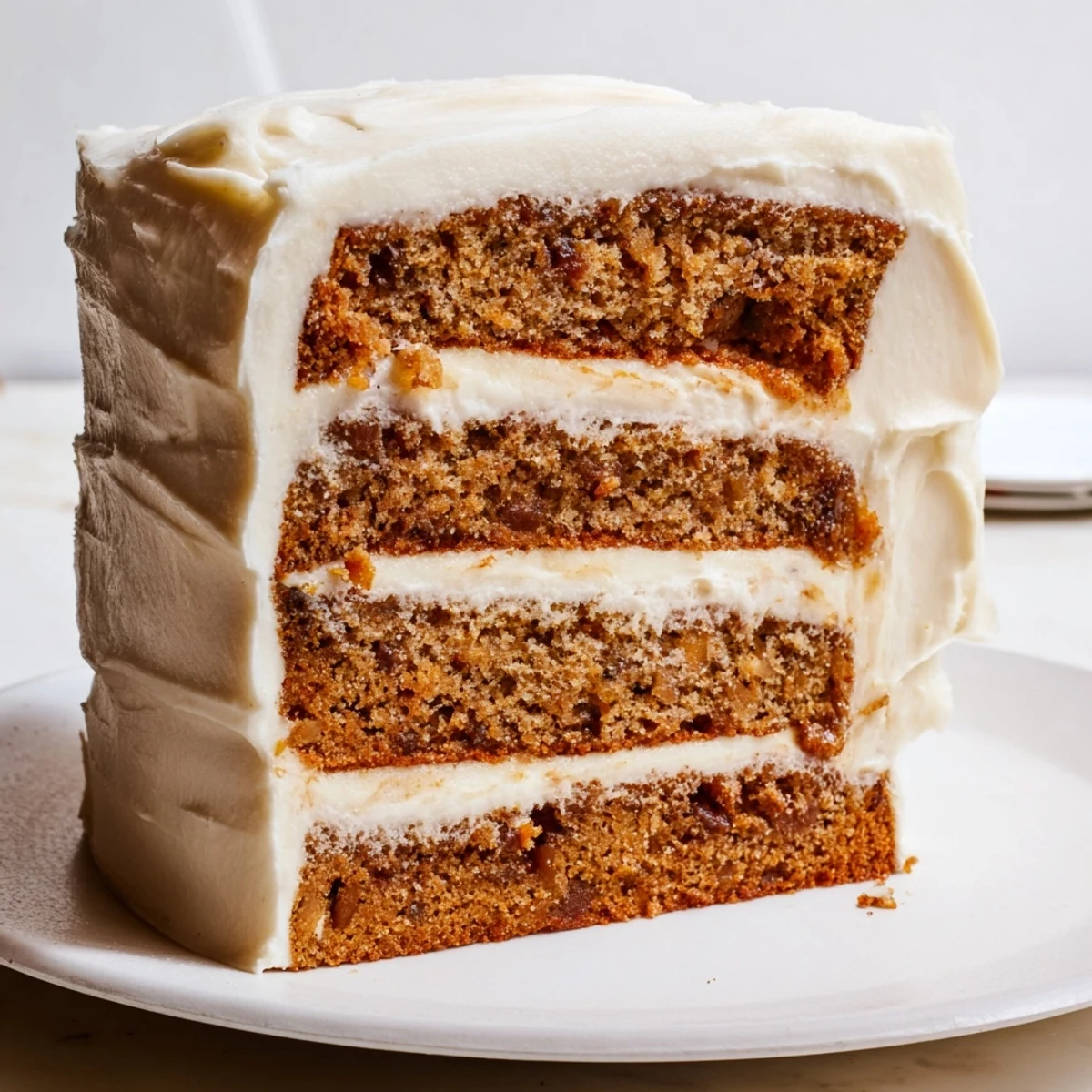
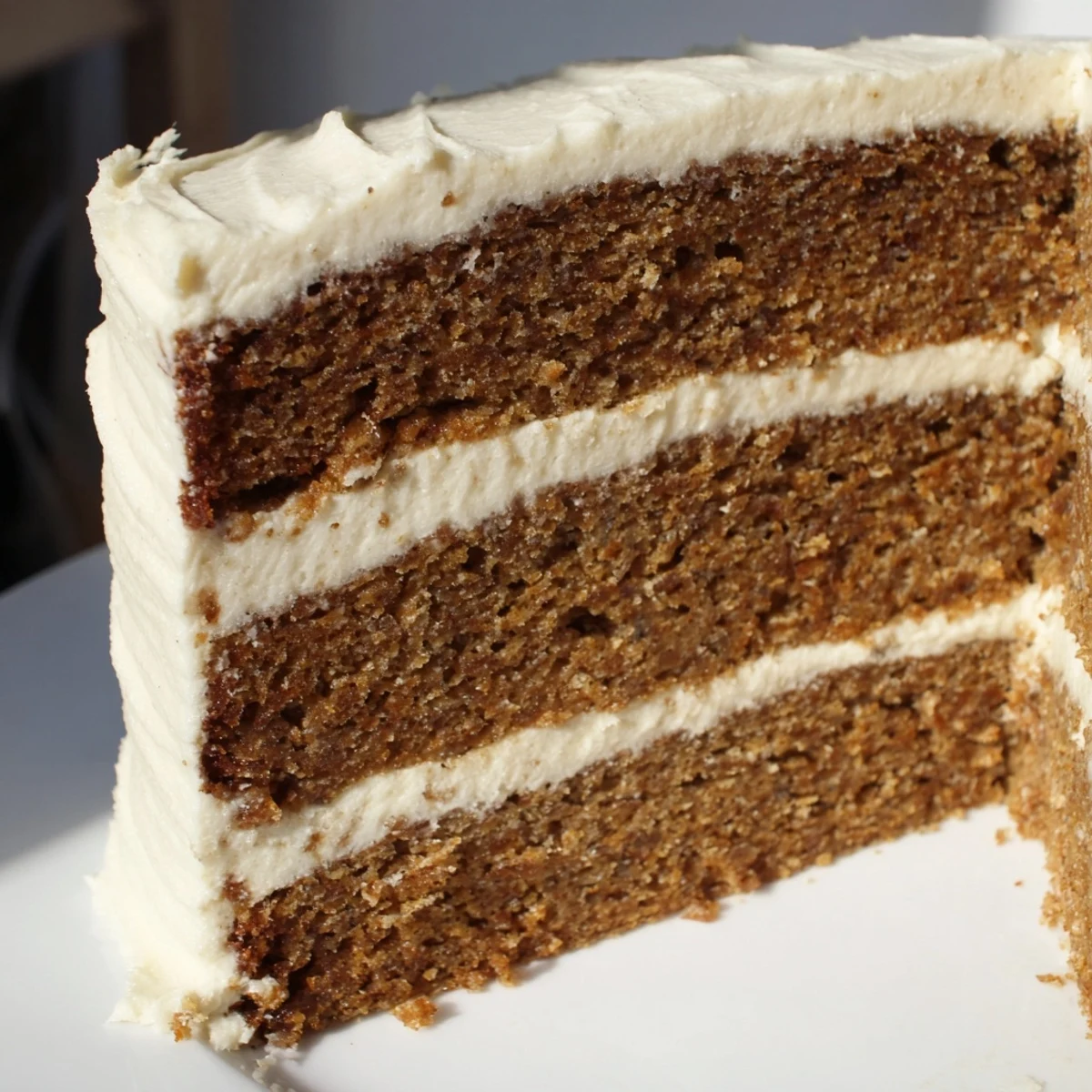
- Place the first cake layer on your serving plate. Spread a generous layer of frosting across the top—about ½ inch thick. Place the second layer on top and repeat. Crown it with the third layer and frost the top and sides. Use an offset spatula or palette knife, dipping it in warm water and wiping it between strokes for smooth frosting.
- Chill before cutting:
- Refrigerate the finished cake for at least 30 minutes—this sets the frosting and lets the layers settle, so you get clean slices instead of crumbles.
 Save to Pinterest
 This cake taught me something about generosity—it's not just the ingredients, it's the time you take to do each step properly. Every layer is an act of care, and people taste that.
Decorating Your Masterpiece
A naked cake is beautiful, but a decorated gingerbread cake is a celebration. I've found that candied ginger slices arranged on top catch the light and hint at the spice inside, while a light dusting of cinnamon ties everything together visually. Sugared cranberries add a bright pop that feels festive without being over the top. If you're feeling adventurous, a thin line of gold or silver edible dust around the base elevates it to something you'd see in a bakery window.
Storage and Make-Ahead Magic
This cake improves over time—the spices deepen, the frosting sets perfectly, and the layers compress slightly so they stay together when you slice. Keep it covered at room temperature for two days, or refrigerate it for up to five days. You can even bake the cake layers a day ahead, wrap them individually, and frost the next day. The frozen cake also thaws beautifully—I've defrosted it in the fridge overnight and it tastes as good as the day it was made.
Pairing and Serving Ideas
This cake shines alongside warm drinks that echo its spice profile. A steaming mug of chai latte, mulled wine with star anise, or even strong black coffee all amplify the ginger and cinnamon. For a lighter pairing, vanilla ice cream melting into the warm cake is a simple joy. I once served thin slices with a glass of dessert sherry, and everyone lingered at the table much longer than planned—sometimes the right pairing extends the moment.
- A scoop of vanilla or cinnamon ice cream makes this feel even more indulgent and festive.
- Whipped cream mixed with a tiny bit of cream cheese and maple syrup is an elegant alternative to straight frosting.
- Wrap individual slices in parchment for a gift—this cake travels well and tastes amazing days later.
 Save to Pinterest
 Every time I make this cake, I'm reminded that the best recipes aren't just about technique—they're about showing up for people and creating moments that taste like home. This one deserves a place at your table.
Questions & Answers About the Recipe
- → What spices are used in this gingerbread cake?
-
The cake features ground ginger, cinnamon, cloves, and nutmeg, creating its signature warm, spiced flavor.
- → How do I achieve moist layers in this cake?
-
Incorporating molasses and sour cream adds moisture and tenderness to the batter, keeping the cake soft.
- → Can this cake be made ahead of time?
-
Yes, bake the layers in advance and chill after frosting to allow flavors to meld and the frosting to set nicely.
- → What alternatives are there for decorating?
-
Decorate with candied ginger, sugared cranberries, or a sprinkle of cinnamon for added festive flair.
- → What beverages pair well with this cake?
-
Spiced chai, mulled wine, or warm cider complement the cake’s rich, spicy notes beautifully.
- → How can I lighten the frosting?
-
Substitute half the cream cheese with mascarpone to create a lighter, creamier frosting.