
 Save to Pinterest
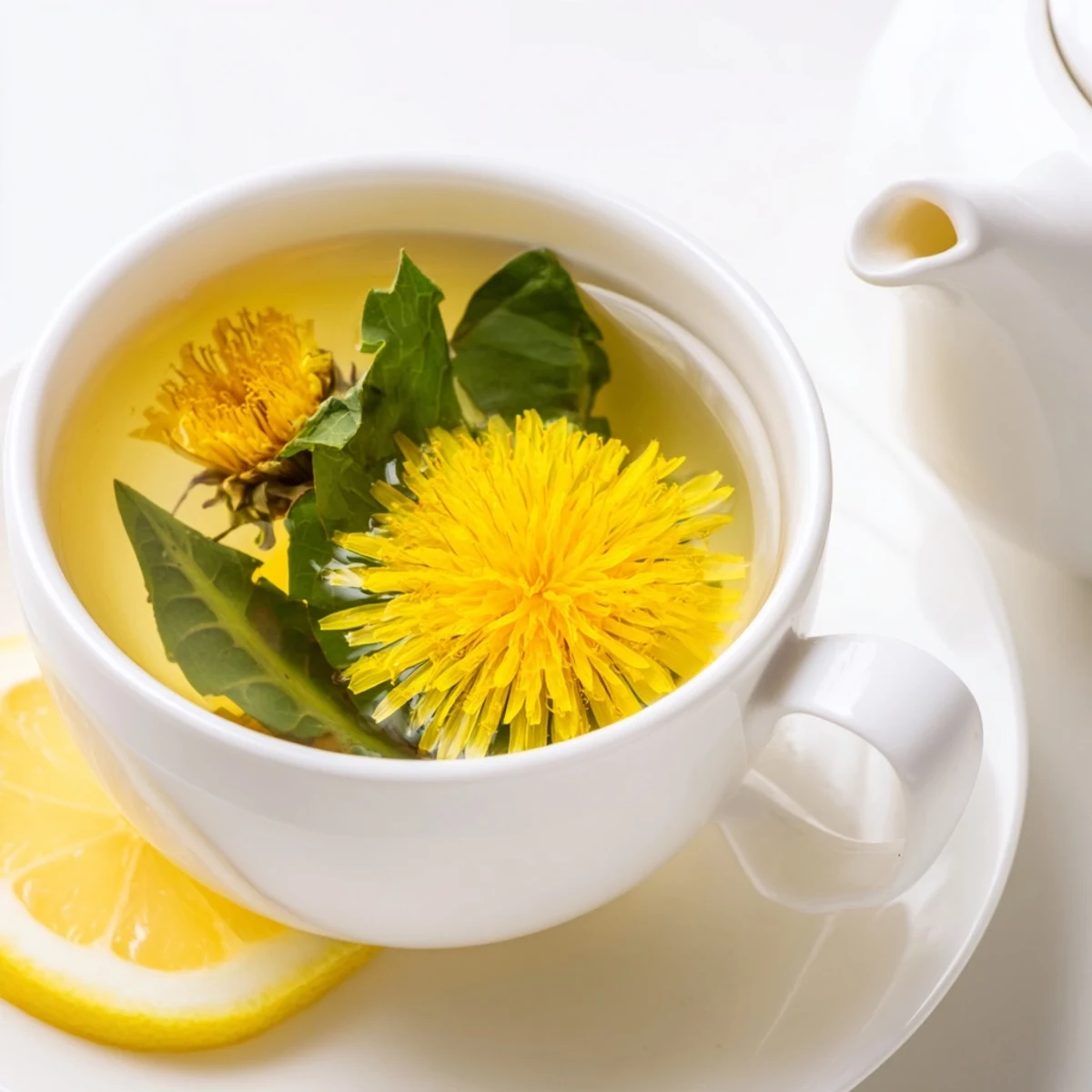
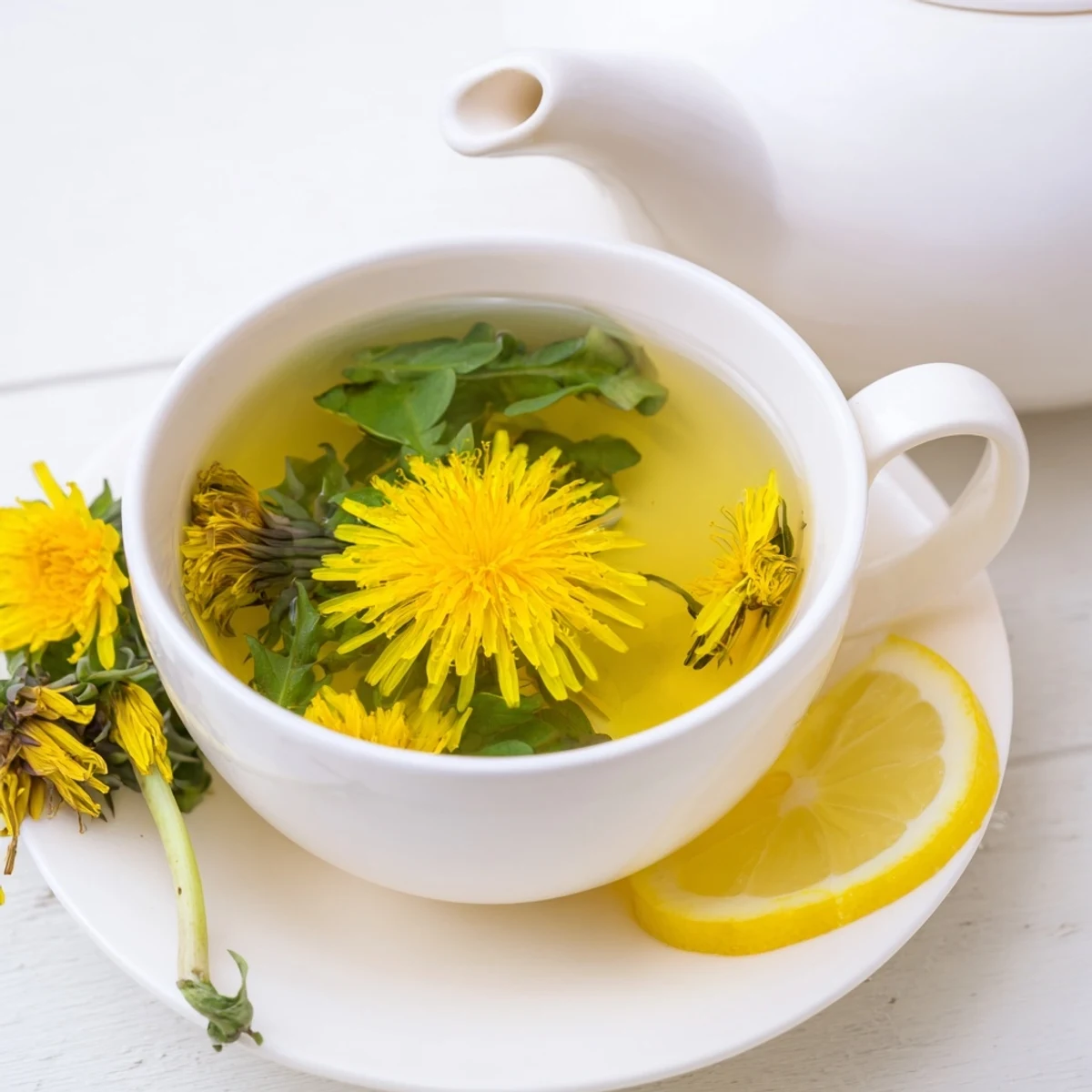
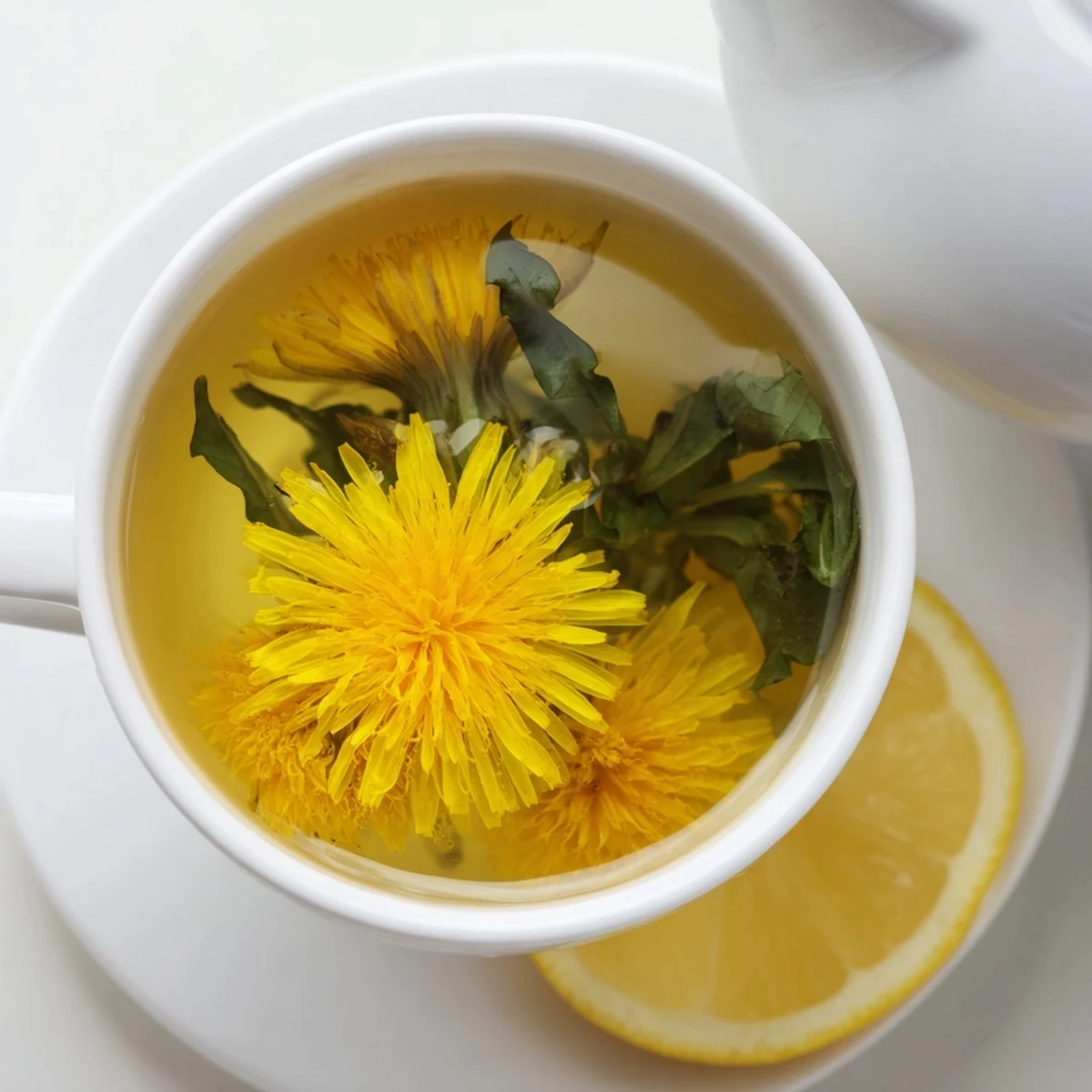
 This traditional herbal infusion transforms fresh or dried dandelion petals and leaves into a soothing, earthy beverage. The preparation is simple: bring filtered water to a boil, pour over cleaned dandelion parts, and steep for 8-10 minutes. The result is a light amber tea with a naturally mild, slightly bitter flavor profile that can be enhanced with honey or lemon if desired.
Beyond its refreshing taste, dandelion tea has been valued for centuries for its potential detoxifying properties and digestive support. The beverage is naturally caffeine-free, vegan, and contains minimal calories while delivering beneficial plant compounds. Always ensure dandelions are harvested from pesticide-free areas and properly identified before use.
My grandmother taught me that the brightest yellow flowers in the yard make the most surprisingly gentle tea. I spent hours picking them as a child, thinking I was helping with garden chores when really I was gathering ingredients for something magical. Now whenever I see those cheerful yellow heads dotting the lawn, I remember her kitchen filled with the scent of steeping greens.
Last spring, my neighbor watched me harvesting dandelions from our shared green space with genuine curiosity. I invited her over for a cup, and we sat on the porch watching the sunset while sipping something she had spent twenty years trying to eradicate from her perfect lawn. She texted me the next day asking which patch she could safely harvest from.
Ingredients
- Dandelions: Fresh petals and leaves bring the brightest flavor, but dried works beautifully when foraging season has passed
- Filtered water: Clean water matters since the dandelion flavor is so delicate and subtle
- Honey or maple syrup: Just a touch rounds out the natural bitterness without masking the earthy notes
- Lemon: A single slice transforms the color and adds the perfect bright finish
Instructions
- Prepare your flowers:
- Give those fresh petals and leaves a thorough rinse under cold running water to wash away any tiny visitors or dirt
- Heat the water:
- Bring your filtered water to a gentle boil in a small saucepan
- Combine and steep:
- Place the cleaned dandelions in your teapot and pour the hot water over them, then cover and let them steep for about 10 minutes
- Strain and serve:
- Pour through a fine mesh strainer into your favorite cups, then add honey or lemon if you please
 Save to Pinterest
 There is something deeply satisfying about turning what most people consider a nuisance into something nourishing and warm. This tea has become my small act of rebellion against the perfect lawn culture, and my body seems to thank me for it every time.
When To Harvest
Mid-morning after the dew has dried but before the sun gets too intense gives you the most vibrant flowers. The petals will be fully open and their oils at their peak, making for a more aromatic and flavorful cup.
Storage Secrets
Fresh dandelions wilt quickly, so use them within a day of harvesting. If you have an abundance, spread the petals on a baking sheet and dry them at the lowest oven setting for 2 to 3 hours, then store in a glass jar away from light.
Serving Suggestions
This tea shines as a gentle morning brew or a calming evening cup. I love pairing it with a shortbread cookie or a plain slice of toast. The earthy notes also complement light meals beautifully, especially fresh salads or vegetable dishes.
- Try it iced with a sprig of mint on hot summer afternoons
- Blend with chamomile for a bedtime tea that helps unwind
- Add a cinnamon stick while steeping for subtle warmth in winter
 Save to Pinterest
 Sometimes the best ingredients are right under our feet, waiting to be noticed and appreciated.
Questions & Answers About the Recipe
- → What does dandelion tea taste like?
-
Dandelion tea has a light, earthy flavor with mild bitter notes similar to greens. The taste is subtle and refreshing, becoming more robust if you include both petals and leaves. Adding honey or maple syrup can balance the natural bitterness, while lemon adds brightness.
- → Can I use store-bought dried dandelion instead of fresh?
-
Yes, dried dandelion works excellently. Use 2 tablespoons of dried petals or leaves instead of 2 cups fresh. The steeping time remains the same, though dried herbs may produce a slightly more concentrated flavor. Dried dandelion is convenient and available year-round at health food stores.
- → How do I properly identify and harvest dandelions safely?
-
Only harvest dandelions from areas you know are free of pesticides, herbicides, and animal waste. Look for the familiar toothed leaves and bright yellow flowers in lawns or meadows. Avoid plants growing near roadsides. Rinse thoroughly under cold water to remove dirt and small insects. If you're new to foraging, consider buying from reputable sources first.
- → What are the benefits of drinking dandelion tea?
-
Dandelion tea has been traditionally used to support digestion and promote detoxification. It's naturally rich in antioxidants and may help reduce water retention. The tea is caffeine-free, making it suitable for evening consumption. Many people find it soothing after meals or as part of a wellness routine.
- → Can I reuse the dandelion leaves for a second steep?
-
While possible, a second steep will be much weaker in flavor and beneficial compounds. For the best experience and maximum benefits, use fresh dandelion material for each cup. However, you can compost the spent leaves after steeping.
- → Is there a difference between using just petals versus leaves?
-
Yes, petals tend to produce a lighter, more delicate infusion while leaves add bitterness and more robust earthy notes. Using both creates a balanced, nuanced flavor profile. Some enthusiasts prefer just petals for a milder taste, while others enjoy the fuller flavor that leaves provide.