
 Save to Pinterest
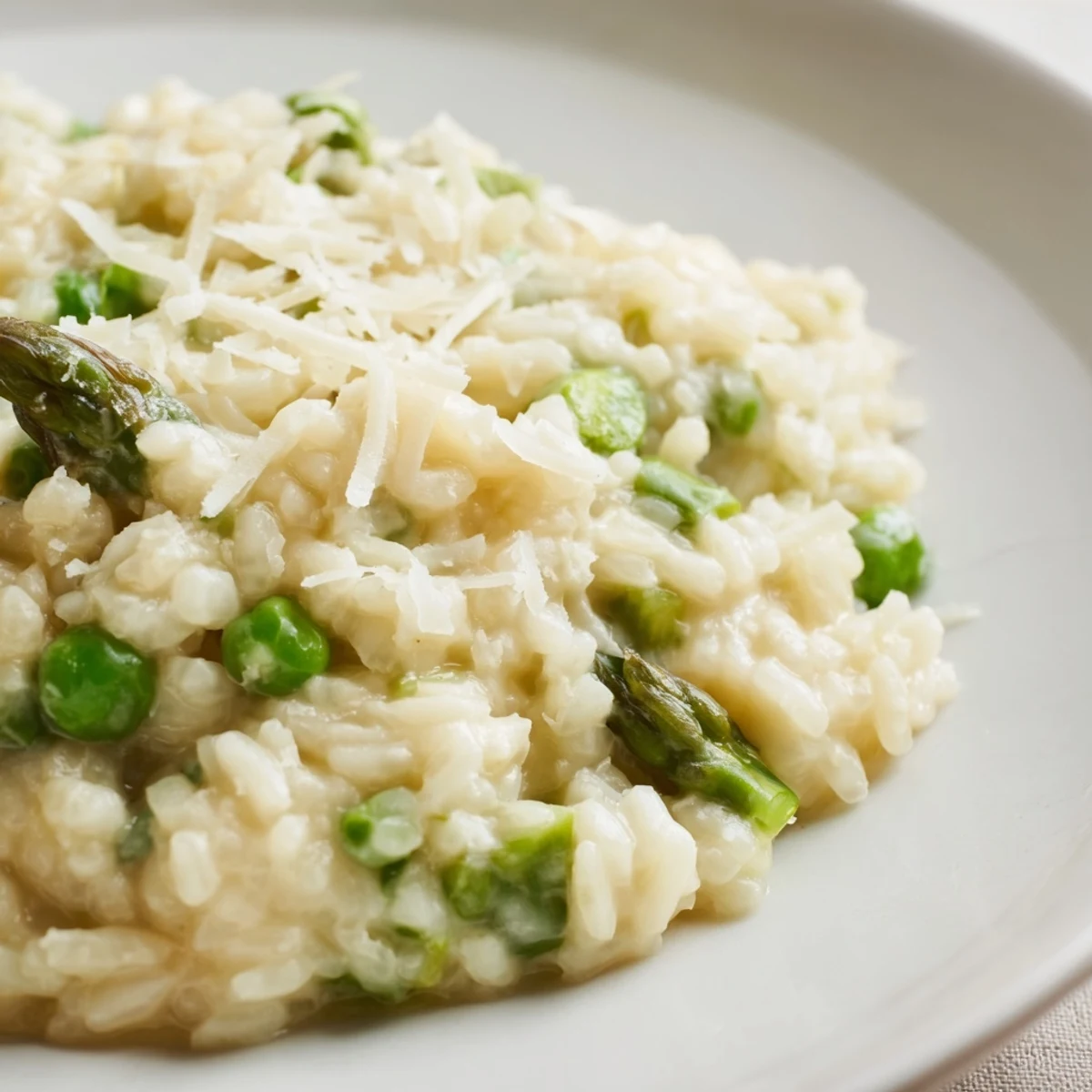
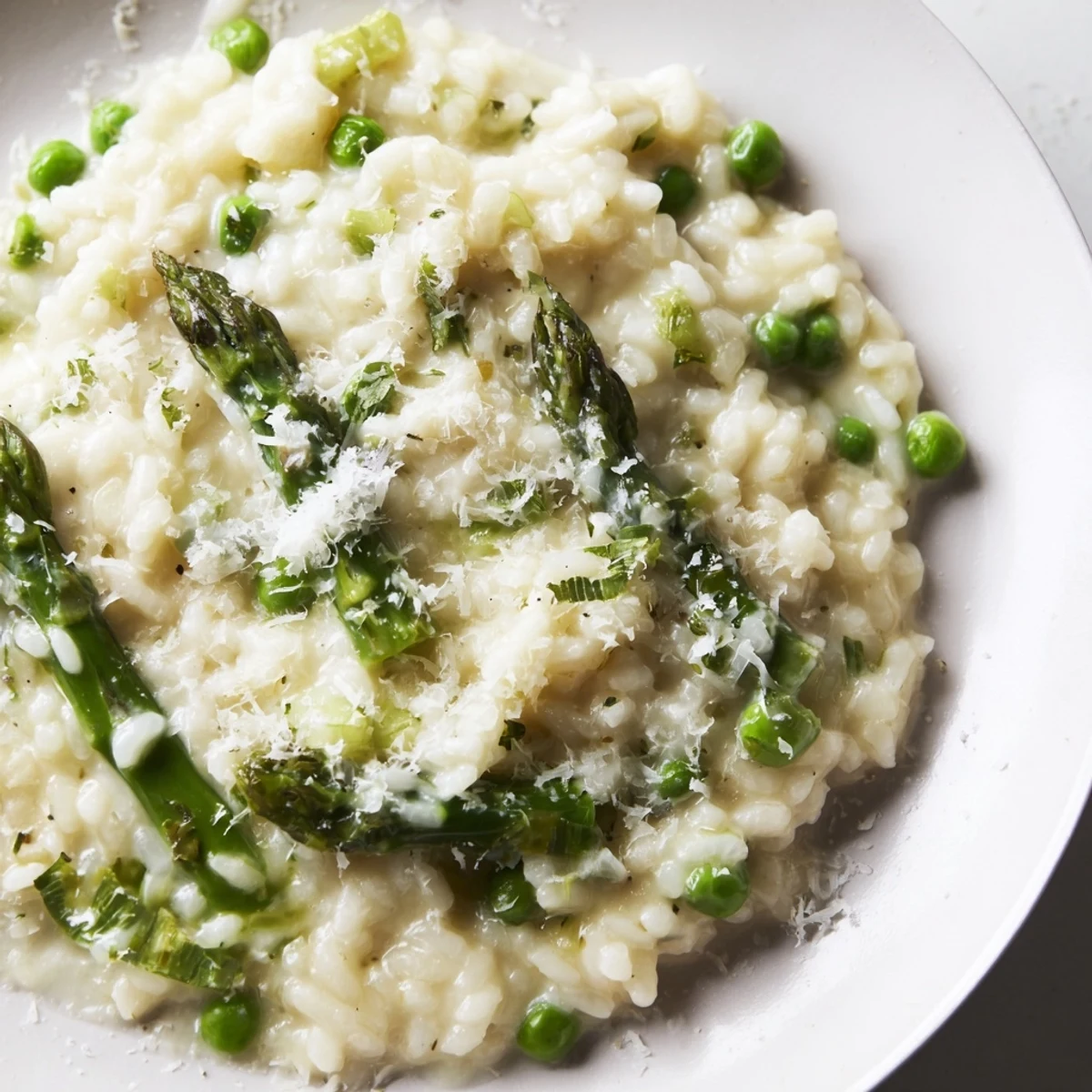
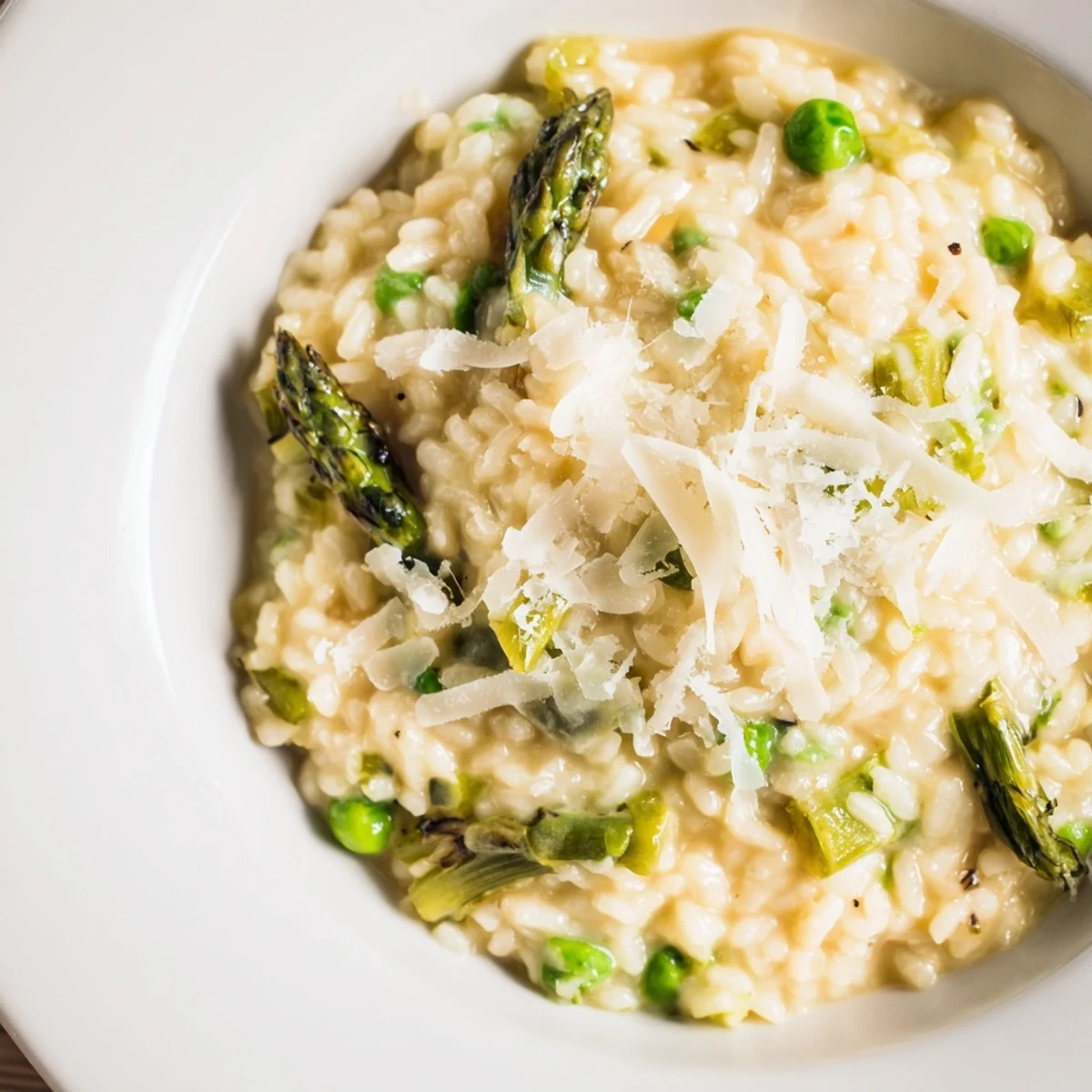
 This risotto highlights tender asparagus and sweet peas gently cooked with Arborio rice until creamy and rich. A splash of white wine and a finish of butter, Parmesan, and optional cream create a silky texture. The dish offers a perfect balance of fresh vegetable flavors and indulgent dairy notes, ideal for spring or anytime comfort. Preparation involves slowly adding warm vegetable broth for a luscious finish, accented by a hint of lemon zest to brighten the palate.
My tiny apartment kitchen smelled like spring the first time I made this risotto, with windows flung open to catch the evening breeze. I'd impulsively bought too much asparagus at the farmers market and decided risotto was the way to use it all up. Forty minutes of stirring later, I realized why Italian grandmothers have such strong arms. But that first creamy spoonful, bright with lemon and punctuated by sweet peas, made every minute worth it.
I made this for my book club last April, and we ended up sitting around the table for two hours longer than planned, scraping our bowls and talking about everything except the book. Someone asked if there was a secret ingredient, and I had to admit it was just good butter, better cheese, and the willingness to stand at the stove and stir. That's the thing about risotto, it demands you slow down and pay attention.
Ingredients
- Arborio rice: This shortgrain rice releases starch slowly while cooking, creating that signature creamy consistency that makes risotto so irresistible
- Fresh asparagus: Choose firm spears with tight tips, and cut them into bite sized pieces so they cook through without becoming mushy
- Sweet peas: Frozen peas work beautifully here, but if you find fresh ones at the market, shell them and add them in the last few minutes
- Vegetable broth: Keep it warm in a separate pan so adding cold broth doesn't shock the rice and interrupt the cooking process
- White wine: A dry Sauvignon Blanc or Pinot Grigio adds acidity that cuts through the richness, but you can substitute more broth if preferred
- Parmesan cheese: Buy a wedge and grate it yourself, pre grated cheese lacks the melting quality that makes the finish so silky
- Unsalted butter: Divide it so you can sauté the aromatics with some and finish with the rest, that final pat creates the velvety texture
Instructions
- Build your flavor foundation:
- Melt 2 tablespoons butter in a large heavy pan over medium heat, then cook the chopped onion for 3 to 4 minutes until it turns translucent and soft. Add the minced garlic and stir for just 1 minute more, taking care not to let it brown or become bitter.
- Toast the rice:
- Add the Arborio rice to the pan and stir constantly for 2 minutes, watching as the grains become slightly translucent at the edges and smell faintly nutty. This toasting step helps each grain hold its texture during the long cooking process.
- Deglaze with wine:
- Pour in the white wine and let it bubble away, stirring gently, until almost completely absorbed by the rice. The alcohol will cook off while leaving behind a subtle brightness that balances the creamy elements.
- Begin the rhythm:
- Add warm broth one ladleful at a time, stirring gently and waiting until each addition is almost fully absorbed before reaching for more. Continue this process for about 15 minutes, letting the rice release its starch gradually.
- Add spring vegetables:
- Stir in the asparagus pieces and peas, then continue adding broth and stirring for another 8 to 10 minutes until the rice is tender but still has a slight bite in the center. The vegetables should be bright green and easily pierced with a fork.
- Create the finish:
- Remove from heat and stir in the remaining butter, grated Parmesan, and optional heavy cream. Let it rest for 2 minutes covered, then taste and adjust with salt, pepper, and lemon zest to brighten all the flavors.
 Save to Pinterest
 This risotto has become my go to when friends need comfort food but I still want to serve something beautiful. Last month my neighbor came over exhausted after a long week, and we sat at my counter eating steaming bowls while the rain tapped against the windows. Sometimes the simplest food prepared with care is exactly what someone needs.
The Stirring Technique
Think of stirring risotto as a meditation rather than a chore. I use a wooden spoon and move in gentle figure eights, letting the rice grains slide against each other to release starch without breaking apart. The texture difference between patient stirring and rushed attention is remarkable.
Seasonal Swaps
While asparagus and peas scream spring, this technique works year round with whatever vegetables look best at the market. Butternut squash and sage in autumn, mushrooms and thyme in winter, or zucchini and basil in summer. The method stays the same while the character shifts completely.
Make It Your Own
Once you master the basic technique, the variations become endless. I've made this with crumbled goat cheese instead of Parmesan, added pancetta for richness, or stirred in fresh herbs at the very end. Trust your instincts and taste as you go.
- Experiment with different vegetable combinations based on what's in season
- Try finishing with a drizzle of good olive oil instead of extra butter
- Add a handful of fresh herbs right before serving for pops of color
 Save to Pinterest
 There's something profoundly satisfying about transforming simple ingredients into something so comforting. Enjoy every spoonful.