
 Save to Pinterest
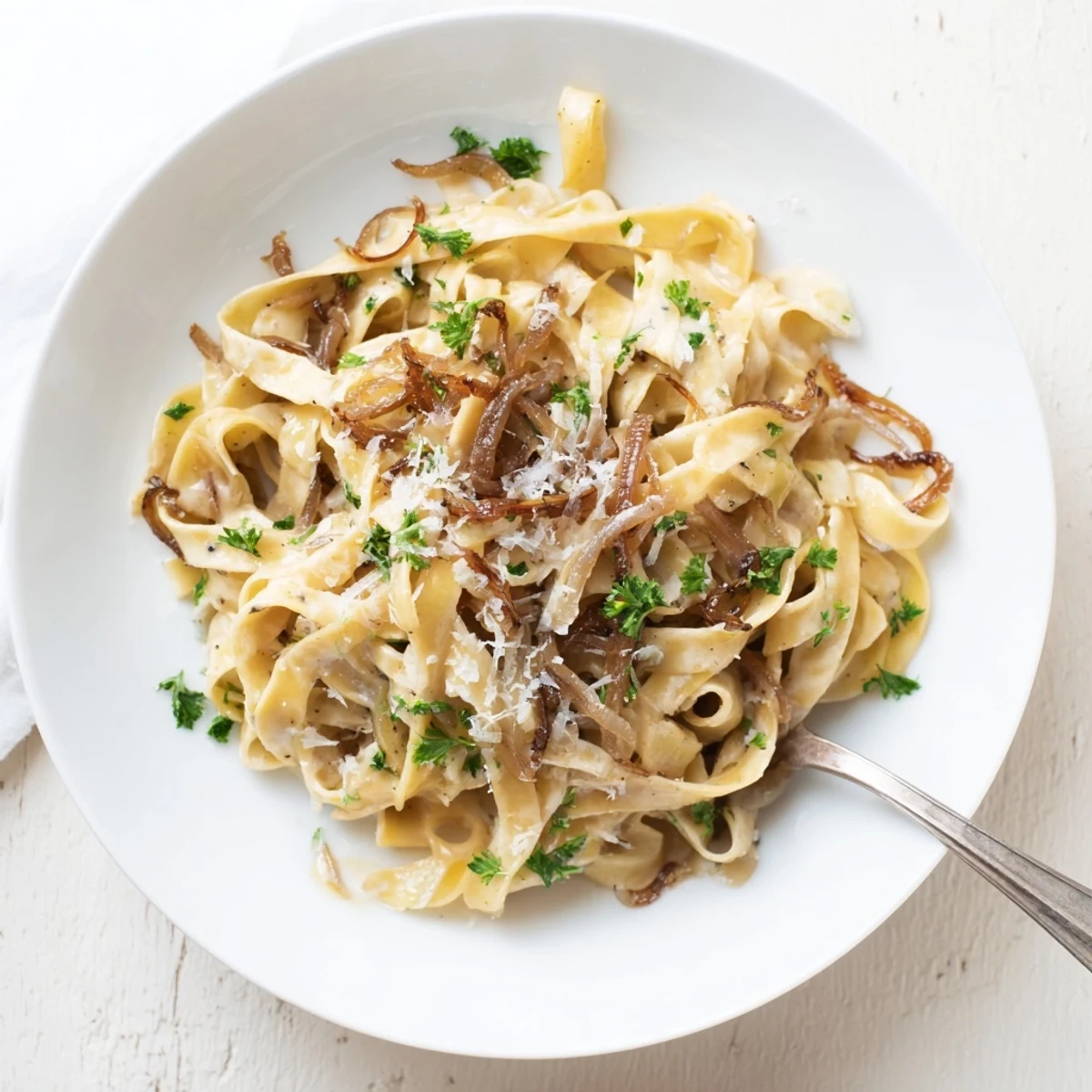
 This Italian-inspired pasta transforms simple yellow onions through slow caramelization into deeply sweet, golden strands that meld beautifully with a luxurious parmesan cream sauce. The 40-minute cooking process concentrates the onions' natural sugars, creating a rich foundation that perfectly balances the velvety dairy blend. Fettuccine noodles cling to the silky sauce while nutmeg and black pepper add warming depth. The result is a restaurant-quality vegetarian main dish that feels indulgent yet approachable, ideal for weeknight dinners or special weekend meals when you crave something deeply satisfying.
The screen door slammed shut behind me as I stumbled into my friends kitchen, soaking wet from an unexpected downpour, and the first thing that hit me was the smell of onions slowly melting in butter. That aroma, sweet and almost dessert like, clinging to the humid air, became permanently wired to comfort in my brain. Years later, caramelized onion cream pasta is the dish I make when the world feels too loud and I need something soft.
I once made this for my neighbor who had just come home from the hospital, and she stood at her door holding the container, eyes closed, just breathing it in before she even said thank you.
Ingredients
- Fettuccine or spaghetti (400 g): Long flat noodles are ideal here because they carry the cream sauce beautifully, but use whatever you have tucked in your pantry.
- Yellow onions (3 large): These are sweeter than white onions and break down into jammy perfection when given enough time and a little encouragement.
- Unsalted butter (2 tbsp): Butter is the foundation of the caramelization process, so use a good quality one if you can.
- Olive oil (1 tbsp): A small amount mixed with butter raises the smoke point so you get golden color without burning.
- Sugar (1 tsp): This is not about sweetness, it is about speeding up the caramelization just enough to deepen color and complexity.
- Salt (1/2 tsp for onions plus more to taste): Drawing out moisture from the onions is the first step toward that melting texture.
- Heavy cream (200 ml): Full fat cream transforms this from a simple pasta into something you would pay good money for at a restaurant.
- Whole milk (60 ml): A little milk lightens the sauce just enough so it coats without feeling heavy as stone.
- Parmesan cheese (50 g grated plus extra): Freshly grated melts into the sauce seamlessly, while the pre shredded kind tends to leave grainy lumps.
- Garlic (1 clove): Just one clove is all you need to add a savory backbone without stealing the spotlight from those onions.
- Black pepper (1/4 tsp): Freshly cracked is noticeably better here, adding warmth and a subtle bite.
- Ground nutmeg (1/4 tsp optional): A tiny pinch adds an unexpected warmth that makes people wonder what your secret is.
- Fresh parsley (2 tbsp chopped): More than garnish, the slight bitterness cuts through the richness in all the right ways.
Instructions
- Boil the pasta with purpose:
- Bring a large pot of generously salted water to a rolling boil and cook the pasta until just al dente, then scoop out half a cup of that starchy cooking water before draining because it is liquid gold for your sauce.
- Start the onions slow and low:
- Set the butter and olive oil in a large skillet over medium heat, add the sliced onions, and sprinkle with sugar and salt, then stir to coat every strand in that glistening fat.
- Caramelize with patience:
- Stir frequently for 25 to 30 minutes, watching the onions shift from sharp and white to deeply golden and impossibly sweet, splashing in a little water whenever they start to stick to the pan.
- Wake up the garlic:
- Stir in the minced garlic and cook for just one minute until your kitchen smells like a trattoria, being careful not to let it brown.
- Build the cream sauce:
- Lower the heat and pour in the cream and milk, stirring gently, then add the Parmesan, pepper, and nutmeg, letting everything simmer together for 2 to 3 minutes until it thickens just enough to coat the back of a spoon.
- Marry the pasta and sauce:
- Toss the drained pasta into the skillet, adding splashes of reserved pasta water as you go until the sauce wraps around every noodle like a velvet blanket.
- Serve with abandon:
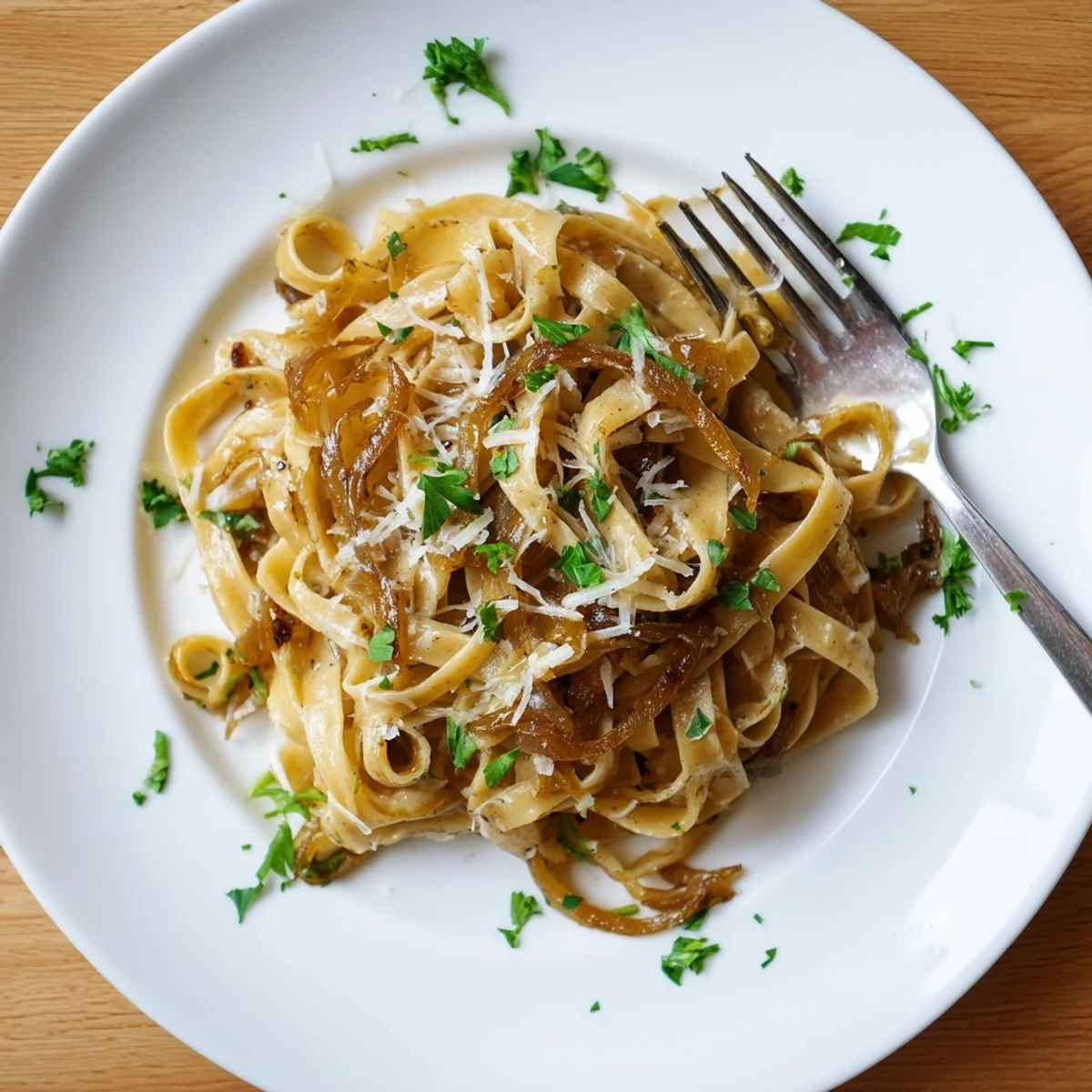
- Plate immediately with a shower of chopped parsley and an unapologetic amount of extra Parmesan.
 Save to Pinterest
 There was a Tuesday night, nothing special on the calendar, when I made this and my partner sat on the kitchen counter eating directly from the pan, and I realized that is the highest compliment any recipe can receive.
A Note on Caramelization
The transformation of an onion from pungent and tear inducing to sweet and amber colored is honestly one of kitchens most satisfying magic tricks. You are not cooking, you are conducting a slow chemistry experiment where heat and time break down complex sugars into something entirely new. Do not multitask aggressively during this phase, because those onions need you nearby, checking and stirring, more like a gentle companion than a drill sergeant.
What to Serve Alongside
This pasta is rich enough to stand alone, but a simple arugula salad with lemon and olive oil provides a bitter peppery contrast that resets your palate between bites. Crusty bread for sauce sopping is not optional in my house. A glass of Pinot Grigio or any crisp white wine cuts through the cream like a breath of fresh air.
Storage and Reheating
This pasta is best the moment it leaves the pan, but life happens and leftovers exist. Store them in an airtight container in the refrigerator for up to two days. When reheating, add a splash of milk or cream and warm gently over low heat rather than blasting it in the microwave.
- Stir constantly while reheating to prevent the cream sauce from breaking.
- Avoid freezing because the cream sauce will separate and turn grainy upon thawing.
- Taste for salt after reheating because flavors tend to mellow overnight.
 Save to Pinterest
 Some recipes feed you, and some recipes remind you that feeding yourself well is a quiet act of care that nobody else has to know about.
Questions & Answers About the Recipe
- → How do I know when onions are properly caramelized?
-
Onions are ready when they've turned a deep golden brown color and developed a sweet, concentrated flavor. This typically takes 25-30 minutes over medium heat. They should be soft, sticky, and significantly reduced in volume. If they begin to stick to the pan, add a splash of water and continue cooking.
- → Can I make this dish ahead of time?
-
You can caramelize the onions up to 2 days in advance and store them refrigerated. When ready to serve, reheat gently with a splash of cream before adding to the pasta. However, for the best texture and flavor, I recommend preparing the entire dish fresh and serving immediately.
- → What pasta shapes work best with this sauce?
-
Long noodles like fettuccine, spaghetti, or linguine are ideal as they capture the silky cream sauce beautifully. The wide surface area of fettuccine allows the caramelized onions to coat each strand evenly. Tagliatelle or pappardelle would also work wonderfully for a more rustic presentation.
- → Is nutmeg essential in this dish?
-
Nutmeg is optional but highly recommended. A small amount adds subtle warmth and depth that beautifully complements both the sweet onions and creamy sauce. If you don't enjoy nutmeg, a pinch of white pepper or fresh thyme makes an excellent alternative herbaceous seasoning.
- → How can I make this dish lighter?
-
Reduce the heavy cream to 150ml and increase whole milk to 120ml for a lighter version. You can also use half-and-half instead of full heavy cream. The sauce will be slightly less rich but still creamy and satisfying. Adding sautéed vegetables like spinach or mushrooms also adds bulk without extra calories.
- → Why add pasta water to the sauce?
-
The starchy pasta water helps emulsify the cream sauce, creating a silky consistency that clings perfectly to the noodles. It also seasons the dish with salt from the cooking water. Add it gradually until you achieve your desired sauce texture—it's the secret to restaurant-quality pasta at home.