
 Save to Pinterest
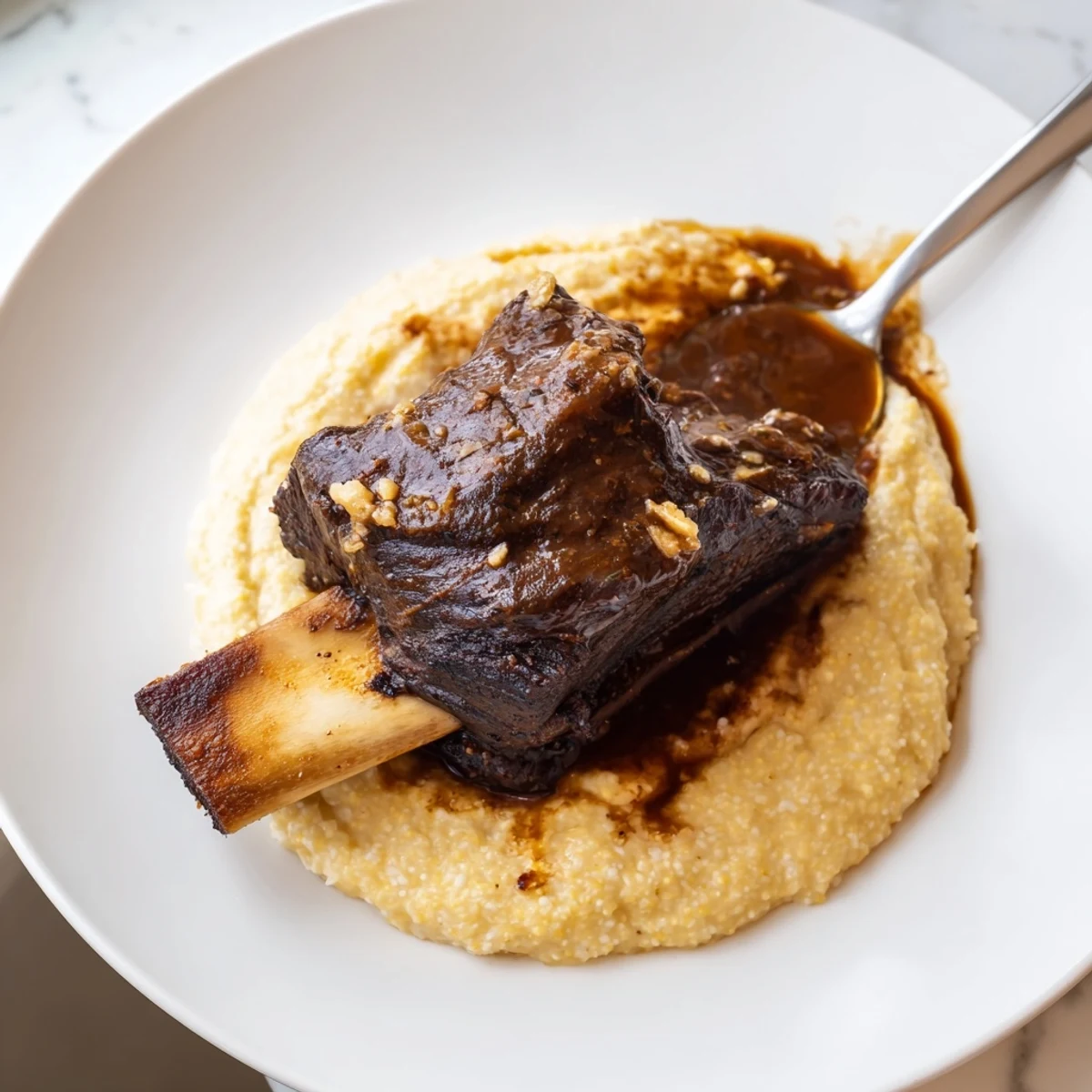
 Experience tender beef short ribs slowly cooked in a rich red wine and herb sauce to achieve a fall-off-the-bone texture. Served over a smooth, buttery polenta enriched with Parmesan and milk, this dish combines deep flavors with velvety consistency. Perfect for a comforting main course, it blends savory braised meat with creamy cornmeal base, enhanced by classic Italian-American seasonings and slow cooking techniques.
The winter I first made these short ribs, my tiny apartment radiator rattled against the wall while snow piled up outside my windows. I'd invited three friends over for dinner, convinced I could recreate a dish I'd fallen in love with at a neighborhood bistro. The red wine reduction filled every corner of my 400-square-foot studio, smelling expensive and sophisticated enough to make up for my secondhand furniture. When my friends took their first bites, the conversation stopped completely—that's how tender the meat had become after three hours of patient braising.
My grandmother never cooked with wine, but she understood the principle of long, slow cooking transforming tough cuts into something extraordinary. I learned that watching her pot roast bubble away on Sunday afternoons, the meat eventually surrendering until a fork could pull it apart. When I discovered short ribs years later, I realized they're essentially pot roast's sophisticated cousin, with more collagen to break down into silk and more flavor to concentrate. The first time I served this to my Italian-American neighbor, she grabbed my arm and said this was the kind of food that builds families.
Ingredients
- 4 bone-in beef short ribs (about 2.5–3 lbs total): Bone-in ribs provide more flavor and collagen for a richer sauce, but you can use boneless if that's what your butcher recommends
- 1½ tsp kosher salt: Season the ribs generously before searing because this is your main opportunity to season the meat itself
- 1 tsp freshly ground black pepper: Freshly ground makes a noticeable difference in the crust that forms during searing
- 2 tbsp olive oil: You need enough oil to get a proper sear without overcrowding the pan
- 1 large yellow onion, diced: The foundation of your braise, breaking down into sweetness that balances the wine's acidity
- 2 carrots, peeled and diced: Essential for the aromatic base and natural sweetness in the sauce
- 2 celery stalks, diced: Completes the classic mirepoix that gives French braises their backbone
- 4 cloves garlic, minced: Add these after the vegetables soften so they don't burn and turn bitter
- 2 tbsp tomato paste: Concentrates and deepens the sauce while adding umami richness
- 2 cups dry red wine: Choose something you'd actually drink, avoiding anything too oaky or tannic
- 2 cups beef stock: Homemade stock makes a difference, but a good quality store-bought version works perfectly
- 2 sprigs fresh thyme: Woodier herbs hold up better to long braising than delicate leafy ones
- 2 sprigs fresh rosemary: Just enough to scent the sauce without overwhelming the beef flavor
- 2 bay leaves: Remove these before serving, but let them work their magic during braising
- 4 cups water: The liquid base for your polenta
- 1 cup coarse cornmeal (polenta): Coarse grind gives the best texture, but medium works in a pinch
- 1 tsp salt: Polenta needs plenty of salt to bring out the corn's natural sweetness
- 2 tbsp unsalted butter: Finish the polenta with butter for that restaurant-quality sheen and flavor
- ½ cup grated Parmesan cheese: Adds savory depth and helps create that velvety consistency
- ½ cup whole milk (or heavy cream): The secret to incredibly luxurious polenta that still feels comforting rather than heavy
Instructions
- Get your oven ready and season the meat:
- Preheat your oven to 325°F, then pat the short ribs completely dry with paper towels. Season them generously on all sides with the salt and pepper, pressing the seasoning into the meat.
- Create the foundation:
- Heat the olive oil in your Dutch oven over medium-high heat until it shimmers. Sear the short ribs on all sides until they're deeply browned, about 3–4 minutes per side. Work in batches if your pot is crowded, then transfer the ribs to a plate.
- Build the aromatic base:
- Add the onions, carrots, and celery to the pot, cooking for 5–7 minutes until softened. Stir in the garlic and tomato paste, cooking for 2 more minutes while stirring constantly to prevent the tomato paste from scorching.
- Develope the sauce:
- Pour in the red wine, using your wooden spoon to scrape up all those browned bits from the bottom of the pot. Let it simmer for 5 minutes until slightly reduced and the raw alcohol smell has cooked off.
- Braise until tender:
- Add the beef stock, thyme, rosemary, and bay leaves, then return the short ribs to the pot with any accumulated juices. The liquid should nearly cover the meat. Bring everything to a simmer, cover tightly, and transfer to the oven. Braise for 2 to 2½ hours until the meat is fork-tender.
- Make the creamy polenta:
- About 30 minutes before the ribs are done, bring the 4 cups of water and salt to a boil in a saucepan. Slowly whisk in the polenta in a steady stream to prevent lumps. Reduce heat to low and cook, stirring often to prevent sticking, for 25–30 minutes until thickened and the cornmeal no longer tastes raw.
- Finish the polenta:
- Stir in the butter, Parmesan, and milk until everything is melted and incorporated. Taste and adjust the seasoning if needed, then keep it warm over very low heat, stirring occasionally.
- Bring it all together:
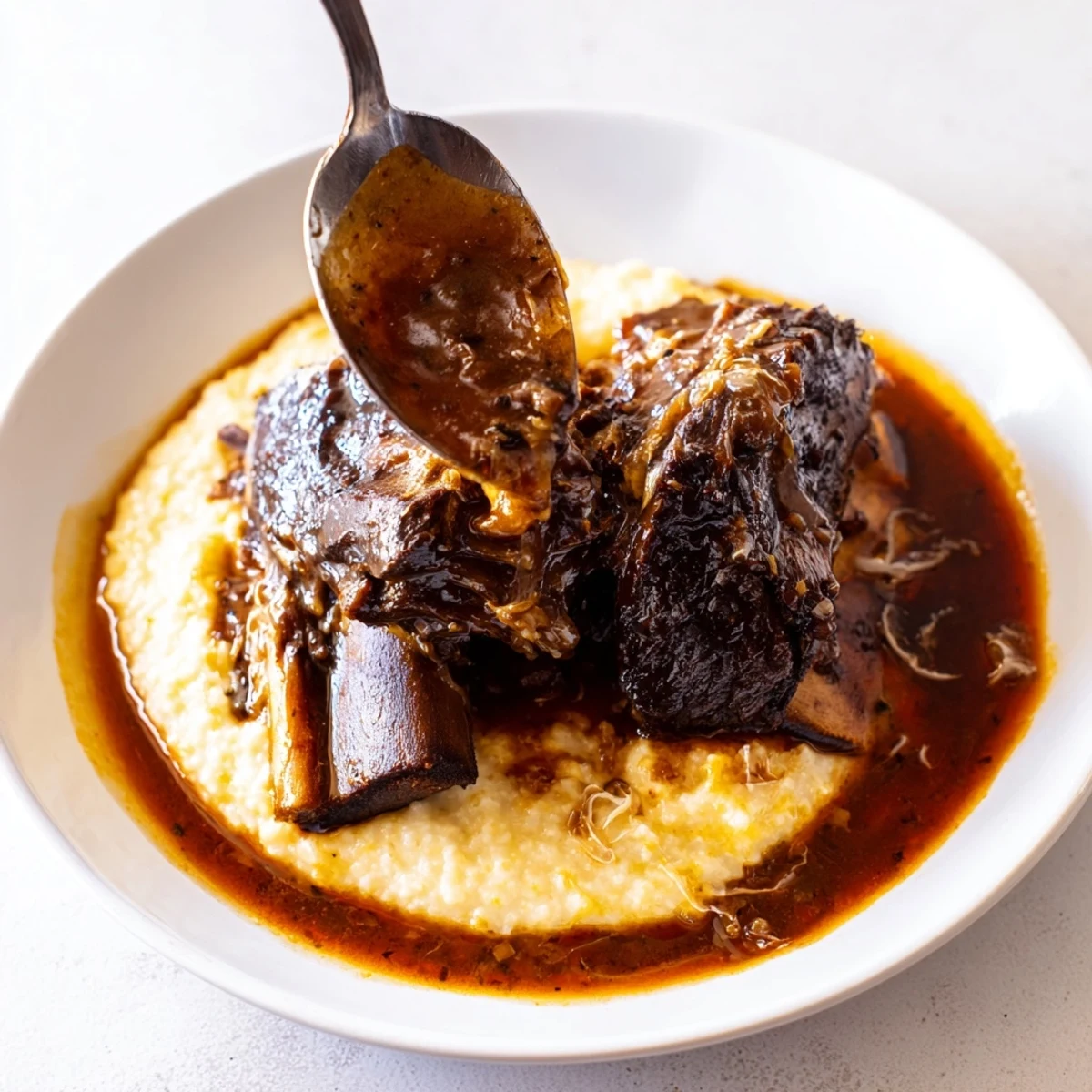
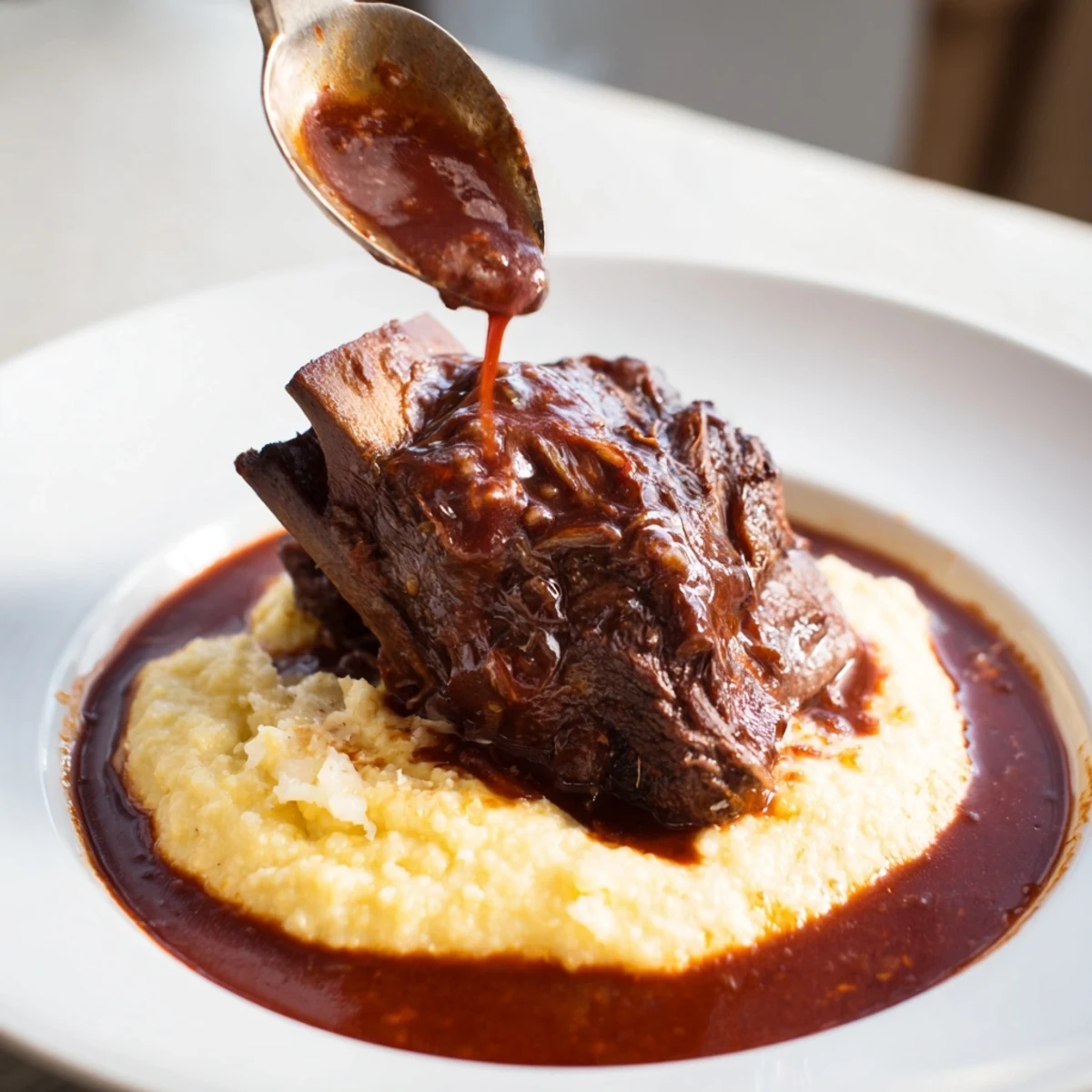
- Remove the short ribs from the oven and fish out the herb sprigs and bay leaves. Skim any excess fat from the surface of the sauce if you prefer a lighter result. Serve the ribs over a bed of creamy polenta, spooning the braising liquid generously over everything.
 Save to Pinterest
 Last Valentine's Day, I made this for someone who claimed they didn't like beef. They took one bite of the ribs, the meat literally falling apart as they pulled it from the bone, and asked if I could make it every Sunday from now on. That's when I realized this recipe isn't just dinner, it's the kind of food that creates memories around the table.
Making It Ahead
The flavors actually improve overnight, so I often make the ribs a day before serving. Let the braised meat cool completely in the sauce, then refrigerate. The next day, remove and discard the hardened fat from the surface before reheating gently over low heat. This also gives you the perfect opportunity to make the polenta fresh right before serving.
Wine Pairing Wisdom
The same wine you cook with makes an excellent pairing, but honestly, any full-bodied red works beautifully here. I've served this with everything from California Cabernet to Italian Barolo, and the dish holds its own against robust wines. If you're watching your budget, a good-quality table wine from the same region as your cooking wine creates a lovely harmony.
Troubleshooting Your Braise
If your sauce seems too thin after braising, remove the ribs and simmer the liquid on the stovetop until it reduces to a consistency that coats a spoon. Conversely, if the sauce becomes too thick, simply add a splash more beef stock or water. The key is trusting your senses rather than strict measurements, as every batch of ribs releases slightly different amounts of collagen and fat.
- If the polenta starts to clump, whisk vigorously and add a splash of warm water or milk to smooth it out
- The ribs are done when a fork slides in with zero resistance and the meat pulls apart easily
- This dish reheats beautifully for lunch the next day, though you may need to add a splash of milk to the polenta when rewarming
 Save to Pinterest
 There's something profoundly satisfying about a dish that rewards patience so generously. Whether it's a Tuesday dinner for yourself or a Saturday feast for friends, these short ribs have a way of making any occasion feel special.
Questions & Answers About the Recipe
- → What cut of beef works best for this dish?
-
Bone-in short ribs are ideal as they develop rich flavors and become tender when slow-braised.
- → How can I make the polenta creamy and smooth?
-
Slowly cook coarse cornmeal with water, stirring frequently, then finish with butter, Parmesan, and milk to add richness.
- → Can I substitute the red wine?
-
Yes, a full-bodied red wine like Cabernet Sauvignon or Barolo complements the dish, but you can use non-alcoholic alternatives if desired.
- → How long should the beef be braised?
-
Braise the beef for about 2 to 2½ hours at 325°F until the meat becomes very tender and easily pulls away from the bone.
- → Are there any tips to enhance the sauce’s flavor?
-
Adding a splash of balsamic vinegar before serving adds extra depth and brightness to the rich sauce.
- → Is this dish gluten-free?
-
Yes, provided any stock or cheese used do not contain hidden gluten ingredients.