
 Save to Pinterest
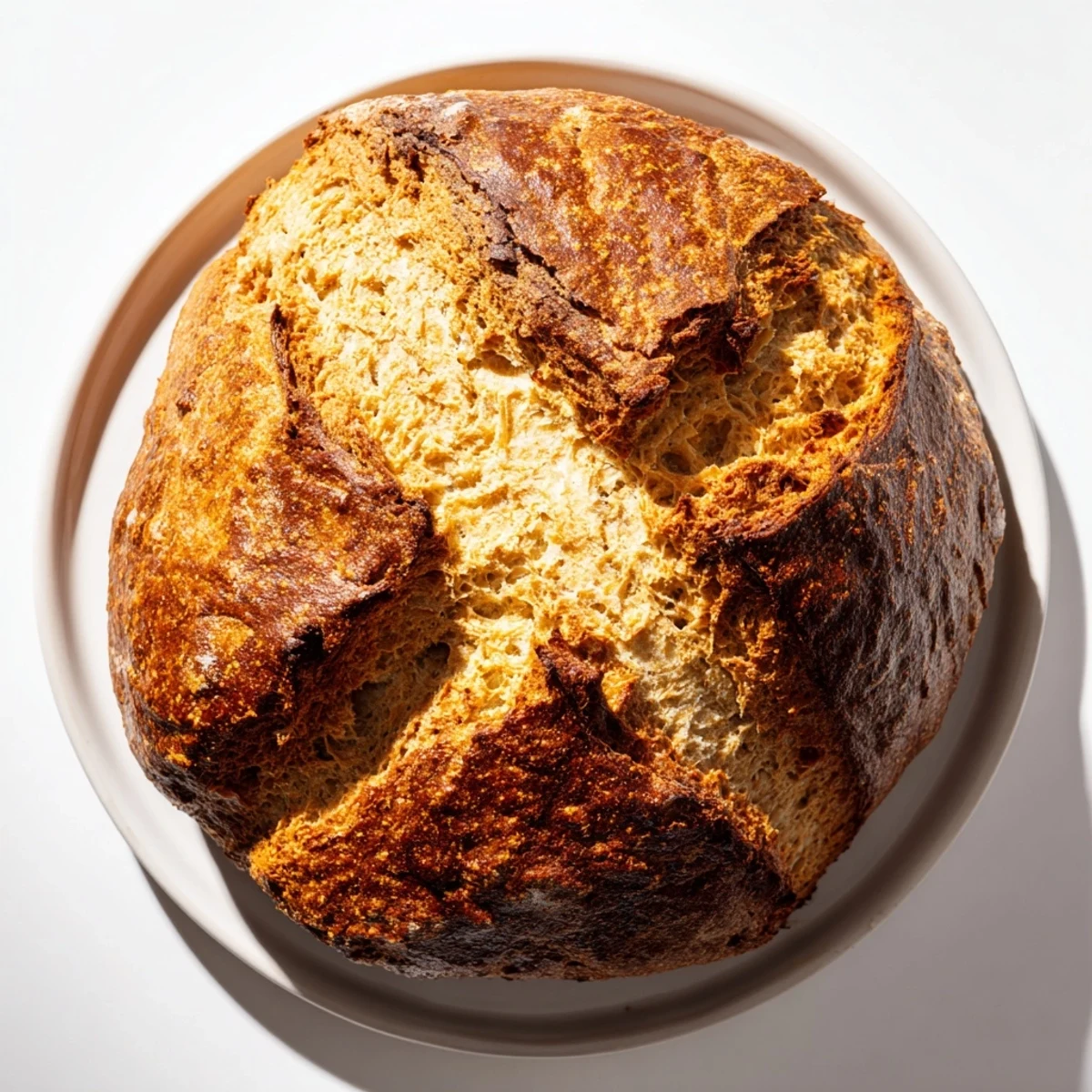
 This traditional Irish soda bread combines just four key ingredients: flour, baking soda, salt, and buttermilk. The dough is gently kneaded and shaped into a round loaf before baking to a golden crust with a tender interior. Perfectly suited for breakfast or paired with stews, it offers a rustic, hearty texture without requiring yeast or long rising times. Variations include using whole wheat flour or substituting buttermilk with milk and lemon juice for similar tang.
The rain was hitting our kitchen window in Galway when my grandmother taught me this recipe, her hands moving with that confident rhythm bakers develop after decades. She told me soda bread was born from necessity—when yeast was scarce and ovens were wood-fired, Irish families needed something they could mix and bake quickly. Now every time I cut that deep X into the dough, I'm transported back to that cozy afternoon filled with the scent of flour and the sound of laughter.
Last St. Patricks Day, I made three loaves back to back because my neighbors kept wandering over, drawn by the incredible aroma. We ended up slicing through all of them right there on the counter, butter melting into the warm crumb, nobody bothering with proper plates or utensils. Sometimes the simplest foods create the best gatherings.
Ingredients
- All-purpose flour: The backbone of your bread, creating structure and that tender interior we love
- Baking soda: Our leavening agent that reacts instantly with buttermilk for rise
- Fine sea salt: Enhances flavor and helps balance the tangy buttermilk
- Buttermilk: The magic ingredient that activates the soda and adds subtle complexity
Instructions
- Get your oven ready:
- Preheat to 425°F (220°C) and line your baking sheet with parchment paper—this prevents sticking and makes cleanup effortless
- Mix the dry foundation:
- Whisk flour, baking soda, and salt in a large bowl until everything is evenly distributed
- Bring it together:
- Pour buttermilk into a well in the center and stir gently with a wooden spoon until you have a shaggy, slightly sticky dough
- Shape with care:
- Turn onto a floured surface, fold the dough over itself just a few times—overworking will make it tough—and form a round, slightly flattened loaf about 2 inches thick
- Mark your bread:
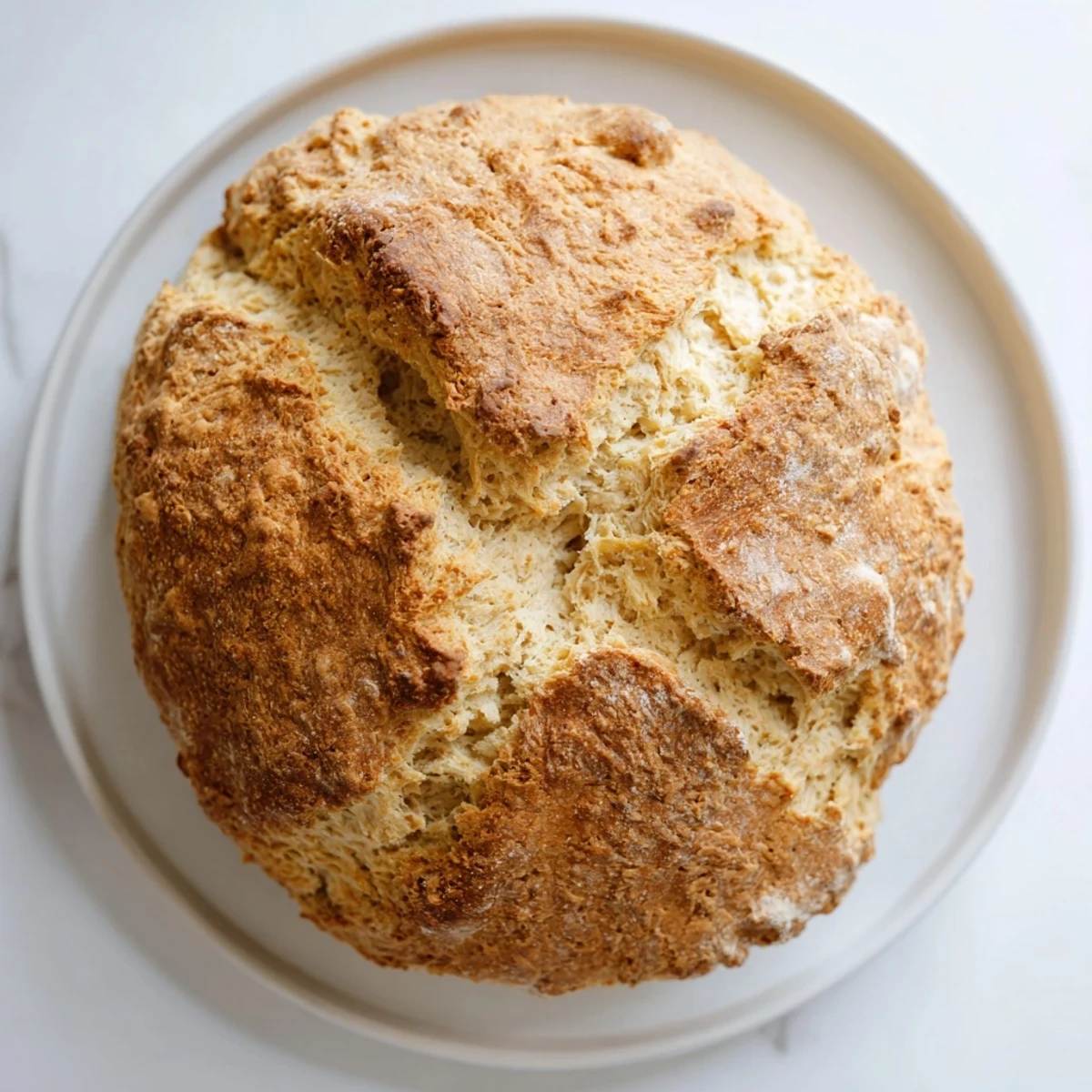
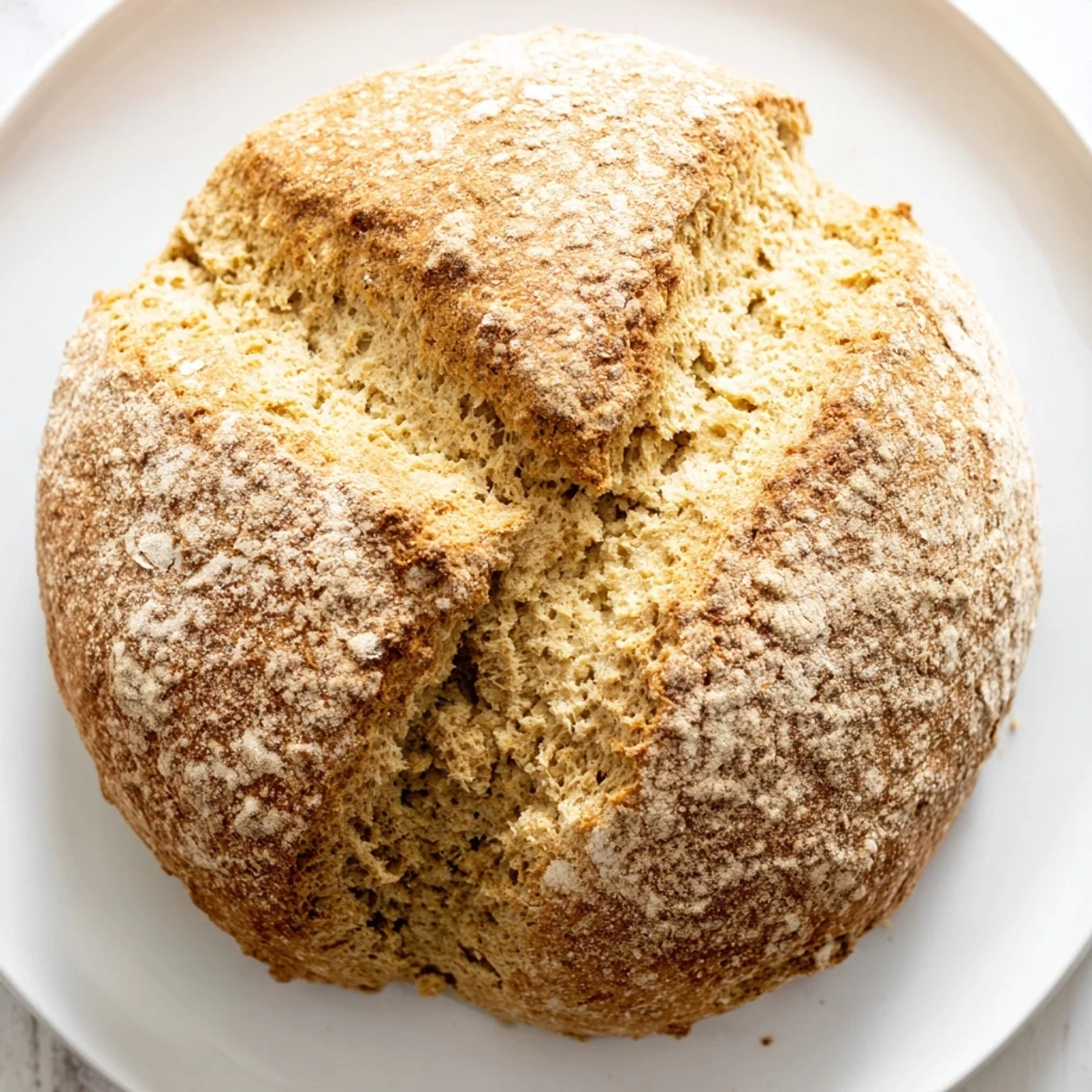
- Use a sharp knife to cut a deep X across the top, about halfway down into the dough, to help it bake evenly
- Bake to golden perfection:
- Bake 30–35 minutes until deeply golden and the bottom sounds hollow when tapped—that hollow sound is your bread whispering that its done
- The hardest part—waiting:
- Let the bread cool on a wire rack for at least 30 minutes because cutting it warm will make the crumb gummy
 Save to Pinterest
 My friend Sarah, whos been afraid of yeast baking for years, made this on her first try and called me in tears of joy. Now she bakes a loaf every Sunday morning, and her family waits at the table with butter knives ready. Theres something profoundly satisfying about bread that doesnt ask for perfection—just your hands and forty-five minutes.
Making It Your Own
Ive experimented with adding a handful of raisins and caraway seeds for a sweeter version, or rosemary and grated cheddar for something savory. The beauty of this dough is how forgiving it is—you can even swap half the flour for whole wheat to add nuttiness and texture. Just keep the proportions the same and trust the process.
The Buttermilk Secret
Fresh buttermilk gives the best tang, but in a pinch, Ive used regular milk mixed with vinegar or lemon juice. Let it sit for five minutes until it thickens slightly—this mimics the acidity needed to activate the baking soda. The resulting bread might be slightly milder in flavor, but still absolutely delicious.
Serving Suggestions
Soda bread is at its absolute best slathered with salted butter while still slightly warm, perhaps with a drizzle of honey or your favorite jam. It also makes incredible toast the next day, the exterior becoming wonderfully crisp while staying tender inside. I love serving it alongside hearty soups or Irish stew to soak up every last drop.
- Freeze extra loaves wrapped tightly in plastic and theyll keep for a month
- Leftover slices make the best breakfast toast or bread pudding
- The X cut helps you tear the loaf into four quarters easily
 Save to Pinterest
 Theres something almost meditative about making this bread, the way your hands learn to feel when the dough is right. May your kitchen be filled with flour dust and the smell of fresh bread.
Questions & Answers About the Recipe
- → What makes soda bread different from other breads?
-
Soda bread uses baking soda as a leavening agent instead of yeast, allowing for quick preparation and a dense yet tender texture.
- → Can I substitute buttermilk in this bread?
-
Yes, mix milk with lemon juice or vinegar and let it sit for 5 minutes to mimic buttermilk's acidity and texture.
- → Why is it important not to over-knead the dough?
-
Over-kneading develops gluten excessively, resulting in a tough texture; gentle mixing keeps the crumb tender.
- → What does the X cut on top of the loaf do?
-
The deep cut helps steam escape during baking and allows the bread to expand evenly, giving it a traditional appearance.
- → How do I know when the bread is fully baked?
-
The bread should be golden brown and sound hollow when tapped on the bottom, indicating it is cooked through.
- → Can I use whole wheat flour in this bread?
-
Replacing half the all-purpose flour with whole wheat adds richer flavor but may produce a denser loaf.