
 Save to Pinterest
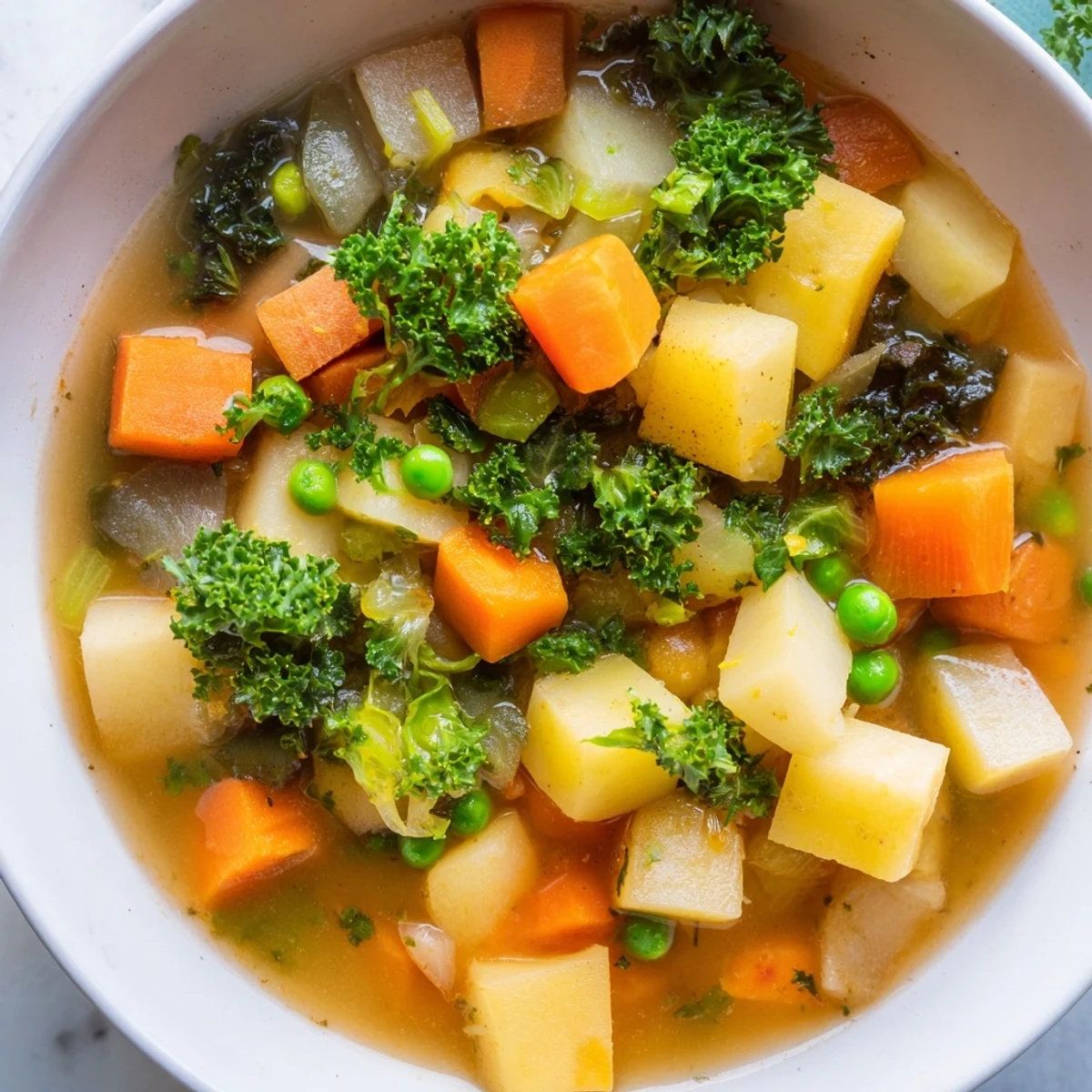
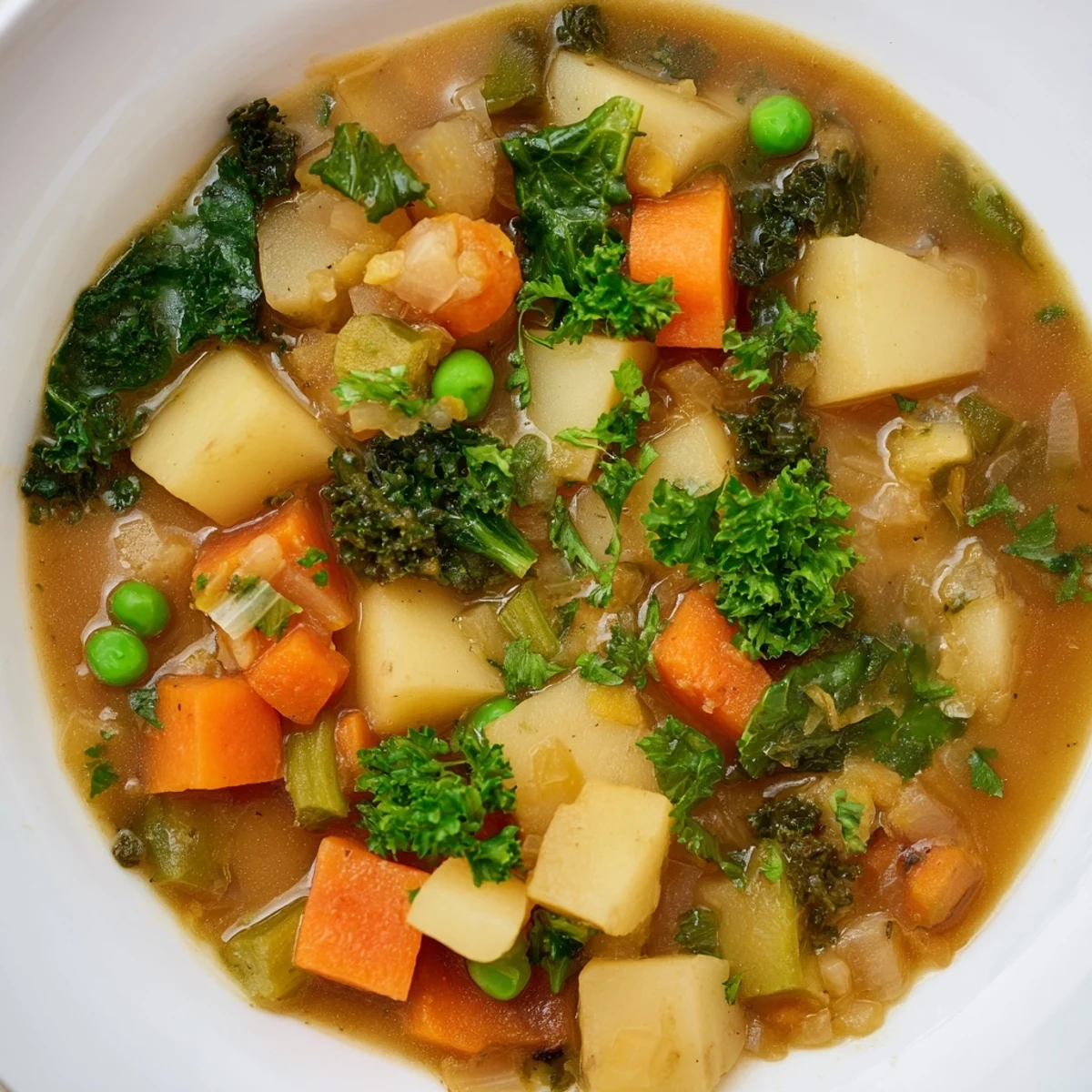
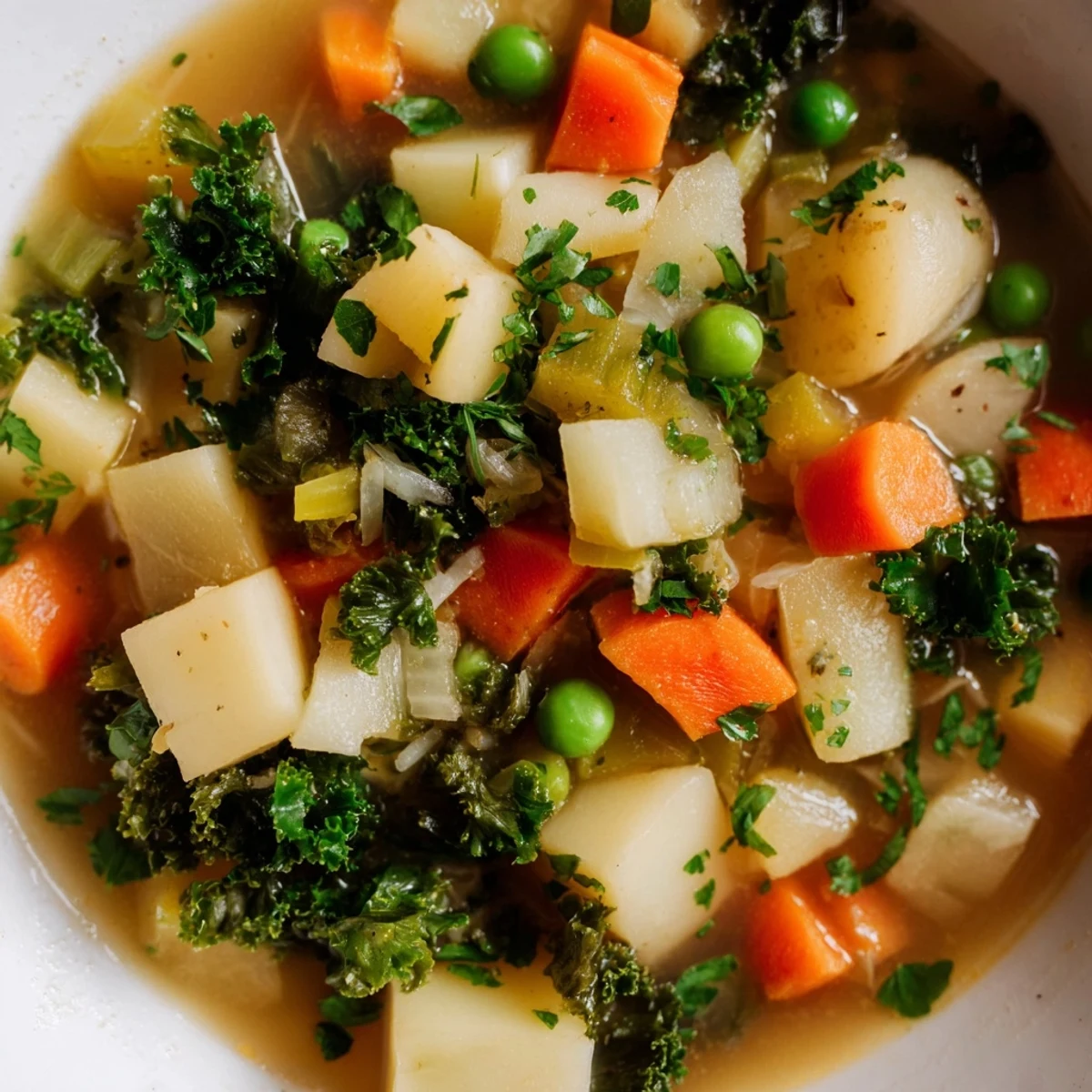
 This stew blends a variety of winter vegetables including carrots, parsnips, turnip, potatoes, rutabaga, kale, and peas simmered slowly in a seasoned vegetable broth. The process begins with sautéing aromatic onion and garlic, followed by tenderizing the root veggies. Fresh herbs like thyme and rosemary infuse earthy flavors as the stew cooks gently, creating a nourishing and warming dish ideal for chilly days. Garnished with fresh parsley, it offers a comforting and wholesome meal packed with natural goodness and vibrant textures.
The smell of root vegetables hitting hot olive oil on a snowy Tuesday evening is what convinced me this stew was worth making again and again. I'd grabbed whatever looked good at the winter market, piled it all into one pot, and crossed my fingers. The kitchen fogged up with steam, the broth turned golden, and I realized I'd stumbled onto something that actually tasted like comfort.
I made this the night my sister showed up unannounced, cold and exhausted from a long drive. She sat at the counter while I chopped parsnips and potatoes, talking about nothing in particular, and by the time the stew was ready, the whole mood had shifted. We ate two bowls each, mopping up the broth with bread, and she still texts me sometimes asking if I remember that night.
Ingredients
- Olive oil: Just enough to coax the onions into softening without any harshness, a gentle start that matters more than you'd think.
- Onion: The foundation that disappears into the broth but leaves behind all the sweetness you didn't know you needed.
- Garlic: Two cloves are plenty, they mellow out as everything simmers and add a quiet warmth that holds it all together.
- Carrots and parsnips: Carrots bring sweetness, parsnips bring a subtle earthiness, and together they create a balance that feels almost accidental but isn't.
- Celery: It adds a vegetal backbone that keeps the stew from tipping too sweet, a quiet player that does more work than it gets credit for.
- Turnip, potatoes, and rutabaga: These three give the stew its heartiness, each one softening at its own pace and soaking up the broth in its own way.
- Kale or Swiss chard: I like the way the greens wilt into the stew at the end, adding color and a slight bitterness that wakes everything up.
- Frozen peas: A handful of brightness stirred in at the last minute, they stay sweet and pop against the deeper flavors.
- Diced tomatoes: They bring acidity and body to the broth, turning it from thin to something you want to soak up with bread.
- Vegetable broth: Use a good one if you can, it makes a difference when the broth is doing half the work.
- Bay leaf, thyme, and rosemary: The trio that makes the kitchen smell like someone who knows what they're doing lives here.
- Salt and pepper: Taste as you go, the vegetables will release their own flavors and you'll want to adjust at the end.
- Fresh parsley: A handful chopped over the top makes it feel finished, like you didn't just throw everything in a pot and hope for the best.
Instructions
- Start with the aromatics:
- Heat the olive oil in a large pot over medium heat, add the diced onion, and let it soften for a few minutes until it smells sweet and looks translucent. This is where the whole stew begins, so don't rush it.
- Add the garlic and root vegetables:
- Toss in the garlic, carrots, parsnips, celery, turnip, potatoes, and rutabaga, then sauté everything together for 5 to 7 minutes, stirring now and then. The vegetables will start to pick up a little color and the kitchen will smell earthy and promising.
- Build the broth:
- Stir in the diced tomatoes, vegetable broth, bay leaf, thyme, rosemary, pepper, and salt, then turn up the heat until it starts to bubble. Once it boils, lower the heat, cover the pot, and let it simmer for 30 minutes until the vegetables are tender enough to break apart with a spoon.
- Finish with greens and peas:
- Stir in the chopped kale or Swiss chard and the frozen peas, then let everything simmer uncovered for another 5 to 7 minutes. The greens will wilt down and the peas will brighten up the whole pot.
- Adjust and serve:
- Fish out the bay leaf, taste the broth, and add more salt or pepper if it needs it. Ladle the stew into bowls and scatter fresh parsley over the top before serving.
 Save to Pinterest
 One night I made this for a potluck and worried it was too plain, too simple, nothing fancy about a pot of vegetables in broth. But people came back for seconds, scraped their bowls clean, and someone even asked if I'd written the recipe down. That's when I realized that sometimes the plainest things are the ones people remember.
What to Serve It With
I almost always set out a basket of crusty bread or a plate of warm rolls because the broth is too good to leave behind in the bowl. Sometimes I'll spoon the stew over cooked farro or barley to make it even heartier, and it works beautifully that way too. A simple green salad with a sharp vinaigrette cuts through the richness and makes the whole meal feel balanced.
How to Store and Reheat
This stew keeps well in the fridge for up to four days, and honestly it tastes better the second day when everything has had time to soak into the broth. I store it in a big container and reheat it gently on the stove, adding a splash of water or broth if it's thickened up too much. It also freezes beautifully for up to three months, just let it cool completely before transferring it to freezer-safe containers.
Ways to Make It Your Own
I've swapped in sweet potatoes when I had them, stirred in a can of white beans for extra protein, and even tossed in a handful of Brussels sprouts because they were sitting in the fridge. The beauty of this stew is that it's forgiving and adaptable, so use what you have and what sounds good to you.
- Add a drained can of chickpeas or white beans in the last few minutes for a protein boost.
- Swap kale for spinach, collard greens, or even mustard greens depending on what's available.
- Stir in a spoonful of miso paste or a splash of soy sauce for a deeper, umami-rich broth.
 Save to Pinterest
 This stew has become my go-to on the kind of evenings when I just want something warm, simple, and reliable. It's the kind of meal that doesn't ask for much but gives back plenty.
Questions & Answers About the Recipe
- → What vegetables are best for winter stew?
-
Root vegetables like carrots, parsnips, turnips, rutabaga, and hearty greens such as kale or Swiss chard provide great texture and flavor during winter months.
- → How long should the stew simmer?
-
Simmer the stew for around 30 minutes to ensure the vegetables become tender and flavors meld well.
- → Can I add protein to this dish?
-
Yes, adding drained white beans or chickpeas near the end boosts protein without altering the dish’s natural taste.
- → What herbs complement winter vegetables?
-
Thyme and rosemary add a warm, aromatic note that enhances the earthy flavors of root vegetables.
- → How can I adjust seasoning after cooking?
-
Remove the bay leaf, then taste and add salt or pepper gradually to suit your preferred balance.