
 Save to Pinterest
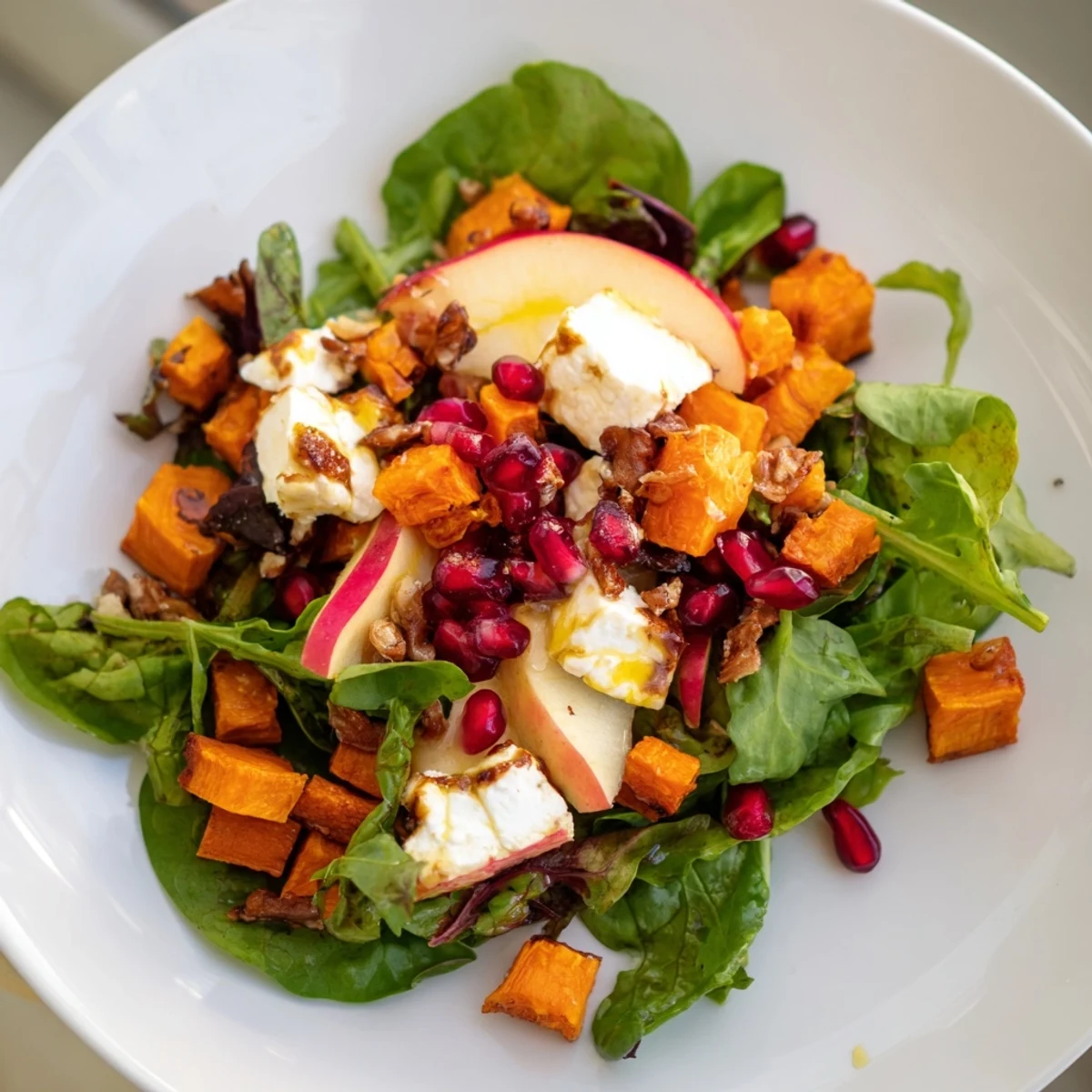
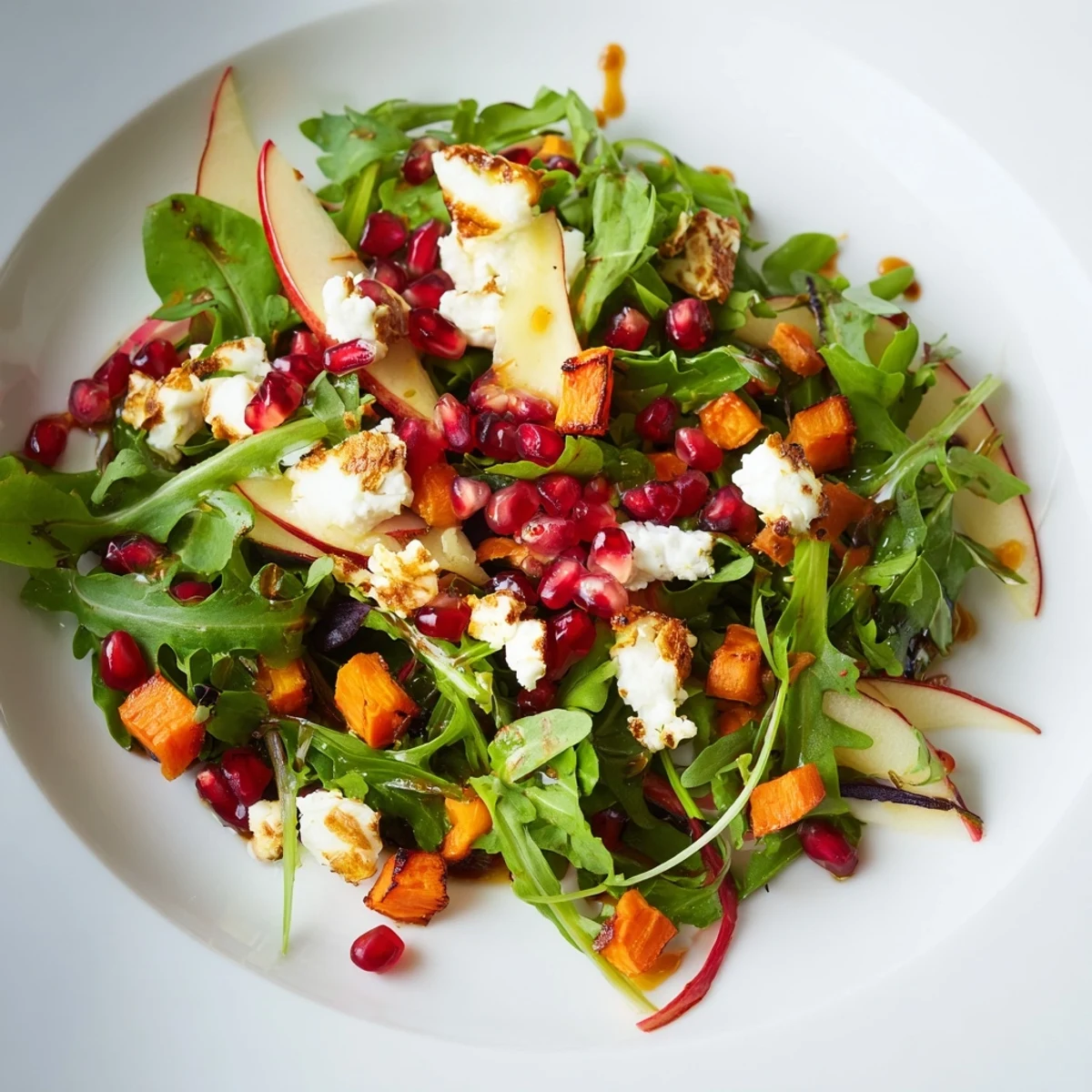
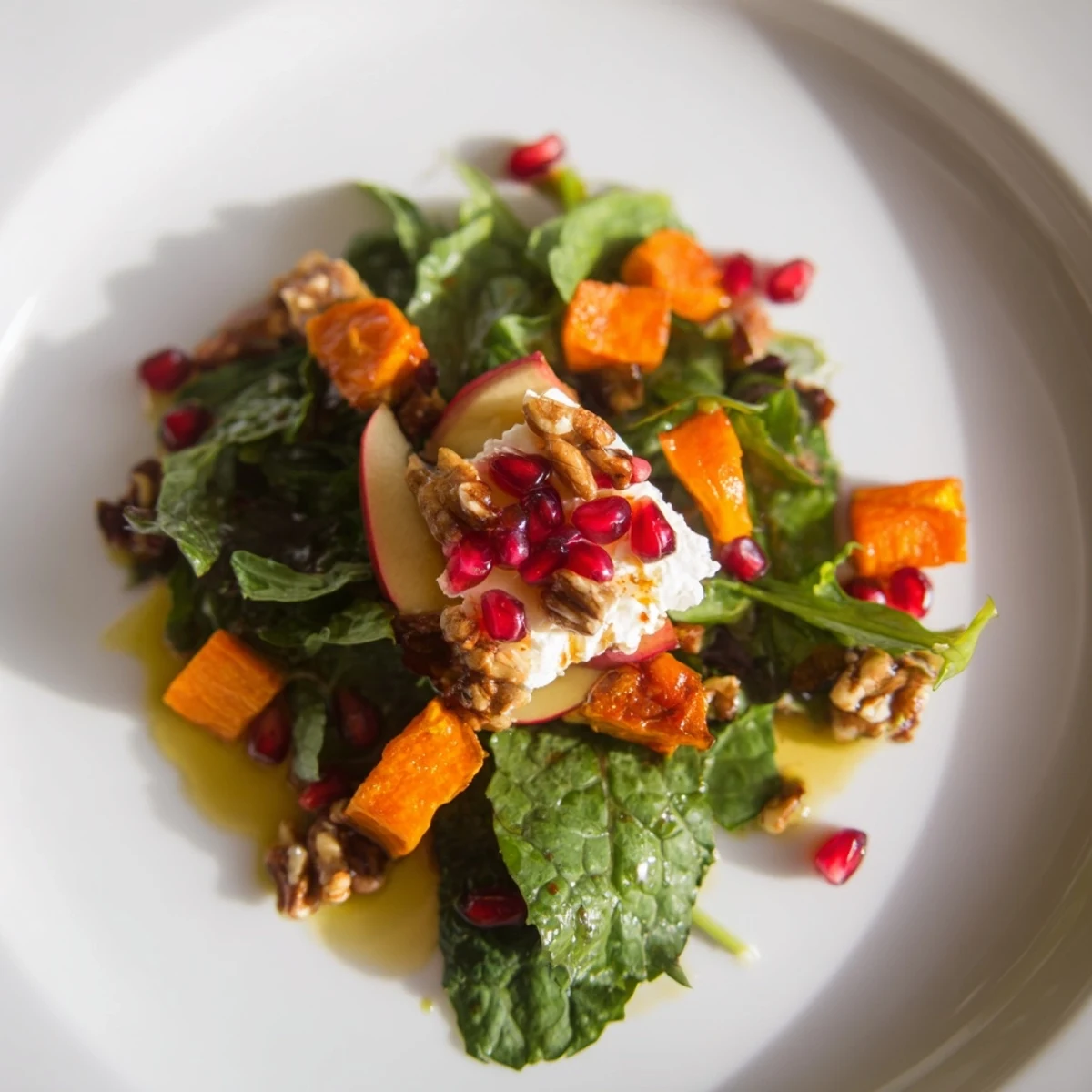
 This winter salad mix brings together baby kale, arugula, and radicchio with roasted carrots, sweet potatoes, and beets. Toasted walnuts, crumbled goat cheese, apples, and pomegranate seeds add texture and flavor. Tossed in a tangy citrus dressing made from orange juice, apple cider vinegar, and honey, it offers a refreshing, wholesome dish that suits cold weather meals. Quick to prepare and perfect for vegetarians and gluten-free diets, it pairs well with light wines.
There's something about the first truly cold snap that makes me crave salad—sounds backwards, I know. I was standing in the farmer's market on a gray November morning, watching clouds roll in, when I spotted the most gorgeous bunch of kale still glistening with frost. That's when it clicked: winter doesn't need heavy soups and stews. A salad with roasted roots, warm spices clinging to caramelized vegetables, and a bright citrus dressing felt like the right answer to gray skies.
I made this for a potluck last January when everyone expected casseroles, and people actually came back for thirds. One friend asked if it was from a restaurant, which made me laugh because it's the opposite of complicated. That moment—when something simple you threw together becomes the thing people remember—that's when I knew this salad had staying power.
Ingredients
- Baby kale: Use the tender leaves if you can find them; they're less bitter and won't need a massage before serving.
- Arugula: The peppery backbone of the salad; don't skip it or you lose a whole flavor dimension.
- Radicchio: This is where the salad gets its attitude—slightly bitter, beautiful purple color, and it stands up to the dressing without wilting.
- Carrots, sweet potato, and beetroot: The roasting is crucial; they transform from raw and earthbound into something almost sweet and caramelized.
- Olive oil for roasting: Good quality here matters because you taste it directly on the vegetables.
- Walnuts: Toast them yourself if possible; the difference between store-bought and freshly toasted is night and day.
- Goat cheese: Crumble it by hand just before serving so it stays creamy and doesn't compact.
- Apple and pomegranate: These add brightness and a little sweetness that balances the earthiness of the roots and the sharpness of the greens.
- Extra-virgin olive oil for dressing: This is where your best oil goes; it's the star of the show.
- Orange juice and apple cider vinegar: The combination is brighter than lemon alone and gives the dressing a subtle complexity.
Instructions
- Set up your oven and prep the vegetables:
- Preheat to 200°C while you peel and dice everything into similar-sized pieces so they roast evenly. The smaller and more uniform they are, the crispier the edges will be.
- Roast the roots until they caramelize:
- Toss with olive oil, salt, and pepper, then spread in a single layer. You'll hear them sizzle almost immediately; that's the sound of the magic happening. Turn them halfway through so every side gets a chance to brown and sweeten.
- Build your salad base:
- While vegetables cool, combine the kale, arugula, and radicchio in your largest bowl. Don't dress yet or everything will wilt before you're ready.
- Layer in the additions:
- Add the still-warm roasted vegetables, then scatter the apple slices, walnuts, goat cheese, and pomegranate seeds across the top. The warmth of the vegetables will soften the apple slightly and warm the cheese, which is exactly what you want.
- Make the dressing and bring it together:
- Whisk the oil, orange juice, vinegar, mustard, and honey until it emulsifies and turns slightly lighter in color. Drizzle over the salad just before serving and toss gently so nothing bruises.
 Save to Pinterest
 My grandmother used to say that eating something beautiful lifts your mood before the fork even reaches your mouth. Watching someone cut into a caramelized beet and pomegranate seed tumble onto their plate—that's when you know you've made something worth making.
Why Winter Greens Change Everything
There's a misconception that winter vegetables are bland or boring, but that's only true if you don't know how to treat them. Kale and arugula in winter are actually sweeter and more tender than their summer counterparts because cold weather pushes sugars into the leaves as a protection mechanism. Radicchio in particular becomes a completely different vegetable when it's been through a frost. Pair that with roasted roots that have concentrated their natural sugars in the oven, and suddenly winter tastes like color and complexity.
The Dressing Is Everything
I used to think salad dressing was an afterthought, something to pour over and call it done. Then I tasted a properly emulsified dressing where every component is in balance, and I understood why some people obsess over vinaigrettes. The mustard acts as an emulsifier, the honey rounds out the acidity, and the orange juice adds a warmth that vinegar alone never could. It's a dressing that tastes like it knows what it's doing.
Substitutions and Variations That Work
I've made this salad a hundred different ways depending on what was in my crisper drawer and what people I was cooking for could eat. The structure is flexible enough to take substitutions without falling apart. Swap the goat cheese for feta or skip it entirely for vegan; use pecans or sunflower seeds instead of walnuts; trade the beetroot for roasted parsnips or celeriac.
- For vegan, goat cheese swaps with cashew cream or simply omitted; the salad is complete without it.
- For nut allergies, roasted seeds like pumpkin or sunflower provide the same textural contrast and richness.
- If pomegranate is out of season or expensive, a handful of dried cranberries adds tartness and chew in its place.
 Save to Pinterest
 This salad has taught me that winter cooking doesn't need to be heavy or dark. A good salad, made with intention and season-appropriate ingredients, is just as nourishing as anything that simmers on the stove for hours.
Questions & Answers About the Recipe
- → What greens are used in this salad?
-
Baby kale, arugula (rocket), and chopped radicchio form the base of this salad, providing a mix of flavors and textures.
- → How are the root vegetables prepared?
-
Carrots, sweet potatoes, and beetroot are peeled, diced, tossed in olive oil, salt, and pepper, then roasted until tender and caramelized.
- → Can this salad be made vegan?
-
Yes, simply omit the goat cheese or replace it with a plant-based alternative to keep it vegan-friendly.
- → What adds crunch and sweetness to the dish?
-
Toasted walnuts provide crunch, while apple slices and pomegranate seeds contribute a sweet and tart contrast.
- → How is the dressing made?
-
The dressing combines extra-virgin olive oil, fresh orange juice, apple cider vinegar, Dijon mustard, honey, salt, and pepper whisked together until smooth.
- → Are there allergen concerns?
-
This salad contains tree nuts (walnuts), dairy (goat cheese), and mustard, so those with allergies should proceed accordingly.