
 Save to Pinterest
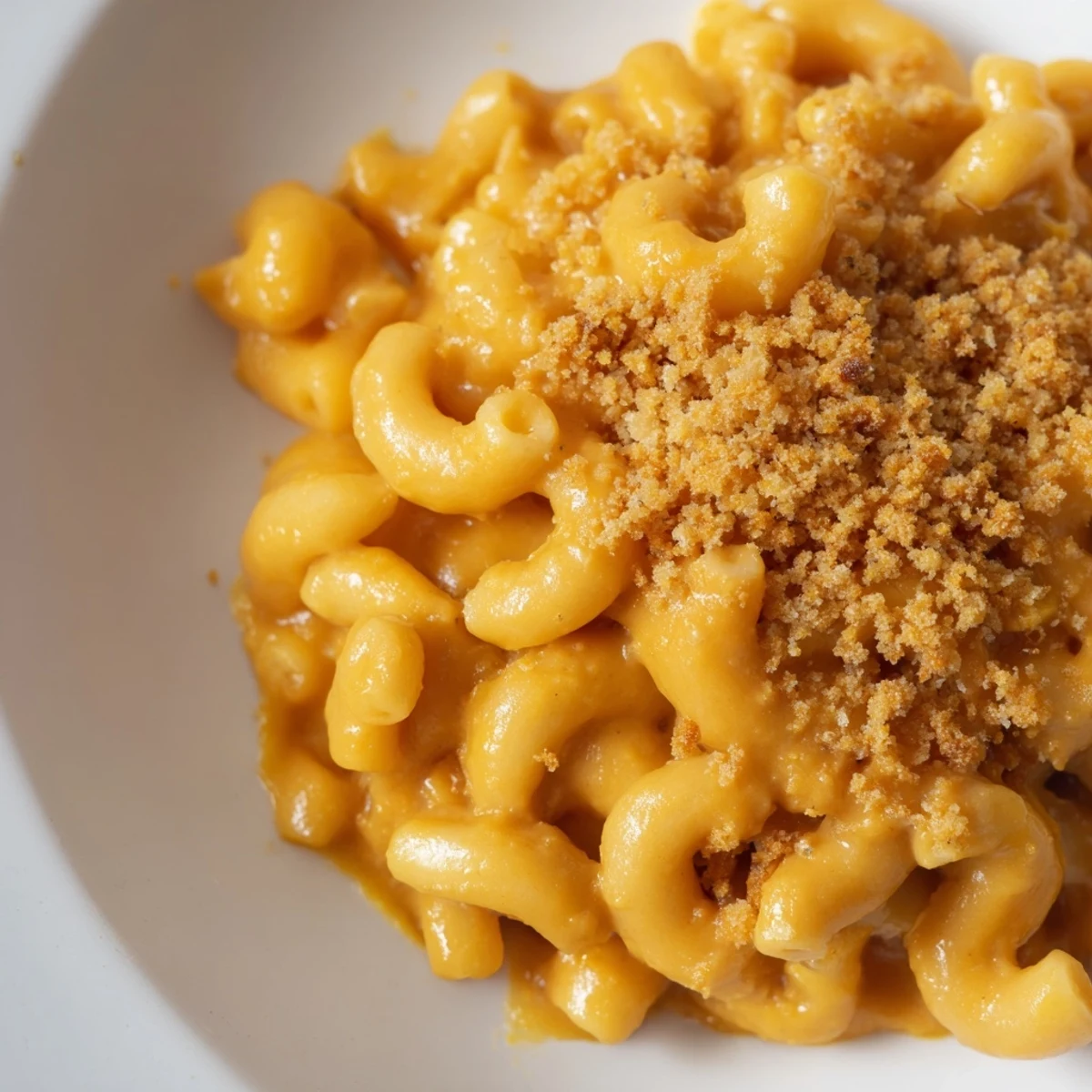
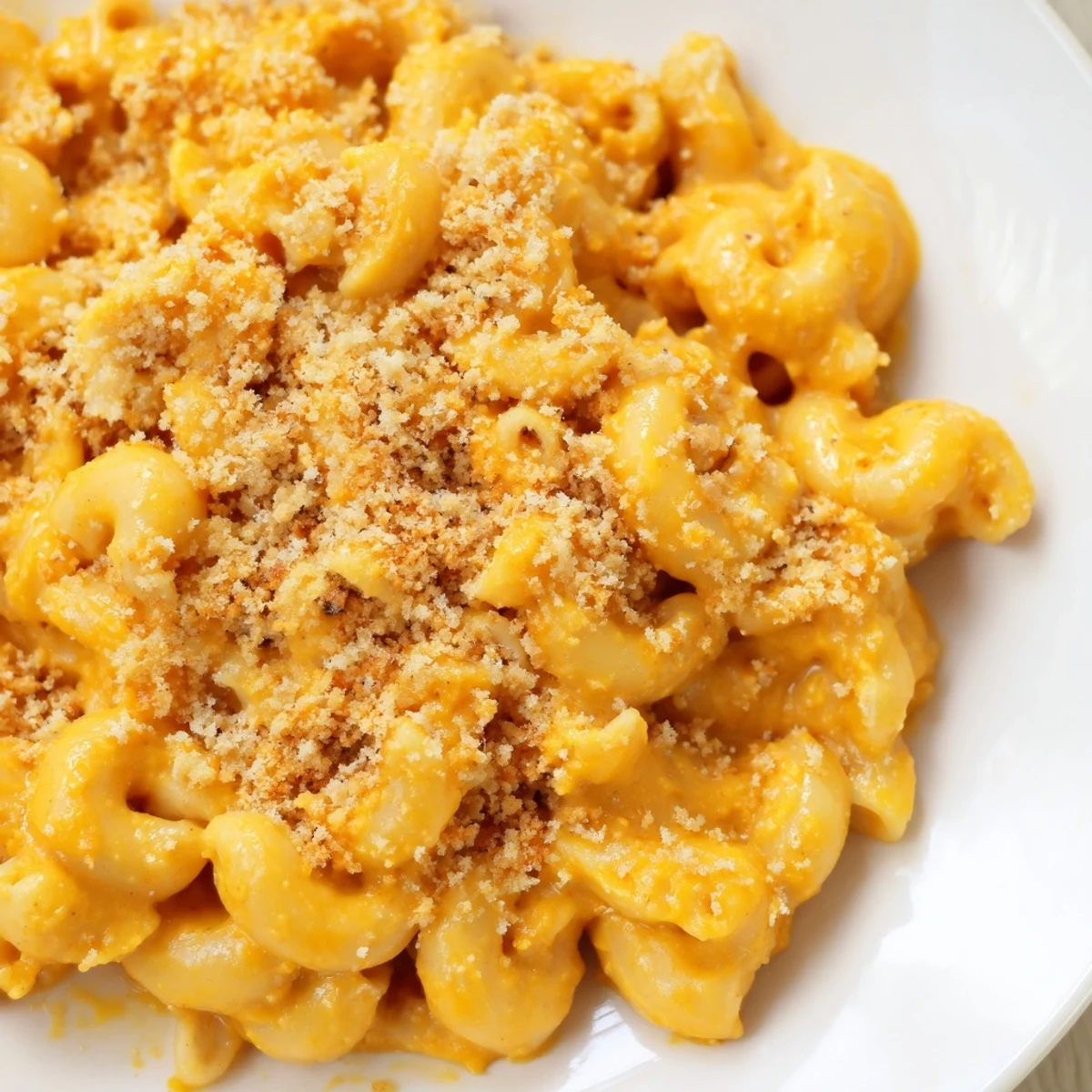
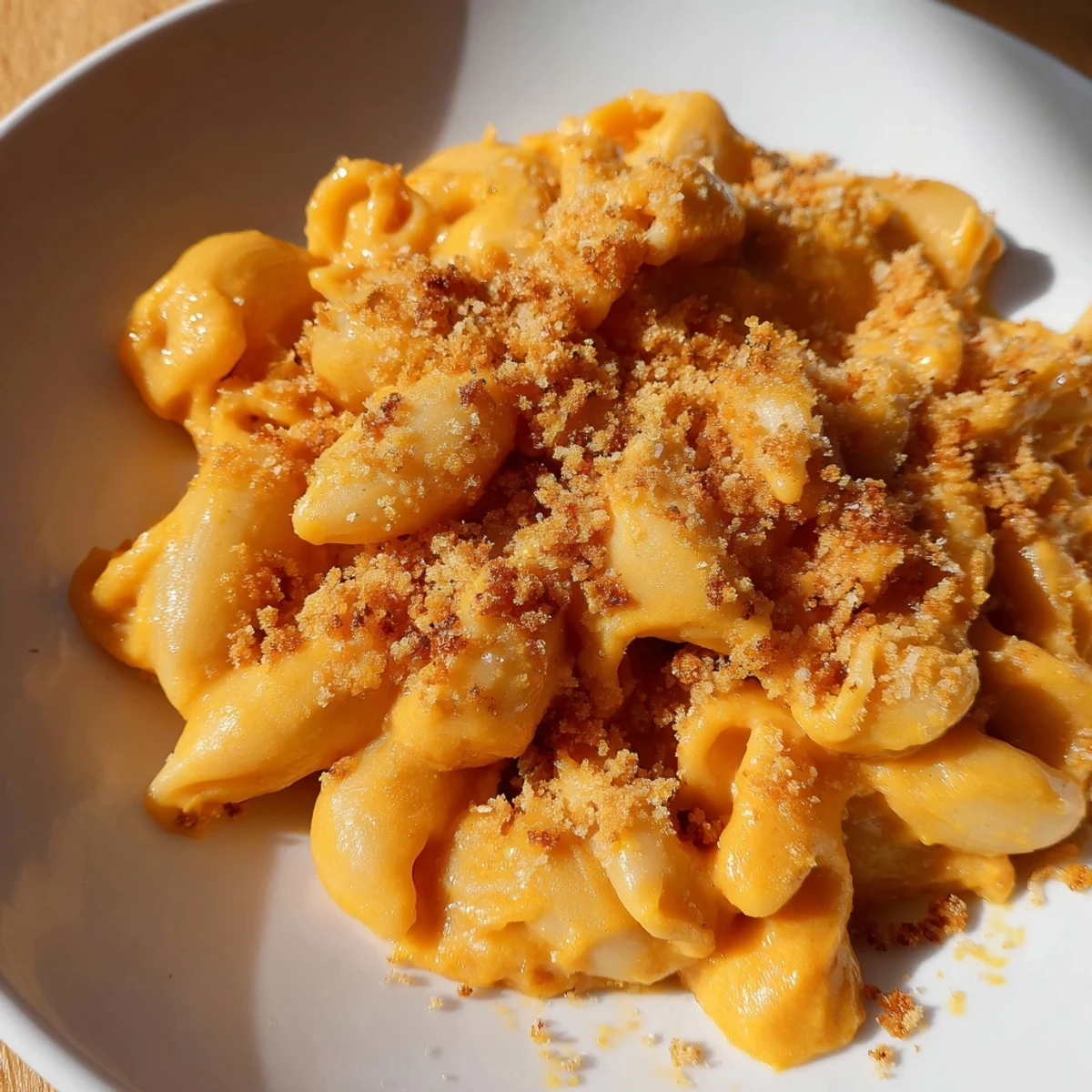
 This dish combines tender roasted butternut squash with elbow macaroni, enveloped in a creamy vegan cheese sauce made from nutritional yeast, plant milk, and spices. The squash is roasted to caramelized perfection, then blended with aromatics and seasonings to form a smooth sauce that coats the pasta beautifully. Optionally topped with golden breadcrumbs for added crunch, this comforting meal suits vegan and dairy-free diets while bringing hearty, rich flavors perfect for cozy dining.
There's something quietly magical about the moment when roasted butternut squash transforms into velvet sauce right before your eyes. I was meal-prepping on a gray Sunday afternoon, my kitchen smelling like caramelized vegetables and possibility, when I realized I could skip the dairy entirely and create something just as luxurious. The first spoonful changed how I thought about comfort food.
I made this for friends who were nervous about vegan cooking, and watching their faces when they realized there was no cheese involved felt like a small victory. One of them asked for the recipe immediately, and now it shows up at potlucks with the label removed so people guess what the secret is. That's when I knew this dish had staying power.
Ingredients
- Butternut squash: One medium squash (about 2 lbs), peeled, seeded, and cubed—this is your base, so choose one that feels heavy for its size.
- Yellow onion: One small onion, chopped—it melts into sweetness when roasted.
- Garlic cloves: Three cloves, peeled whole—they'll become creamy and mild from the heat.
- Elbow macaroni: 350 g (12 oz)—use gluten-free if needed, and don't overcook.
- Plant milk: One cup unsweetened soy, oat, or almond milk—the base of your sauce.
- Nutritional yeast: Two tablespoons—this gives that subtle savory depth you're after.
- Olive oil: Three tablespoons total (divided throughout)—good quality makes a difference.
- Lemon juice: One tablespoon—brightens everything and cuts through richness.
- Dijon mustard: One teaspoon—a tiny amount adds complexity.
- Smoked paprika: Half a teaspoon—this is what makes people ask what you did differently.
- Turmeric: Half a teaspoon optional—adds a warm golden hue if you want it.
- Salt and pepper: Half a teaspoon salt plus more to taste, and freshly ground black pepper.
- Breadcrumbs: One-third cup optional topping, mixed with one tablespoon olive oil for crispiness.
Instructions
- Set your oven and prep the vegetables:
- Preheat to 400°F (200°C) and line a baking sheet with parchment paper. This prevents sticking and cleanup later.
- Roast the squash, onion, and garlic:
- Spread everything on the sheet, drizzle with one tablespoon of olive oil, toss to coat, and roast for 25 to 30 minutes until the squash is fork-tender and the edges start to caramelize. You'll smell it before it's done—that's your signal to check.
- Cook the pasta:
- While the vegetables roast, bring a pot of salted water to a boil and cook your pasta according to package directions. Drain it and set aside, but don't rinse it.
- Blend the sauce:
- Transfer your roasted vegetables to a blender with the plant milk, nutritional yeast, one tablespoon olive oil, lemon juice, mustard, smoked paprika, turmeric if using, salt, and pepper. Blend until completely smooth and silky—this usually takes about two minutes on high speed.
- Taste and adjust:
- This step matters because everyone's preferences vary. If the sauce feels too thick, add a splash more plant milk until it coats the back of a spoon.
- Combine and warm:
- Return the drained pasta to its pot, pour the butternut squash sauce over it, and stir gently over low heat until everything is warmed through and coated. This takes about five minutes.
- Add the optional crispy topping:
- If you want texture, mix the breadcrumbs with one tablespoon olive oil, transfer the mac and cheese to an oven-safe dish, sprinkle the breadcrumb mixture over top, and broil for two to three minutes until golden. Watch it—it goes from pale to burnt quickly.
- Serve:
- Plate it while it's hot and add fresh herbs if you have them on hand, like parsley or chives.
 Save to Pinterest
 I learned the power of this dish when someone with a complicated diet showed up unexpectedly at dinner and I could serve them something that felt special, not like an afterthought. There's something deeply satisfying about feeding people food that happens to be vegan rather than food that feels like it's trying to apologize for what it's not.
Why Roasting Changes Everything
Raw butternut squash is mild and starchy, but thirty minutes in a hot oven transforms it into something almost candy-like. The edges caramelize, the natural sugars concentrate, and when you blend it with just a touch of acidity and umami from the mustard and nutritional yeast, you get sauce that tastes like it simmered for hours. This is where the magic lives—not in fancy ingredients, but in giving humble vegetables time and heat to become their best selves.
Make It Your Own
This recipe is forgiving and adaptable, which is part of why I love it. Butternut squash is the star, but sweet potato or pumpkin work beautifully if that's what you have. You can add steamed broccoli, spinach, or frozen peas right into the pasta for extra vegetables and color, stirring them in while everything warms. Some people swear by adding a pinch of garlic powder or a tiny amount of cayenne if they want a whisper of heat.
Storage and Serving Ideas
This dish keeps well in the refrigerator for four or five days, though the pasta will absorb sauce over time, so store the sauce and pasta separately if you can. Reheat gently on the stovetop with a splash of plant milk to loosen it back up. It pairs beautifully with a crisp green salad to cut through the richness, or a glass of dry white wine if that's your style. For a lighter meal, serve a smaller portion alongside roasted vegetables or crusty bread.
- The breadcrumb topping is best added fresh right before serving so it stays crispy.
- Nutritional yeast can be found in the bulk section or supplement aisle of most grocery stores.
- If you're cooking for someone with a nut allergy, stick with oat or soy milk instead of almond milk.
 Save to Pinterest
 This is the kind of recipe that sits in your back pocket and saves the day when you need something warm and nourishing and real. It's proof that comfort doesn't require compromise.
Questions & Answers About the Recipe
- → What kind of squash is used in this dish?
-
Medium butternut squash is peeled, seeded, cubed, and roasted to bring out its natural sweetness and depth of flavor.
- → Which pasta works best for this dish?
-
Elbow macaroni is traditional, but any pasta such as gluten-free options can be used depending on preference.
- → How is the creamy sauce made without dairy?
-
The sauce blends roasted squash with plant milk, nutritional yeast, olive oil, lemon juice, and spices to achieve a rich, cheesy texture and flavor.
- → Can this dish be made nut-free?
-
Yes, by using soy or oat milk and nut-free breadcrumbs, the dish remains safe for those avoiding nuts.
- → Is there an option to add a crunchy topping?
-
Breadcrumbs tossed with olive oil can be broiled on top for a crispy, golden finish.