
 Save to Pinterest
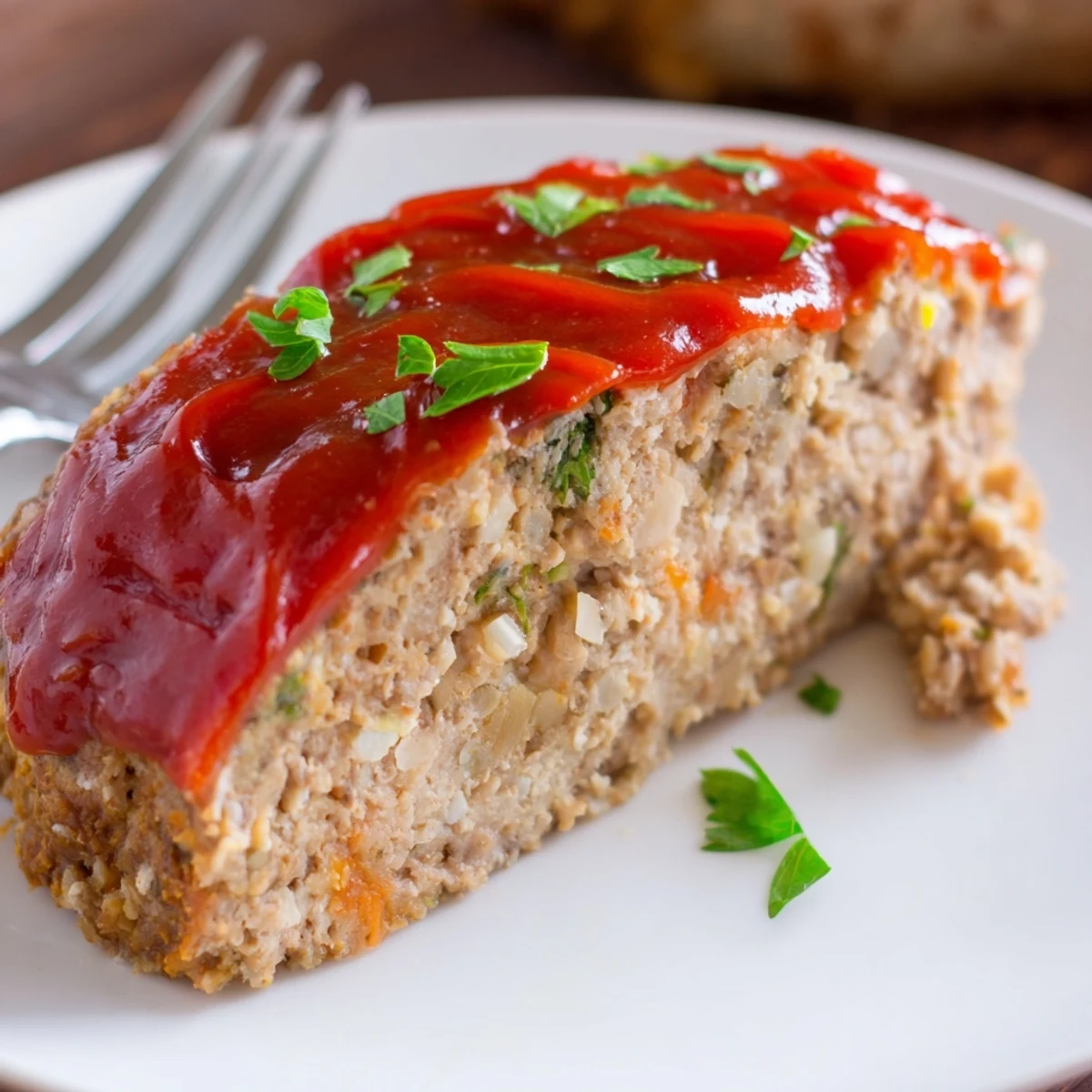
 This moist turkey meatloaf combines ground turkey with breadcrumbs, fresh herbs, and a blend of spices. It's topped with a tangy tomato glaze made from ketchup, tomato paste, and seasonings, creating a balance of savory and sweet flavors. Baking in two stages ensures a caramelized glaze finish. This easy-to-prepare dish yields six servings, perfect for family meals, offering a low-fat, dairy-free option rich in protein. Resting the meatloaf before slicing locks in juices for a tender bite.
My sister called one Tuesday evening asking if I could bring something to her potluck the next day. I opened the fridge to find ground turkey staring back at me, and suddenly this meatloaf came together in my mind—something that felt both homey and lighter than the beef version I'd grown up with. The first time I pulled it from the oven, the kitchen smelled like caramelized tomato and herbs, and I knew I'd found something worth making again.
I remember my neighbor peeking over the fence as I carried this to a summer gathering, asking what smelled so good. When I told her it was turkey meatloaf, she looked surprised—like she'd expected something fancier. But that's the magic of it: it tastes like comfort food, but it's actually lighter and healthier than you'd think, and somehow that makes people eat more of it.
Ingredients
- Ground turkey: Look for ground turkey that's labeled 93% lean or better; it's leaner than beef but needs the breadcrumb mixture to prevent it from becoming dense.
- Breadcrumbs: Regular breadcrumbs work perfectly here, though panko creates a slightly airier texture if you're experimenting.
- Milk: This is the secret to keeping the meatloaf from drying out; it transforms the breadcrumbs into a binder that holds moisture.
- Onion and garlic: Dice the onion small so it softens completely and melts into the meat rather than staying chewy.
- Eggs: They act as the final binder; lightly beaten is all you need.
- Fresh parsley: It adds brightness and a subtle herbaceous note that fresh herbs always bring.
- Worcestershire sauce: This gives umami depth and a tangy undertone that balances the turkey's mild flavor.
- Thyme and spices: Dried thyme is perfect here because its earthiness pairs beautifully with the tomato glaze.
- Ketchup and tomato paste: The combination creates layers of tomato flavor; paste adds intensity while ketchup brings familiar sweetness.
- Brown sugar and apple cider vinegar: Together they create a glaze that's tangy, slightly sweet, and complex enough to feel intentional.
- Smoked paprika: Just a whisper of it adds warmth and a hint of smoke that makes the glaze taste more sophisticated.
Instructions
- Set your stage:
- Preheat your oven to 375°F and prepare your baking sheet or loaf pan. Having everything ready before you touch the meat matters more than you'd think.
- Soften the breadcrumbs:
- Combine breadcrumbs and milk in a large bowl and let them sit for two minutes until the milk is absorbed and the mixture becomes slightly pasty. This step is where the moisture magic begins.
- Build the mixture gently:
- Add the turkey, onion, garlic, eggs, parsley, Worcestershire sauce, thyme, salt, and pepper to the breadcrumb mixture. Mix with your hands until just combined—overmixing tightens the meatloaf and makes it dense, so resist the urge to keep going.
- Shape with intention:
- Form the mixture into a loaf on your baking sheet or press it into the pan. If you're using a baking sheet, make it about two inches tall; the exposed edges will crisp slightly as it bakes.
- Create the glaze:
- Whisk together ketchup, tomato paste, brown sugar, vinegar, smoked paprika, and salt in a small bowl until smooth and glossy.
- First glaze coat:
- Spread half the glaze evenly over the top of the raw meatloaf. This base layer caramelizes and sets as the meat cooks.
- Bake and finish:
- Bake for 40 minutes, then remove from the oven and spread the remaining glaze on top. Return to the oven for another 15 minutes until the internal temperature hits 165°F. The second coat of glaze creates a deeper, more concentrated crust.
- Rest before serving:
- Let the meatloaf rest for 10 minutes after removing it from the oven; this allows the juices to redistribute so each slice stays moist rather than weeping onto the plate.
 Save to Pinterest
 The moment I'll never forget is when my dad came back for a third slice and asked me for the recipe. He'd always been a beef meatloaf person, but something about the lightness combined with that tangy, complex glaze had won him over. It felt like I'd cracked some kind of code between tradition and healthier cooking.
The Turkey Advantage
Ground turkey gets a bad reputation for being dry, but that's usually because people treat it like beef. Turkey is leaner, which means it needs more help retaining moisture, and this recipe understands that from the ground up. The milk-soaked breadcrumbs create a protective cushion that keeps the meat tender even as it cooks through. Once you master this technique, you'll realize ground turkey isn't a compromise—it's a different approach that tastes just as satisfying.
Why the Glaze Works Twice
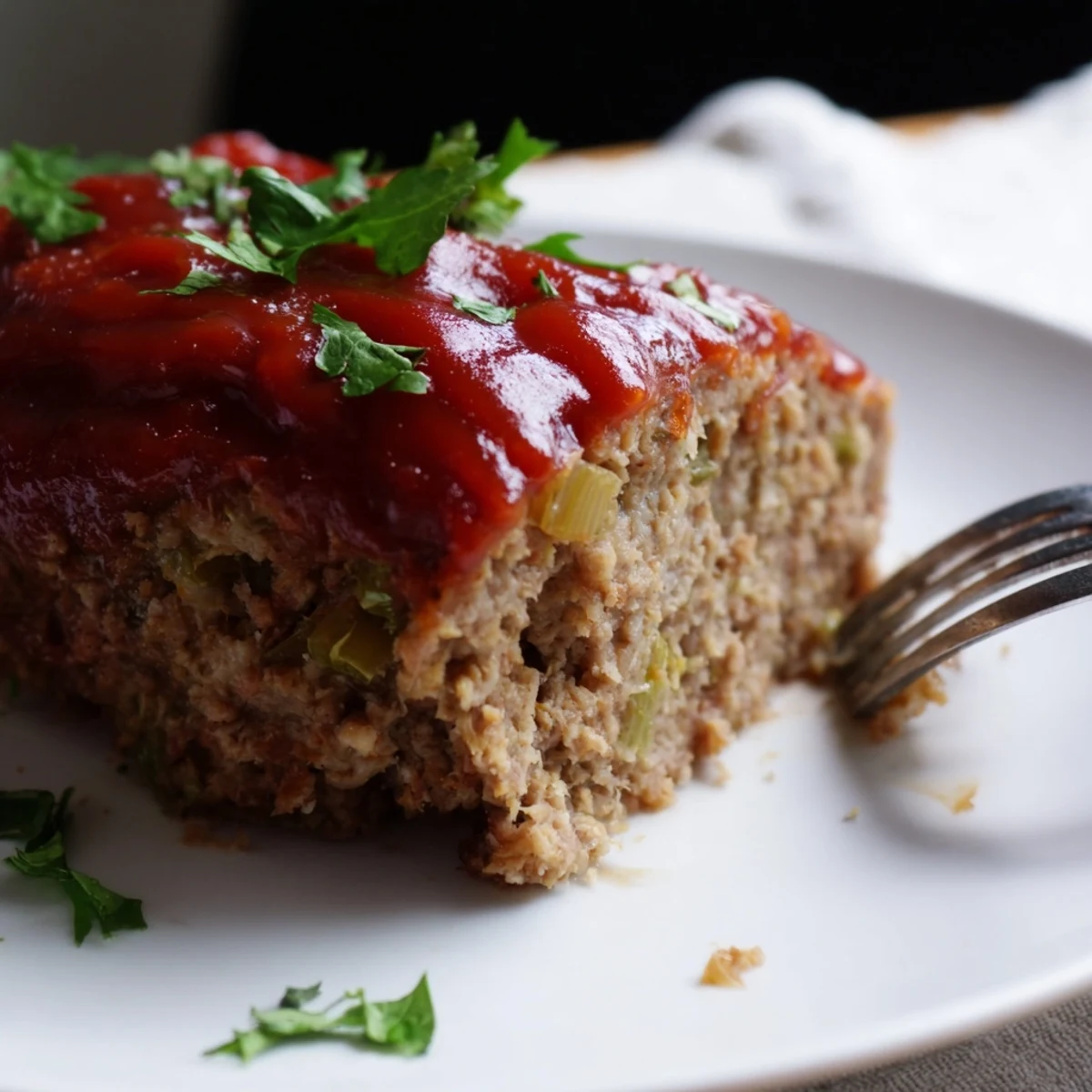
The two-glaze method isn't overcomplicated; it's strategic. The first coat caramelizes during the initial 40 minutes, creating a flavorful foundation and allowing the meatloaf to render some of its fat. That first layer develops depth and a slight crust. The second coat, applied fresh from the bowl, mixes with those caramelized drippings to create an even more concentrated glaze that sets glossy and slightly sticky on top. It's the difference between a meatloaf that's glazed and a meatloaf that tastes intentional.
Serving and Pairing Ideas
Mashed potatoes and steamed green beans are the classic pairing, and they work because the potato's starch balances the tangy glaze while the green beans add a bright, clean element. But this meatloaf is versatile enough to fit wherever you need it. I've served it on sandwich rolls the next day, sliced cold over a salad, or alongside roasted root vegetables when I wanted something autumn-feeling. Think about what your table needs rather than what tradition says you must serve.
- Slice leftovers thick and reheat gently on a baking sheet to keep the glaze intact rather than microwaving.
- The meatloaf keeps well in the fridge for up to four days and actually tastes better as the flavors meld.
- Consider doubling the batch and freezing one unbaked meatloaf for a quick dinner later.
 Save to Pinterest
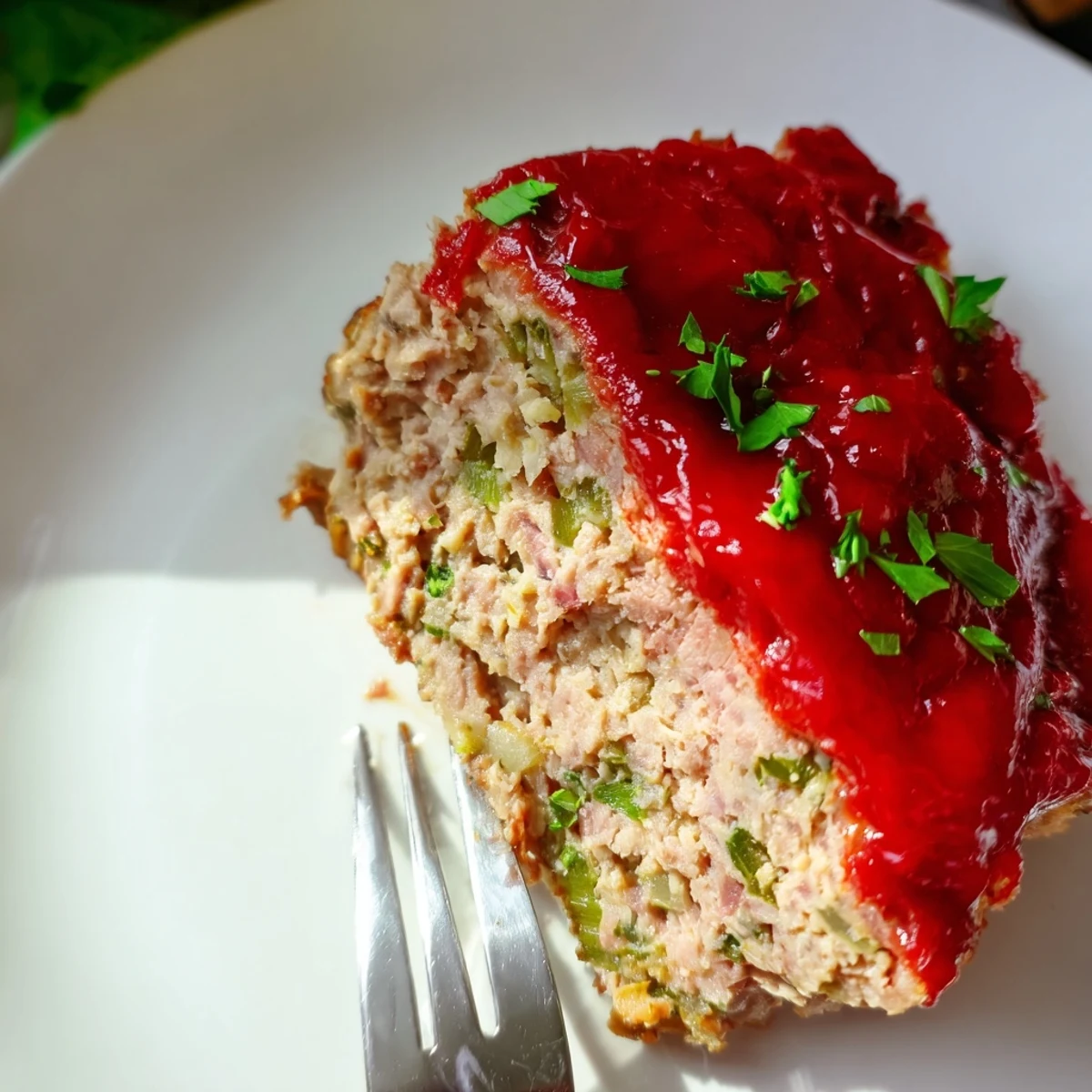
 This meatloaf became my answer to the question of how to cook lighter without cooking less deliciously. It's the kind of dish that sits comfortably on a weeknight table or travels to a potluck without any apologies.
Questions & Answers About the Recipe
- → What can I use instead of regular breadcrumbs?
-
Panko breadcrumbs provide a lighter texture. For gluten-free options, certified gluten-free breadcrumbs work well.
- → How can I make the glaze spicier?
-
Add a pinch of cayenne pepper to the tomato glaze for an extra kick without overpowering the flavors.
- → What is the best way to ensure the meatloaf stays moist?
-
Gently mix ingredients without overworking the meat and let the meatloaf rest after baking to retain juices.
- → Can I prepare the meatloaf ahead of time?
-
Yes, you can assemble it the day before and refrigerate, then bake fresh when ready to serve.
- → What side dishes complement this meatloaf?
-
Classic sides like mashed potatoes and steamed green beans pair wonderfully with the tangy tomato glaze.