
 Save to Pinterest
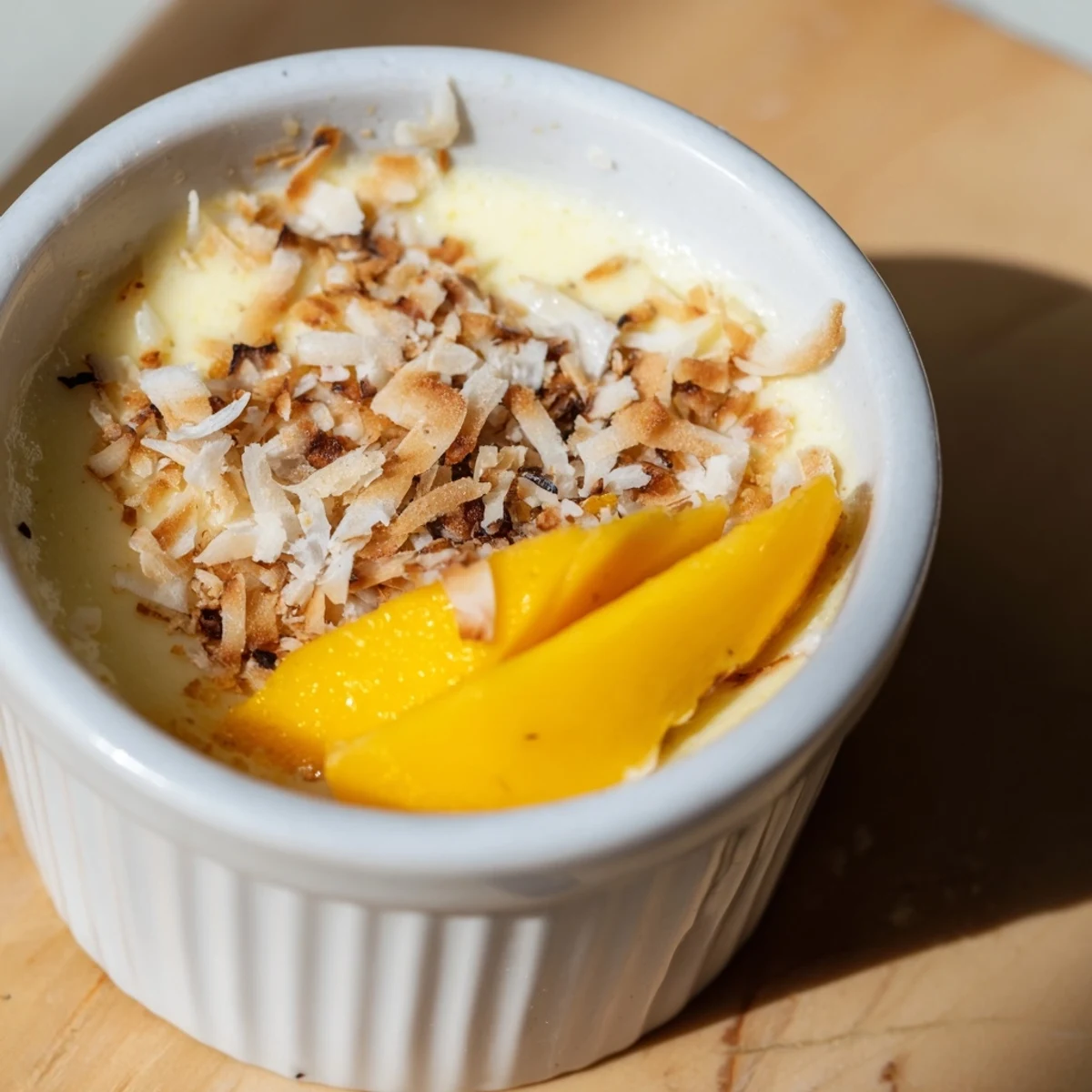
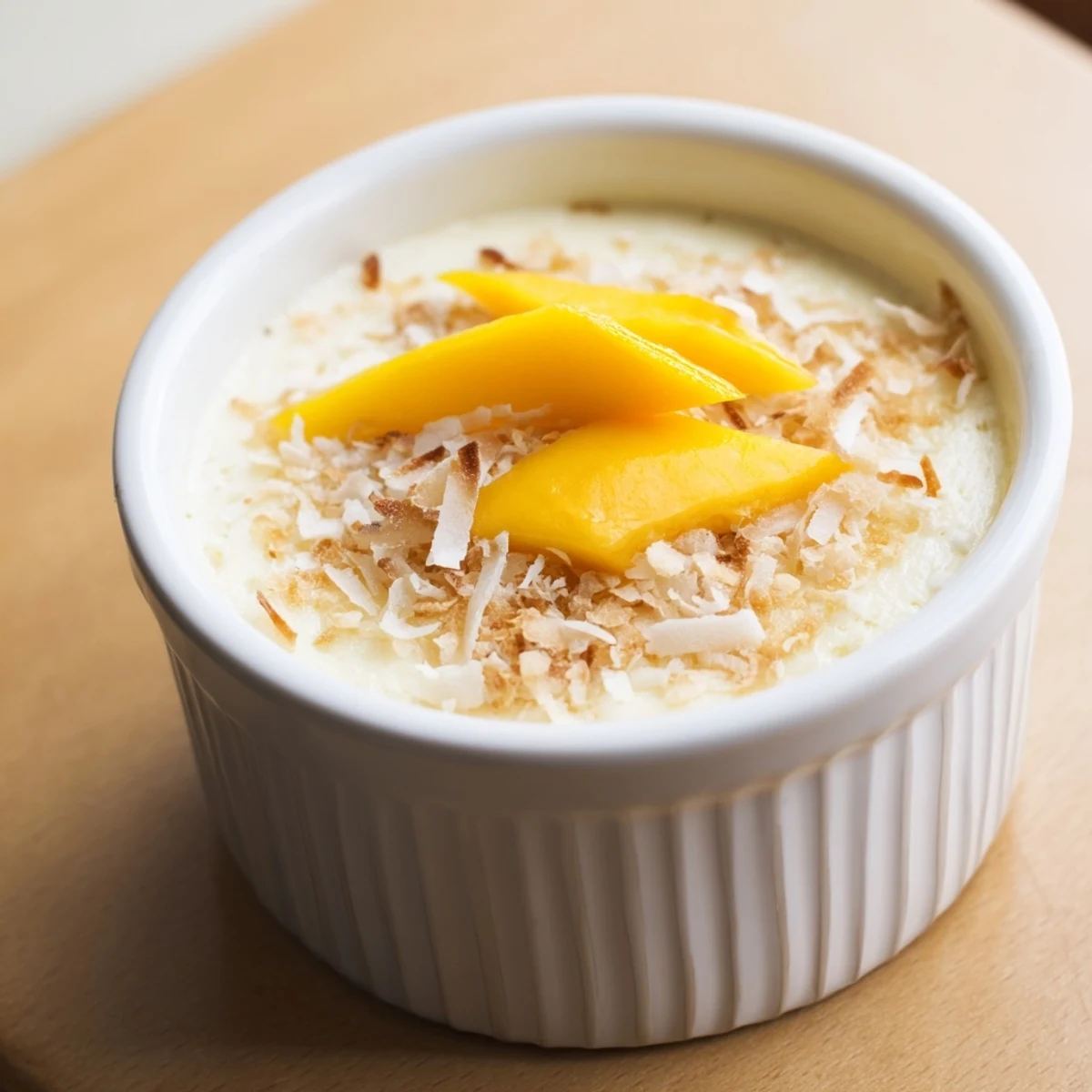
 This classic Thai dessert features a silky, fragrant custard with rich coconut flavor. The traditional steaming method creates a delicate, melt-in-the-mouth texture that's lighter than baked alternatives. Made with simple ingredients like eggs, full-fat coconut milk, and palm sugar, this naturally gluten-free and dairy-free treat comes together in just 40 minutes. Serve chilled or at room temperature, topped with toasted coconut or fresh tropical fruit for an authentic finish.
The first time I tasted this in Bangkok, it was from a street vendor who served it in small ceramic bowls that burned my fingertips. I stood there on a busy corner, letting that impossibly smooth custard dissolve on my tongue while motorbikes buzzed past. Something about coconut cream and eggs transformed by gentle heat felt like being wrapped in a warm blanket. Now whenever I make it, my kitchen fills with that same sweet steam, and I'm transported back to that crowded street.
Last summer I made these for a dinner party when my oven died mid-prep. Panic set in until I remembered steaming was the traditional method anyway. My guests hovered around the steamer, watching through the glass lid as these little puddings transformed from liquid to gold. They disappeared faster than anything else I served that night.
Ingredients
- 4 large eggs: Room temperature eggs blend more smoothly into the coconut milk without leaving white streaks
- 200 ml full fat coconut milk: The carton kind works but canned coconut cream makes it ridiculously rich
- 100 g palm sugar: Light brown sugar is fine but palm sugar adds this subtle caramel depth you can't fake
- 1/4 tsp fine sea salt: Just enough to make the coconut flavor pop without tasting salty
- 1 tsp vanilla extract: Optional but I never skip it, it bridges the gap between coconut and egg
- Toppings: Toasted coconut adds crunch and fresh fruit cuts through the richness
Instructions
- Whisk the eggs gently:
- Beat them just until combined, frothing creates bubbles that become ugly pockets in the finished custard
- Blend in the coconut mixture:
- Add coconut milk, palm sugar, salt, and vanilla, then whisk until the sugar dissolves completely
- Strain for silkiness:
- Pour everything through a fine mesh sieve into a pitcher, catching any cooked egg bits or undissolved sugar
- Divide into ramekins:
- Pour evenly into four small heatproof bowls, leaving about half an inch at the top for expansion
- Steam with patience:
- Set ramekins in a steamer over barely simmering water, cover tightly, and steam for 25-30 minutes until just set with a slight wobble
- Let them rest:
- Cool completely at room temperature, then chill for at least an hour so the texture firms up properly
- Add your finishing touches:
- Sprinkle with toasted coconut or top with fresh fruit right before serving
 Save to Pinterest
 My mother-in-law still talks about the time I served these at a family gathering, skeptical that something so simple could taste so luxurious. She watched me make them, noting how I didn't do anything fancy or complicated. Now she makes them for her bridge club and takes full credit for the recipe.
The Steaming Secret
I've tried baking this custard in a water bath and it's good, but steaming creates this impossibly smooth texture that baking just can't replicate. The gentle, even heat cooks the eggs without ever seizing them. If you don't have a proper steamer, set a heatproof plate in a large pot and prop the ramekins on it.
Make It Your Way
While the classic version is perfect as is, I sometimes infuse the coconut milk with a pandan leaf before mixing. In Thai cooking, pandan adds this subtle grassy vanilla fragrance that somehow makes everything taste more tropical. If you can't find pandan, a drop of almond extract creates a completely different but equally lovely variation.
Serving Ideas
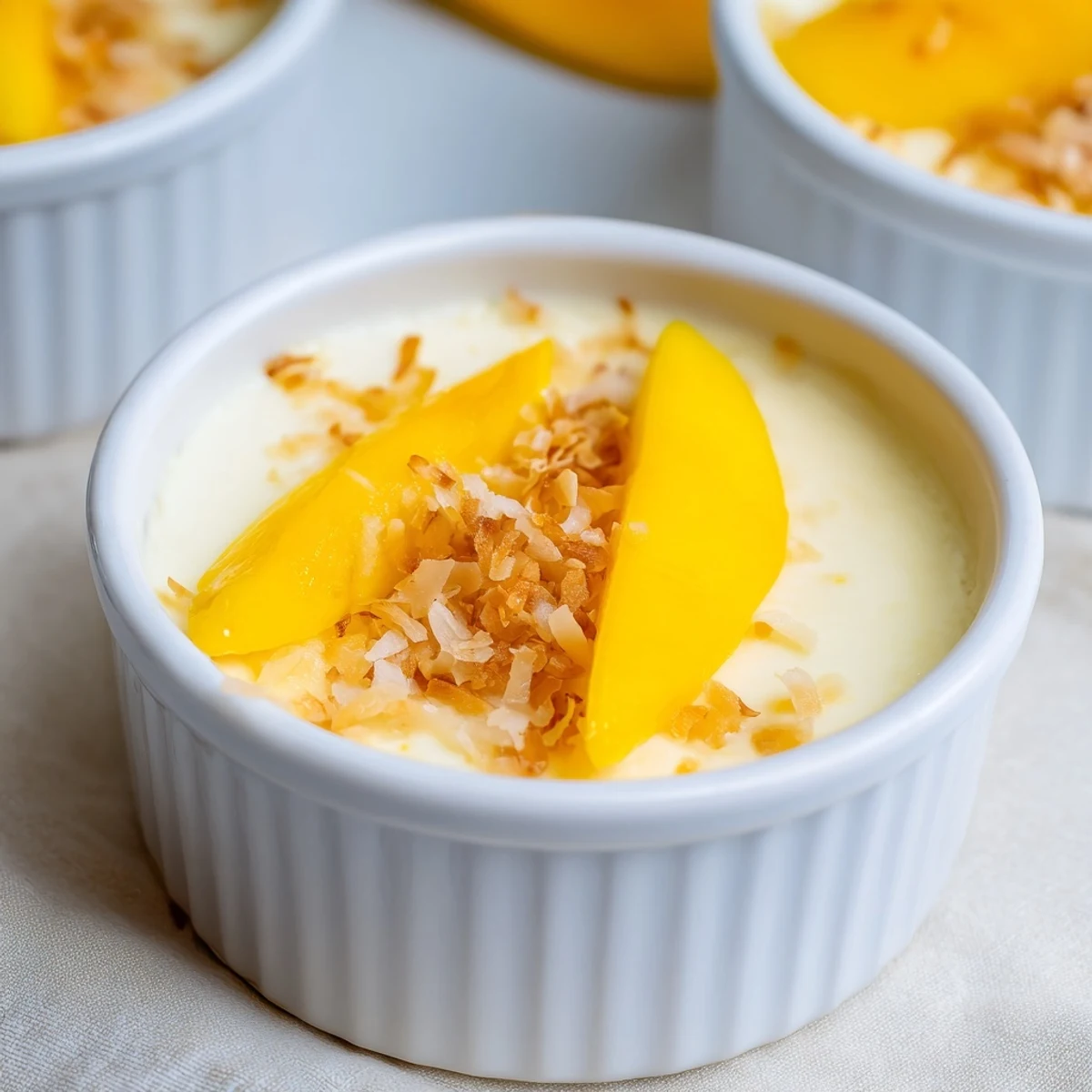
These custards shine brightest when served cold after a spicy meal, their creamy sweetness cooling your palate. I've also served them in small shot glasses at cocktail parties, topped with a single perfect mango cube. The presentation looks impressive but the reality is barely any work.
- Try topping with toasted sesame seeds for a nutty crunch
- A drizzle of coconut cream just before serving makes it extra decadent
- Fresh mint leaves add a nice contrast to the rich sweetness
 Save to Pinterest
 There's something deeply satisfying about serving a dessert that looks elegant but comes from such humble ingredients. Every time I lift that steamer lid and see them set into perfect little golden cups, I feel like I've pulled off a magic trick.
Questions & Answers About the Recipe
- → What makes Thai coconut custard different from regular custard?
-
Thai coconut custard uses coconut milk instead of dairy, creating a uniquely rich and fragrant flavor profile. The traditional steaming method produces a silkier, lighter texture compared to baked custards, while palm sugar adds subtle caramel notes that complement the tropical coconut essence.
- → Can I bake this custard instead of steaming?
-
While baking is possible, steaming is the traditional method that yields the signature silky texture. If you must bake, use a water bath at 325°F (160°C) for about 35-40 minutes, though the texture will be slightly denser and less delicate than the steamed version.
- → What's the purpose of straining the custard mixture?
-
Straining through a fine mesh sieve removes any egg white strands or undissolved sugar particles, ensuring an exceptionally smooth and silky final texture. This simple step is crucial for achieving the professional, melt-in-your-mouth quality that makes this dessert special.
- → How do I know when the custard is done steaming?
-
The custard is ready when it's just set but still slightly wobbly in the center, similar to flan. A knife inserted near the edge should come out clean, but the center should have a gentle jiggle. Avoid overcooking, as this will cause the eggs to scramble and create a curdled texture.
- → Can I make this custard ahead of time?
-
Absolutely! This custard actually improves after chilling for several hours or overnight. The flavors meld and develop deeper complexity. Store covered in the refrigerator for up to 3 days. Add toppings like toasted coconut or fresh fruit just before serving to maintain their texture and freshness.
- → What can I substitute for palm sugar?
-
Light brown sugar makes an excellent substitute, providing similar moisture and caramel notes. For a closer match to palm sugar's flavor, try mixing brown sugar with a touch of maple syrup or coconut sugar. Avoid using white sugar alone, as it lacks the depth needed for this authentic dessert.