
 Save to Pinterest
 Travaillez une pâte sablée en sablant farine, beurre et sucre, puis réfrigérez 30 minutes pour une texture nette. Faites cuire la pâte à blanc 20–30 minutes jusqu’à légère coloration. Préparez une crème pâtissière vanillée en épaississant sur feu moyen, incorporez le beurre et laissez refroidir au contact. Garnissez le fond de tarte, disposez les fraises et nappez d’un sirop d’abricot chauffé. Réfrigérez une heure avant de servir pour une tenue parfaite.
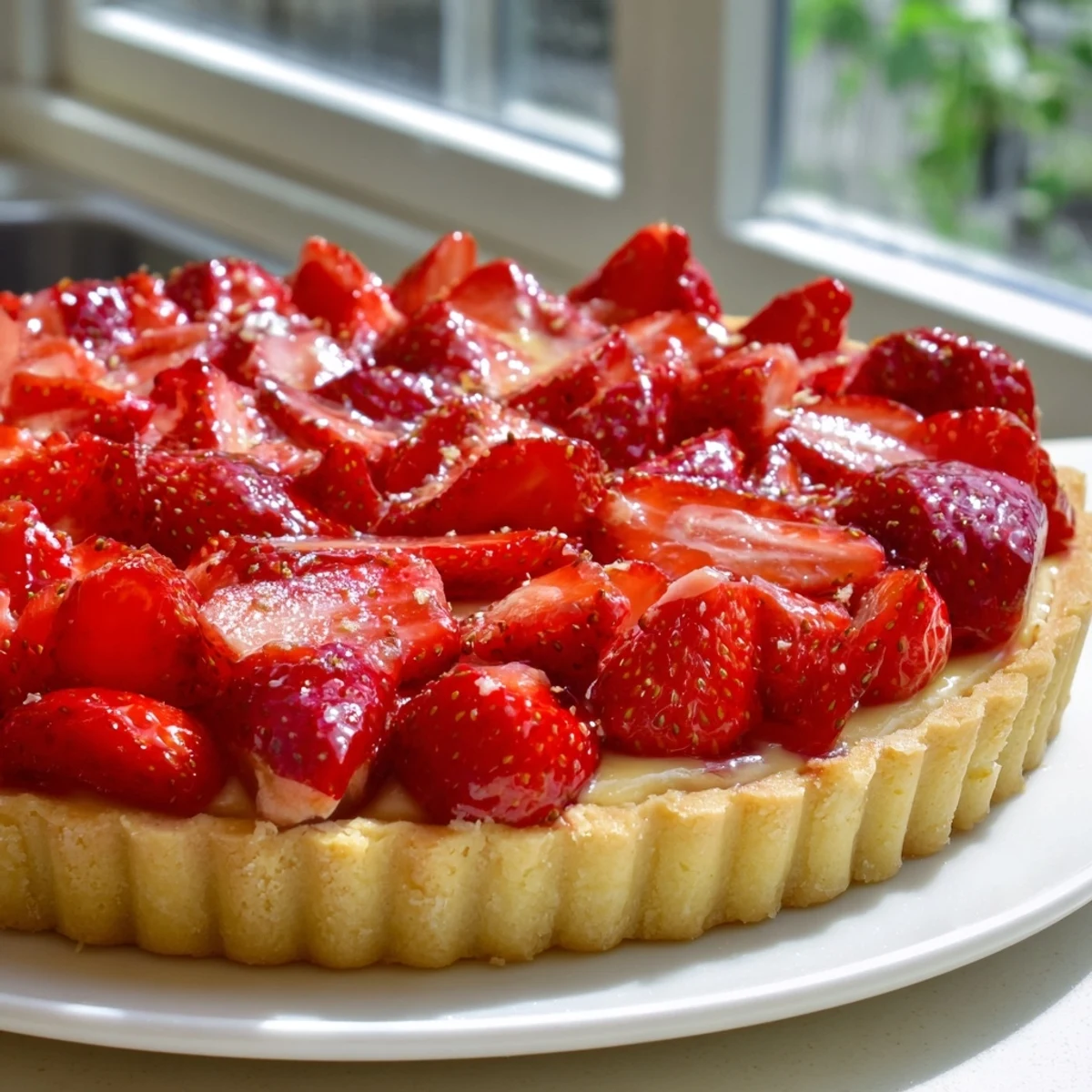
There&'s something about the scent of strawberries and a waft of butter in a sunlit kitchen that makes me think of lazy spring afternoons. The first time I made Tarte aux Fraises, I remember a slight panic as the pastry dough stubbornly refused to come together, but nothing could ruin the promise of fresh berries and smooth pastry cream. Each little misstep just made the result—glossy, jewel-like fruit on a golden crust—that much sweeter. There&'s no need for pretense: this tart turns an ordinary day into something quietly celebratory.
I once brought this tart to a friend&'s backyard lunch, and against a backdrop of laughter and wind-tangled napkins, people kept coming back for "just one more slice" long after the plates were empty. It felt less like serving dessert and more like sharing a little joy, one glossy strawberry at a time.
Ingredients
- Flour (250g): Use plain white flour for the pâte sablée—you&'ll notice the difference in crumbly, delicate texture.
- Cold unsalted butter (125g): Chilled and diced, it helps your pastry stay crisp and light, and I always cut it in quickly to avoid melting.
- Powdered sugar (80g): Sifts in seamlessly, yielding a subtle sweetness that means no gritty mouthfeel.
- Egg (1): Brings the dough together; leave it out too long, and it warms up, making the pastry less manageable.
- Salt (pinch): Just enough to balance the sweetness, a trick I learned after a bland attempt.
- Whole milk (500ml): It gives the cream its body—skim milk just doesn&'t satisfy in the same way.
- Vanilla bean or extract (1 pod or 1 tsp): Seeds speckle the pastry cream for a deeply perfumed, luxurious flavor.
- Sugar (100g, cream): Whisked with egg yolks, it sweetens while helping the custard set perfectly.
- Egg yolks (4): Rich, golden, and essential for the cream&'s silken thickness.
- Cornstarch (40g): The pastry cream&'s secret to staying sliceable on a summer table.
- Butter (30g, cream): You swirl it in at the end for gloss and a soft edge to the custard.
- Fresh strawberries (500g): Best sliced on the day—select berries that smell fragrant and feel firm.
- Apricot jam (2 tbsp): For the final gleaming finish, loosened with water to brush over the fruit.
- Water (1 tbsp): Mixes with the jam to make a sheer, sticky glaze.
Instructions
- Make the pâte sablée:
- Combine flour, salt, and powdered sugar in a bowl, then quickly rub in the butter until it resembles coarse sand. Work in the egg until just cohesive, shape into a ball, wrap, and refrigerate for half an hour.
- Blind bake the crust:
- Roll out your chilled dough, line a tart pan, and prick with a fork. Cover with parchment and baking weights, bake at 180C for 20 minutes, remove the weights, then bake another 10 minutes until lightly golden—your kitchen should smell toasty and sweet.
- Prepare the crème pâtissière:
- Gently heat the milk with the vanilla until just steaming. Whisk egg yolks with sugar, blend in cornstarch, stream in a little hot milk, then return all to the pan and stir constantly over medium heat until it thickens; off the heat, add butter and press film to the surface to cool.
- Prep the strawberries:
- Wash, hull, and slice or halve your strawberries. Try not to steal too many while prepping—but nobody will blame you if you do.
- Assemble the tart:
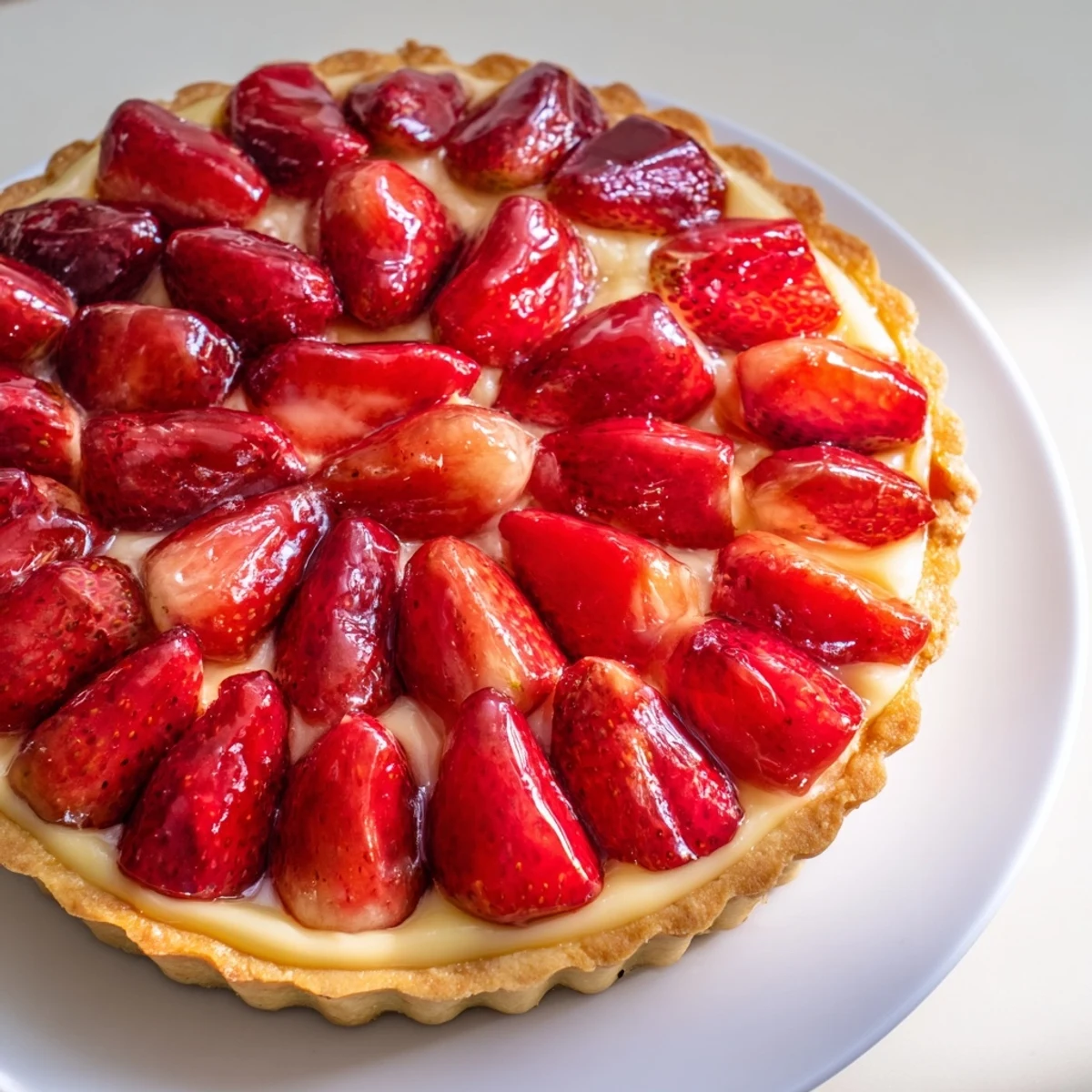
- Spoon cooled pastry cream into your tart shell and smooth the top. Arrange strawberries in decorative circles, gently pressing them into the cream.
- Glaze for shine:
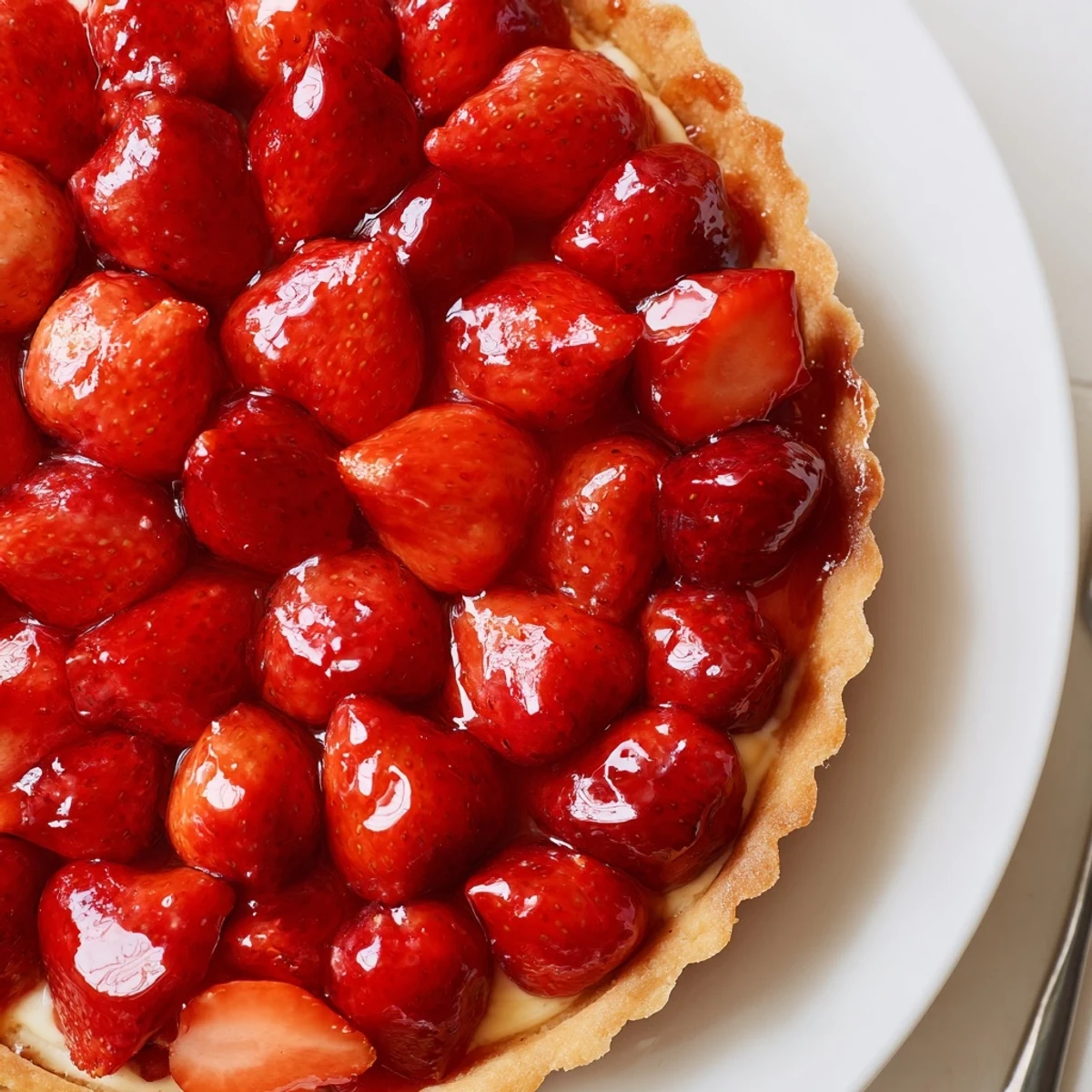
- Warm the apricot jam with water, then brush over the berries for a jewel-like finish. The tart now looks almost too pretty to cut.
- Chill before serving:
- Let the assembled tart refrigerate for at least an hour—patience makes every bite worth it.
 Save to Pinterest
 There&'s an unspoken magic in watching guests pause, forks in midair, savoring the first creamy, tart-sweet mouthful—they taste your effort, and something a little like love.
Perfecting the Pastry Cream
On humid days, I&'ve noticed the custard can seem slow to thicken—keep stirring and don&'t raise the heat too high or it might split. Adding the butter at the very end keeps the texture supple and extra glossy, a trick I&'ll never skip.
Getting the Strawberries Just Right
The best tarts I&'ve made always used strawberries at their absolute ripest; slicing them evenly helps the tart look as good as it tastes. If you dry them gently after washing, you&'ll avoid watery spots on the pastry cream.
What to Do If Things Go Sideways
If the pastry cracks, patch it with trimmings before the final bake and nobody will know. Broken custard smooths out with a brisk whisk and a sigh of relief. And if the strawberries slip, call it rustic and serve proudly.
- Use a fork to gently test if the pastry base is set at the edges.
- A butter knife smooths pastry cream without tearing the crust.
- Don&'t glaze until the berries are perfectly dry.
 Save to Pinterest
 Whether baked for celebration or a simple weekend treat, this Tarte aux Fraises brings a little slice of French sunshine to your table. I hope it brings joy—and a bit of kitchen pride—to yours as well.
Questions & Answers About the Recipe
- → Comment obtenir une pâte sablée bien croustillante ?
-
Sablez le beurre froid dans la farine sans trop travailler, ajoutez l'œuf rapidement et laissez reposer la pâte 30 minutes au froid. Cuisez à blanc avec poids pour préserver la forme, puis terminez la coloration sans brûler pour un fond bien croustillant.
- → Comment éviter un fond détrempé sous la crème ?
-
Cuisez la pâte parfaitement à blanc et laissez-la refroidir complètement avant de garnir. Vous pouvez badigeonner le fond d'un mince voile de blanc d'œuf ou de chocolat fondu pour créer une barrière avant d'ajouter la crème.
- → Quelle variété de fraises privilégier ?
-
Choisissez des fraises fermes, parfumées et de saison pour une meilleure tenue et un goût optimal. Les petites à moyennes pièces tiennent mieux à la découpe et offrent un bon équilibre entre acidité et sucre.
- → Peut-on remplacer le lait entier dans la crème pâtissière ?
-
Oui, des laits végétaux riches (avoine ou soja cuisine) peuvent fonctionner, mais la crème sera moins onctueuse. Pour compenser, augmentez légèrement la matière grasse ou réduisez un peu le liquide afin d’obtenir une texture proche de l’originale.
- → Comment réussir le nappage brillant sans alourdir les fruits ?
-
Chauffez doucement la confiture d’abricot avec un peu d’eau, tamisez si nécessaire et appliquez tiède au pinceau en couche fine. Cela apporte brillance et protection sans détremper les fruits.
- → Combien de temps se conserve cette préparation ?
-
Garnie, la tarte se conserve au réfrigérateur 24 à 48 heures ; elle est meilleure le jour même. Conservez la pâte et la crème séparément si vous prévoyez de préparer à l’avance, puis montez juste avant de servir.