
 Save to Pinterest
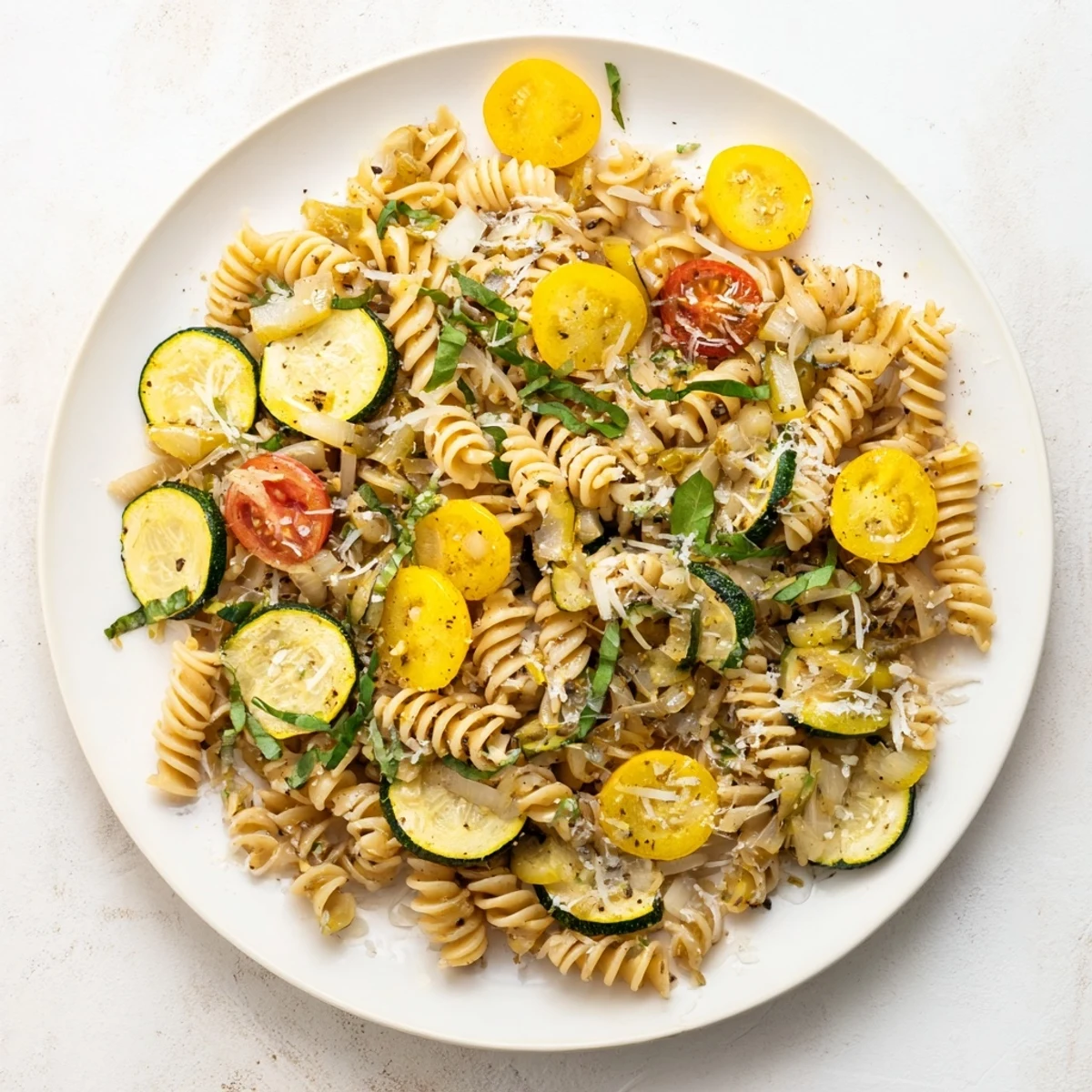
 This vibrant skillet brings together tender summer squash, zucchini, and sweet cherry tomatoes with perfectly cooked pasta. The dish comes together in just 35 minutes, making it ideal for busy weeknights when you want something fresh and satisfying without spending hours in the kitchen.
Fresh basil and parsley add bright herbal notes, while a hint of red pepper flakes provides subtle warmth. The light sauce forms naturally from the vegetables' juices and a splash of reserved pasta water, creating silky coatings on each piece of pasta.
Customize it with your favorite vegetables or add protein like grilled chicken or cannellini beans. The result is a colorful, nutritious meal that celebrates the best of summer produce in every bite.
Last August, my neighbor dropped off a grocery bag bursting with yellow squash from her garden. I stood there staring at it, wondering what on earth to do with all that summer abundance, until I remembered this simple skillet pasta my aunt used to make when the heat made turning on the oven feel like punishment.
I first made this for a Tuesday night dinner when friends showed up unexpectedly. We stood around the stove, wine glasses in hand, watching the cherry tomatoes burst and release their juices into the olive oil. Something about seeing vegetables transform right there in the skillet makes people linger in the kitchen.
Ingredients
- 2 medium yellow summer squash, sliced into half-moons: These cook faster than youd think, so keep an eye on them
- 1 small zucchini, sliced into half-moons: The yellow and green together look like summer on a plate
- 1 pint cherry tomatoes, halved: Theyll collapse into the sauce and create these pockets of sweet brightness
- 3 cloves garlic, minced: Fresh garlic matters here, nothing jarred will give you that aromatic kick
- 1 small yellow onion, thinly sliced: Cook it slow at the start so it sweetens the whole dish
- 340 g (12 oz) short pasta: Penne or rotini catch all those little vegetable bits in their curves
- 60 g (½ cup) freshly grated Parmesan cheese: Skip the pre grated stuff and buy a wedge to grate yourself
- 2 tbsp extra-virgin olive oil: This is your sauce base, so use something you actually like the taste of
- ½ tsp crushed red pepper flakes: Just enough to whisper warmth, not shout
- Salt and black pepper, to taste: Season at every stage, not just at the end
- ¼ cup fresh basil leaves, torn: Tear them by hand, they bruise less than when you cut with a knife
- 2 tbsp chopped fresh parsley: Adds this fresh green finish that makes everything taste alive
Instructions
- Get your pasta water going first:
- Bring a large pot of salted water to boil, cook pasta until al dente, then scoop out that precious ½ cup pasta water before draining
- Warm the olive oil in your skillet:
- Add the sliced onion and let it soften over medium heat for 2 to 3 minutes until it starts to turn translucent
- Add the aromatic base:
- Stir in the minced garlic and cook just 30 seconds until you can smell it, any longer and it might turn bitter
- Cook the squash:
- Add both summer squash and zucchini with salt, pepper, and red pepper flakes, cooking 4 to 5 minutes until theyre tender but still holding their shape
- Let the tomatoes work their magic:
- Toss in the cherry tomatoes and stir until they start to soften and release their juices, about 3 minutes
- Bring it all together:
- Add the cooked pasta to the skillet, tossing everything together and splashing in that reserved pasta water to create a light coating sauce
- Finish with fresh touches:
- Remove from heat and stir in the Parmesan if using, then fold in the torn basil and chopped parsley
- Taste and adjust:
- You might need another pinch of salt or squeeze of lemon before serving hot with extra herbs on top
 Save to Pinterest
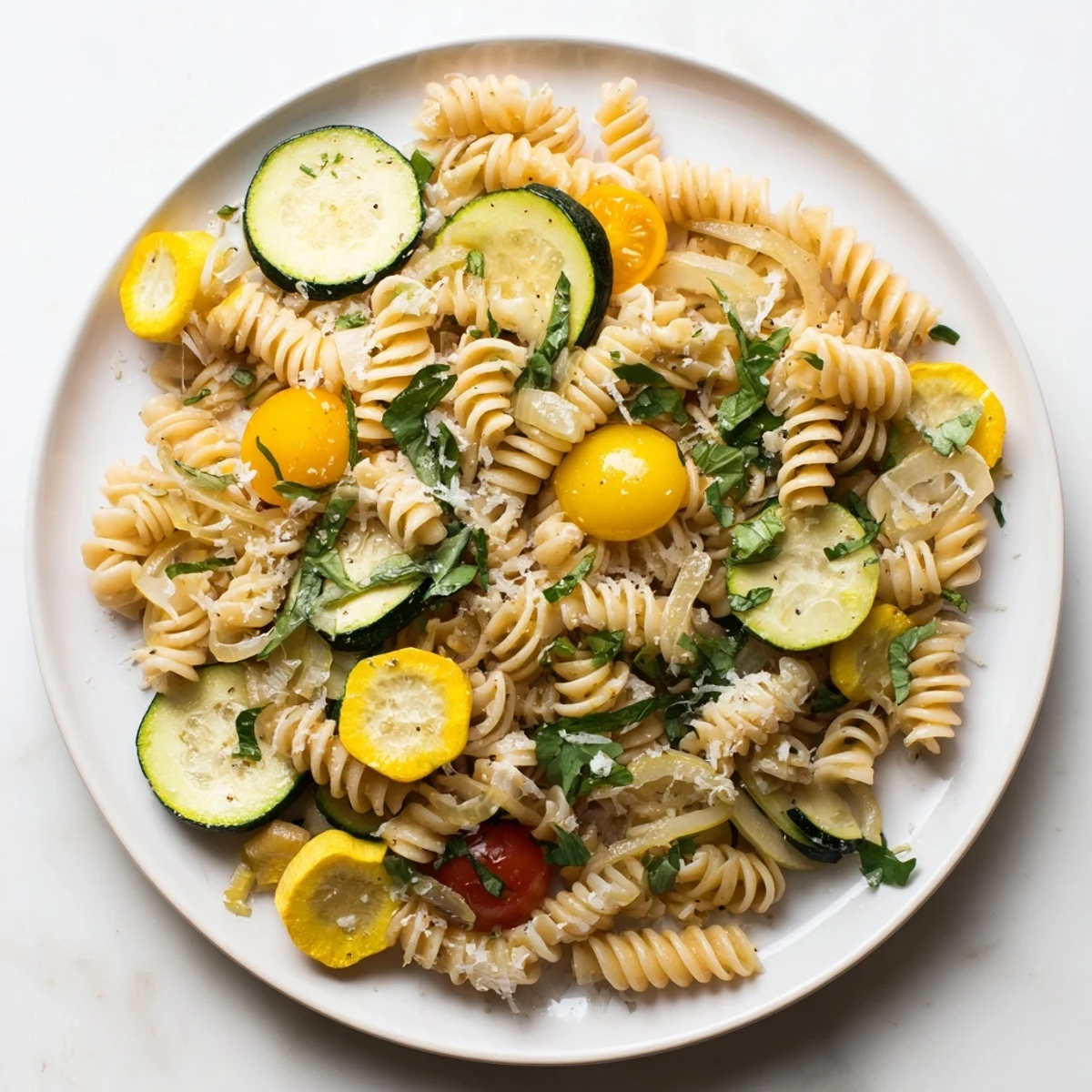
 This recipe became my go to after my dad mentioned he was eating too much takeout. Now he texts me photos of his version, usually with some vegetable hed thrown in that wasnt in the original recipe. Thats when you know a recipe has really taken on a life of its own.
Making It Your Own
Sometimes I add a handful of spinach right at the end, just until it wilts. Other times, when I want something more substantial, I toss in some cannellini beans with the pasta. The beauty is in how adaptable this base is.
Timing Everything Right
The trickiest part is getting the pasta done when the vegetables are ready. Ive learned to start the vegetables about five minutes before dropping the pasta in the water. That way, when the pasta drains, the skillet is waiting.
Leftovers That Actually Work
Unlike some pasta dishes, this reheats beautifully because there isnt a heavy cream sauce to separate. The vegetables actually get better after sitting overnight, their flavors melding together in that second day kind of way.
- Keep some extra fresh herbs on hand to brighten up leftovers
- A splash of olive oil helps revive the texture when reheating
- This travels well for potlucks and picnics
 Save to Pinterest
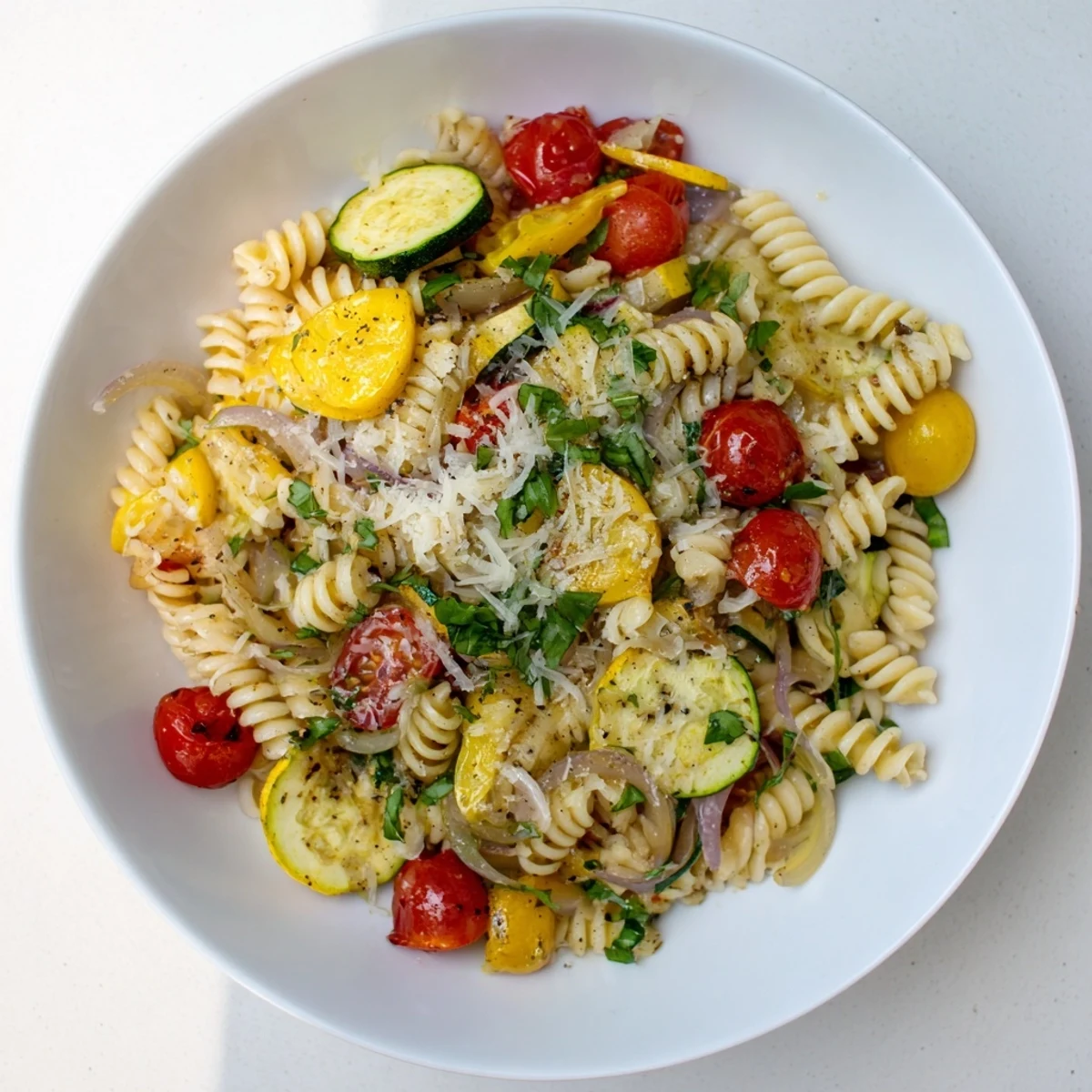
 Somehow this simple skillet dinner reminds me that the best summer meals are the ones that barely feel like cooking at all. Just vegetables, pasta, and a little bit of attention to timing.
Questions & Answers About the Recipe
- → Can I make this ahead of time?
-
This dish is best enjoyed immediately, as pasta absorbs the light sauce as it sits. If you need to prep ahead, you can slice the vegetables and grate the cheese up to a day in advance. Store them separately in the refrigerator until ready to cook.
- → What other pasta shapes work well?
-
Short pasta shapes with ridges or tubes capture the light vegetable sauce beautifully. Try fusilli, gemelli, or farfalle. Even smaller shapes like orecchiette work wonderfully. Just avoid long strands like spaghetti, as the chunky vegetables are harder to scoop up with them.
- → How do I store and reheat leftovers?
-
Store cooled leftovers in an airtight container for up to 3 days. The pasta will absorb more liquid over time, so add a splash of water or broth when reheating. Warm gently in a skillet over medium heat, stirring occasionally, until heated through.
- → Can I use different summer vegetables?
-
Absolutely! This versatile skillet welcomes bell peppers, eggplant, or fresh corn kernels. Green beans or snap peas add lovely crunch. Just adjust cooking times slightly—denser vegetables like eggplant may need a few extra minutes to become tender.
- → What proteins can I add to make it more filling?
-
Grilled chicken strips, sautéed shrimp, or crispy pancetta pair beautifully with the summer vegetables. For plant-based protein, try cannellini beans, chickpeas, or cubed tofu. Add them during the last few minutes of cooking so they warm through without becoming rubbery.
- → Is it necessary to reserve pasta water?
-
Pasta water is essential for creating that silky, emulsified sauce that binds everything together. The starch helps thicken the vegetable juices and helps the sauce cling to each piece of pasta. If you forget, a splash of vegetable broth works in a pinch.