
 Save to Pinterest
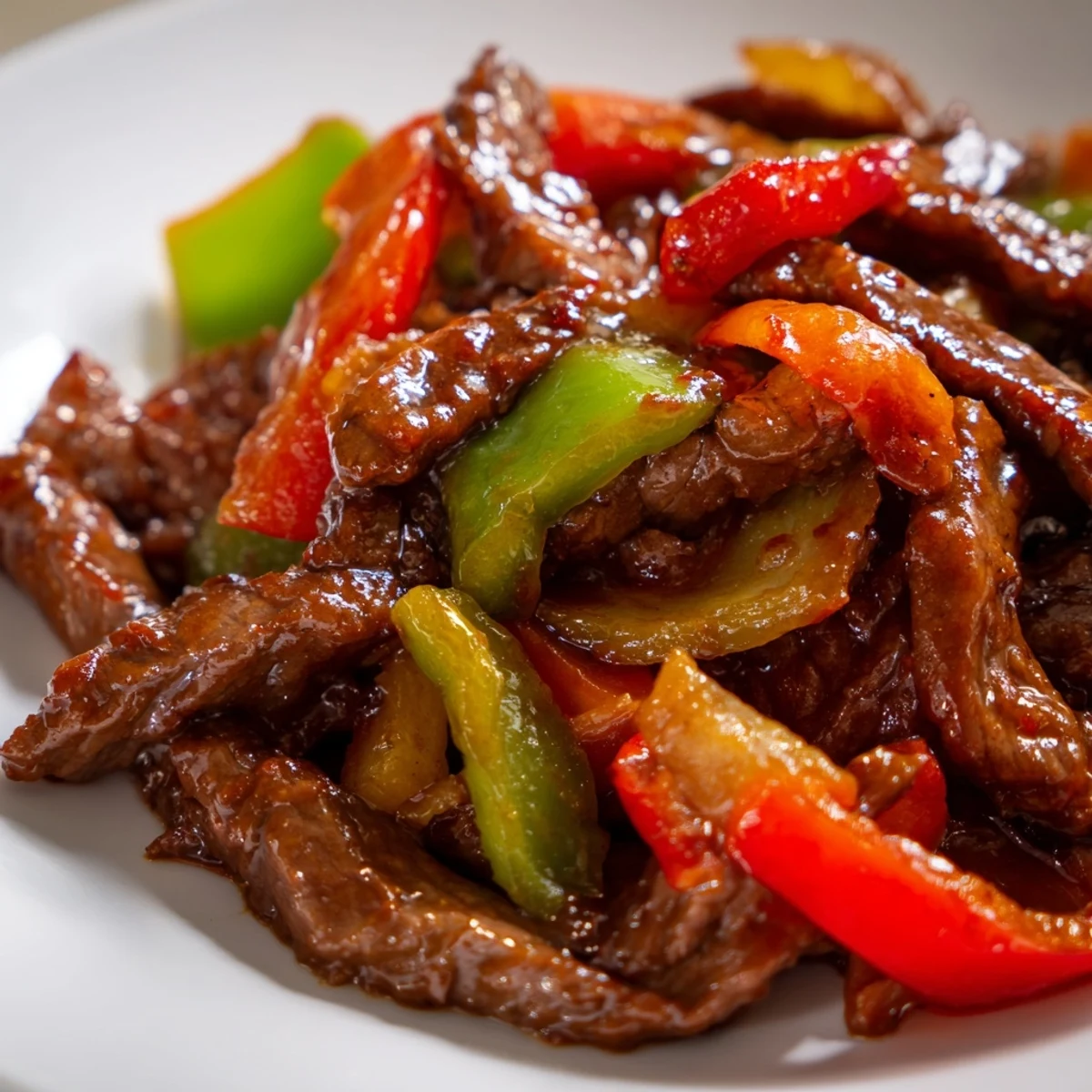
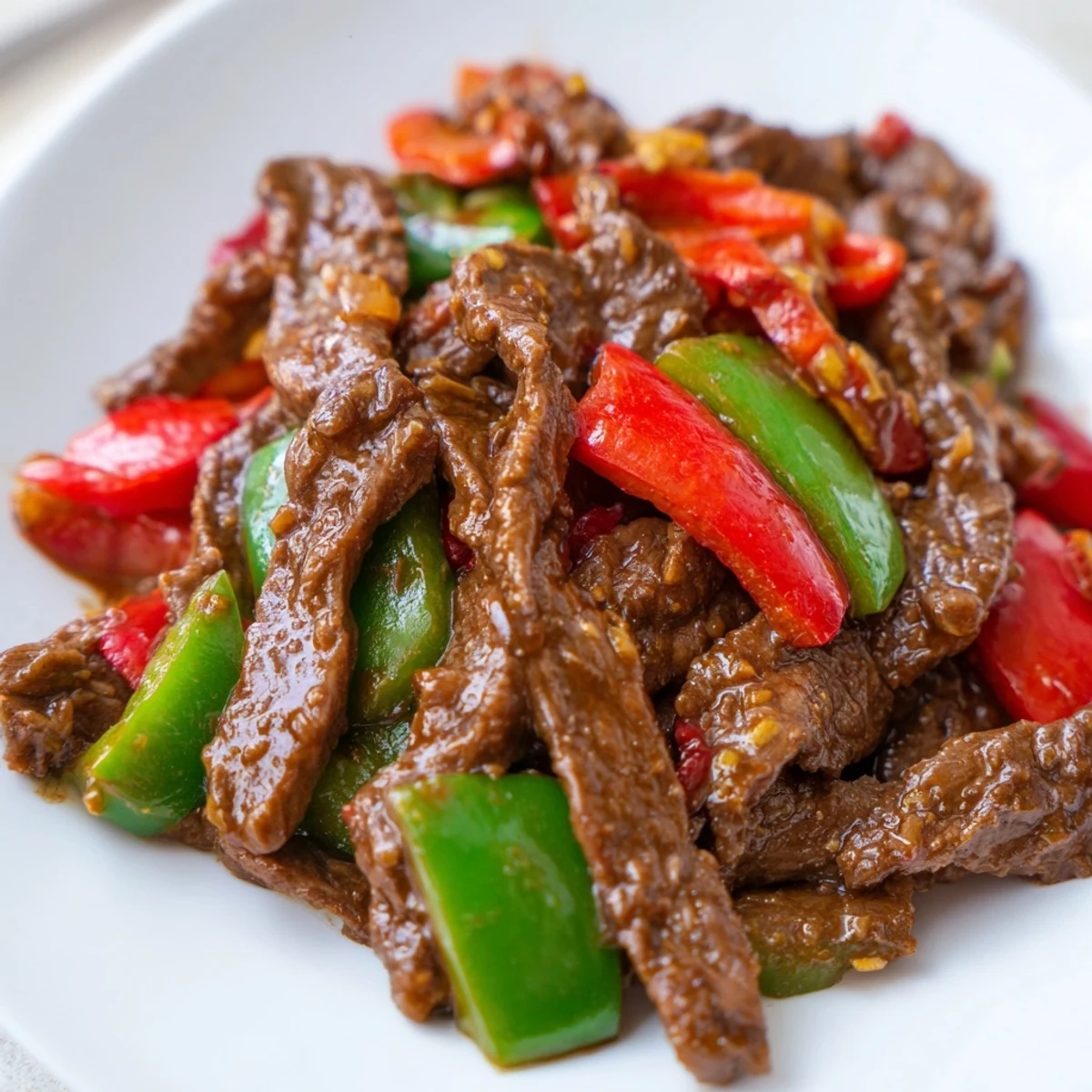
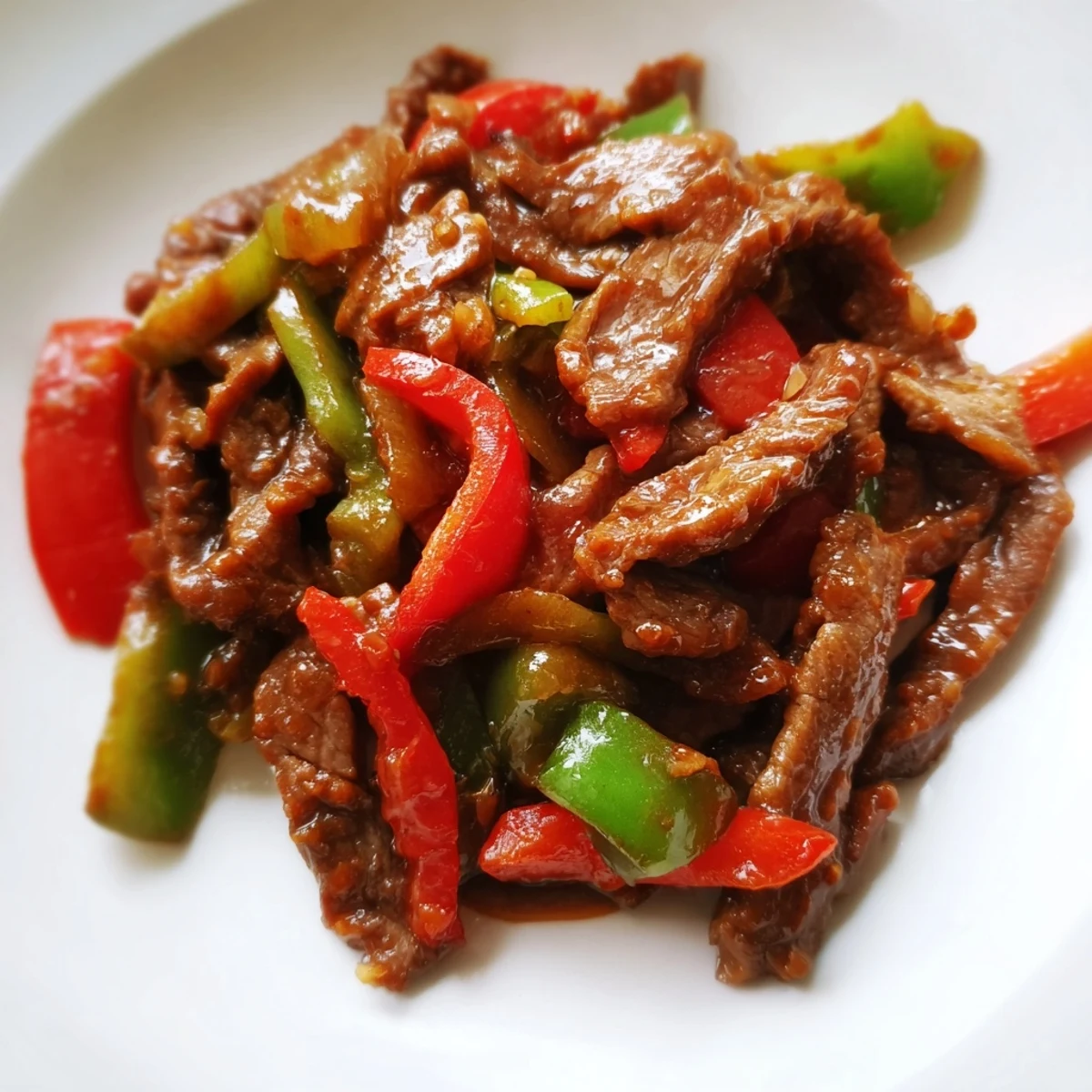
 This vibrant dish combines thinly sliced beef flank or sirloin marinated in a blend of soy, oyster sauce, and sesame oil. Quickly stir-fried with fresh onions, bell peppers, garlic, and ginger, it’s finished with a spicy sauce blending hoisin, chili garlic sauce, and a touch of brown sugar. Ready in under 30 minutes, it’s great served over steamed rice or noodles for an easy, flavorful weeknight meal.
There's something about the sizzle of beef hitting a hot wok that makes everything else fall away. I learned to make this stir fry on a Tuesday night when my roommate challenged me to cook something spicy enough to make us both sweat, and I've been chasing that exact moment of controlled chaos ever since. The sauce comes together so quickly that you barely have time to regret how much chili garlic sauce you added, but somehow it's always just right. It's become the dish I make when I want to feel competent in the kitchen without spending half the evening there.
I made this for my sister one evening when she dropped by unannounced, and the speed of it actually impressed her more than the flavor, if you can believe that. She watched me slice the beef, mix the sauce in what felt like seconds, and somehow transform a pile of raw ingredients into something that tasted like it came from a restaurant kitchen. We ate it straight from the wok while standing at the counter, and she's been asking me to make it ever since.
Ingredients
- Flank steak or sirloin, thinly sliced: Slicing against the grain is the small move that makes all the difference—it breaks up the muscle fibers so every bite feels tender instead of chewy, even when you cook it hot and fast.
- Soy sauce, oyster sauce, rice vinegar, cornstarch, and sesame oil: This marinade is deceptively simple, but those five minutes of marinating time matter more than you'd think—the cornstarch especially helps the beef develop those little crispy edges.
- Red and green bell peppers: Use the freshest ones you can find because they're really the supporting actors here, and crisp vegetables are what separate a great stir fry from a soggy one.
- Fresh ginger and garlic: Julienne the ginger thin so it cooks at the same speed as everything else, and mince the garlic small enough that it distributes evenly instead of burning in clumps.
- Spring onions: Save these for garnish and scatter them on at the very end so they stay bright and fresh instead of wilting into oblivion.
- Soy sauce, oyster sauce, hoisin, chili garlic sauce, brown sugar, and water: This is where all the flavor lives—the brown sugar rounds out the spice and keeps the sauce from tasting one-dimensional.
- Vegetable oil: Use something with a high smoke point because you're cooking hot and you need oil that won't burn before the food finishes.
Instructions
- Marinate the beef:
- Toss your sliced beef with soy sauce, oyster sauce, rice vinegar, cornstarch, and sesame oil, then let it sit for 10 minutes while you prep everything else. This is when the cornstarch starts doing its job, coating the meat so it'll brown beautifully instead of steaming.
- Combine your sauce:
- Whisk together soy sauce, oyster sauce, hoisin, chili garlic sauce, brown sugar, and water in a small bowl and set it nearby so you're not fumbling with bottles once the wok gets hot. Taste it if you're unsure about the spice level—you can always add more but you can't take it back.
- Sear the beef:
- Heat 1 tablespoon of oil until it's shimmering and just barely smoking, then spread your beef in a single layer and leave it alone for about 2 minutes so it gets those golden edges. Once it's browned, transfer it to a clean plate before your vegetables arrive.
- Cook the vegetables:
- Add the remaining tablespoon of oil, then toss in your onion, bell peppers, garlic, and ginger all at once, stirring constantly for 2 to 3 minutes until they're just starting to soften but still have some resistance when you bite them. This is the moment where timing matters—undercook them slightly because they'll keep cooking when the beef comes back.
- Bring it all together:
- Return the beef to the pan, pour in your sauce, and toss everything for another 1 to 2 minutes until the sauce thickens and coats every piece. You'll know it's done when the beef is cooked through and the sauce has gone from watery to glossy.
- Finish with spring onions:
- Scatter the sliced spring onions over the top right before serving so they stay fresh and bright. Serve hot with rice or noodles and don't let anyone convince you that leftovers are optional.
 Save to Pinterest
 The moment I knew this recipe had stuck was when my partner came home to the smell of it cooking and actually skipped the greeting hugs to ask what was for dinner. That's when a recipe stops being just food and becomes the thing you make when you want to impress someone without making it seem like you tried too hard.
Finding Your Heat Level
Spice is so personal that two tablespoons of chili garlic sauce feels perfect to me but might be devastating to someone else at your table. Start with less than you think you need—you can always drizzle more sauce into your own bowl, but you can't dial down a mistake that's already mixed into the entire pan. I learned this by making my mom nearly cry the first time, and now I keep the sauce bottle on the table so everyone can adjust as they eat.
The Vegetable Swap Game
Bell peppers and onions are the backbone, but honestly this stir fry adapts beautifully to whatever's in your crisper drawer or what you grabbed because you were in a hurry at the market. Snap peas, broccoli florets, mushrooms, bok choy—they all work as long as you cut them to roughly the same size so they cook evenly. The only rule is don't overcrowd the pan and don't walk away, because the line between crisp and sad happens in about 30 seconds.
Making It Your Own
This recipe is honestly a foundation that's waiting for your signature touch, whether that's swapping the beef for chicken or tofu, adding peanuts for crunch, or throwing in a handful of fresh chilies if you want it to hurt in the best way. The sauce ratio stays the same, but everything else is negotiable based on what makes you happy in a bowl.
- If you're cooking for vegetarians, substitute the beef with tofu cubes or thick slices of mushroom and follow the exact same cooking method.
- Serve over jasmine rice for something light or wide noodles if you want the sauce to have somewhere to cling.
- Make a double batch of just the sauce and keep it in the fridge—it's incredible on roasted vegetables or as a dipping sauce for dumplings.
 Save to Pinterest
 This is the recipe I reach for when I want to cook something that feels intentional without being complicated, and somehow it never disappoints. It's taught me that the best meals don't need hours of attention, just a hot pan and the confidence to season boldly.
Questions & Answers About the Recipe
- → What cut of beef works best?
-
Flank steak or sirloin sliced thinly against the grain ensures tender, quick cooking strips ideal for stir-frying.
- → How can I adjust the spice level?
-
Modify the amount of chili garlic sauce or add fresh sliced chilies to your preferred heat intensity.
- → Can I substitute the beef?
-
Yes, chicken or tofu can be swapped in to suit dietary preferences while maintaining great flavor.
- → What vegetables are recommended?
-
Red and green bell peppers, onions, garlic, ginger, and spring onions add color, texture, and aroma.
- → What is the best way to serve this dish?
-
Serve hot over steamed jasmine or basmati rice, or alongside noodles for a satisfying meal.