
 Save to Pinterest
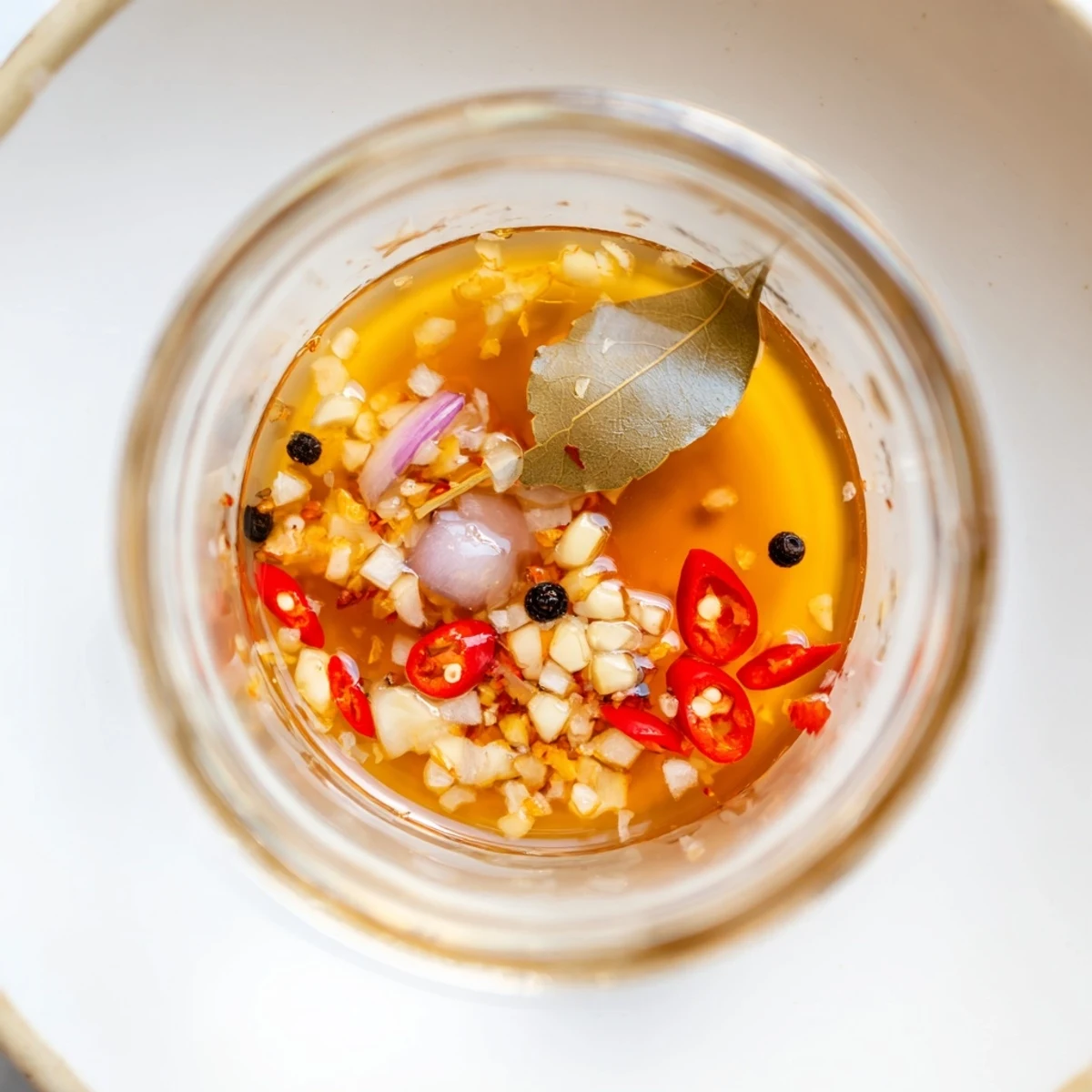
 This spiced vinegar offers a bright, tangy base enriched with garlic, onions, chilies, and aromatic spices. It's gently simmered to meld flavors, creating a versatile addition for grilled meats and vegetables. Easily prepared in under 15 minutes, it adapts to taste with adjustable heat and optional soy for umami. Store chilled for lasting freshness and enjoy its vibrant character in a variety of dishes.
I first encountered this spiced vinegar sauce at my aunt's kitchen in Manila, watching her prepare it with the kind of casual confidence that only comes from making something a thousand times. She'd say the secret was patience—letting those garlic cloves and chilies whisper their flavors into the vinegar rather than forcing them. That day, I realized this wasn't just a condiment; it was liquid gold that transformed everything it touched.
I remember serving this sauce at a small dinner party, drizzling it over grilled fish, and watching my guests reach for more before they'd even finished their first bite. Someone asked for the recipe right there at the table, and I knew I'd found something special—the kind of thing that makes people remember not just the meal, but the moment.
Ingredients
- Cane vinegar: This is the heart of the sauce—it's milder and slightly sweeter than white vinegar, giving the sauce its characteristic warmth. If you can't find cane vinegar, white vinegar works in a pinch, though the flavor will be sharper.
- Water: A small amount to temper the vinegar's intensity and help the spices release their flavors more gently.
- Garlic: Minced fine so it softens into the sauce and distributes its essence throughout. Fresh garlic makes an enormous difference here.
- Red onion: The slight sweetness balances the acidity, and the red color makes the sauce visually appealing. Don't skip the mincing step—texture matters.
- Birds eye chilies: These small but mighty peppers pack serious heat. Slice them rather than mince so you can easily fish them out if the sauce gets too spicy for someone's taste.
- Black peppercorns: Lightly crushing them releases their oils without turning them to powder. You want texture and flavor, not bitterness.
- Sugar and salt: These humble seasonings balance everything—the sugar rounds out the vinegar's sharpness, while salt makes all the flavors sing.
- Bay leaf: A single leaf adds an aromatic depth that feels like a kitchen secret only you know.
Instructions
- Gather and prepare your aromatics:
- Start by mincing your garlic so fine it's almost paste-like, then finely chop your red onion into small, uniform pieces. Slice your chilies into thin rings, removing the seeds if you prefer less heat but keeping the white ribs intact for maximum flavor. This prep work is where patience pays off—even sizing matters because everything cooks together.
- Combine everything in the pan:
- Pour your vinegar and water into a small saucepan, then add the garlic, onion, chilies, lightly crushed peppercorns, sugar, salt, and bay leaf. Stir gently to combine, and you'll immediately notice how the aromatics perfume the air—that's your indicator that you're on the right track.
- Simmer gently without boiling:
- Turn the heat to medium and bring the mixture to a gentle simmer. This is crucial—you're not trying to cook anything away; you're coaxing flavors into harmony. If it starts to boil vigorously, lower the heat slightly. Listen for the soft bubbling sound rather than a rolling boil.
- Let the magic happen:
- After 3 to 5 minutes of simmering, you'll notice the garlic has softened and the vinegar has absorbed the spice's warmth. The kitchen will smell incredible—garlicky, spicy, tangy, and alive. This is when you know you're done.
- Cool and infuse:
- Remove the pan from heat and let it come to room temperature naturally. Don't rush this; as it cools, the flavors continue to marry and deepen. This is the perfect time to taste it, adjust the heat if needed, and appreciate what you've made.
- Transfer and rest:
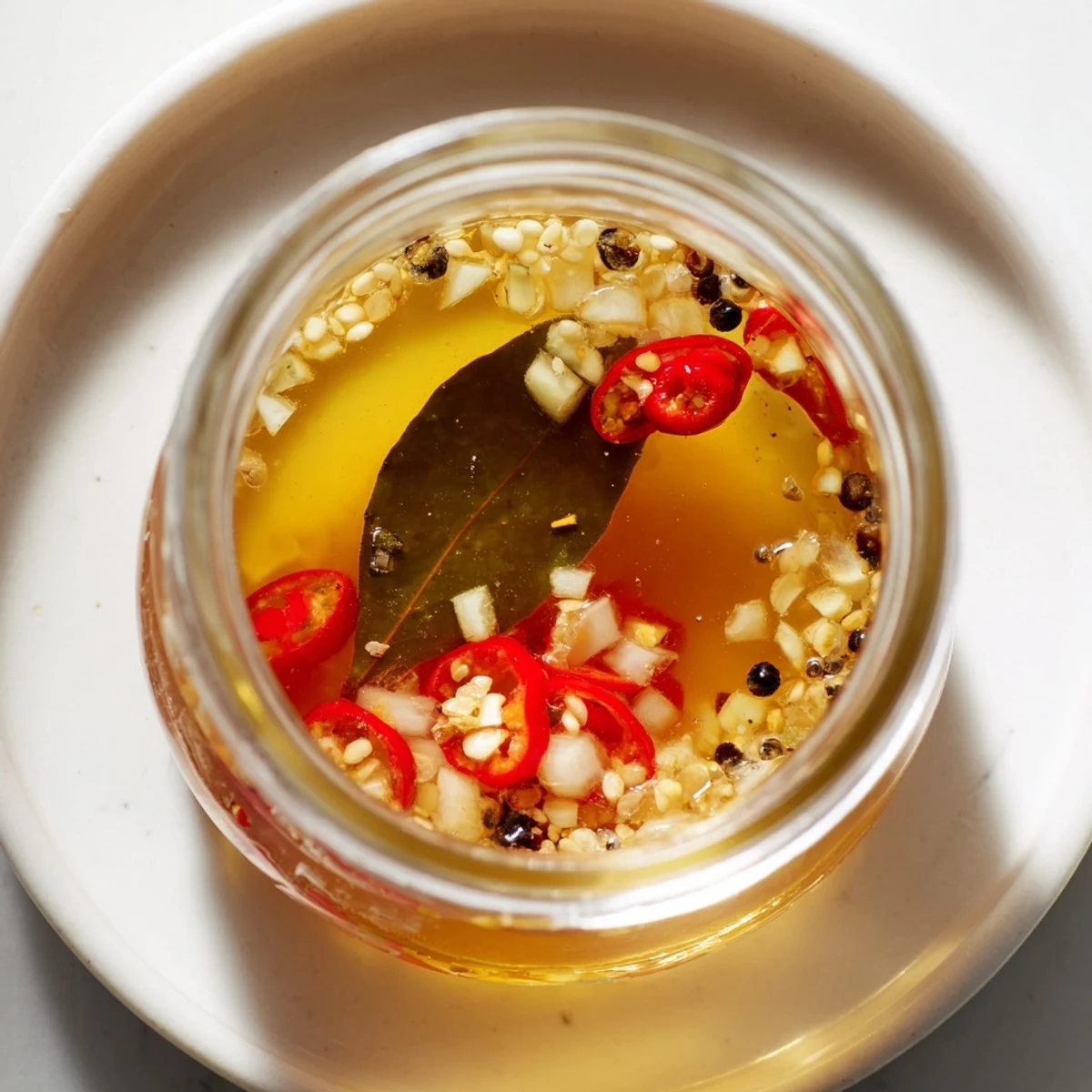
- Pour the finished sauce into a clean jar or bottle. Here's the insider secret: letting it sit for at least an hour before using allows the flavors to fully integrate. I know it's tempting to use it immediately, but that hour of patience transforms good sauce into exceptional sauce.
 Save to Pinterest
 There's a moment, usually on the second day, when someone takes a bite of whatever you've drizzled this sauce on and closes their eyes for just a second. That's when you know this sauce has done its job—it's turned the ordinary into something that matters, something worth remembering.
Storage and Keeping
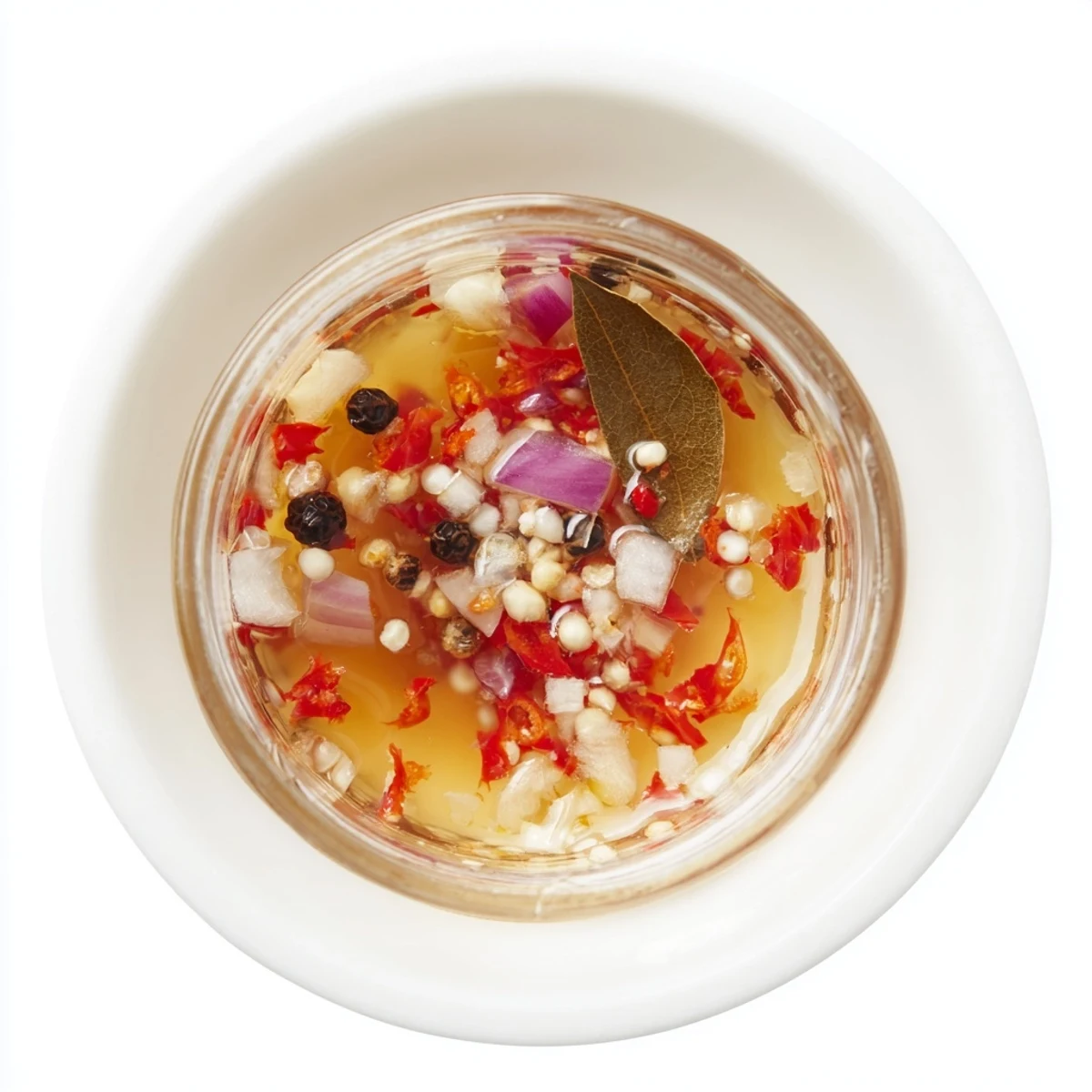
This sauce is built to last. Refrigerated in a clean glass jar, it keeps beautifully for up to two weeks, and I've found that it actually improves over the first few days as the flavors continue to meld and settle. The colder temperature mellows it slightly, making it more approachable even if you made it on the spicy side. Just give the jar a gentle shake before using—the aromatics may have settled to the bottom, which is exactly where you want them.
Customizing Your Sauce
This recipe is more of a starting point than a rule book. I've made versions with apple cider vinegar when I wanted something gentler and fruitier, and I've added a splash of soy sauce on nights when I felt the sauce needed more depth and umami—though I always warn guests about the soy first. Some friends add ginger, others a pinch of turmeric. The beauty of making your own is that you're never locked into one flavor profile; you're creating something that speaks to your taste and the moment you're cooking in.
Best Uses and Pairings
I think of this sauce as the ultimate kitchen multitasker. It's perfect as a dipping sauce for grilled meats—the acidity cuts through richness beautifully. I use it to drizzle over grilled vegetables where it brightens everything without overwhelming. It's equally at home marinating fish or chicken, infusing them with subtle heat and complexity. Some of my happiest cooking moments have come from simply roasting something simple and letting this sauce be the star.
- Serve it at room temperature for the boldest flavor, or chilled if you prefer a more muted heat
- Make a double batch on a Sunday and you'll have flavor on hand for the entire week
- Trust your palate when adjusting the chilies—what's perfect for one person might be too much or too little for another, and that's completely okay
 Save to Pinterest
 This sauce taught me that sometimes the most important flavors come from the simplest things—vinegar, garlic, a little heat, and time. It's proof that you don't need fancy techniques or obscure ingredients to create something that makes people happy.