
 Save to Pinterest
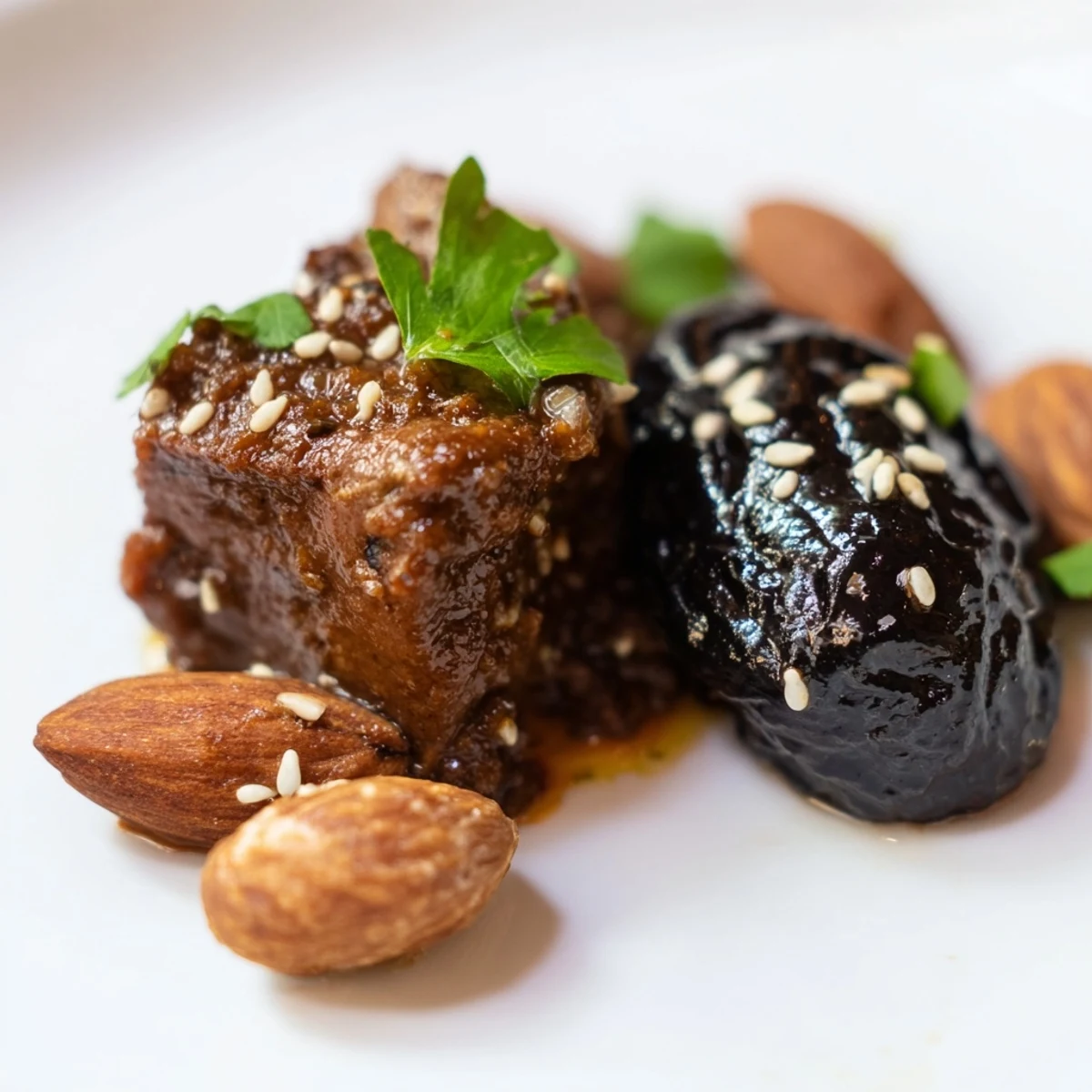
 This dish combines slow-cooked lamb shoulder with fragrant Moroccan spices including cumin, coriander, and cinnamon. Aromatics like garlic, fresh ginger, and onions build depth while prunes add subtle sweetness. The dish is gently simmered until the lamb is tender and the sauce thickens, finished with toasted almonds, sesame seeds, and fresh coriander for texture and flavor. Perfect served with couscous or saffron rice, it delivers a rich and satisfying meal bursting with traditional North African flavors.
The first time I truly understood what a tagine could be, I wasn't in Morocco—I was in my tiny London flat on a cold November evening, the aroma of cinnamon and cumin filling every corner like an invisible guest. My neighbor knocked to ask what smelled so incredible, and I realized then that some dishes don't just feed you; they announce themselves. This slow-cooked lamb tagine with prunes became my answer to those gray days when I needed warmth, complexity, and the kind of comfort that only comes from spices that have had hours to become one with tender meat.
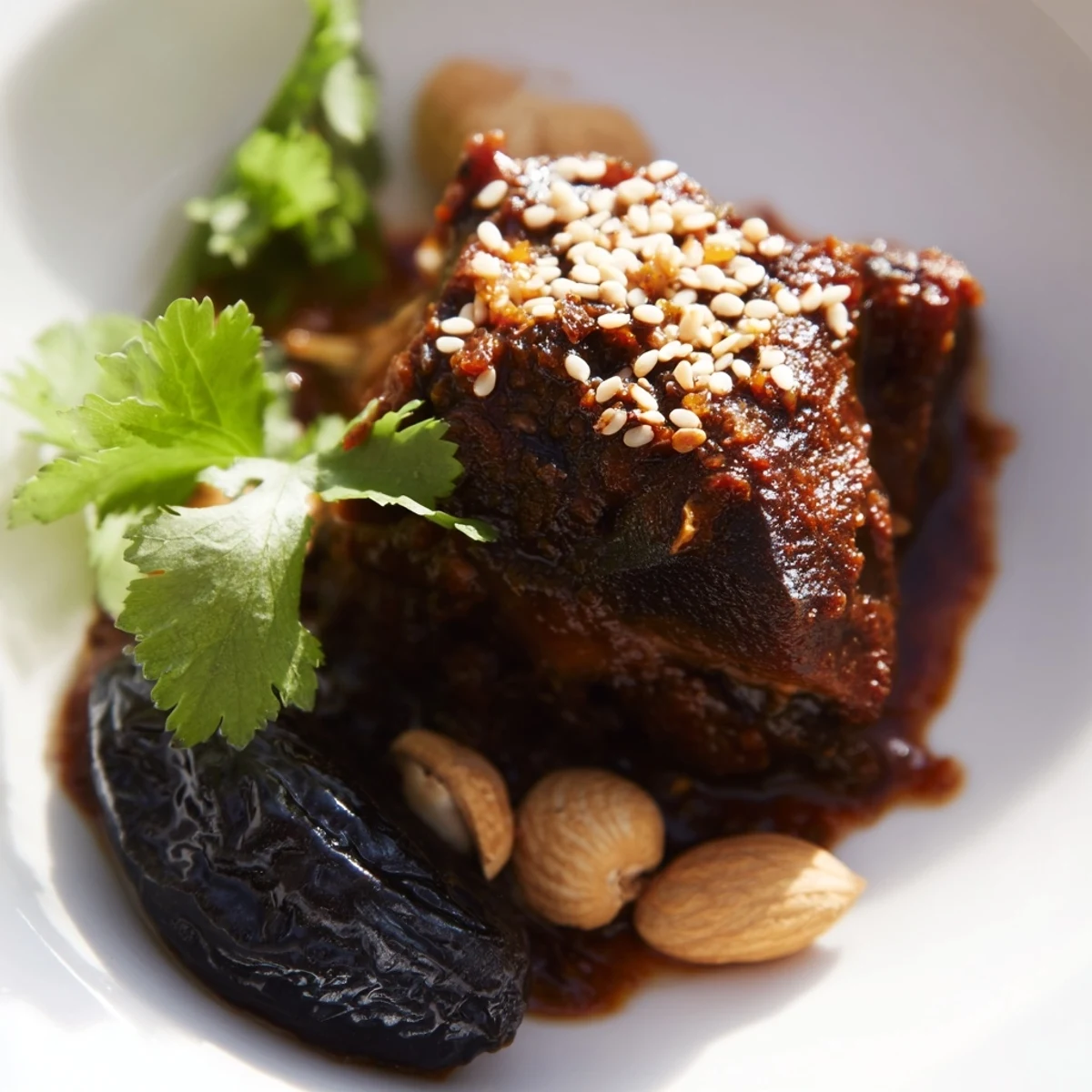
I made this for a dinner party where I was convinced everything would go wrong—the lamb was thicker than expected, I burned the first batch slightly, and my smoke alarm had strong opinions about it all. But when I finally served those bowls with their glossy, mahogany sauce and scattered almonds catching the light, someone asked for the recipe before they'd even finished eating. That moment taught me that tagine is forgiving; it doesn't demand perfection, just patience and good spices.
Ingredients
- Lamb shoulder, 1.2 kg (2.6 lbs), cut into large cubes: Shoulder meat becomes impossibly tender when slow-cooked and holds sauce beautifully; avoid lean cuts that tighten up in the long cooking time.
- Ground cumin, 2 tsp: The earthy backbone of the spice blend; I learned to toast whole seeds first if you have them, as the flavor deepens considerably.
- Ground coriander, 2 tsp: Brings a subtle citrus note that keeps the tagine from feeling heavy or one-dimensional.
- Ground cinnamon, 1½ tsp: This is where the warmth lives; don't skimp, but also taste as you go if you're hesitant about sweetness.
- Ground ginger, 1 tsp: Fresh ginger goes in later, but ground ginger in the marinade creates a deeper, more layered heat.
- Ground turmeric, 1 tsp: Adds both color and a subtle earthiness that's easy to miss but impossible to do without.
- Ground black pepper, ½ tsp: A small amount is enough; too much will flatten the other flavors.
- Salt, 1 tsp: Season in layers throughout cooking rather than all at once.
- Large onions, 2, finely chopped: They'll dissolve almost completely into the sauce, thickening and sweetening it naturally.
- Garlic cloves, 4, minced: Add these after the onions soften so they don't burn and turn bitter on you.
- Fresh ginger, 1 thumb-sized piece, grated: This gives a brighter, fresher kick than ground ginger alone; don't peel it unless you're particular about texture.
- Beef or lamb stock, 400 ml (1⅔ cups): Lamb stock is ideal if you can find it, but good beef stock won't let you down.
- Tomato paste, 2 tbsp: This acts as both flavoring and gentle thickener; stir it in thoroughly so it doesn't clump.
- Runny honey, 2 tbsp: It sounds odd with meat, but it's what bridges the gap between savory and the sweetness of prunes.
- Olive oil, 2 tbsp: Use something sturdy here; the oil's quality matters less than its ability to handle medium-high heat.
- Pitted prunes, 250 g (9 oz): The star player; they plump up and almost melt into the sauce, creating little bursts of sweetness.
- Blanched almonds, 50 g (1.7 oz), toasted: Toast them yourself if possible; they'll add a nuttiness that pre-toasted versions sometimes lose in packaging.
- Sesame seeds, 2 tbsp, toasted: A final garnish that adds texture and a subtle, almost buttery note.
- Fresh coriander (cilantro), to serve: A bright finish that cuts through the richness like a cool breeze.
Instructions
- Coat and rest the lamb:
- Toss your lamb cubes with all the dry spices and salt in a large bowl, making sure every piece gets a proper coating. Pop it in the fridge for at least 30 minutes, though overnight is where the real magic happens—the spices gently infuse the meat while you're not even thinking about it.
- Brown the meat:
- Heat olive oil in a large pot or tagine over medium-high heat until it shimmers, then add lamb in batches—don't overcrowd the pan or you'll steam instead of sear. Let each batch develop a rich, golden crust before transferring to a plate; this takes maybe 3-4 minutes per batch, and the browning is worth every second.
- Build the aromatic base:
- In the same pot, add your chopped onions and let them soften for about 6-8 minutes until they're golden and beginning to smell sweet. Add the minced garlic and fresh ginger, stirring constantly for just a minute until the fragrance fills your kitchen—this is the moment you'll know everything is going right.
- Combine and simmer:
- Return the lamb to the pot, then stir in the tomato paste and honey, mixing until everything is coated and glossy. Pour in the stock, using a wooden spoon to scrape up all those golden, flavorful bits stuck to the bottom, then bring everything to a gentle simmer.
- First long cook:
- Reduce the heat to low, cover the pot, and let it go for 1 hour and 30 minutes, stirring occasionally so nothing sticks. The lamb will start to soften, and the sauce will begin to deepen in color and complexity.
- Add the prunes and finish:
- Uncover the pot, stir in the prunes, and let everything cook for another 45-60 minutes without the lid—this is when the sauce reduces and becomes glossy, and the prunes plump up like tiny flavor bombs. The lamb should be so tender it nearly falls apart when you look at it.
- Taste and adjust:
- Before serving, taste a spoonful of sauce and adjust the seasoning—you might want a pinch more salt, or even a touch more honey if it feels too spiced.
- Serve with ceremony:
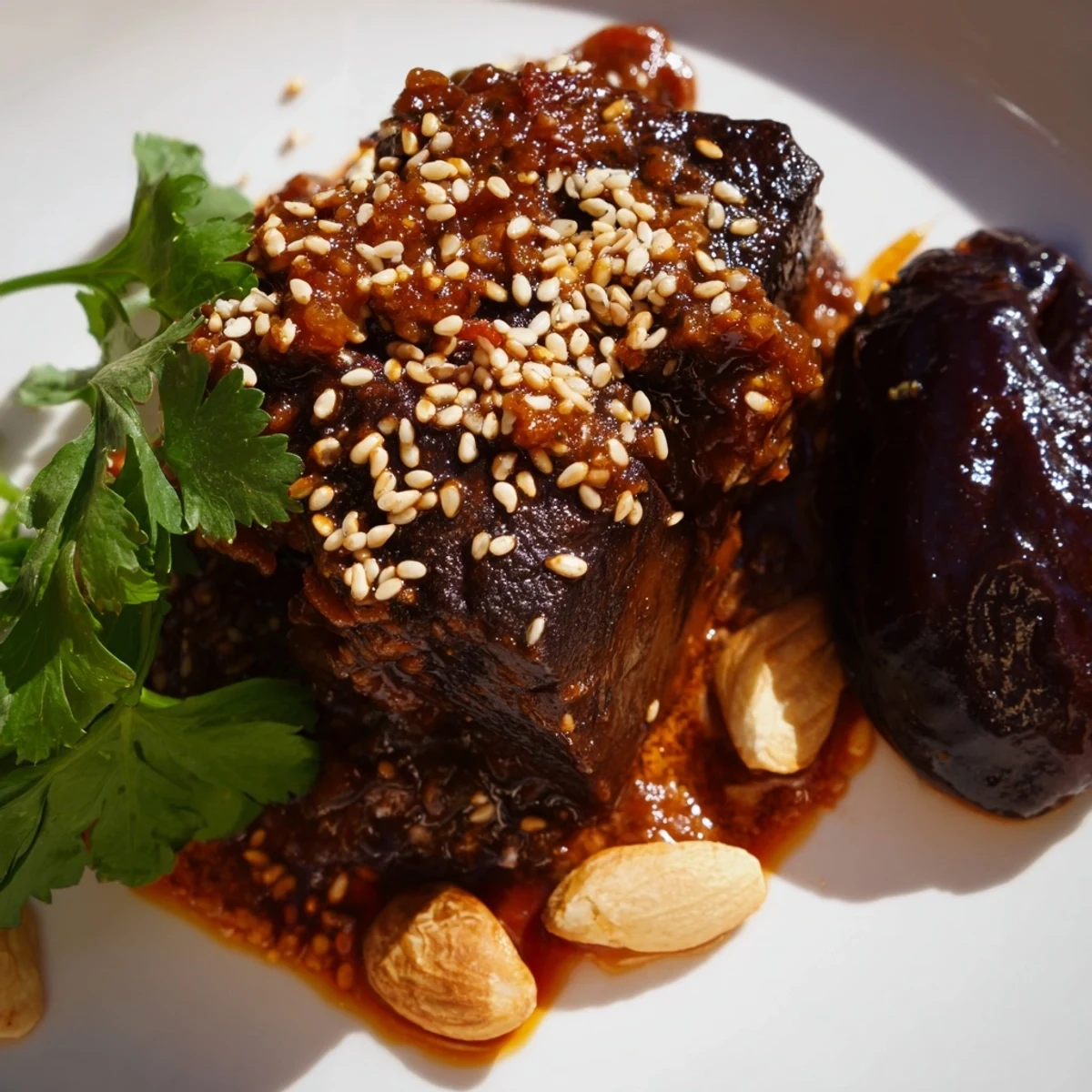
- Ladle the tagine into bowls, scatter toasted almonds and sesame seeds generously over the top, and finish with a handful of fresh coriander leaves for that bright counterpoint.
 Save to Pinterest
 There's a moment, about halfway through the cooking, when someone walks into your kitchen and just stops—arrested by the smell, by the promise of it all. That's when I know this dish has done its job, even before the first spoon touches a bowl. This tagine reminds me why I cook in the first place: to create those moments where food becomes memory, where a simple bowl of stew becomes a story worth telling.
The Story Behind Moroccan Tagines
Tagines exist in that beautiful intersection of practicality and poetry—born in North Africa where slow, gentle heat and fragrant spices were how you made tough cuts of meat sing. The cone-shaped pot that gives this dish its name was designed to trap steam and return it to the food, creating a self-basting miracle with minimal water or effort. What struck me most when I learned this history was realizing I wasn't just following a recipe; I was participating in centuries of cooking wisdom, adapted for my London kitchen but rooted in something ancient and true.
Why Prunes and Not Apricots
The first time I made this, I had dried apricots on hand and thought they'd work just as well—they don't. Prunes bring a deeper, almost wine-like richness that somehow complements the warm spices in a way apricots never quite manage; they're more subtle, less bright, which is exactly what this dish needs. Apricots would make it feel lighter, more summery, and while that's not wrong, it's a completely different dish.
Serving and Pairing
This tagine doesn't demand a fancy accompaniment—it just wants something to soak up that mahogany sauce and let the lamb be the star. Fluffy couscous or saffron rice are the obvious choices, but I've also served it over creamy cauliflower rice for a lighter version, or honestly, just with warm bread and a simple green salad on the side. The sweetness of the prunes and the warmth of the spices pair beautifully with a fruity red wine like Grenache, or—if you want to go full Moroccan—a steaming glass of mint tea cuts through the richness in a way that feels both traditional and perfect.
- Couscous is the traditional choice, but its mild flavor lets the tagine shine without competition.
- A crisp green salad on the side provides brightness and prevents the meal from feeling heavy.
- Make extra sauce; there will be requests for it, and it keeps beautifully in the fridge for up to three days.
 Save to Pinterest
 This lamb tagine is the kind of recipe that rewards patience and trust, giving back warmth and complexity in equal measure. Make it once for yourself, then make it again for someone you want to impress—it never fails.
Questions & Answers About the Recipe
- → What cut of lamb works best for this dish?
-
Lamb shoulder cut into cubes is ideal for slow cooking due to its tenderness and flavor development over time.
- → Can I prepare the marinade ahead of time?
-
Yes, marinating the lamb overnight enhances the spice infusion and tenderizes the meat for deeper flavor.
- → What can I use as a substitute for prunes?
-
Dried apricots make a great alternative, offering a similar sweetness with a slightly different fruitiness.
- → How should I adjust spices for a milder taste?
-
Reducing the cinnamon and fresh ginger quantities results in a gentler, less intense spiced profile.
- → What are recommended serving suggestions?
-
This tagine pairs beautifully with steamed couscous, saffron rice, a fruity red wine, or Moroccan mint tea.
- → Are there common allergens to watch for in this dish?
-
The dish contains tree nuts (almonds) and sesame seeds; check stock ingredients if sensitive to gluten or allergens.