
 Save to Pinterest
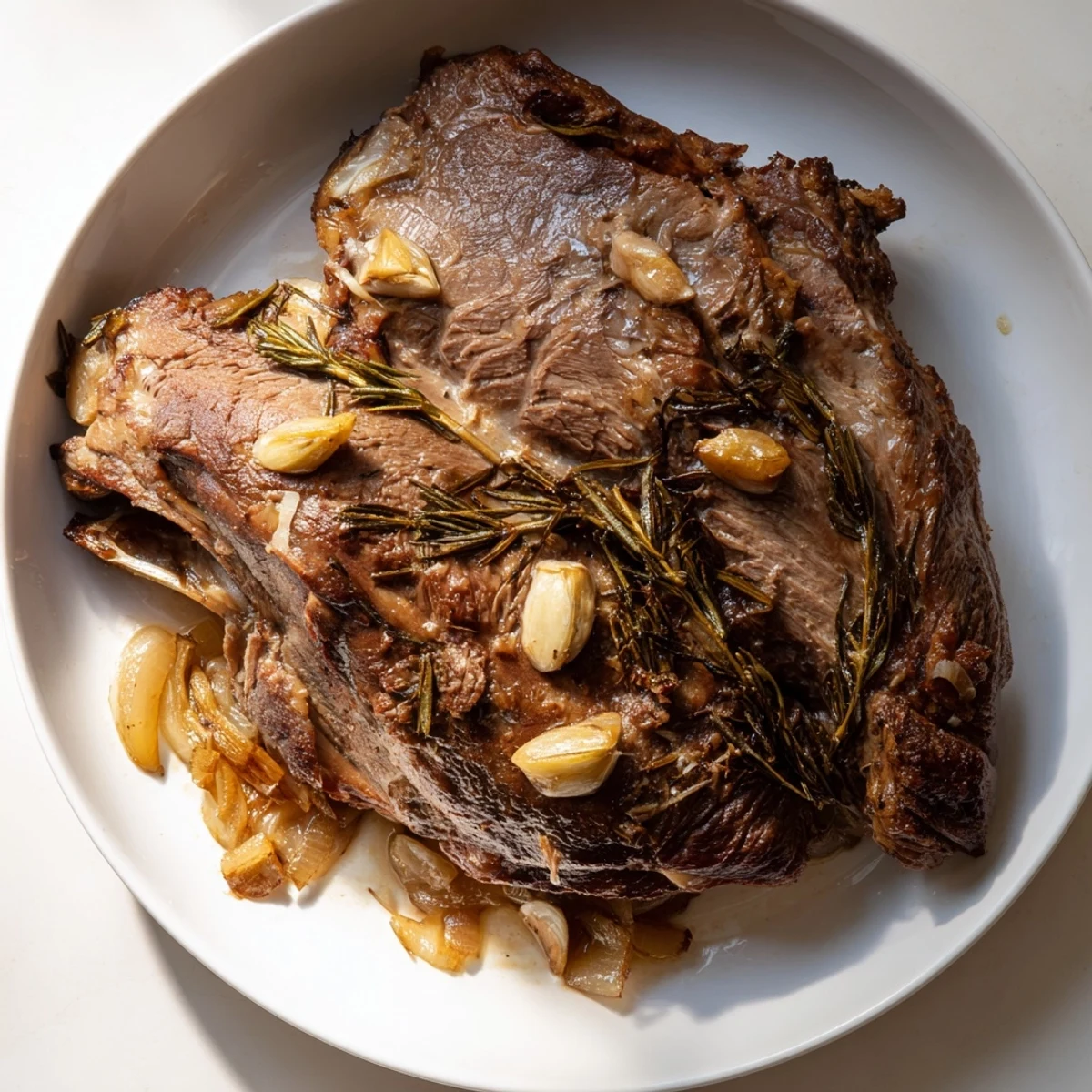
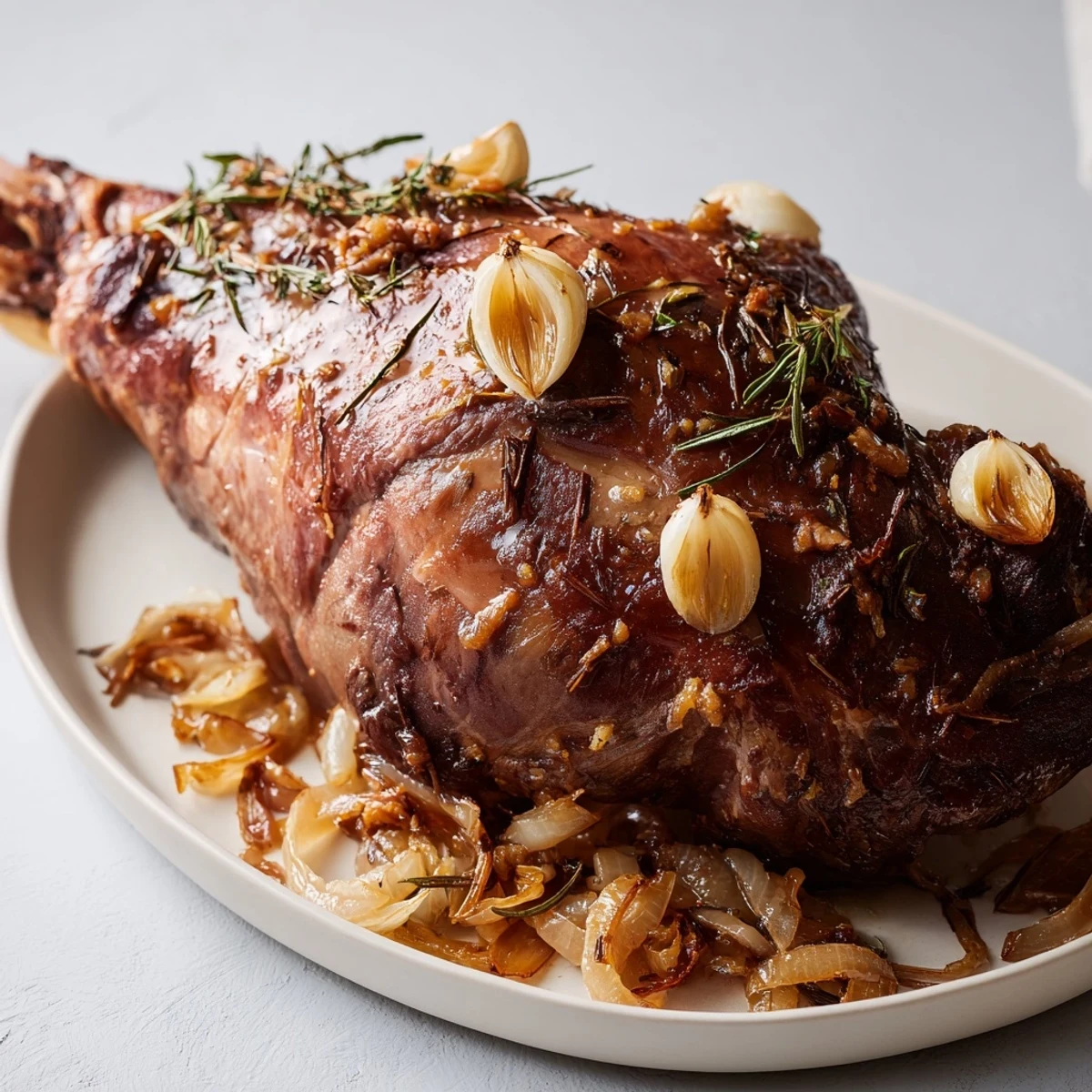
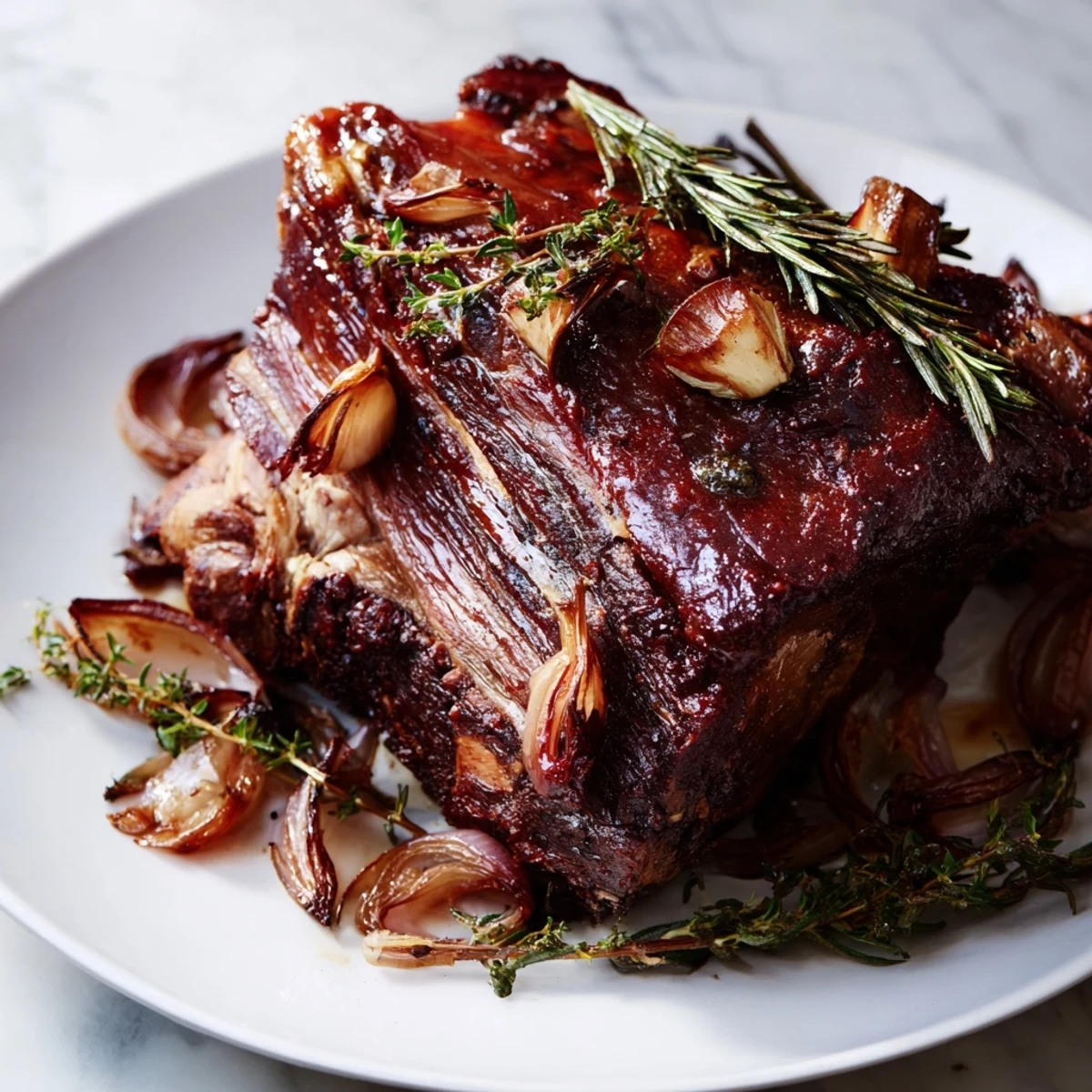
 This slow-cooked lamb shoulder is richly infused with garlic cloves and fresh herbs like rosemary and thyme. The lamb is prepared by making incisions for garlic, then slow-roasted with onions, herbs, white wine, and stock. Optional root vegetables can be added halfway for a hearty accompaniment. Finally, the lamb is roasted uncovered to achieve a perfectly browned crust, resulting in tender, aromatic meat that falls off the bone. Serve it with pan juices and seasonal sides to enjoy a comforting Mediterranean-inspired dish.
The smell hit me before I even opened the oven door. Garlic and rosemary, wine-soaked and caramelized, filling every corner of the kitchen. I had bought the lamb shoulder on impulse at the butcher, unsure what to do with something so large and unfamiliar. A neighbor suggested slow-roasting it with garlic, and I figured the oven would do most of the work.
I made this for my in-laws on a rainy Sunday, worried the whole time it wouldnt be enough. When I lifted the foil after four hours, the lamb had collapsed into itself, the garlic cloves soft as butter. My father-in-law, who rarely compliments anything, went back for thirds. That was the moment I stopped doubting slow cooking.
Ingredients
- Bone-in lamb shoulder: The bone adds flavor and keeps the meat moist during the long roast, look for one with a good fat cap.
- Olive oil: Helps the seasoning cling and encourages browning, use something decent but not your best bottle.
- Garlic cloves: They mellow and sweeten as they cook, becoming almost jam-like, dont skimp here.
- Onions: They form a soft, sweet base that soaks up all the drippings, I use yellow onions for their mild flavor.
- Rosemary and thyme: Fresh herbs make all the difference, their oils perfume the meat as it cooks.
- Bay leaves: They add a subtle earthiness, remove them before serving.
- Dry white wine: It deglazes the pan and adds acidity to balance the richness, a Sauvignon Blanc works well.
- Stock: Use low-sodium so you can control the salt, chicken or beef both work beautifully.
- Carrots, parsnips, and baby potatoes: Optional but they turn into a complete meal, soaking up the juices and roasting alongside the lamb.
Instructions
- Prep the lamb:
- Pat the lamb dry with paper towels and rub it all over with olive oil, salt, and pepper. Use a sharp knife to make small slits across the surface, then tuck garlic halves into each one like little flavor bombs.
- Build the base:
- Scatter the sliced onions across the bottom of a large roasting pan and lay the lamb on top. Toss the rosemary, thyme, and bay leaves around it, then pour the wine and stock into the pan, not over the meat.
- Slow roast:
- Cover the pan tightly with foil or a lid and slide it into a 160°C (320°F) oven for four hours. The lamb will become impossibly tender, and your house will smell like a dream.
- Add vegetables:
- If using, add the carrots, parsnips, and potatoes around the lamb after two hours, tucking them into the liquid. They will roast slowly and soak up all the savory juices.
- Finish and rest:
- Remove the foil, crank the heat to 200°C (400°F), and roast for another 30 minutes to brown the top. Let the lamb rest for 15 minutes before serving, then skim the fat from the pan juices and spoon them over everything.
 Save to Pinterest
 The first time I served this, I plated it simply, the lamb on a big wooden board with the vegetables tumbled around it. Everyone reached across the table, tearing off pieces with their hands, mopping up the sauce with bread. It felt less like dinner and more like a gathering, the kind of meal that makes people linger and talk long after the plates are empty.
How to Choose Your Lamb
Look for a shoulder with a nice layer of fat and the bone still in, it might seem intimidating but the bone keeps everything juicy and flavorful. Ask your butcher to trim off any excessive fat if you prefer, but leave some on for flavor. Fresh lamb should smell clean and slightly sweet, never gamey or sour.
What to Serve Alongside
I love serving this with crusty sourdough to soak up the pan juices, or a bowl of creamy polenta if I want something more substantial. A simple arugula salad with lemon and olive oil cuts through the richness beautifully. If you roasted the vegetables with the lamb, you already have a complete plate and barely any extra dishes to wash.
Making It Ahead and Storing
This lamb reheats beautifully, sometimes even better the next day when the flavors have had time to settle. Store the meat and vegetables in an airtight container with some of the pan juices to keep everything moist, it will keep in the fridge for up to three days. You can also freeze portions for up to two months, just thaw overnight and reheat gently in a covered dish.
- If marinating overnight, wrap the lamb tightly and refrigerate, bringing it to room temperature 30 minutes before roasting.
- Save any leftover pan juices to toss with pasta or spoon over rice the next day.
- Reheat in a low oven covered with foil to prevent drying out, adding a splash of stock if needed.
 Save to Pinterest
 This is the kind of recipe that makes you look like you spent all day in the kitchen, when really the oven did the heavy lifting. Serve it when you want to impress without the stress, and watch everyone come back for seconds.
Questions & Answers About the Recipe
- → How do I prepare the lamb for cooking?
-
Pat the lamb dry and rub it evenly with olive oil, salt, and freshly ground black pepper. Make small incisions to insert garlic cloves, enhancing the flavor throughout the meat.
- → What herbs complement the lamb in this dish?
-
Fresh rosemary, thyme, and bay leaves are used to infuse the lamb with aromatic, earthy flavors that complement the richness of the meat.
- → Can vegetables be cooked with the lamb?
-
Yes, carrots, parsnips, and baby potatoes can be added to the roasting pan halfway through cooking to absorb flavors and create a complete meal.
- → What is the purpose of covering the lamb during roasting?
-
Covering the lamb retains moisture, ensuring the meat becomes tender and juicy as it slow-cooks for several hours.
- → How is the final brown crust achieved on the lamb?
-
After slow cooking, remove the cover and roast the lamb uncovered at a higher temperature to develop a golden, flavorful crust.
- → What can be served alongside the lamb for a full meal?
-
Consider serving the lamb with crusty bread, creamy polenta, or seasonal vegetables to complement its rich flavors.