
 Save to Pinterest
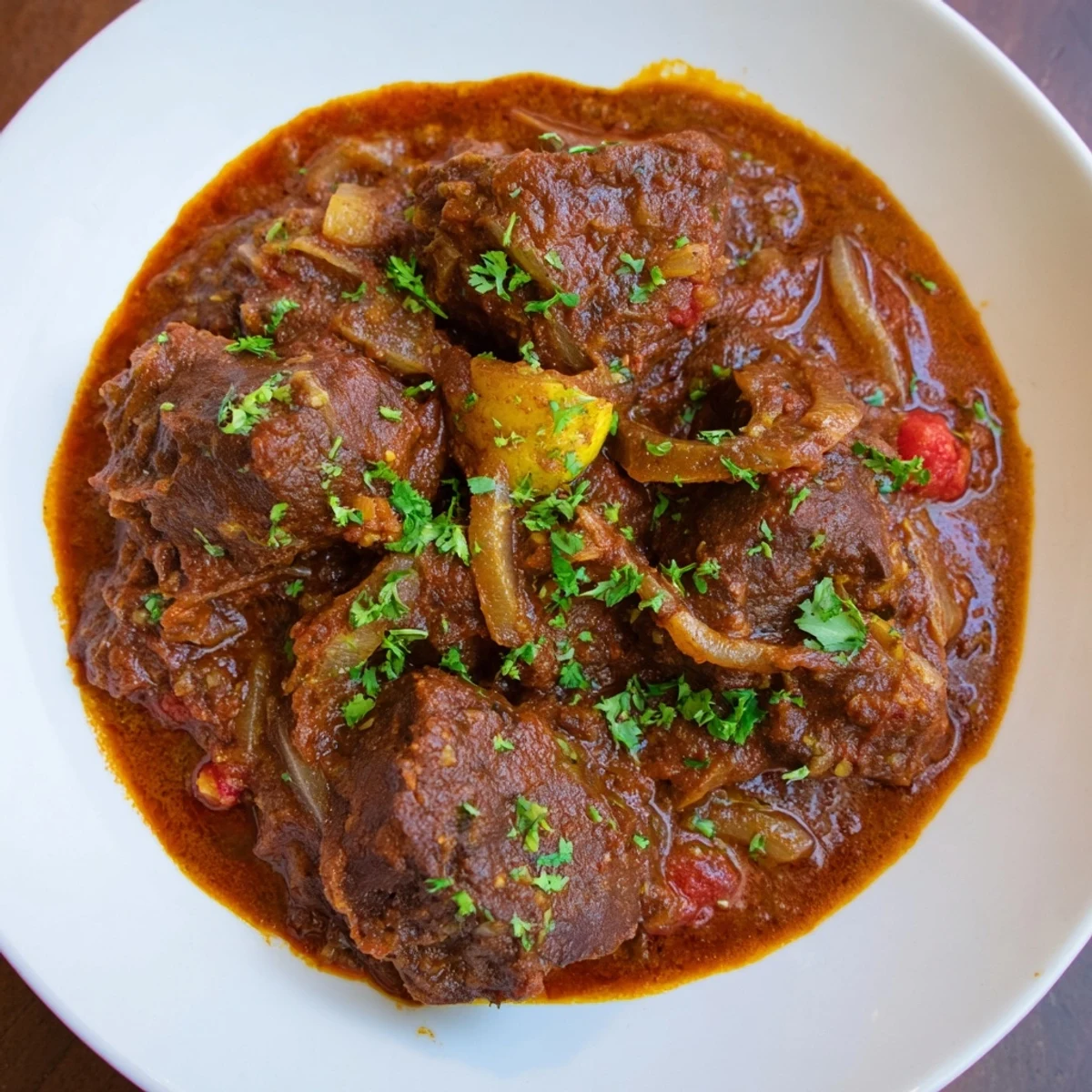
 This dish features tender lamb shoulder cubes marinated and slow-cooked for hours with a blend of aromatic spices including coriander, cumin, turmeric, and cardamom. Onions, garlic, and ginger enrich the base, while tomatoes and creamy coconut milk create a rich sauce. The slow simmering process enhances the flavors, producing a melt-in-mouth texture. Finished with garam masala, fresh cilantro, and a splash of lemon juice, it pairs perfectly with basmati rice or bread.
Ideal for those who enjoy deep, complex flavors from Indian-inspired cooking, this gluten-free main offers a vibrant balance of heat and creaminess, with hints of cinnamon and chili for subtle warmth. Preparing it ahead improves the taste, making it a comforting, satisfying meal.
I discovered this recipe during a rainy afternoon in a friend's kitchen in London, watching their Indian grandmother work her magic over a low flame. The kitchen filled with the most intoxicating aroma of warming spices and coconut, and I realized then that slow-cooked lamb curry isn't just food—it's patience rewarded, tradition honored, and love simmered into every spoonful. That day changed how I approached cooking entirely.
I'll never forget making this for my partner after they'd had the worst day at work. They walked in, caught that smell, and just sat at the kitchen counter watching me work. By the time we served it with rice, all the tension from their day had melted away. Food really does heal sometimes.
Ingredients
- Lamb shoulder, 1.2 kg (2.6 lbs), cut into 4 cm cubes: The shoulder has just enough fat to keep the meat incredibly moist during the long braise. Don't be tempted by leaner cuts—they'll dry out. Ask your butcher to cube it if you'd rather not wrestle with a big piece.
- Plain yogurt, 1 tbsp: This tenderizes the lamb gently while you prep everything else. It's a trick I learned that makes all the difference.
- Vegetable oil, 2 tbsp: Use a neutral oil with a high smoke point. Coconut oil adds richness if you're feeling adventurous.
- Large onions, 2, finely sliced: Golden onions are your flavor foundation. Don't rush this step—those ten minutes of patient cooking build the whole dish's character.
- Garlic cloves, 5, minced: Fresh garlic is non-negotiable here. Jar garlic won't give you that bright, sharp note that cuts through the richness.
- Fresh ginger, 2-inch piece, grated: The fresh stuff makes the dish sing. That warmth and slight bite is what makes people ask for the recipe.
- Curry powder, 2 tbsp: This is your base spice note. Quality matters—a good curry powder makes this recipe sing.
- Ground coriander, 1 tbsp: Brings a subtle floral note that prevents the curry from feeling heavy.
- Ground cumin, 1 tsp: Just enough to add earthiness without overpowering.
- Ground turmeric, 1 tsp: More than just color—it adds a gentle bitterness that deepens the complexity.
- Chili powder, 1 tsp (adjust to taste): Start here and taste as you go. You can always add more heat, but you can't take it out.
- Ground cinnamon, 1/2 tsp: A whisper of warmth that balances the heat beautifully.
- Bay leaves, 2: These steep into the sauce and become part of the fabric of the dish. Remove them before serving.
- Whole cardamom pods, 6, lightly crushed: Crush them just enough to release their oils. Each one perfumes the entire pot.
- Canned chopped tomatoes, 400 g (14 oz): The acid cuts through the richness and adds body to the sauce. Good quality canned tomatoes are honestly better than many fresh ones.
- Coconut milk, 400 ml (14 oz): Full-fat coconut milk creates that luxurious, creamy sauce. Don't use light versions—they're not the same thing at all.
- Water or stock, 1 cup: Lamb or chicken stock adds another layer of flavor, but water works beautifully too. The spices do the heavy lifting.
- Salt and black pepper to taste: Taste constantly throughout cooking. You'll likely need more than you think.
- Garam masala, 1 tbsp: Added near the end, this brightens everything up and ties the spices together. It's the final note that makes people close their eyes when they taste it.
- Fresh cilantro, 1/2 cup, chopped: Always add this right before serving. It keeps its brightness and adds a fresh contrast to the deep, warm spices.
- Lemon juice, 1/2 lemon: The acid at the end wakes up all the flavors. A squeeze of lime works beautifully too.
Instructions
- Marinate the lamb:
- In a large bowl, combine your lamb cubes with the yogurt and a pinch of salt. Mix it around gently until every piece is coated. This is one of those quiet moments where you're giving the lamb a head start on tenderness. While that sits, you can prep everything else without feeling rushed.
- Build your spice foundation with onions:
- Heat your oil in a large heavy-bottomed pot over medium heat. When it shimmers, add your sliced onions. This is where patience pays off—let them cook for about ten minutes, stirring every couple of minutes. You're looking for that deep golden color, when they're sweet and soft and starting to caramelize. Your kitchen will smell absolutely incredible.
- Bloom your aromatics:
- Add the minced garlic and grated ginger to the golden onions. Cook for just two minutes, stirring constantly. You'll know it's right when the raw edge of the garlic disappears and the whole pot smells warm and alive.
- Toast the spices:
- This is the moment everything becomes real. Stir in your curry powder, coriander, cumin, turmeric, chili powder, cinnamon, bay leaves, and crushed cardamom pods. Cook for exactly one minute, stirring constantly so they toast and wake up but don't burn. The aroma will make you understand why this dish is loved all over the world.
- Sear the lamb:
- Add your marinated lamb to the pot. You'll hear it sizzle. This is right. Let it cook untouched for a few minutes so it gets a golden crust, then stir and let it brown on all sides, about five to seven minutes total. You're not cooking it through—just giving it color and texture.
- Build the sauce:
- Pour in your chopped tomatoes, coconut milk, and water or stock. Add salt and pepper. Stir well, making sure to scrape up all those browned bits stuck to the bottom of the pot—that's where all the flavor lives. The mixture will seem soupy and bright. Trust the process.
- Slow cook with patience:
- Bring everything to a gentle simmer, then cover and turn the heat to low. This is now a dish that rewards waiting. Cook for three hours, stirring occasionally so nothing sticks and the flavors meld. The lamb will go from firm to yielding to impossibly tender. The sauce will go from thin to rich and concentrated. Walk away when you can. The slow work is done by time and heat, not by you.
- Deepen and concentrate:
- After three hours, uncover the pot and stir in the garam masala. Simmer uncovered for another fifteen to twenty minutes. You're evaporating excess liquid and letting those fresh spices open up. The sauce will darken and thicken and smell even more intoxicating than before.
- Taste and adjust:
- This is your moment to be honest. Taste a spoonful. Do you need more salt? More heat? A touch more lemon would be good now too? Make it yours. Remove the bay leaves and cardamom pods if you can find them (it's fine if a few hide).
- Finish with brightness:
- Stir in your fresh cilantro and the juice of half a lemon right before serving. This final step transforms the dish from delicious to unforgettable. That brightness makes everything sing.
 Save to Pinterest
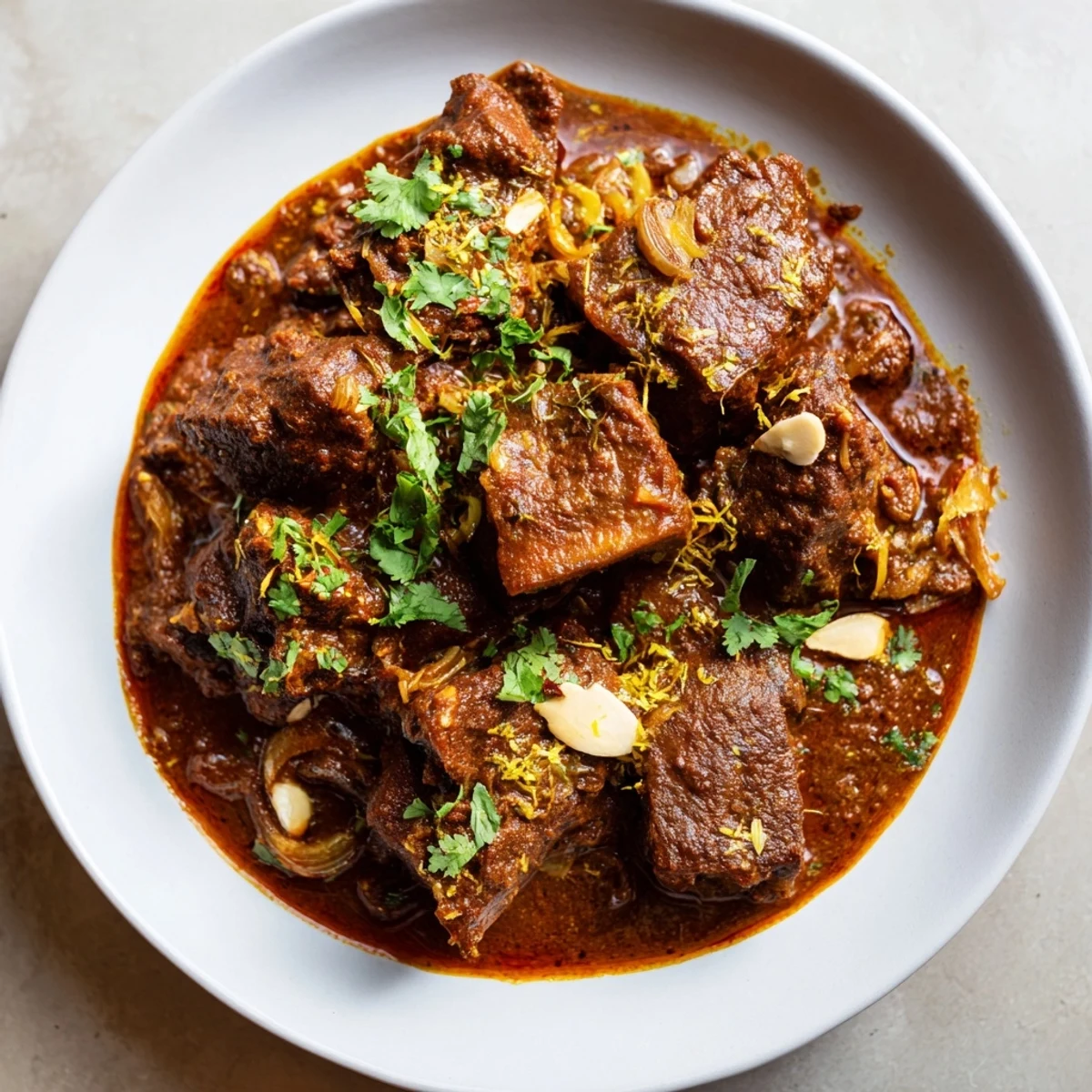
 I made this curry for a group of friends from different continents, and watching them taste it felt like sharing something sacred. Someone asked for the recipe, someone else asked if I could make it again next month, and someone just smiled quietly with their eyes closed. That's when I knew it had become more than just dinner.
Make It Your Own
This curry is flexible in the way all great food is. Want it spicier? Add an extra chili powder or a diced green chili with the onions. Want it creamier? Use a bit more coconut milk. Want it lighter? Swap half the coconut milk for plain yogurt added at the very end (never boil yogurt or it will split). I once made it with extra ginger for someone who was fighting a cold, and they swore it healed them. The point is, you understand the structure now—trust your instincts from here.
What to Serve With It
This curry demands something to soak up all that beautiful sauce. Steamed basmati rice is the obvious choice—fluffy and neutral and perfect. But naan bread is incredible too, especially if you warm it and use it to scoop up the lamb. Roti works beautifully as well. I've even served it over cauliflower rice when I needed something lighter, and it was still spectacular. The sauce is the star, so whatever you choose to serve it with just needs to get out of the way and let it shine.
- Basmati rice absorbs the sauce and becomes part of the dish, not just a side
- Naan or roti gives you something to hold and makes eating feel interactive and fun
- A simple cucumber and tomato salad on the side cuts through the richness beautifully
Making It Ahead and Storing
Here's a secret that changed my cooking life: this curry tastes noticeably better the next day. The spices continue to deepen and marry together, the flavors become more integrated, and the sauce thickens as it cools. Make it in the morning for a better evening meal, or make it today for tomorrow's dinner party. In the refrigerator, it keeps beautifully for four days. You can also freeze it for up to three months—just thaw it slowly overnight in the fridge and reheat gently on the stove with a splash of water or stock if it's too thick.
- Always cool the curry to room temperature before refrigerating so the pot temperature doesn't spike the fridge
- Freeze in portions so you can pull out exactly what you need without thawing the entire batch
- Reheat gently over medium-low heat, stirring occasionally, so the spices stay bright and the meat stays tender
 Save to Pinterest
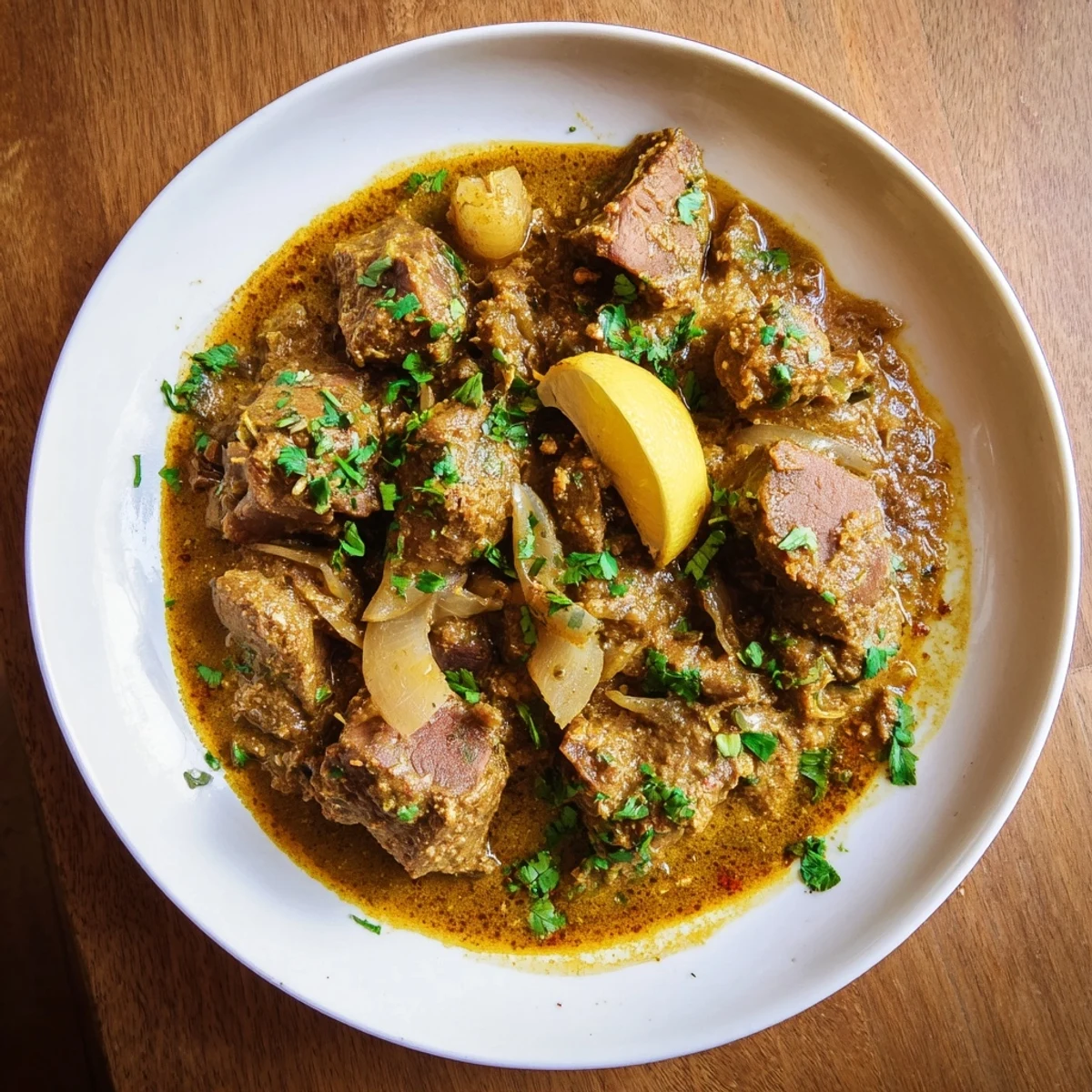
 This curry isn't just about feeding yourself or others—it's about taking three hours and turning them into something that makes people close their eyes when they eat. That's the real magic here.
Questions & Answers About the Recipe
- → How should the lamb be prepared before cooking?
-
Cut the lamb shoulder into 4 cm cubes and marinate with yogurt and a pinch of salt to tenderize and add richness.
- → What spices are essential for the flavor base?
-
Onion, garlic, ginger, curry powder, coriander, cumin, turmeric, chili powder, cinnamon, bay leaves, and cardamom pods create the aromatic blend.
- → Can I substitute any ingredients for dietary needs?
-
Yes, coconut milk can be replaced with plain yogurt for a lighter texture, but note it alters the creaminess slightly.
- → What cooking method ensures tender lamb?
-
Slow simmering the lamb at low heat for about three hours allows the meat to become tender and the sauce to thicken and develop deep flavor.
- → What are good serving suggestions for this dish?
-
Serve with steamed basmati rice, naan, or roti to complement the rich, flavorful sauce.
- → How can I adjust the heat level of the dish?
-
Increase chili powder or add a diced green chili with the onions to add extra spiciness as desired.