
 Save to Pinterest
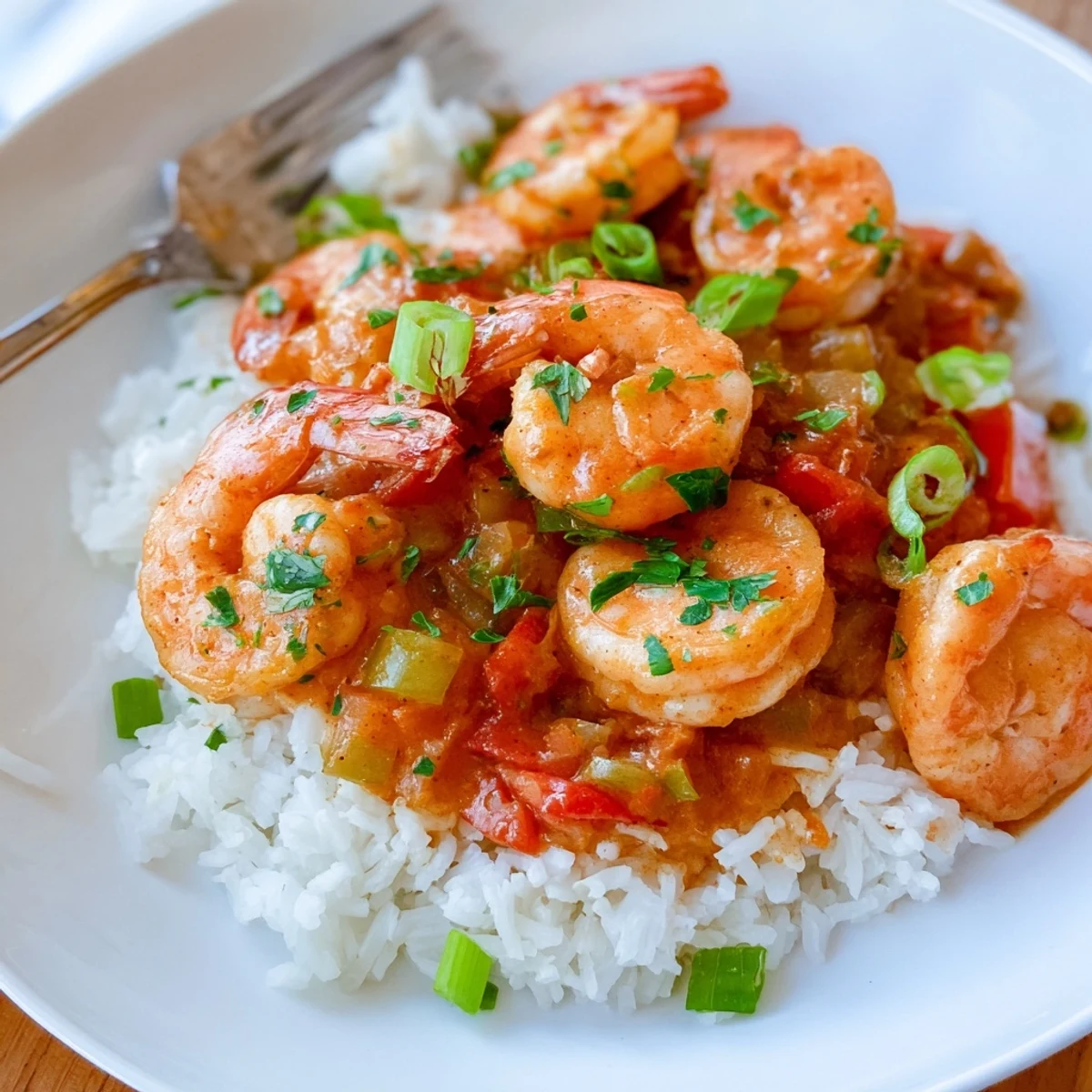
 This classic Louisiana Creole dish features succulent shrimp simmered in a deeply flavorful roux-based sauce. The foundation begins with butter and flour cooked to a deep golden brown, creating that signature dark roux that gives étouffée its distinctive richness and depth of flavor.
The holy trinity of Cajun cooking—onion, celery, and green bell pepper—provides aromatic backbone, while garlic, thyme, smoked paprika, and Creole seasoning layer in complex spices. Diced tomatoes add subtle acidity and body, perfectly balancing the luxurious sauce.
The dish comes together in about an hour, with the most patience required for achieving that perfect roux color. Shrimp are added late in the process to prevent overcooking, ensuring they remain tender and succulent. The final dish is traditionally mounded over fluffy white rice, allowing the sauce to permeate every grain.
Customization options include adding andouille sausage for extra smokiness, adjusting cayenne for heat preference, or substituting crawfish during peak season. This pescatarian-friendly main dish serves four generously and delivers authentic Louisiana comfort food straight to your table.
The smell of a dark roux cooking still takes me back to my first real apartment in New Orleans, where I learned that patience in the kitchen pays off in ways no recipe can fully teach. I'd watch my neighbor Mrs. Landry make étouffée every Friday, standing at her stove for what seemed like hours, stirring that flour and butter until it turned the color of an old penny. She told me the secret wasn't the spices or even the fresh shrimp from the market, but learning to listen to what the roux needed—when it wanted more stirring, when it was ready for the vegetables, when it demanded respect.
I made this for a dinner party once when I was still getting comfortable with Cajun cooking, accidentally doubling the cayenne because I thought more heat meant more authentic. Everyone was sweating but asking for seconds, and my friend Sarah still talks about that night whenever shrimp comes up in conversation. Sometimes the mistakes become the memories that stick around longer than the perfect versions.
Ingredients
- Large shrimp: Fresh shrimp makes such a difference here, and keeping them on the larger side means they wont overcook while simmering in that rich sauce
- Creole seasoning: This blend pulls everything together, but if youre out, a mix of paprika, garlic powder, and cayenne gets you close
- Butter and flour: The foundation of your roux, and using unsalted butter lets you control the seasoning at the end
- The holy trinity: Onion, celery, and bell pepper in equal parts, chopped small so they melt into the roux and become one with the sauce
- Seafood stock: Homemade is ideal, but a good quality store bought version works perfectly fine
- Diced tomatoes: Draining them keeps the sauce from getting too thin while still adding that subtle acidity
Instructions
- Season the shrimp first:
- Toss your shrimp with half the Creole seasoning and let them hang out while you get everything else ready
- Make your roux like you mean it:
- Melt that butter in a heavy bottomed pan and whisk in the flour, then stand there stirring until it turns deep golden brown, about 8 to 10 minutes
- Add the vegetables:
- Throw in your onion, celery, and bell pepper, cook them down until theyre soft and fragrant, about 5 minutes
- Bloom the garlic and spices:
- Stir in the garlic for just a minute, then add the tomatoes, bay leaves, thyme, paprika, the rest of the Creole seasoning, and cayenne if you like some heat
- Build the sauce:
- Pour in the stock slowly while you stir, bring it to a simmer, and let it cook uncovered until it thickens nicely, 10 to 15 minutes
- Finish with the shrimp:
- Add your seasoned shrimp and cook just until they turn pink, maybe 3 or 4 minutes, then season with salt and pepper
- Serve it up:
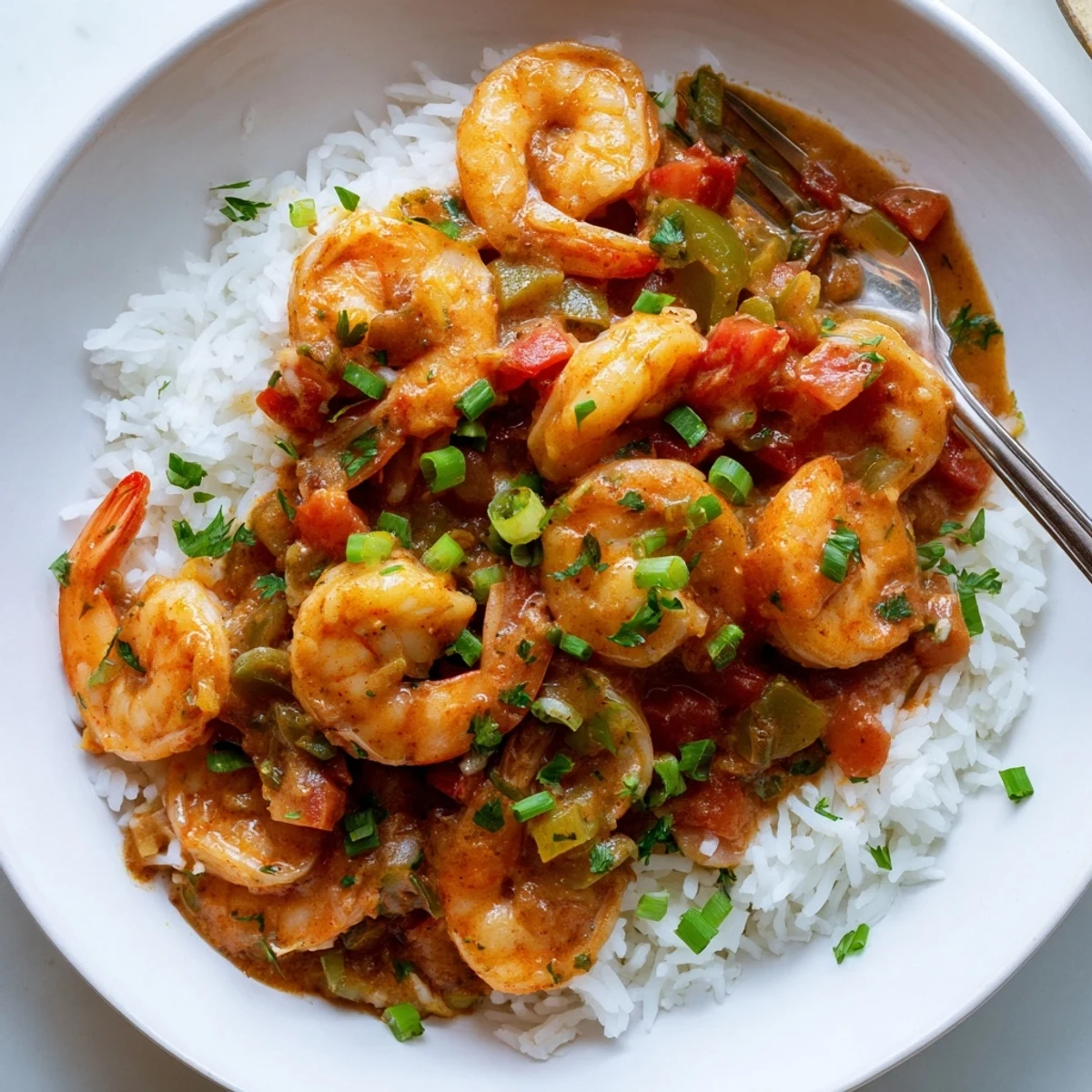
- Spoon that étouffée over fluffy rice and hit it with green onions, parsley, and maybe some lemon if you feel like it
 Save to Pinterest
 This recipe became my go to for comfort after a long week, the kind of meal that makes the kitchen feel warm and the house smell like somewhere you want to be. My husband used to walk through the door and immediately ask if shrimp étouffée was happening, and that kind of anticipation is what cooking is really about.
Making It Ahead
You can make the sauce completely through step 6, then cool it and refrigerate for up to two days. When you are ready to serve, gently reheat and add the shrimp at the very end so they stay tender and perfect.
The Rice Matters
Fluffy white rice is traditional, but I have used brown rice and even cauliflower rice when I was trying to be healthier. Just know that the rice is there to soak up all that incredible sauce, so choose something you actually want to eat.
Serving Suggestions
A simple green salad with a vinaigrette cuts through the richness nicely, and crusty French bread never hurts for soaking up whatever is left in the bowl. Some cold beer or sweet tea balances the heat beautifully.
- Andouille sausage adds a smoky depth if you want to make it even more substantial
- File powder sprinkled on top at the end is authentic and adds this subtle earthy flavor
- Hot sauce on the table lets everyone adjust their own heat level
 Save to Pinterest
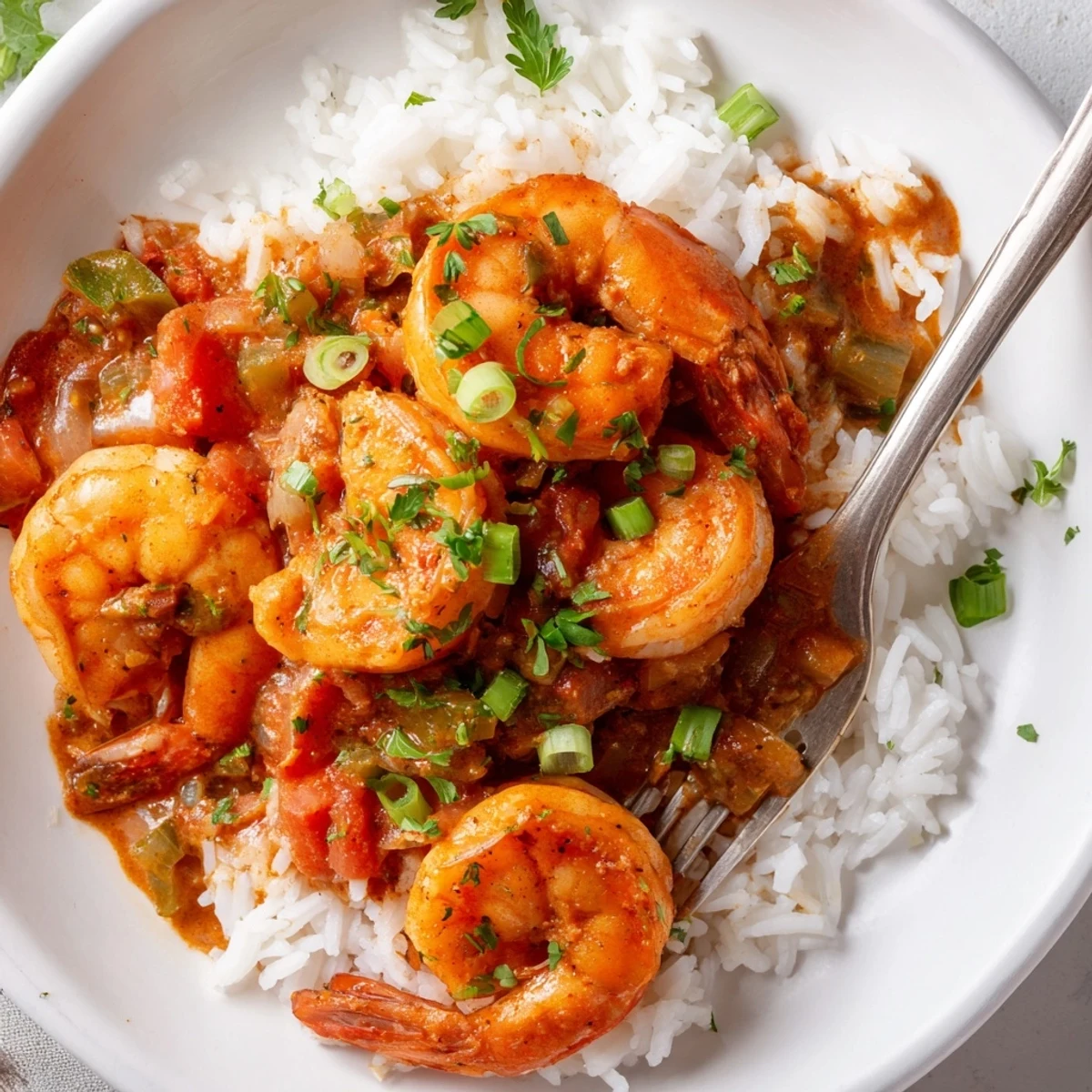
 There is something deeply satisfying about a dish that requires you to slow down and pay attention, and étouffée rewards every minute you give it. Hope it brings your table as much warmth as it has brought to mine.
Questions & Answers About the Recipe
- → What is the difference between étouffée and gumbo?
-
Étouffée features a thicker roux-based sauce that completely smothers the main protein, while gumbo has a thinner, more soup-like consistency with okra or filé powder as thickening agents. Étouffée also typically contains fewer ingredients and focuses primarily on one type of seafood or meat.
- → How dark should the roux be for shrimp étouffée?
-
For authentic shrimp étouffée, aim for a peanut butter or copper-colored roux. This takes 8-10 minutes of constant stirring over medium heat. A darker roux provides deeper flavor and that signature reddish-brown color characteristic of Louisiana étouffée.
- → Can I make shrimp étouffée ahead of time?
-
The sauce base reheats beautifully and actually develops more flavor when made a day ahead. Prepare through step 6, cool completely, and refrigerate. Reheat gently, then add fresh shrimp during the final 3-4 minutes of cooking to prevent rubbery texture.
- → What is the holy trinity in Cajun cooking?
-
The holy trinity refers to the three aromatic vegetables fundamental to Cajun and Creole cuisine: onion, celery, and green bell pepper. This combination provides the aromatic foundation for countless Louisiana dishes, including étouffée, gumbo, and jambalaya.
- → Is étouffée supposed to be spicy?
-
Traditional étouffée offers mild to moderate heat from Creole seasoning and cayenne pepper. The dish emphasizes complex flavors over pure spice. Adjust cayenne pepper to taste or serve with hot sauce on the side, allowing diners to customize heat levels.
- → Why are my shrimp tough in my étouffée?
-
Overcooking causes shrimp to become rubbery and tough. Add shrimp during the final 3-4 minutes of cooking, just until they turn pink and opaque. If making ahead, undercook shrimp slightly as residual heat will continue cooking them, or add fresh shrimp when reheating.