
 Save to Pinterest
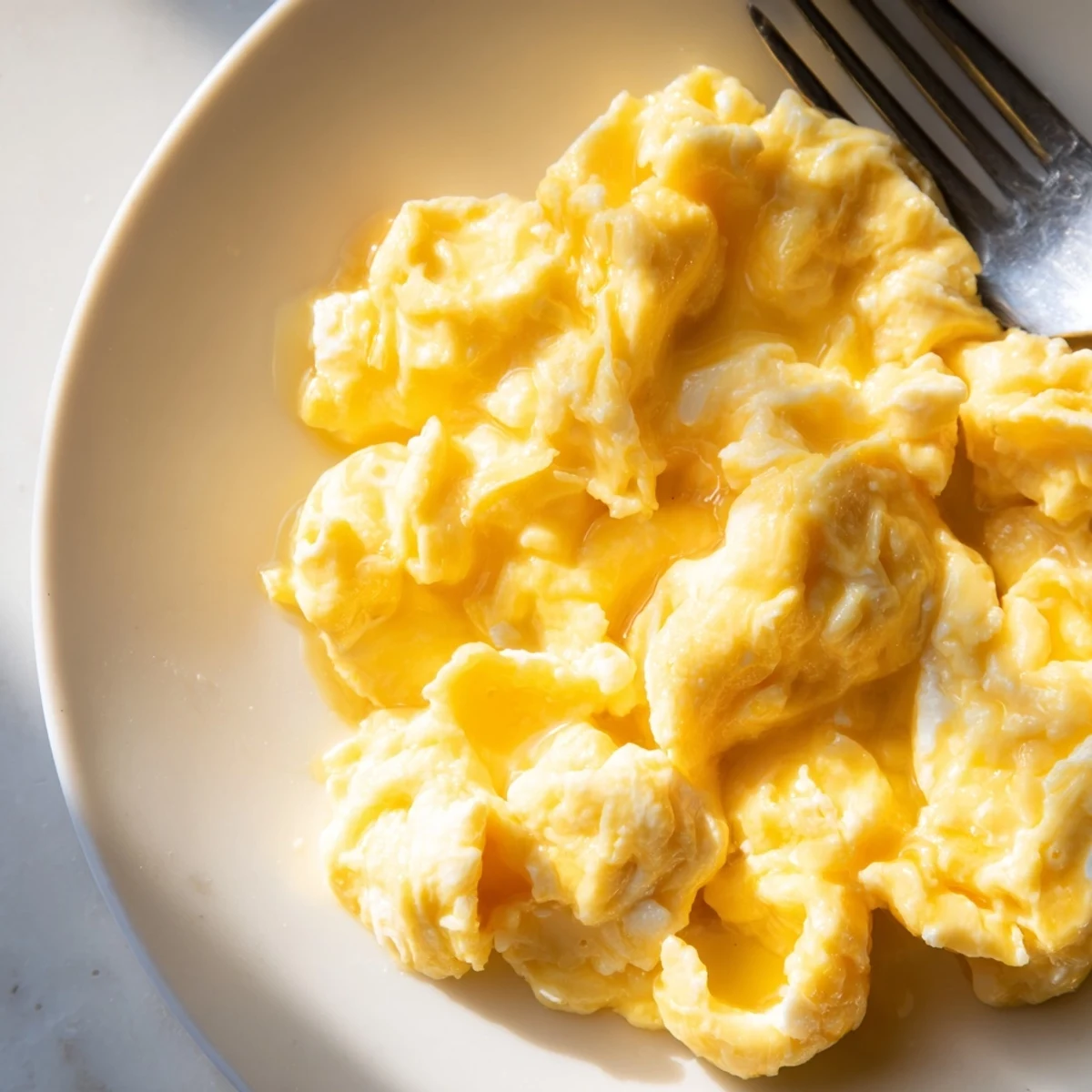
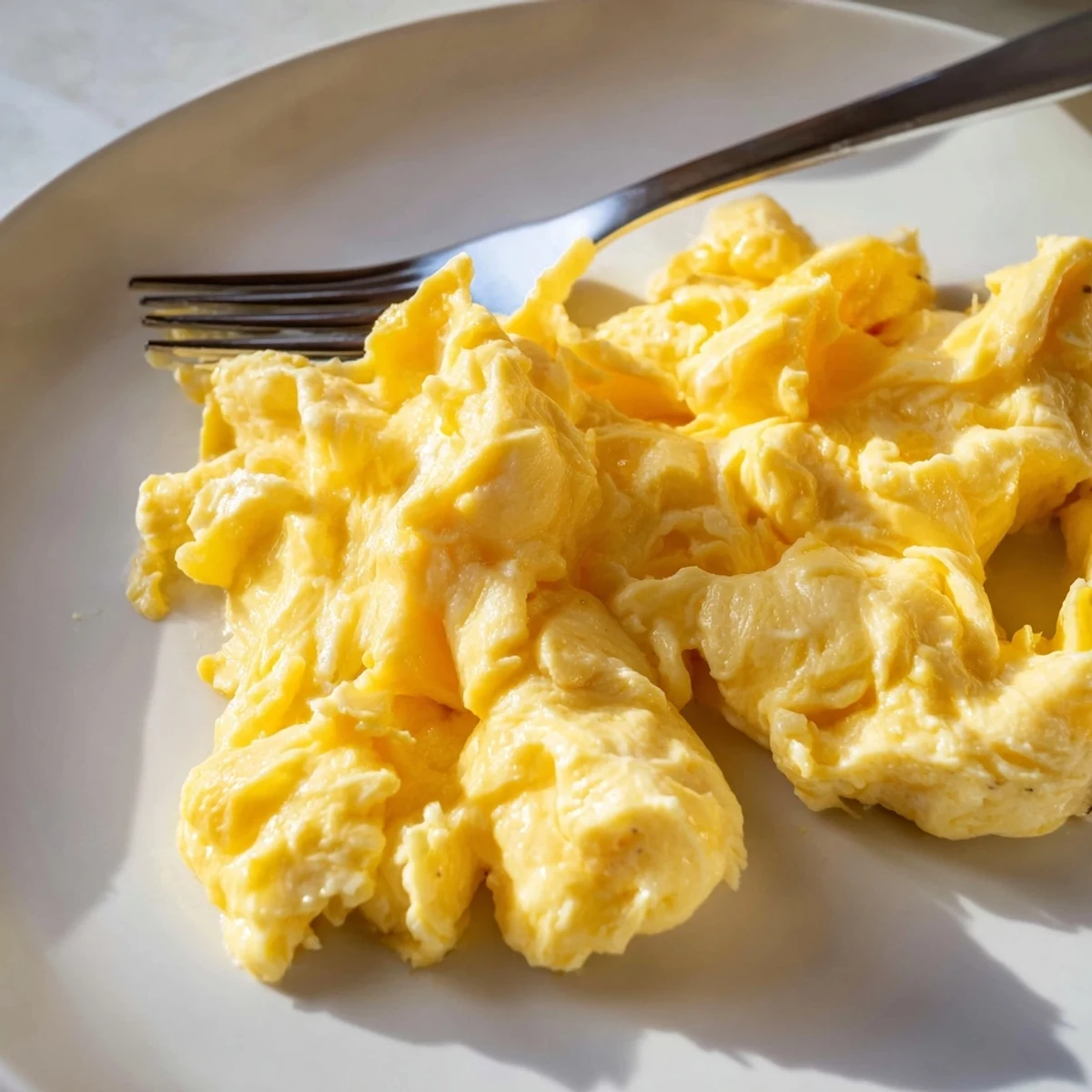
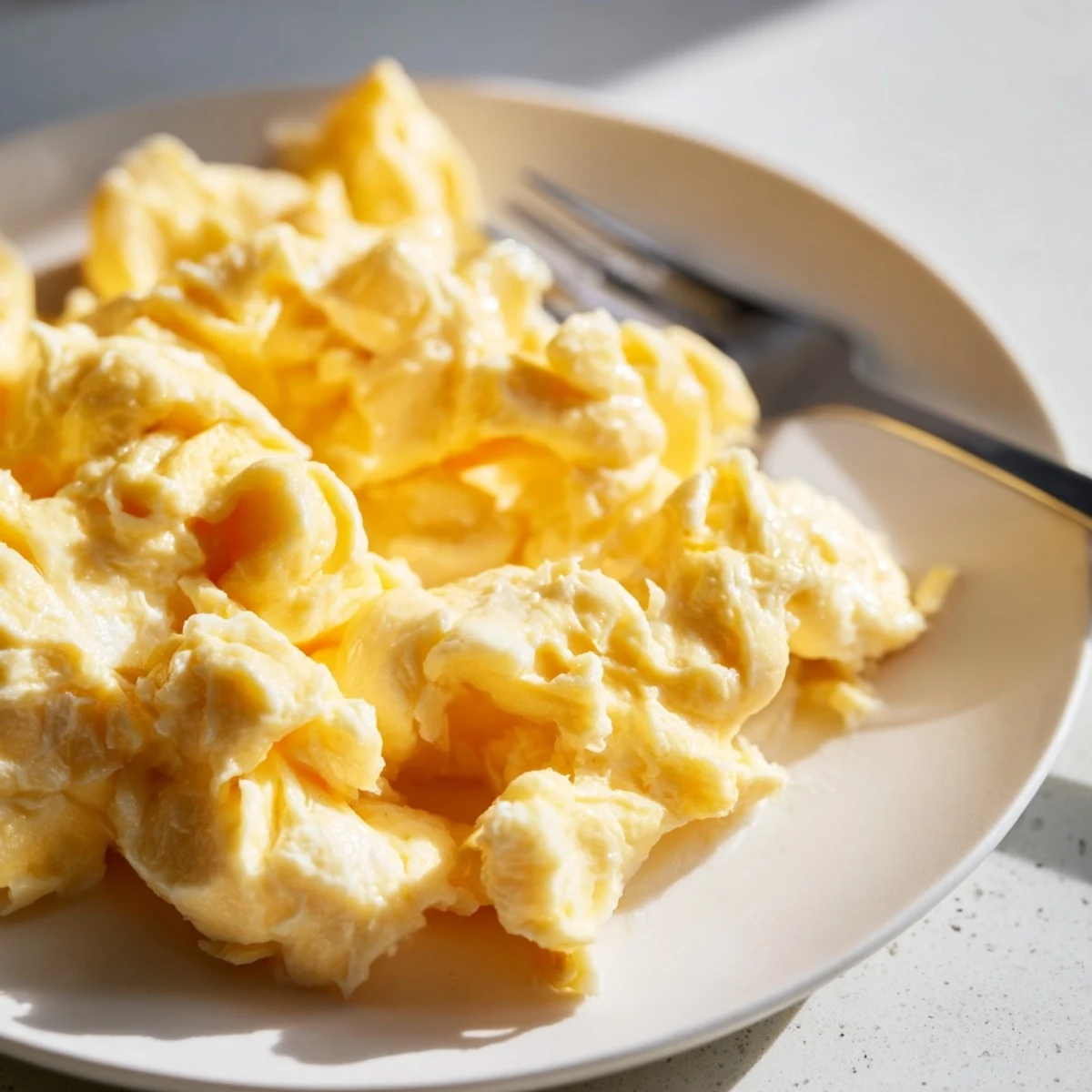
 These scrambled eggs deliver the perfect balance of creaminess and fluffiness with just four simple ingredients. The technique involves cooking over gentle medium-low heat while constantly folding the eggs to create soft, tender curds. The key is removing them from the heat while still slightly moist—they continue cooking briefly in the pan's residual heat. This results in supremely creamy eggs every time, never rubbery or dry.
My college roommate used to make scrambled eggs every Sunday morning, and I'd wake up to the smell of butter hitting a hot pan before my eyes even opened. She taught me that patience matters more than technique, and that the best eggs are the ones you don't rush. Now Sunday mornings aren't complete without that same ritual, even when I'm cooking solo.
Last winter my sister came over after a rough week at work, and I made her these eggs with extra cream and fresh chives from the window box. We sat at the kitchen table in our pajamas until noon, just talking and eating. Sometimes the simplest food is what heals you the most.
Ingredients
- 4 large eggs: Room temperature eggs whisk up fluffier and cook more evenly than cold ones straight from the fridge
- 2 tbsp whole milk or cream: This creates that custard-like texture that makes restaurant eggs taste so luxurious
- 1 tbsp unsalted butter: Butter adds richness and helps prevent sticking without needing excessive oil
- 1/4 tsp salt: Enhances the natural sweetness of the eggs
- 1/8 tsp freshly ground black pepper: Adds just enough warmth to round out the flavors
Instructions
- Whisk your base:
- Crack eggs into a bowl and whisk with milk, salt, and pepper until frothy and slightly pale
- Melt your butter:
- Heat butter in a nonstick skillet over medium-low until it melts and starts gently bubbling
- Add the eggs:
- Pour in the egg mixture and let sit for just a few seconds until the edges begin to set
- Form soft curds:
- Push eggs from edges toward center with a spatula, creating gentle folds and soft curds
- Finish carefully:
- Cook until just set but still creamy and slightly moist, then immediately remove from heat
 Save to Pinterest
 My grandmother always said you can tell a lot about a cook by their scrambled eggs. Hers were perfect every time, and I think about that whenever I make them now.
Making Them Your Own
Fresh herbs like chives, parsley, or dill add brightness that cuts through the richness. A handful of shredded cheese melts beautifully into the warm eggs, while sautéed mushrooms or spinach make them more substantial. The variations are endless once you master the base technique.
Perfect Pairings
Buttered toast is classic for a reason, but avocado toast with these eggs on top is next level. Smoked salmon adds protein and brine, while roasted tomatoes provide acid and sweetness. The right side dishes turn simple eggs into a complete meal.
Common Questions
Can I make these ahead? They're best served immediately, but you can whisk the mixture the night before and store it in the refrigerator. What about dairy-free? Coconut milk or almond milk work, though the texture won't be quite as creamy. How do I reheat leftovers? Gentle reheating in a skillet with a small pat of butter works best.
- Add a splash of water when reheating to restore moisture
- Never use high heat or the eggs will become rubbery
- Leftovers keep for up to two days in the refrigerator
 Save to Pinterest
 Perfect scrambled eggs are about learning to trust your instincts more than any timer. Once you get that feel for when they're done, you'll never look at breakfast the same way again.
Questions & Answers About the Recipe
- → Why do my scrambled eggs turn out rubbery?
-
Rubbery eggs usually result from high heat or overcooking. Use medium-low heat and remove the pan while eggs still look slightly underdone and glossy. The residual heat will finish them to perfect creaminess.
- → Should I add milk or cream to scrambled eggs?
-
Both work beautifully. Milk creates lighter fluffier curds, while cream yields richer creamier results. Start with 1 tablespoon per 2 eggs and adjust to your preferred consistency and richness level.
- → What's the best way to whisk eggs for scrambling?
-
Whisk vigorously until the mixture turns uniform yellow and slightly frothy. This incorporates air for fluffier curds. A fork works, but a whisk or hand blender achieves superior aeration and consistency.
- → Can I make scrambled eggs ahead of time?
-
They're best enjoyed immediately, but you can hold them for up to 20 minutes in a covered warm place. For meal prep, refrigerate and reheat gently with a splash of milk or cream to restore creaminess.
- → What temperature should my pan be for scrambled eggs?
-
Medium-low is ideal. The butter should melt and gently bubble without browning. If the butter sizzles aggressively or browns, reduce the heat. Low and slow prevents overcooking and ensures tender curds.