
 Save to Pinterest
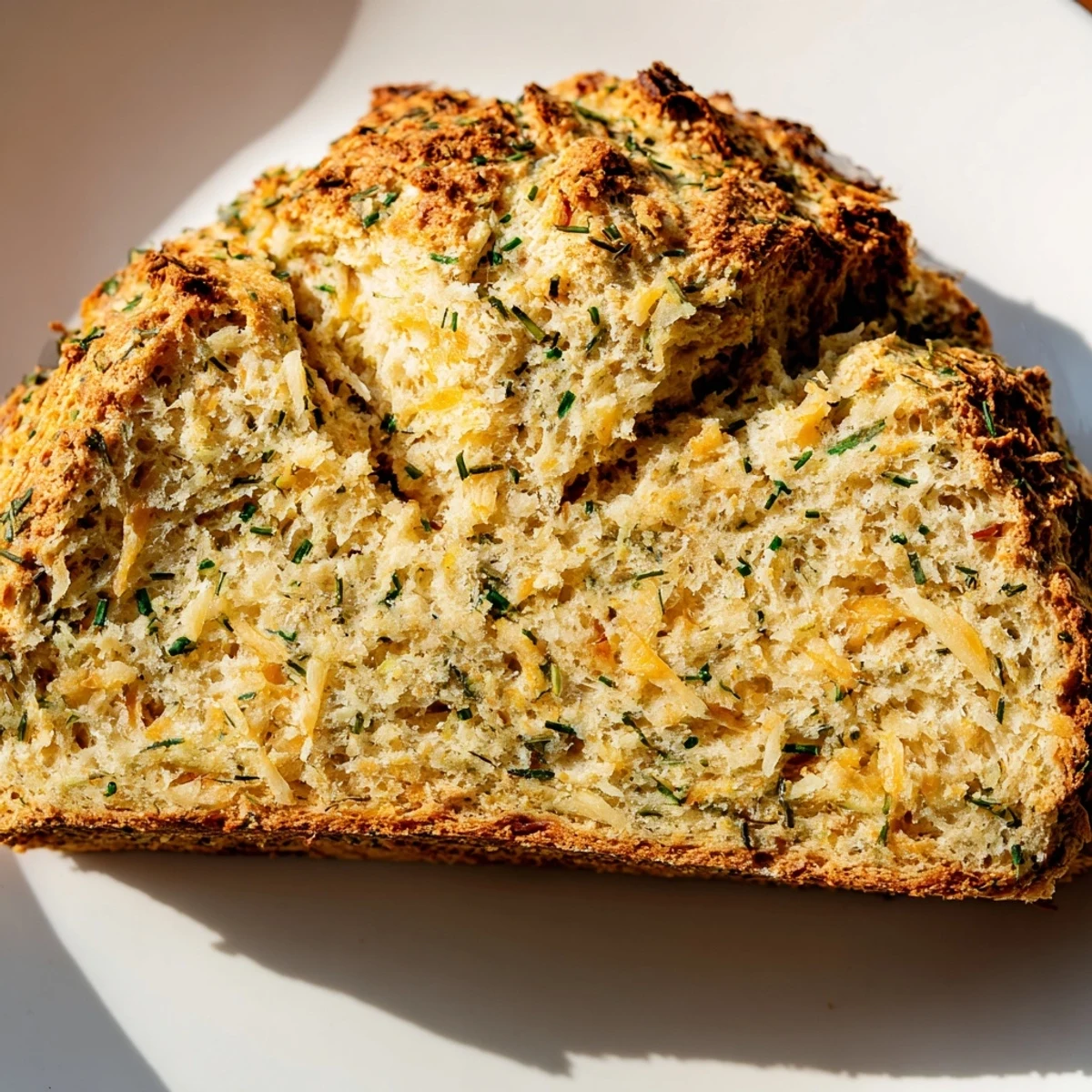
 This Irish soda loaf is a flavorful, quick bread featuring sharp cheddar cheese and a blend of fresh herbs like chives, parsley, and thyme. The dough combines all-purpose flour, baking soda, and buttermilk, yielding a moist, tender crumb with a golden crust. Perfectly baked in under an hour, it's a satisfying addition to hearty meals or enjoyed warm with butter. Customize with garlic powder or alternate herbs for varied taste.
Preparation involves mixing dry ingredients, folding in the cheese and herbs, then combining with buttermilk, butter, and egg. The dough is gently kneaded, shaped, and scored on top before baking to achieve a rustic appearance. Let cool before slicing to preserve crumb texture. This loaf pairs beautifully with soups, stews, or as a standalone snack.
The first time I made this soda bread, my kitchen filled with such an incredible aroma that my neighbor knocked on the door thinking I'd started an artisan bakery. The combination of sharp cheddar and fresh herbs creates this deeply savory, comforting scent that wraps around you like a warm blanket on a rainy afternoon.
Last winter, during a particularly nasty storm that kept us all indoors for three days, I made this bread four times. My family actually cheered when they walked into the kitchen and saw the ingredients spread out on the counter. Something about the combination of comfort food and the ritual of cutting that signature X into the dough makes even the gloomiest day feel cozy.
Ingredients
- 3 cups all-purpose flour: The foundation that gives the bread structure without needing any yeast to rise
- 1 tbsp granulated sugar: Just enough to balance the sharp cheddar and enhance the herbs
- 1 tsp baking soda: The magic leavening agent that makes this quick bread possible
- 1 tsp fine sea salt: Essential for flavor and helps control the baking soda's activity
- 1 ½ cups sharp cheddar cheese, grated: Use the sharpest cheddar you can find for maximum flavor impact
- 2 tbsp fresh chives: Their mild onion flavor pairs beautifully with the rich cheese
- 1 tbsp fresh parsley: Adds brightness and a lovely green fleck throughout the crumb
- 1 tsp dried thyme: Brings an earthy, aromatic quality that ties everything together
- 1 ½ cups buttermilk, cold: The acidity activates the baking soda while creating a tender texture
- 4 tbsp unsalted butter, melted: Adds richness and helps create that beautiful golden crust
- 1 large egg, lightly beaten: Provides structure and helps the bread hold together nicely
Instructions
- Preheat and prepare your baking surface:
- Get your oven to 400°F and line a baking sheet with parchment paper for easy cleanup later.
- Whisk the dry ingredients together:
- In a large bowl, combine the flour, sugar, baking soda, and salt until everything is evenly distributed.
- Add the cheese and herbs:
- Stir in the grated cheddar, chives, parsley, and thyme until the cheese is coated and no longer clumping together.
- Mix the wet ingredients:
- In a separate bowl, whisk together the cold buttermilk, melted butter, and beaten egg until smooth.
- Bring the dough together:
- Pour the wet ingredients into the dry mixture and mix gently with a wooden spoon until a shaggy, rough dough forms.
- Shape the loaf:
- Turn the dough onto a lightly floured surface, knead it just 4 or 5 times, then form it into a round about 7 inches across.
- Score the top:
- Transfer to your prepared baking sheet and use a sharp knife to cut a deep X across the center of the loaf.
- Bake until golden:
- Bake for 35 to 40 minutes until the crust is deeply golden and a skewer inserted in the center comes out clean.
- Cool before slicing:
- Let the bread rest on a wire rack for at least 20 minutes to give the crumb time to set properly.
 Save to Pinterest
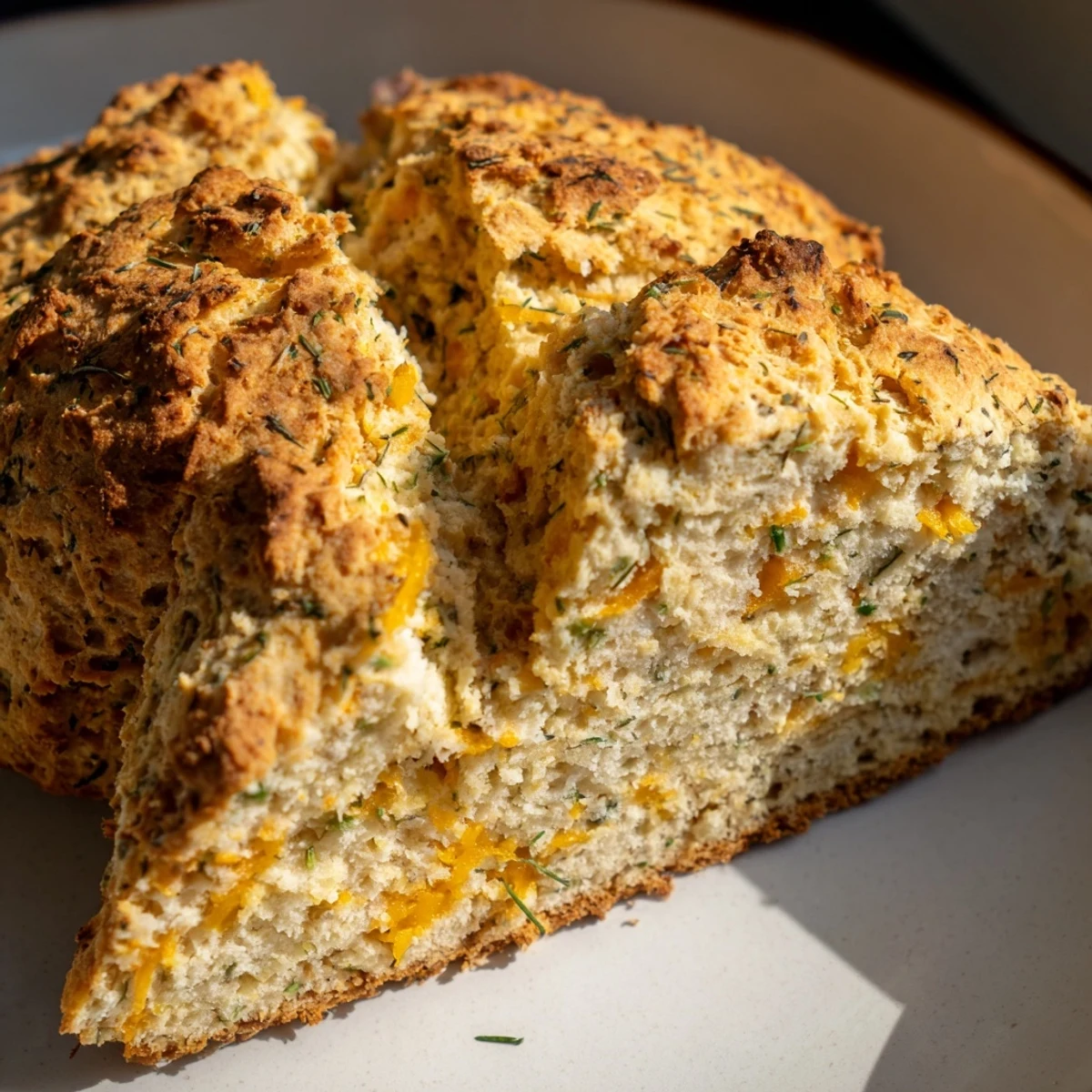
 This soda bread has become my go-to contribution for potlucks and dinner parties because it's impossible to mess up and always disappears within minutes. I've learned to make two loaves whenever we have guests because people inevitably ask for seconds to take home.
Getting The Perfect Texture
The most important thing I've learned after dozens of loaves is that handling the dough minimally is absolutely crucial. Treat it gently, like you're handling something fragile, and you'll be rewarded with the most tender crumb imaginable. Those few gentle kneads are just to bring the dough together, not to develop gluten like you would with yeast bread.
Customizing Your Herb Blend
While I love the classic combination of chives, parsley, and thyme, don't be afraid to make this bread your own. Fresh rosemary and garlic create this incredibly aromatic version that pairs beautifully with Italian dishes, while dill and scallions transform it into something perfect for serving with seafood.
Serving Suggestions That Make It Special
The absolute best way to enjoy this bread is warm from the oven with softened salted butter melting into all those little crevices. I've also been known to slice it, brush it with olive oil, and give it a quick toast under the broiler for the most incredible grilled cheese sandwich base.
- Serve alongside Irish stew or a hearty vegetable soup
- Use day-old slices to make exceptional panzanella or bread pudding
- Wrap cooled loaves tightly and freeze for up to three months
 Save to Pinterest
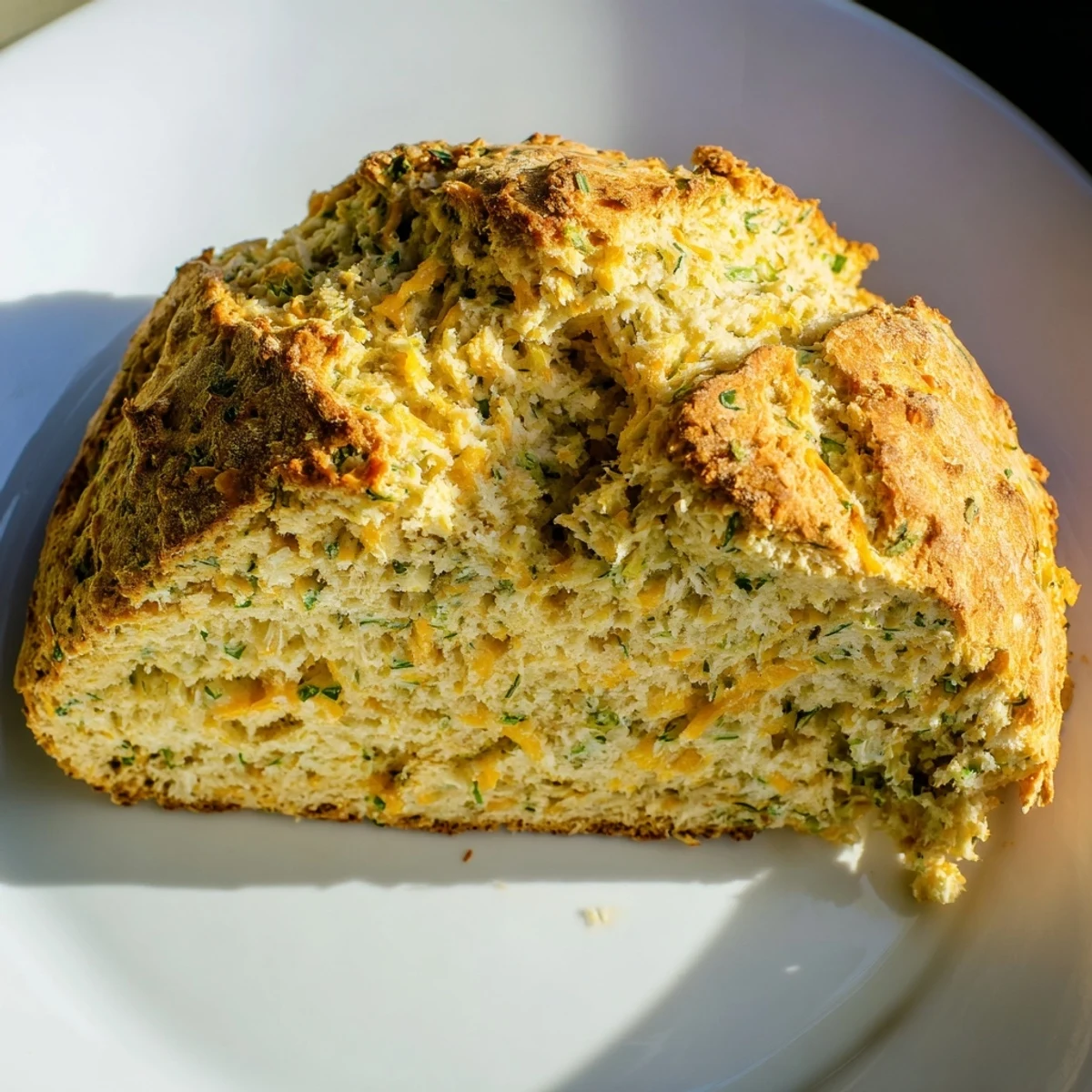
 There's something deeply satisfying about making bread that doesn't require patience or precision, just a few simple ingredients and a hot oven. This soda bread has become one of those recipes I can make without even measuring anymore, and it never fails to make the whole house feel like home.
Questions & Answers About the Recipe
- → What makes Irish soda bread different from regular bread?
-
Irish soda bread uses baking soda as a leavening agent instead of yeast, resulting in a quicker rise and a denser, moist texture.
- → Can I substitute fresh herbs with dried ones?
-
Yes, dried herbs like chives, parsley, and thyme work well but use about one-third the amount of fresh to avoid overpowering flavors.
- → How do I know when the loaf is fully baked?
-
The crust should be deeply golden and a skewer inserted into the center should come out clean without any sticky dough.
- → Is it necessary to cool the bread before slicing?
-
Cooling for at least 20 minutes helps the crumb set, preventing the loaf from becoming gummy when sliced.
- → What variations can enhance the flavor of this loaf?
-
Adding garlic powder or swapping herbs for rosemary or dill can add unique tastes, and using sharp cheddar adds a flavorful punch.