
 Save to Pinterest
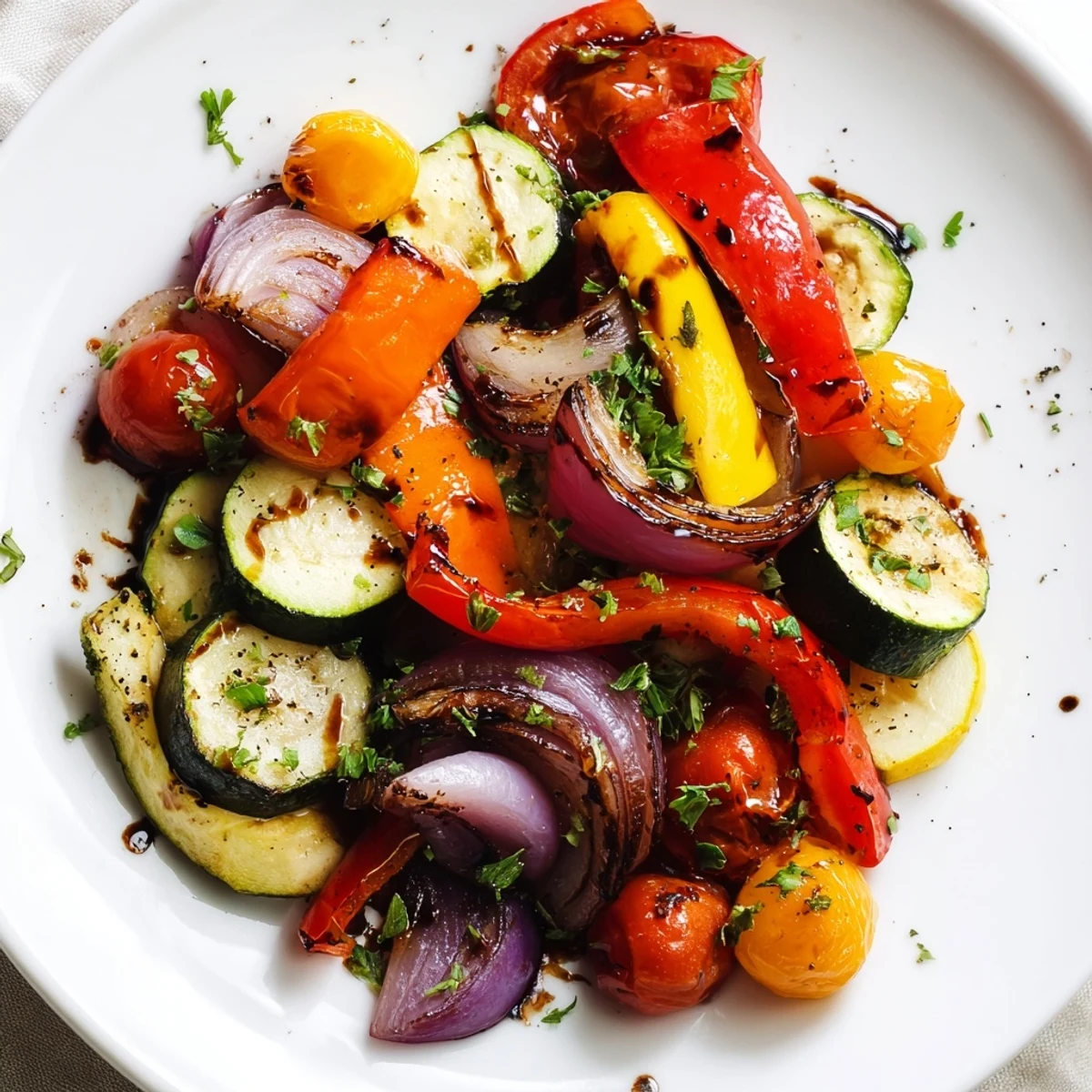
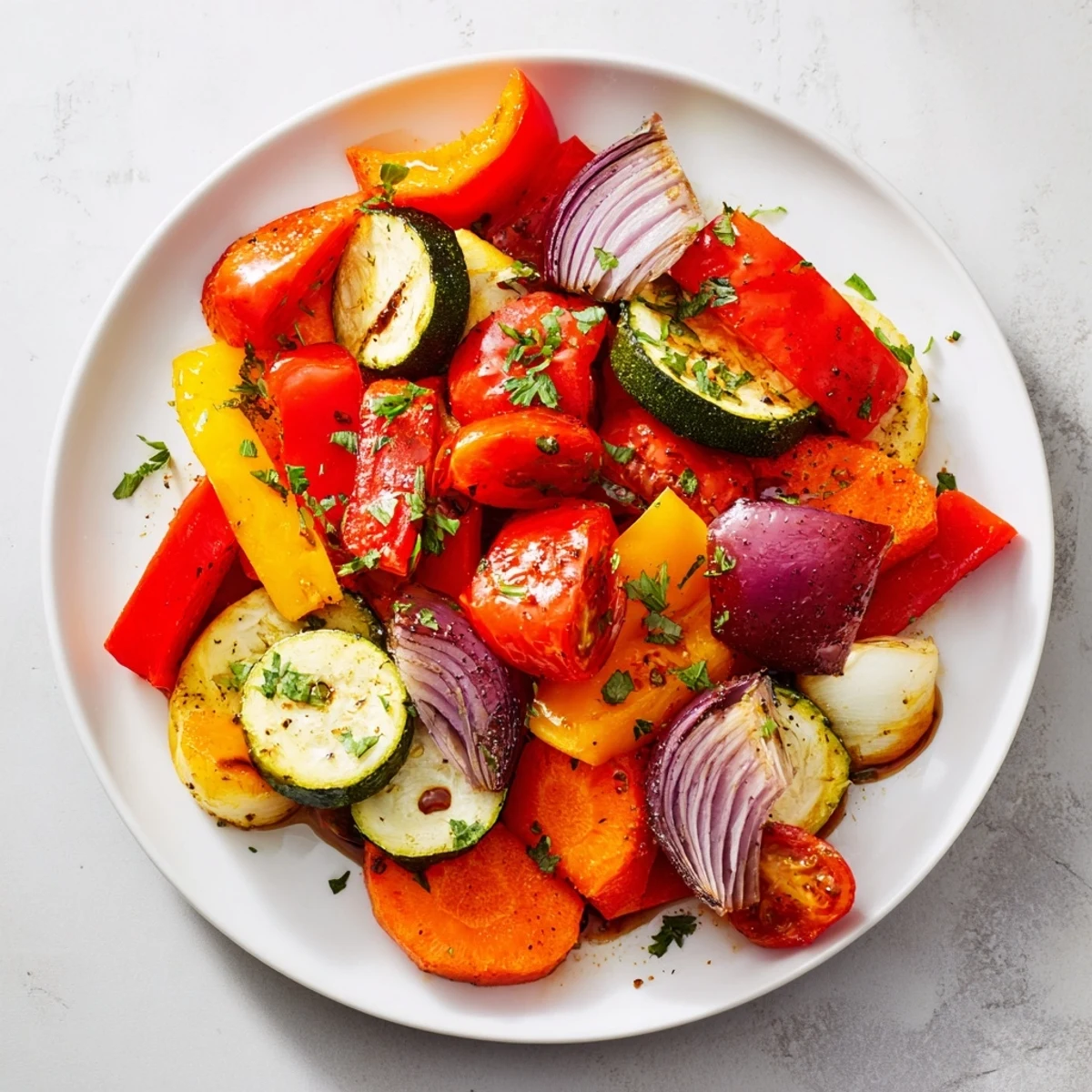
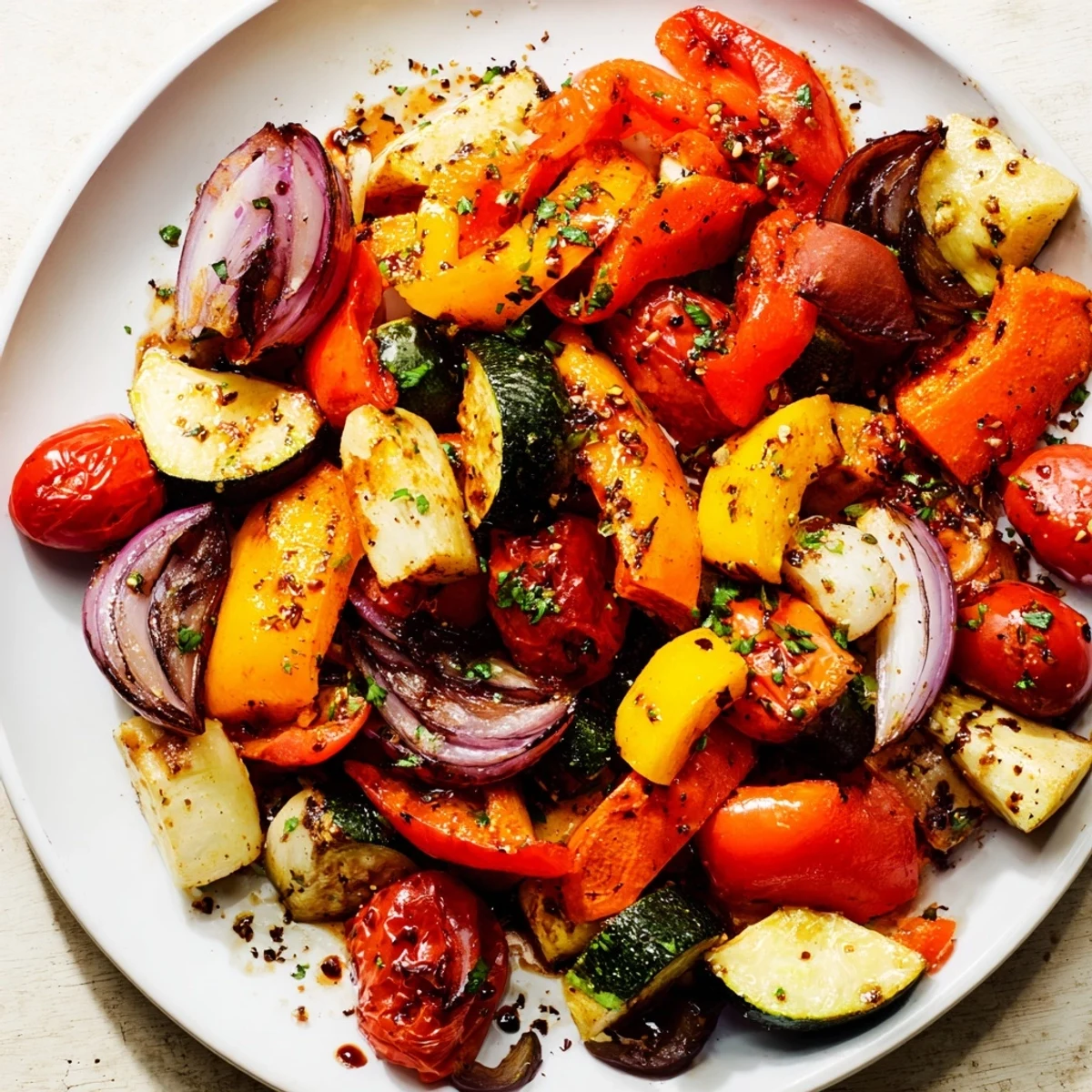
 This vibrant medley combines bell pepper, zucchini, yellow squash, red onion, cherry tomatoes, and carrot, all coated with olive oil, aromatic herbs, and garlic. Roasting at high heat caramelizes the vegetables, enhancing their natural sweetness and depth. The dish is finished with optional balsamic vinegar and fresh herbs, making a versatile side or a light vegetarian main. Its simple preparation, Mediterranean flair, and adaptable ingredients provide a flavorful, healthy option that pairs well with many dishes.
There's something magical about the moment a pan of raw vegetables transforms in a hot oven—the way the kitchen fills with this toasted, caramelized aroma that makes you forget you're eating something so simple. I discovered this roasted vegetable mix on a lazy Sunday afternoon when I had too many vegetables from the farmers market and not enough energy to cook anything complicated. Thirty minutes later, I had this vibrant, golden-edged medley that tasted nothing like plain steamed vegetables. It became my go-to when I need something that feels effortless but tastes intentional.
I remember making this for a dinner party when a friend mentioned she'd just gone vegetarian, and I panicked about what to serve her alongside the main. This roasted mix ended up being the thing everyone went back for, and she asked for the recipe before dessert even hit the table. That moment taught me that vegetables don't need to be fancy or complicated to feel special.
Ingredients
- Red bell pepper: Cut into 1-inch pieces for even roasting; the sweetness intensifies when caramelized and it holds its shape beautifully.
- Zucchini and yellow squash: Slice into ½-inch rounds so they cook through without falling apart or turning watery.
- Red onion: Cut into wedges rather than rings so the layers stay together and become jammy and sweet.
- Cherry tomatoes: Halve them to release their juices and let the flavors concentrate in the pan.
- Carrot: Slice into ½-inch rounds and use medium carrots; thicker slices prevent them from shriveling while everything else finishes cooking.
- Olive oil: Three tablespoons is the sweet spot for coating without making things greasy; it's what creates that caramelization magic.
- Sea salt and freshly ground black pepper: Don't skip the freshly ground pepper—pre-ground loses its bite and aromatic quality during the high heat.
- Dried Italian herbs: A blend of oregano, thyme, and basil ties everything together with Mediterranean warmth.
- Garlic: Mince it fine so it distributes evenly and doesn't burn on the edges of the pan.
- Fresh parsley or basil: A bright finish that adds color and freshness right before serving.
- Balsamic vinegar: Just a drizzle after roasting adds depth and a subtle sweet-tangy note that makes people ask what your secret is.
Instructions
- Heat your oven and prep the pan:
- Preheat to 425°F and line your baking sheet with parchment paper—this prevents sticking and makes cleanup almost nonexistent. The high heat is essential for caramelization, so don't skip this step or lower the temperature.
- Combine your vegetables:
- Toss the bell pepper, zucchini, yellow squash, red onion, cherry tomatoes, and carrot in a large bowl. Keeping them in one bowl before spreading makes it easier to ensure everything gets coated evenly with the seasonings.
- Dress and season:
- Drizzle with olive oil, then add salt, pepper, dried herbs, and minced garlic. Toss gently but thoroughly until every piece glistens with oil and herbs are distributed throughout. This is where the flavor actually starts.
- Spread in a single layer:
- Don't pile the vegetables on top of each other—they need direct contact with the hot pan to caramelize. If your baking sheet is crowded, use two instead.
- Roast and stir halfway:
- Roast for 25 to 30 minutes, stirring once about halfway through. You'll know they're done when the edges turn golden and slightly charred, and a fork easily pierces the thickest pieces. This is when the kitchen smells absolutely irresistible.
- Finish with brightness:
- If using them, drizzle with balsamic vinegar and sprinkle fresh herbs right before serving. This adds a final layer of flavor that feels more intentional than it is.
 Save to Pinterest
 There's a moment toward the end of roasting when you lift the oven door and that wave of heat and caramelized vegetable smell hits you—that's when this dish stops being a side and becomes the whole point of dinner. I've found that it's one of those recipes that brings people together because it tastes like care without requiring any.
Why Roasting Changes Everything
Raw vegetables are good, steamed vegetables are practical, but roasted vegetables are something else entirely. The dry heat of the oven draws out the natural sugars in each piece, concentrating flavors and creating those caramelized edges that taste almost nutty. The transformation happens because nothing is insulating the vegetables from the heat—they're not swimming in liquid or steaming in their own moisture. Instead, they caramelize directly against the hot pan, developing complexity and depth that no other cooking method can match.
Flexibility Without Losing Quality
This recipe thrives on seasonal variation because vegetables change what they want to become depending on when you harvest them. Summer calls for zucchini and tomatoes, but autumn opens the door to eggplant, Brussels sprouts, and sweet potato. The core technique stays the same—cut, coat, roast—but the result tastes like the season you're cooking in. I've learned that working with what's actually in season and locally available makes this dish taste more vibrant than rigidly sticking to one fixed combination.
How to Serve It and Make It Work
The quiet strength of this dish is that it works equally well as a supporting role or the main event. Beside grilled fish or roasted chicken, it provides warmth and vegetable texture without competing for attention. For a vegetarian main, I pile it over quinoa, couscous, or even cold grain salads the next day. The vegetables hold their flavor even when they cool, which makes this one of my favorite make-ahead dishes for busy weeks when I need something real in the fridge but can't face cooking every evening.
- Serve warm as a side dish or cold as part of a grain bowl the next day.
- Layer leftovers into pasta or grain salads for instant lunch without feeling like recycled dinner.
- Drizzle with a squeeze of fresh lemon juice or a finishing oil if you want to brighten the flavors before eating.
 Save to Pinterest
 This recipe reminds me that some of the best food comes from working with what you have and trusting the simple technique. A hot oven and good vegetables are all you really need.