
 Save to Pinterest
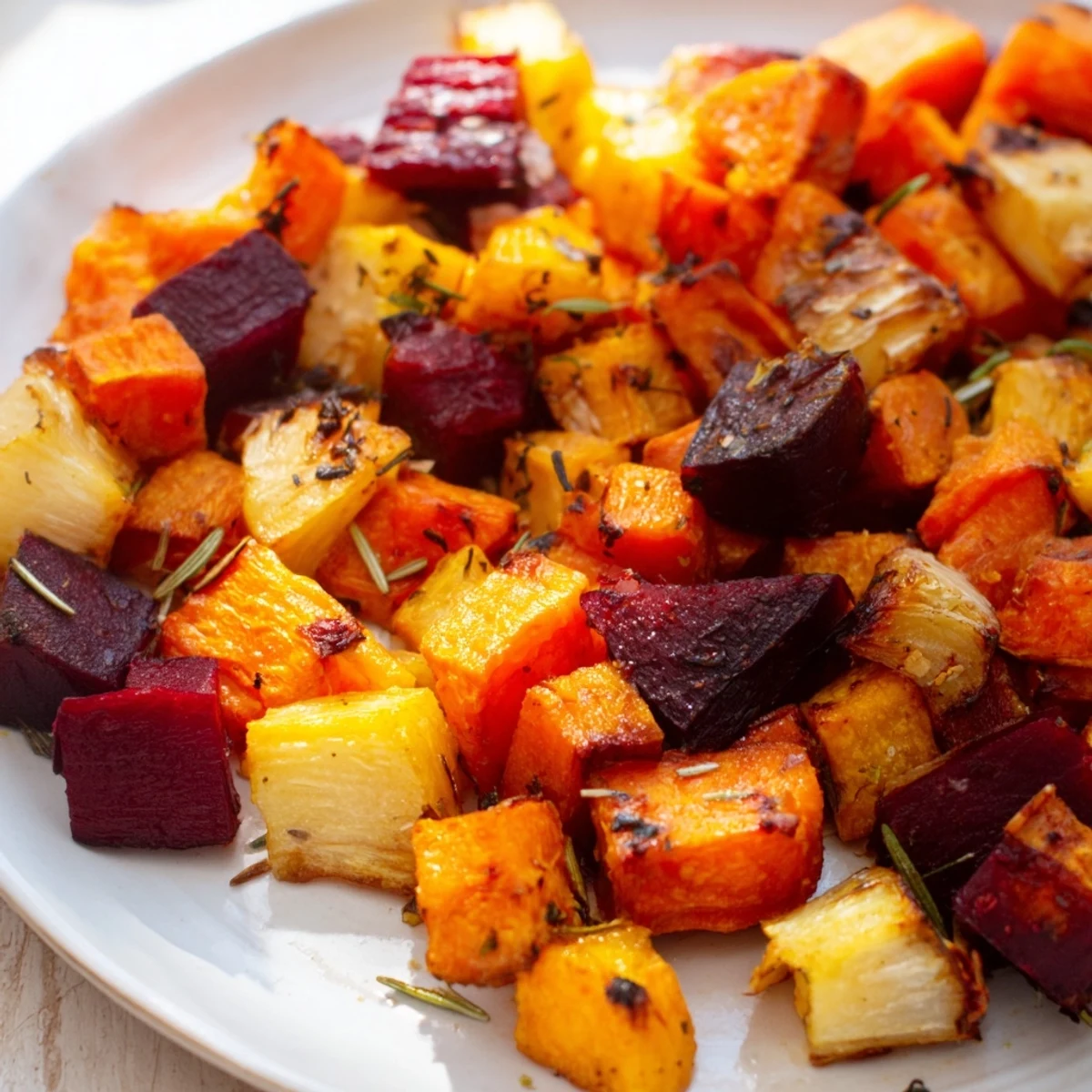
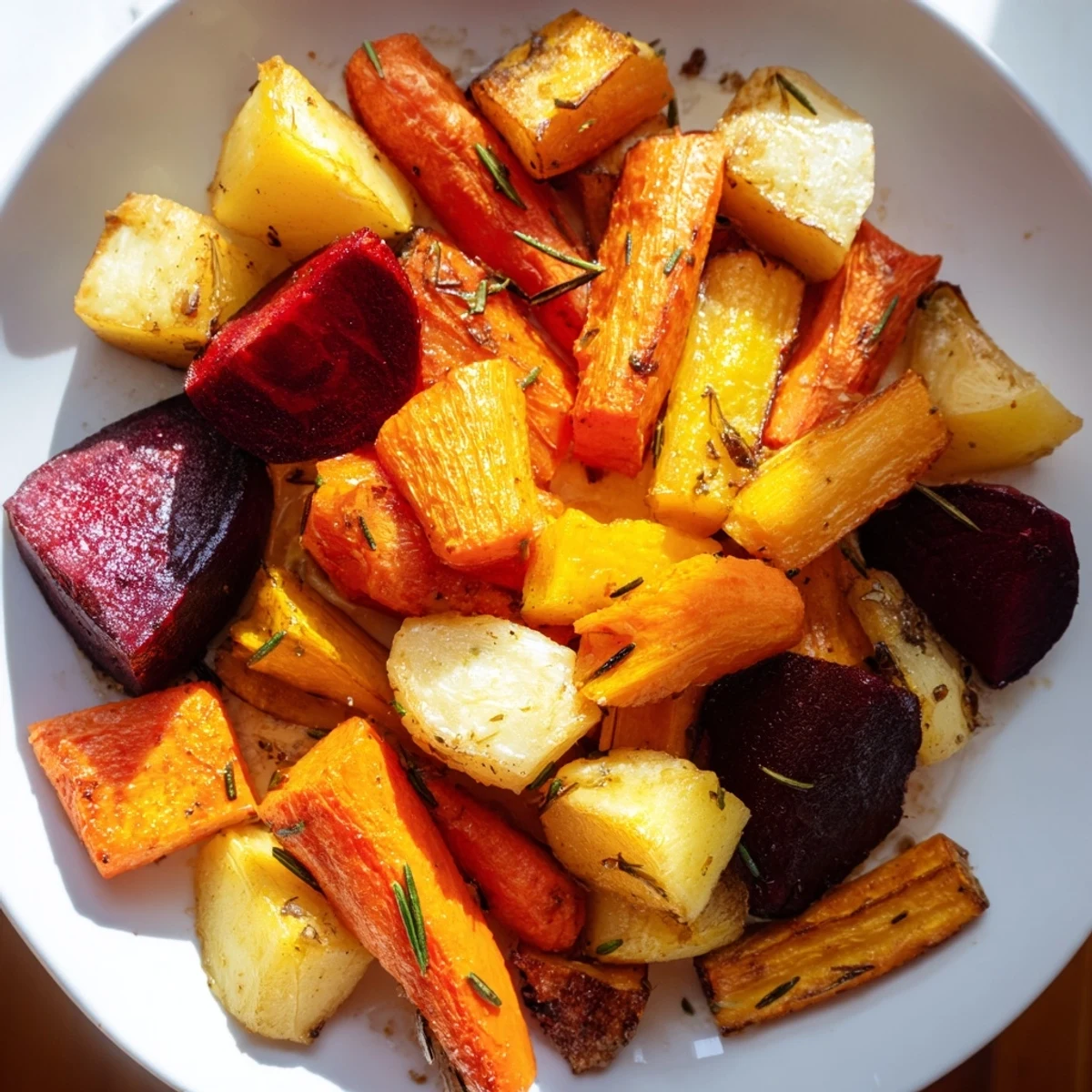
 This dish features a colorful mix of seasonal root vegetables such as carrots, parsnips, sweet potatoes, beets, and rutabagas. They are tossed in olive oil, fresh rosemary, garlic, salt, and pepper, then roasted at high heat until tender and golden. The roasting process enhances their natural sweetness and creates a caramelized crust. Perfect as a side, it's simple to prepare and offers a hearty, aromatic complement to many meals.
My neighbor dropped off a box of root vegetables last autumn, more than I knew what to do with, and I found myself chopping through beets and carrots on a random Tuesday evening. That first tray that came out of the oven smelled so good I had to sit down—caramelized, earthy, with the rosemary practically jumping off the pan. It's become one of those recipes I make without thinking, the kind where your hands just know what to do.
I made this for a dinner party once and barely paid attention to it, too caught up chatting with friends, and when I pulled it out everyone went quiet. Someone asked if I'd caramelized them in butter, which somehow felt like the highest compliment even though it was just olive oil and heat doing the work.
Ingredients
- Carrots and parsnips: These are your backbone—they sweeten as they roast and hold their shape beautifully, so don't skip them even if you have to make a special trip.
- Sweet potato and beet: The sweet potato keeps things creamy in the middle while the beet adds an earthy punch and those gorgeous jewel tones.
- Rutabaga: It sounds fancy but it's just an underrated root vegetable that gets nutty and tender; if you can't find it, turnip works just as well.
- Fresh rosemary: This is non-negotiable—dried rosemary tastes like pine needles in comparison, and fresh makes all the difference in how good this actually tastes.
- Garlic and olive oil: Nothing fancy required here, just good quality versions of both so the flavors actually shine.
- Salt and pepper: Season as you go, not just at the end, so the vegetables actually taste like something.
Instructions
- Get your oven ready and prep your pan:
- Turn your oven to 425°F and line a baking sheet with parchment paper so nothing sticks and cleanup is actually painless. This step takes two minutes but saves you fifteen minutes of scrubbing later.
- Cut everything into uniform chunks:
- Aim for roughly 1-inch pieces so everything cooks at the same speed—smaller pieces get too crispy, larger ones stay raw in the middle. Your knife doesn't need to be perfect, just consistent.
- Toss everything together with the oil and seasonings:
- Put all the vegetables in a big bowl, pour the olive oil over everything, then add the rosemary, garlic, salt, and pepper. Toss it around with your hands until every piece has a little gloss of oil and speckles of herb.
- Spread it out and roast:
- Spread the vegetables in a single layer on your baking sheet—don't pile them on top of each other or they'll steam instead of roast. The edges will start to caramelize after about 20 minutes, and you'll know it's done when they're golden and a fork slides through easily.
- Stir halfway through:
- Around the 20-minute mark, give everything a stir so the other side gets a chance to brown and nothing burns on the bottom.
- Finish and serve:
- Pull the pan out when the vegetables are tender and the edges are deep golden brown, scatter a little extra fresh rosemary on top if you're feeling fancy, and serve hot.
 Save to Pinterest
 This dish has a way of becoming the thing people remember about a meal, not the fancy protein next to it. I've had people ask for the recipe purely for this side, which feels like its own kind of magic.
The Secret to Perfect Caramelization
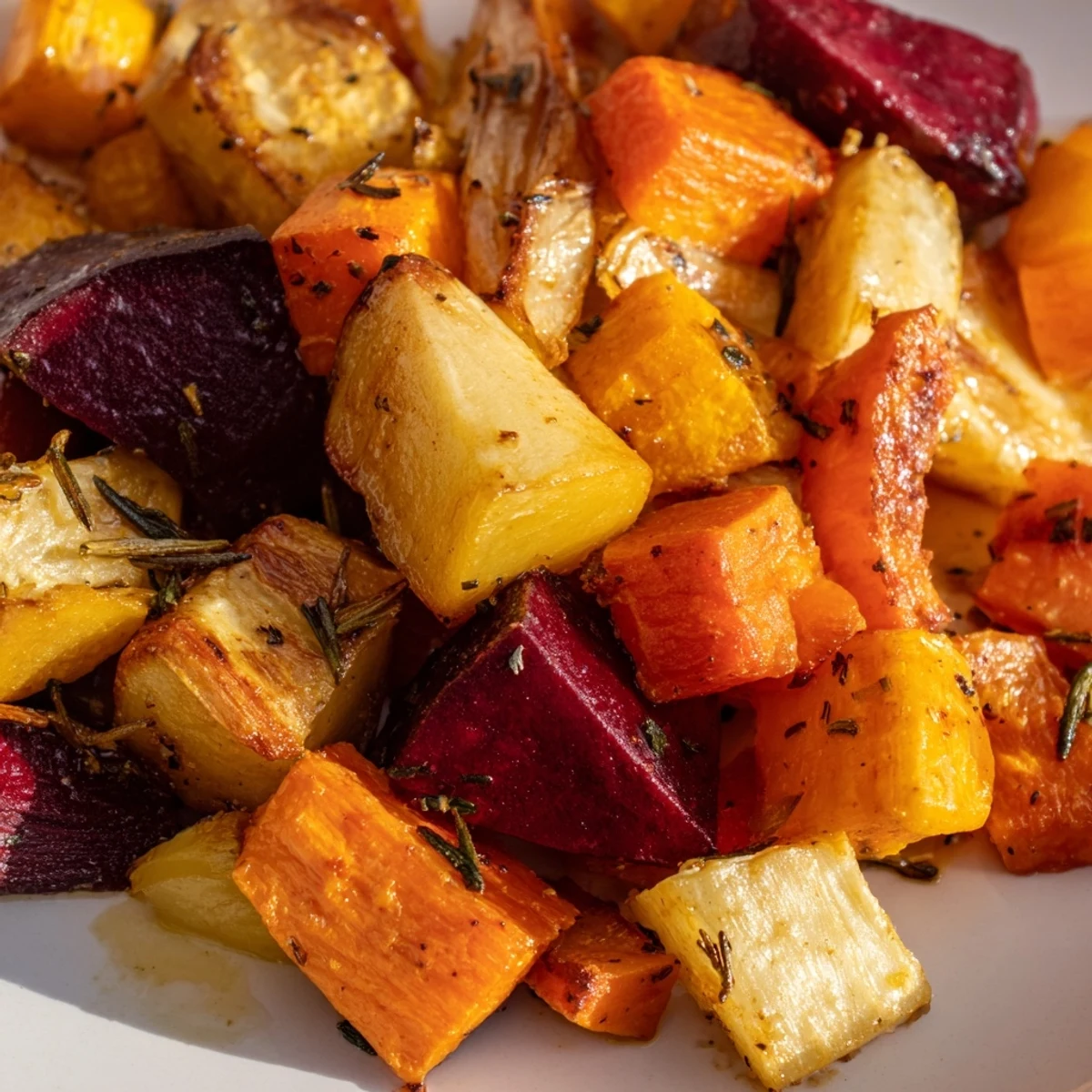
The trick isn't complicated—it's just about letting the oven do the work without moving things around too much. Roasting caramelizes the natural sugars in the vegetables, which is what makes them taste rich and almost sweet without adding anything sugary. The key is heat, time, and a little patience.
Timing and Temperature Matter
I learned the hard way that 400°F takes way longer and doesn't brown as nicely, while 450°F can burn the edges before the insides soften. The 425°F sweet spot is real—it's hot enough to caramelize but not so hot that you're gambling on the timing. Your oven might run a little hot or cold, so start checking around the 35-minute mark and adjust from there.
Making It Your Own
This recipe is flexible, which is the whole reason it works so well as a side dish—you can swap in whatever root vegetables you can find. Turnips, celeriac, regular potatoes, or even chunks of acorn squash all work beautifully and roast at the same temperature and time. If you want something a little different, a drizzle of maple syrup before roasting adds a subtle sweetness, or a squeeze of fresh lemon juice at the end brightens everything up.
- Feel free to change up the herbs—thyme or sage work just as well as rosemary if that's what you have.
- Serve it hot right out of the oven when everything's still steaming, or eat it at room temperature the next day, which honestly tastes even better.
- Double the recipe and you'll have leftovers that reheat beautifully and make lunch feel less depressing.
 Save to Pinterest
 This recipe proves that sometimes the best dishes are the simplest ones, where good ingredients and proper technique do all the talking. Make it once and you'll find yourself coming back to it season after season.
Questions & Answers About the Recipe
- → What types of vegetables can I use in this dish?
-
You can use a variety of root vegetables such as carrots, parsnips, sweet potatoes, beets, rutabagas, turnips, or celeriac depending on availability and preference.
- → How do I achieve the best caramelization on the vegetables?
-
Roasting at 425°F (220°C) and stirring halfway through ensures even cooking and caramelization on the edges for rich flavor development.
- → Can I prepare the vegetables in advance?
-
Yes, you can peel and chop the vegetables ahead of time and store them in the refrigerator until ready to toss and roast.
- → Is fresh rosemary essential for the flavor?
-
Fresh rosemary adds a bright, aromatic note, but dried rosemary can be used as a substitute with slightly less intensity.
- → Are there any suggested pairings for this dish?
-
This vegetable medley pairs well with roasted meats or can be served as a hearty vegetarian main alongside grains.