
 Save to Pinterest
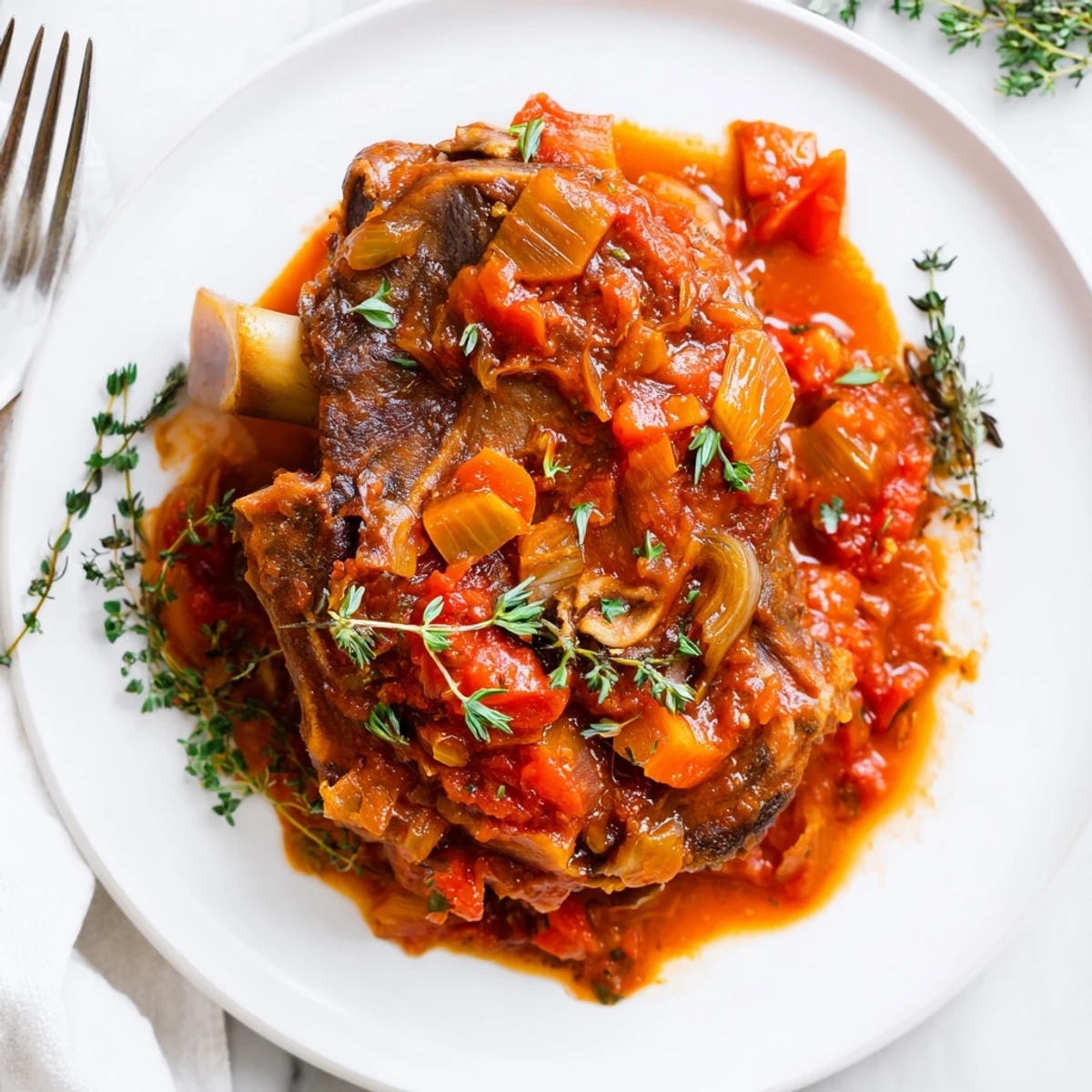
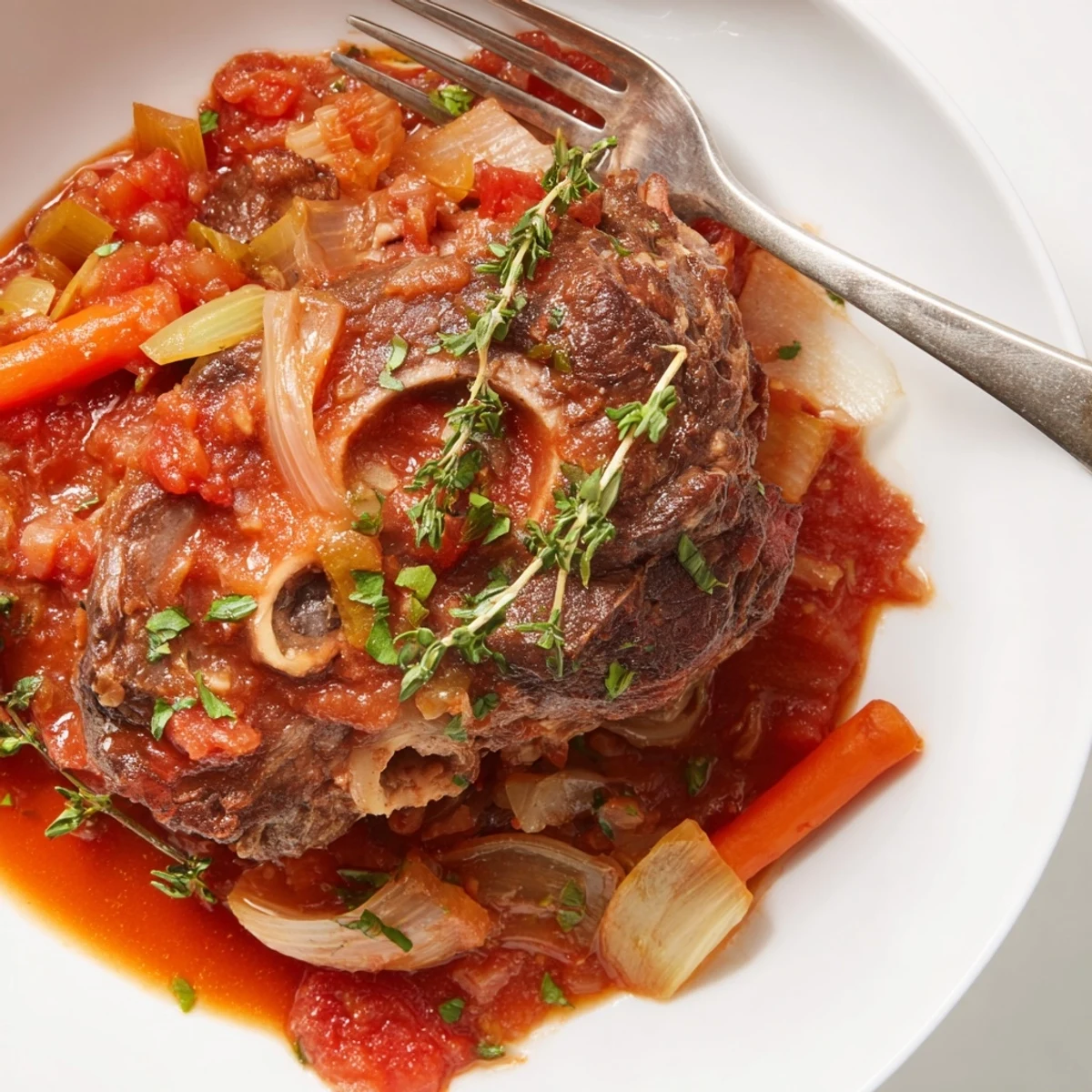
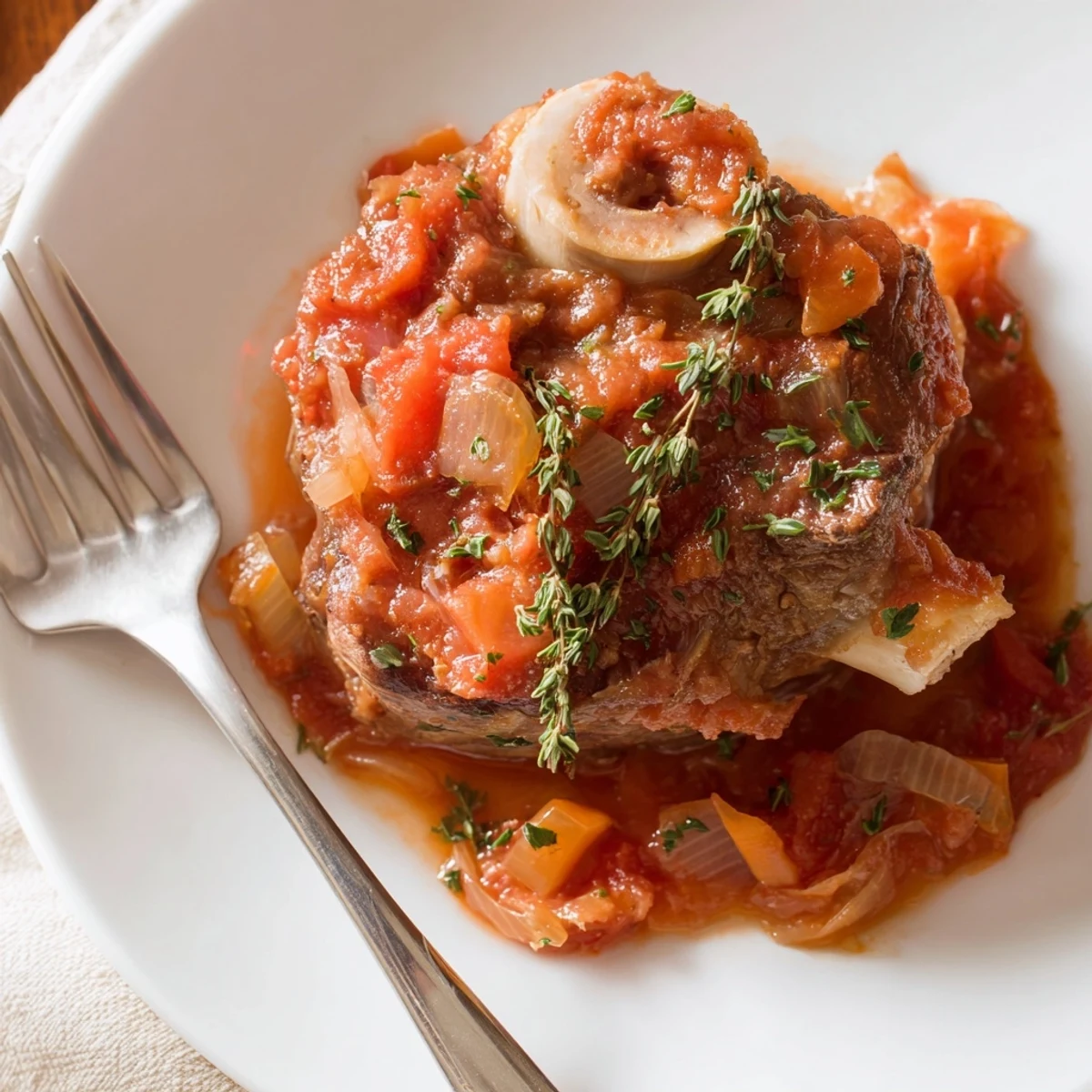
 Succulent veal shanks browned to perfection, then gently braised for hours in a rustic sauce of San Marzano tomatoes, white wine, and classic mirepoix. The low, slow cooking transforms tough cuts into meltingly tender meat that falls from the bone. Fresh thyme, bay leaves, and lemon zest infuse the dish with bright Italian flavors while the braising liquid reduces into a velvety sauce perfect for spooning over creamy risotto alla Milanese or soft polenta.
The smell of browned butter and white wine hitting a hot Dutch oven still stops me in my tracks every time. My neighbor Marco taught me the real secret to osso buco during one of those endless Sunday afternoon cooking sessions that turned into dinner by midnight. He insisted that patience matters more than technique, and after watching him tend to those veal shanks like they were his own children, I finally understood what makes Italian comfort food so transformative. Now whenever I make this dish, I light a few candles and pour myself a glass of the same white wine I am cooking with, turning the whole process into a ritual instead of just dinner preparation.
I remember serving this at my first dinner party after moving into my apartment, feeling quietly terrified that I had ruined something so expensive and precious. When my friend Sarah took her first bite and literally went silent for a full minute, I knew the three hours of braising had been worth every second. Now whenever anyone asks what dish changed how I thought about cooking, this is the one that started it all, proving that some things really cannot be rushed.
Ingredients
- Veal shanks: These are the star of the show, so ask your butcher for cuts about 2 inches thick with good marbling
- Flour mixture: The light dredging creates a beautiful crust and helps thicken the sauce naturally over time
- Olive oil and butter: Using both gives you the high smoke point of oil with that incredible buttery flavor we all crave
- Mirepoix vegetables: Onion, carrots, and celery form the aromatic foundation that makes the sauce taste like it has been cooking for days
- Garlic: Freshly minced makes all the difference here, adding that sharp bite that mellows into sweetness
- Dry white wine: Something you would actually drink, because the flavor really does concentrate in the sauce
- San Marzano tomatoes: These are worth every extra penny, naturally sweet and perfect for long braising
- Chicken stock: Homemade is ideal, but a good quality store-bought one works perfectly fine
- Fresh herbs and citrus: Thyme, bay leaves, and lemon zest brighten all that richness in the most subtle way
- Optional gremolata: That bright sprinkle of parsley, garlic, and lemon zest right before serving wakes everything up
Instructions
- Get your oven ready:
- Preheat to 325°F and clear a good spot for your Dutch oven, because once this starts cooking, you will not want to move it.
- Prep the veal:
- Pat those shanks completely dry with paper towels, then mix your flour with salt and pepper in a shallow dish for an easy dredging station.
- Light dredging:
- Coat each shank quickly in the flour mixture, shaking off any excess because we want a light crust, not a heavy batter.
- Searing perfection:
- Heat your oil and butter in the Dutch oven until shimmering, then brown the veal on all sides for about 3-4 minutes per side until gorgeous and golden.
- Build the base:
- Sauté your onion, carrots, and celery in those beautiful browned bits for about 8 minutes, then add garlic for just one minute until fragrant.
- Deglaze the pot:
- Pour in the white wine and scrape up every bit of flavor from the bottom, letting it bubble away for 2-3 minutes.
- Create the sauce:
- Add the crushed tomatoes with their juices, chicken stock, thyme, bay leaves, and lemon zest, stirring everything together.
- Nestle and cover:
- Return the veal shanks to the pot, tucking them into that gorgeous sauce until mostly submerged, then bring to a gentle simmer.
- The long braise:
- Cover tightly and slide into the oven for 2 to 2.5 hours, checking occasionally until the meat yields easily to a fork.
- Final touches:
- Fish out the bay leaves, skim any excess fat from the surface, and sprinkle with gremolata if you want that restaurant-style finish.
 Save to Pinterest
 There was this one rainy Tuesday when I decided to make osso buco just for myself, half convinced it was ridiculous to put that much effort into a solo dinner. But sitting there with a glass of wine, tearing into that tender meat with nothing but the sound of rain against the window, I realized some dishes are worth making even when no one is watching. That is the moment osso buco became my go-to comfort food, regardless of the occasion or the guest list.
The Art of Long Simmering
After making this dish more times than I can count, I have learned that osso buco is less about precision and more about paying attention. The meat will tell you when it is ready, usually by yielding to the gentle pressure of a fork, and the sauce will develop this glossy sheen that only comes from hours of gentle bubbling. I have stopped setting timers and started trusting my senses instead, checking the meat every 30 minutes after the first hour.
Wine Choices That Work
Marco always said cook with wine you would actually drink, and after some spectacularly mediocre results with cheap cooking wine, I finally understood what he meant. A crisp Pinot Grigio or Sauvignon Blanc works beautifully here, adding brightness without overpowering the delicate veal flavor. The alcohol completely cooks off during the braise, leaving behind just this subtle complexity that makes people wonder what your secret ingredient might be.
Serving Suggestions Worth Trying
The classic pairing is risotto alla Milanese, with that gorgeous saffron yellow color and creamy texture soaking up every drop of sauce. But I have also served this over creamy polenta, mashed potatoes, or even just with crusty bread when I am feeling particularly indulgent. The most important thing is having something to catch all that incredible sauce because honestly, that might be the best part of the entire dish.
- Make the gremolata right before serving because the fresh garlic needs to stay sharp and bright
- Let the osso buco rest for about 10 minutes after coming out of the oven, like you would a roast
- Always serve with something that can sop up that sauce, because leaving even a drop behind feels criminal
 Save to Pinterest
 Osso buco is one of those dishes that teaches you patience in the kitchen and rewards you in ways that instant meals never could. Maybe that is the real secret, that the time spent tending to the pot becomes part of the pleasure of eating.
Questions & Answers About the Recipe
- → What cut of meat works best for osso buco?
-
Traditional osso buco uses veal shanks cut about 2 inches thick from the rear leg. Look for shanks with good marbling and the bone-in for richest flavor. Beef shanks make an excellent substitute if veal is unavailable.
- → How long should I braise the veal shanks?
-
Braise for 2 to 2.5 hours at 325°F until the meat is fork-tender and nearly falling off the bone. The shanks should offer no resistance when pierced with a fork.
- → What should I serve with osso buco?
-
Classic pairings include risotto alla Milanese with saffron, creamy polenta, or mashed potatoes. The starch absorbs the rich braising sauce beautifully. Crusty bread also works well for sopping up juices.
- → Can I make this gluten-free?
-
Yes, simply substitute gluten-free flour blend for the dredging or skip the flour coating entirely. The dish remains delicious without the flour coating.
- → What is gremolata and is it necessary?
-
Gremolata is a fresh condiment of chopped parsley, garlic, and lemon zest sprinkled over the finished dish. It adds bright, fresh contrast to the rich braised meat. While optional, it's traditional and highly recommended.