
 Save to Pinterest
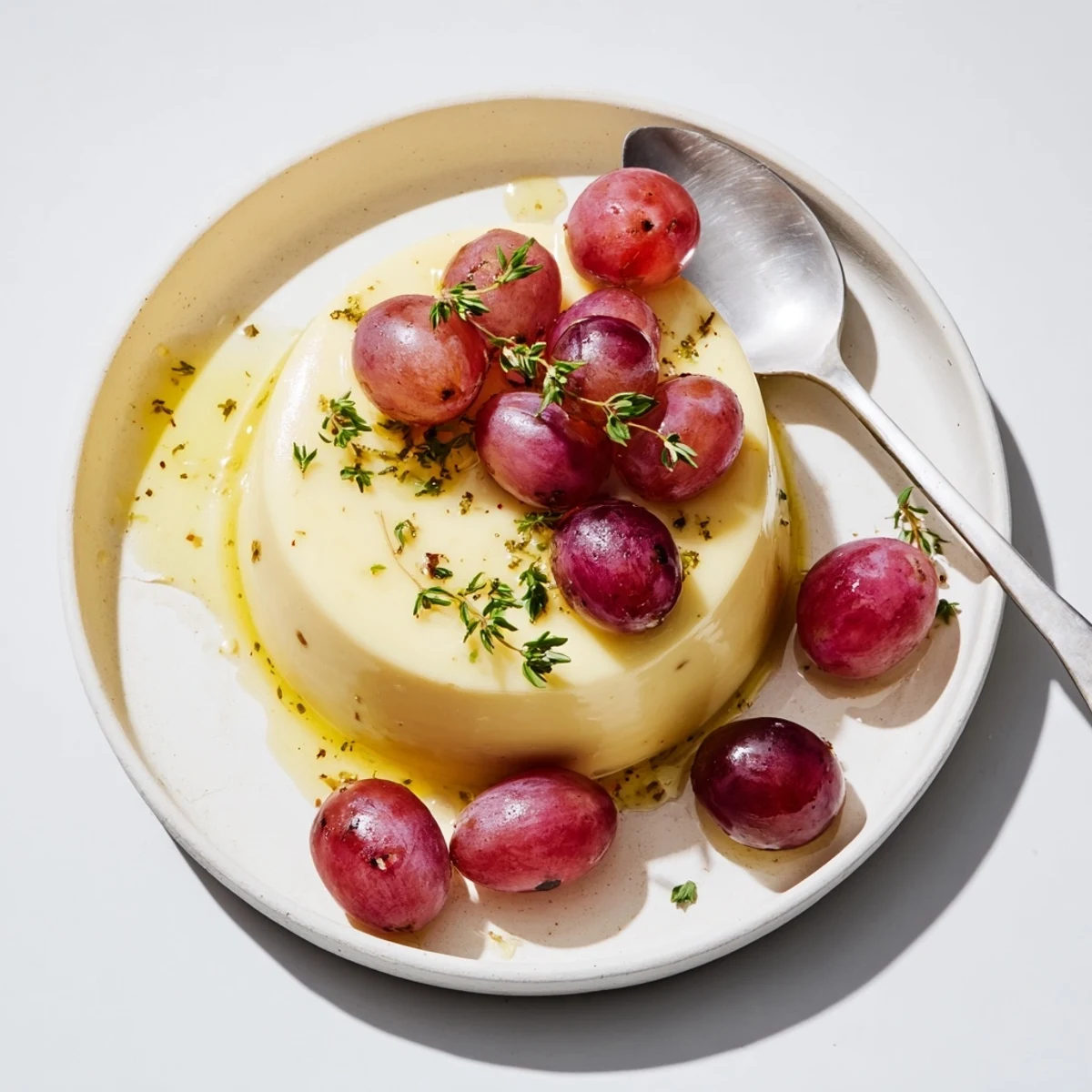
 This elegant Italian dessert combines a smooth, custard-like base infused with bright lemon zest and juice. The creamy interior is perfectly balanced by two grape preparations: warm, caramelized roasted grapes and crisp fresh halves. The contrast of temperatures and textures creates a sophisticated finish.
The first time I made panna cotta, I was terrified it wouldn't set. I hovered over the refrigerator like an anxious parent, checking every twenty minutes, convinced I'd somehow broken the laws of gelatin chemistry. When it finally wobbled perfectly in the ramekin, I felt like I'd performed kitchen magic. This lemon version with those grapes became my dinner party emergency weapon the moment someone took their first bite and went completely silent.
I served these at my sister's birthday last summer when the temperature was pushing ninety degrees and nobody wanted anything heavy. The cool, creamy lemon was exactly what we needed, and those roasted grapes looked like little jewels caught in the light. My brother in law, who usually skips dessert, went back for seconds and asked if I'd marry him. I told him he'd have to get in line behind the gelatin.
Ingredients
- Heavy cream and whole milk: The half and half ratio keeps things luscious without crossing into too rich territory, but you can go all cream if you're feeling decadent
- Unflavored powdered gelatin: This is your setting agent, and blooming it properly in cold water is the difference between silky smooth and a sad, separated mess
- Lemon zest and juice: Use a microplane to get just the yellow part of the zest, avoiding the bitter pith, and squeeze those lemons fresh for the brightest flavor
- Seedless red or black grapes: Dividing them between roasted and fresh gives you two completely different experiences of the same fruit, which is kind of brilliant
- Honey and olive oil: These might seem odd for fruit, but they help the grapes caramelize and deepen into something almost wine like in the oven
Instructions
- Bloom your gelatin:
- Sprinkle the gelatin over cold water in a small bowl and let it sit for about 5 minutes until it absorbs the liquid and becomes soft and wrinkly, like a tiny sponge
- Warm the dairy mixture:
- Combine cream, milk, sugar, lemon zest, and salt in a saucepan over medium heat, stirring until steaming hot but never boiling, and watch the sugar disappear into the warmth
- Combine everything:
- Whisk in the bloomed gelatin until it's completely dissolved, then add lemon juice and vanilla, stirring until smooth and creamy
- Strain and pour:
- Pour the mixture through a fine mesh sieve into a pitcher to catch any bits of zest or undissolved gelatin, then divide evenly among your prepared ramekins or glasses
- Chill until set:
- Let them cool to room temperature first, then refrigerate for at least 4 hours or overnight, resisting the urge to check them constantly like I did my first time
- Roast half the grapes:
- Toss one cup of grapes with olive oil, honey, and thyme on a parchment lined baking sheet, then roast at 400°F until soft and caramelized, about 10 to 12 minutes
- Prep the fresh grapes:
- Halve the remaining cup of grapes and keep them chilled until you're ready to serve, providing that bright, fresh contrast to the warm roasted ones
- Assemble and serve:
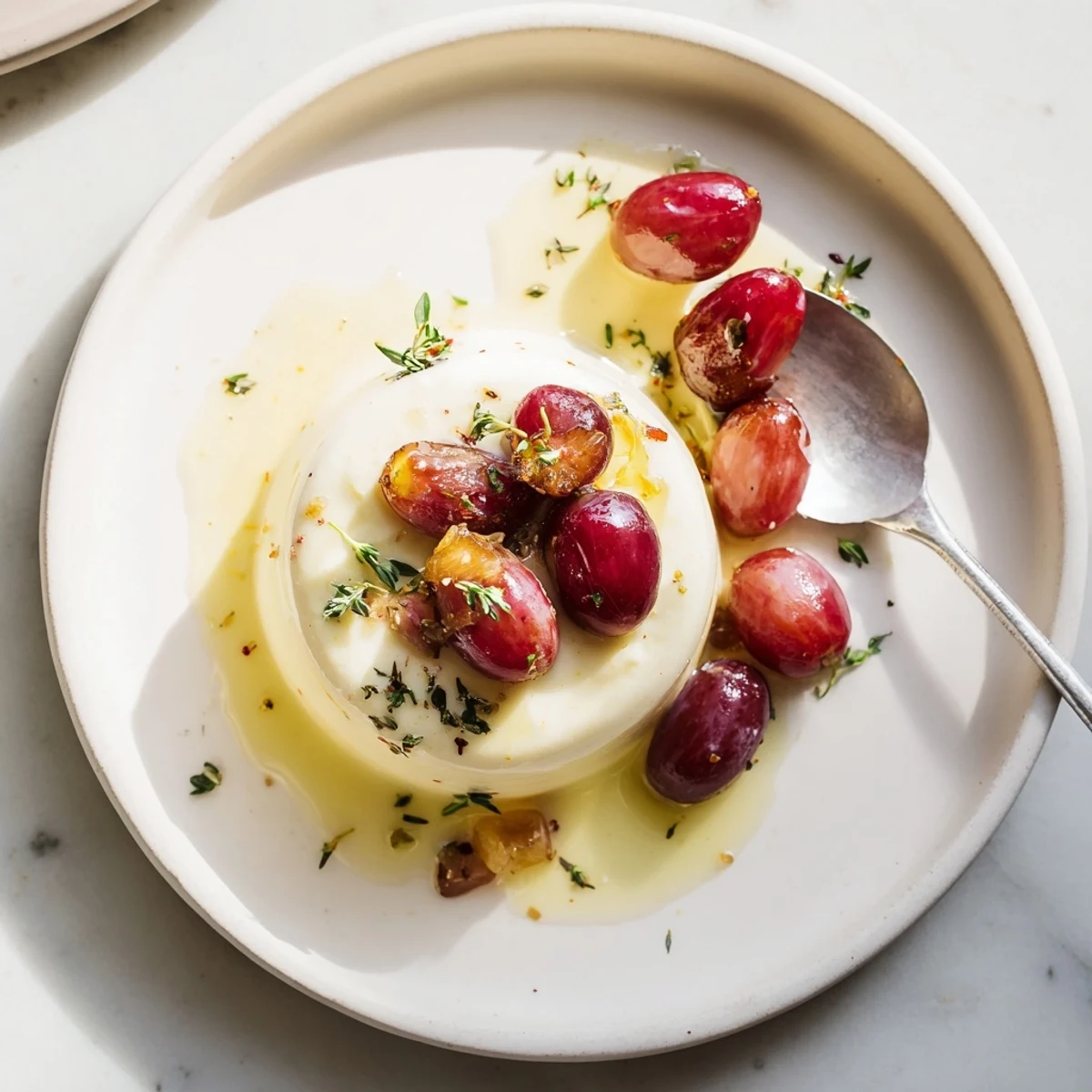
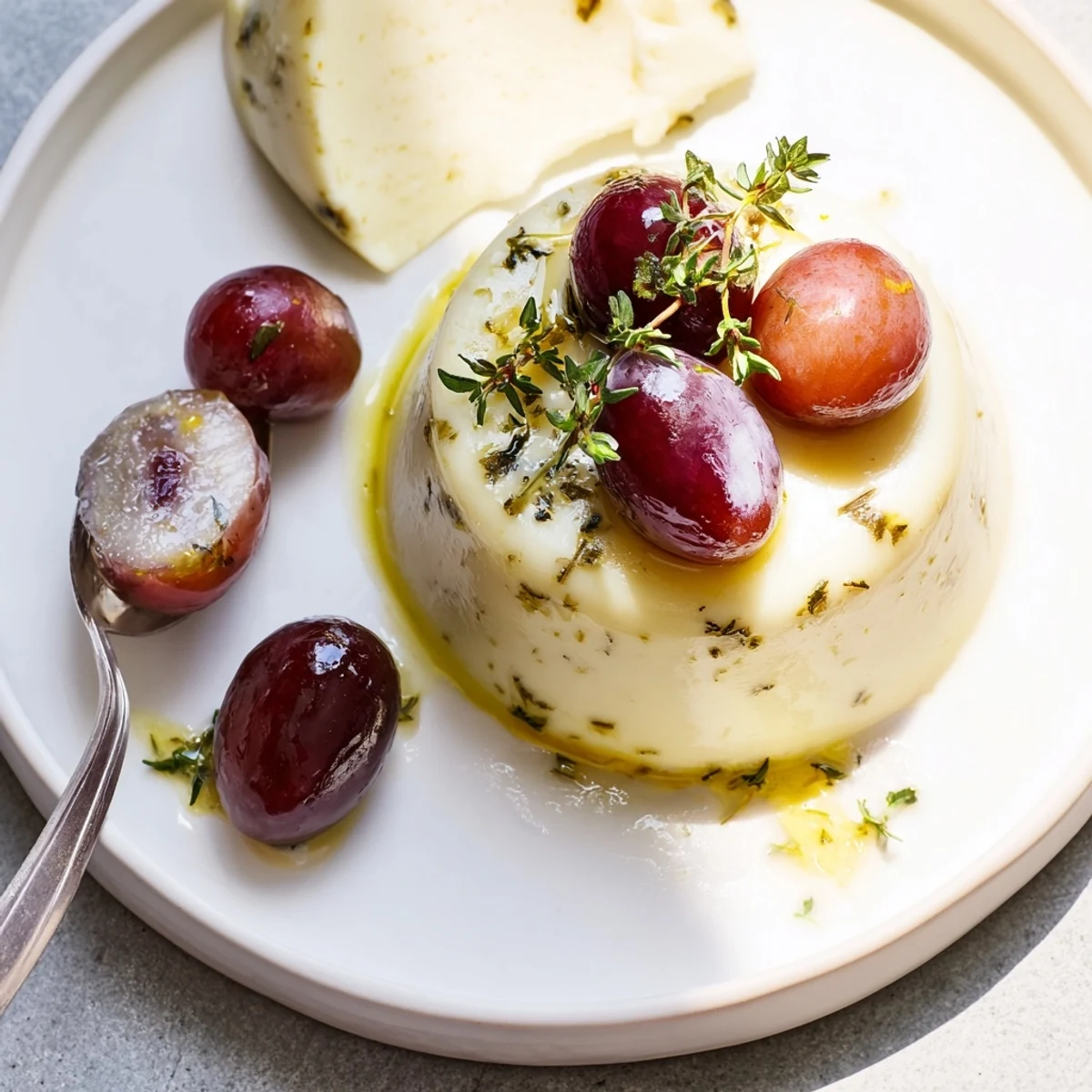
- Unmold the panna cottas onto plates if you used ramekins, or serve straight from glasses, then spoon roasted grapes on one side and scatter fresh halves on the other
 Save to Pinterest
 There's something almost meditative about unmolding a perfectly set panna cotta, watching it release with that satisfying little sigh. The first time I served these to my cookbook club, they all went quiet, and I actually worried something was wrong. Then someone whispered, I think this is the best thing I've ever put in my mouth, and I knew I had a keeper.
Make It Your Own
I've played around with different fruits depending on the season, and roasted figs work beautifully here, turning into something sweet and earthy that loves the lemon. Berries are also fantastic, especially roasted strawberries that get jammy and intense. The beauty of this base is that it's a blank canvas for whatever fruit is singing to you at the market.
Worth The Wait
The four hour chill time feels long, but it's absolutely crucial for that proper set. I've tried rushing it and ended up with something closer to pudding than the elegant wobble we're after. Make these the night before and let them do their thing in peace. Plus, having dessert completely done before your guests even arrive is the kind of kitchen victory that can't be underestimated.
Serving Strategy
If you're feeling fancy, serve these in the glasses you chilled them in and skip the unmolding step entirely. It looks restaurant elegant and saves you from the nervous moment of wondering if they'll release properly. Either way, get these to the table while those roasted grapes are still slightly warm, that temperature contrast with the cold cream is everything.
- Consider adding a small buttery cookie on the side for texture
- A glass of Moscato d'Asti makes this feel like a proper Italian dessert course
- Leftover roasted grapes are incredible on morning yogurt or toast
 Save to Pinterest
 Every time I make these, I'm reminded that the simplest desserts often have the most to say. That first spoonful of cool lemon cream with warm roasted grapes feels like discovering something that's been waiting for you all along.
Questions & Answers About the Recipe
- → Can I make panna cotta ahead?
-
Yes, prepare up to 2 days in advance. Keep chilled and add grapes just before serving for best texture.
- → Why didn't my panna cotta set?
-
Ensure gelatin bloomed properly and dissolved completely. Don't boil the cream mixture as it can break down gelatin's structure.
- → Can I use regular gelatin sheets?
-
Substitute 3-4 gelatin sheets softened in cold water. Bloom time varies by brand, follow package instructions.
- → What other fruits work well?
-
Roasted figs, berries, stone fruits like peaches or plums, or poached pears complement the citrus base beautifully.
- → How do I unmold cleanly?
-
Dip ramekin briefly in warm water, run a thin knife around edges, then invert onto plate. If it sticks, let sit 30 seconds and try again.