
 Save to Pinterest
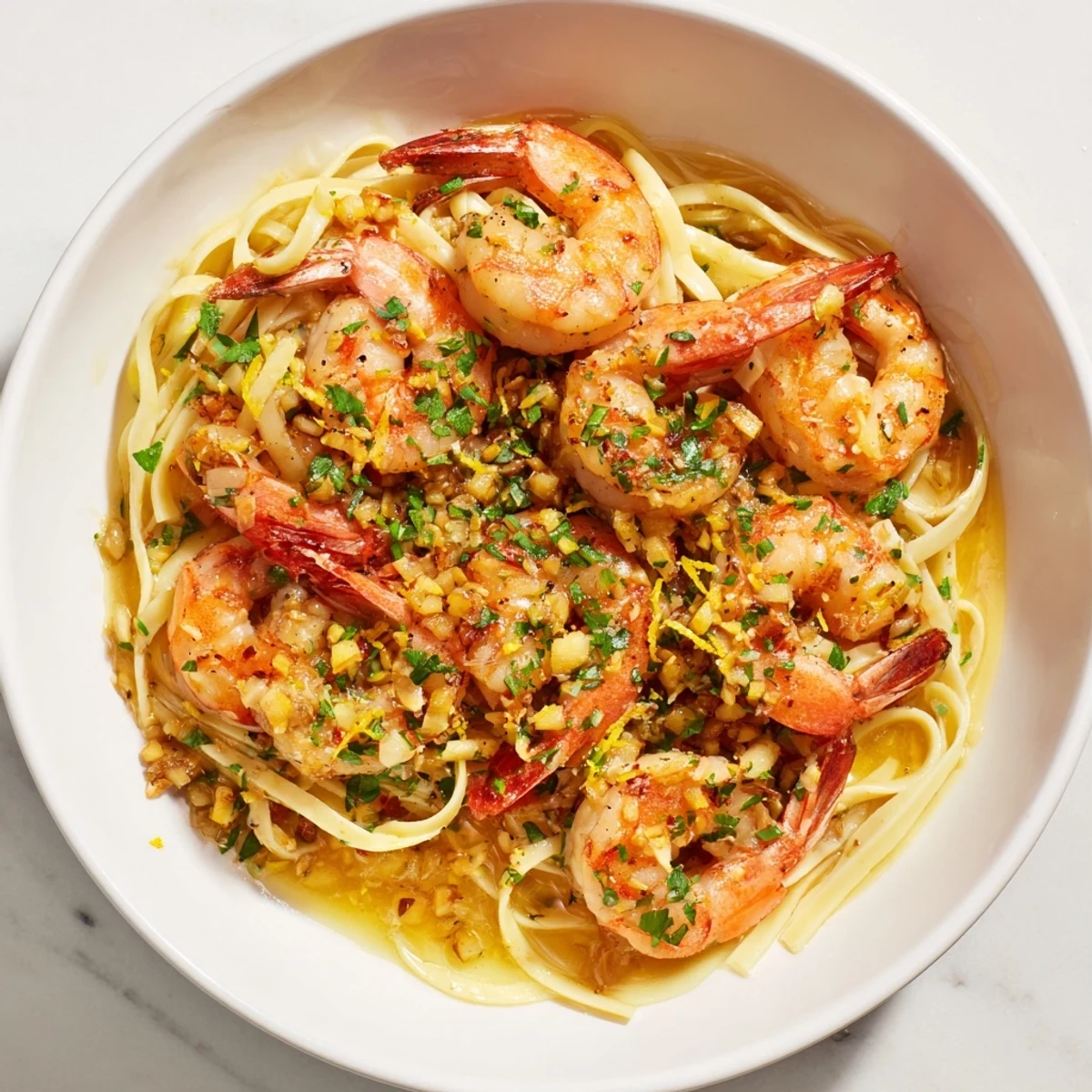
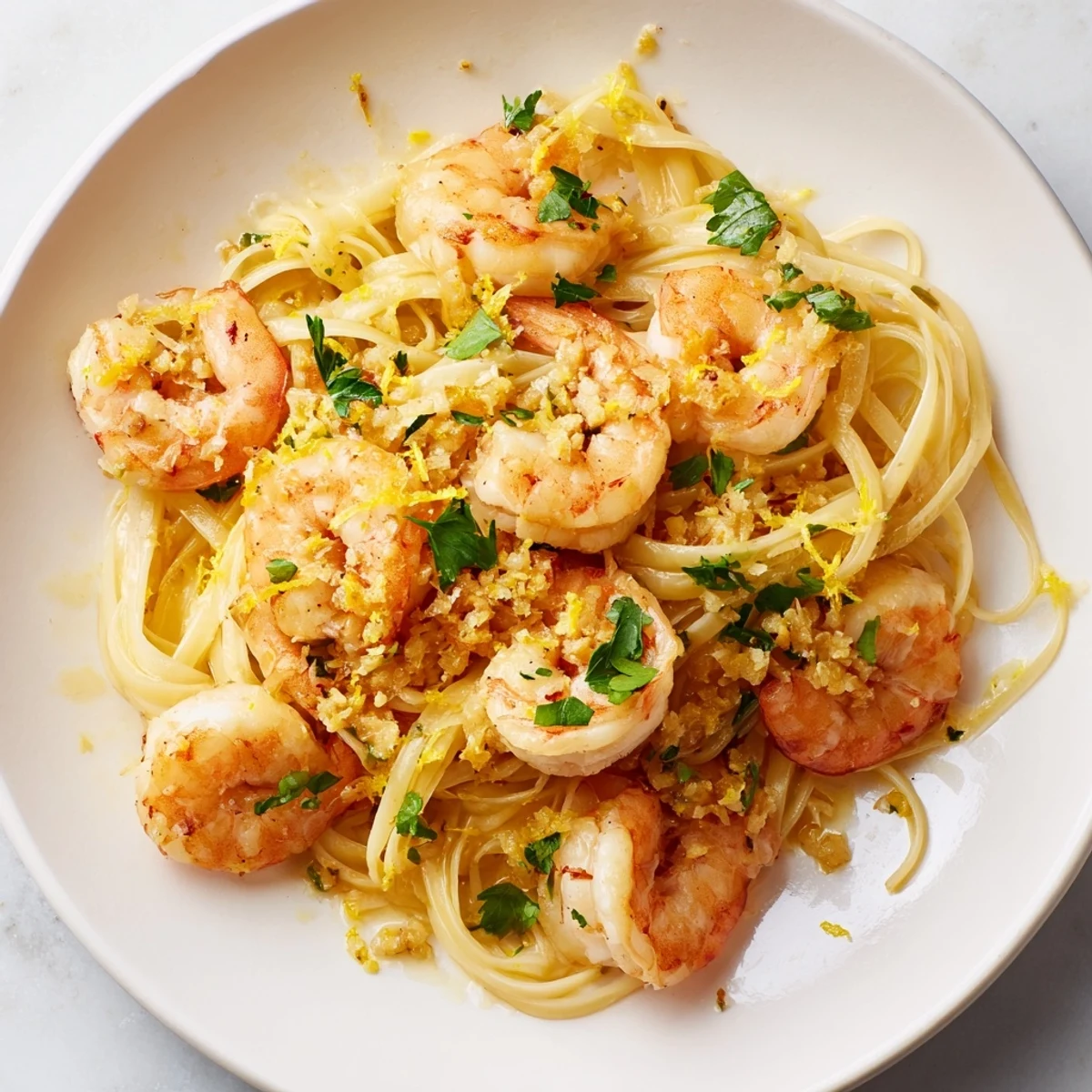
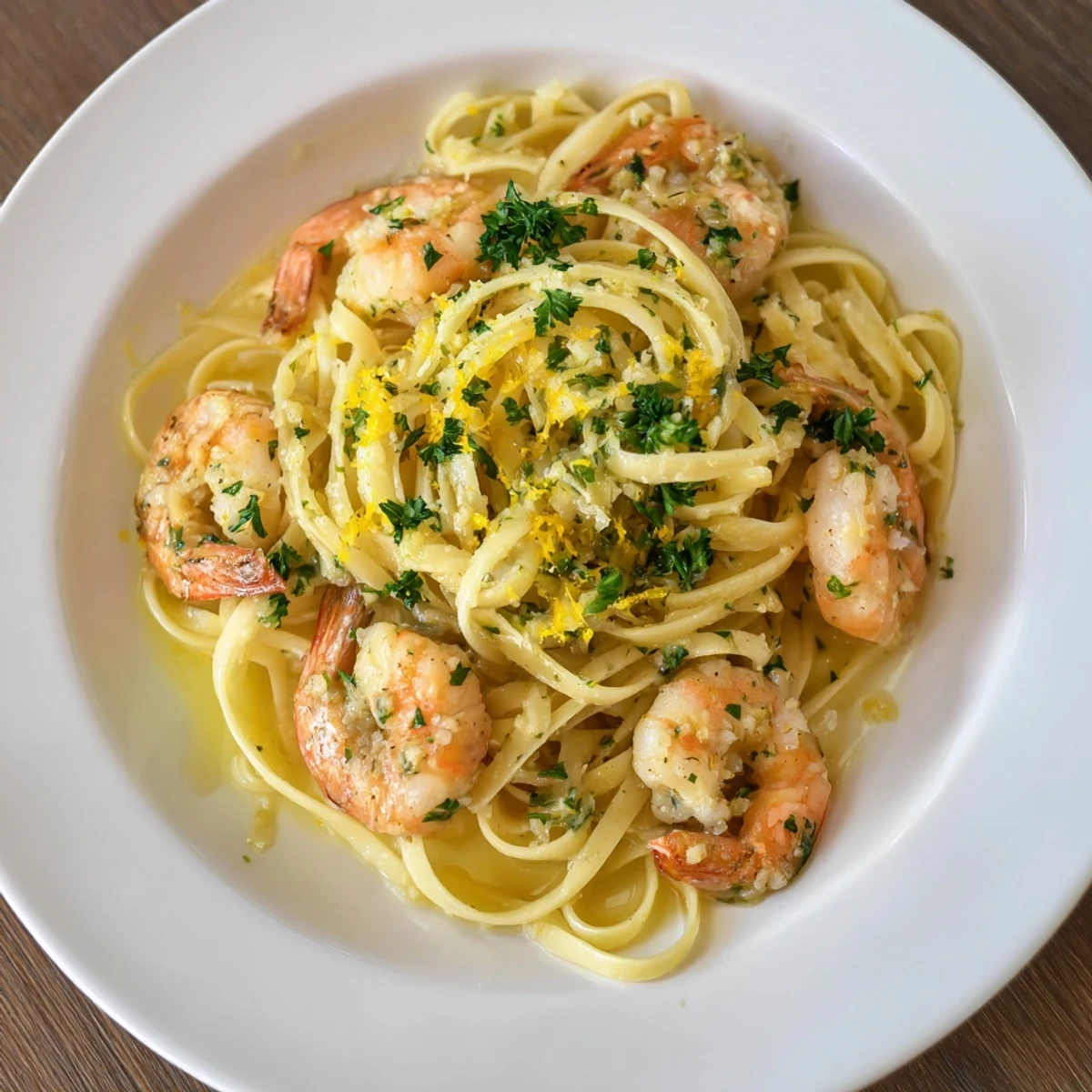
 This dish combines succulent shrimp sautéed in a fragrant garlic and lemon butter sauce, perfectly paired with linguine to create a bright, zesty flavor profile. The shrimp are cooked until tender and opaque, then tossed with reserved pasta water to form a silky, vibrant sauce. Fresh parsley and optional red pepper flakes add fresh aroma and subtle heat, making this an easy yet elegant option for a speedy seafood dinner.
I still remember the first time I made lemon garlic shrimp scampi—it was a Tuesday night when a friend called saying they'd be over in forty minutes, and I had shrimp in the freezer and an almost empty pantry. What I pulled together that evening became one of those dishes I'd return to again and again, not just because it's restaurant-quality impressive, but because it proved that the simplest ingredients, treated with care and a little lemon juice, could transform a weeknight into something special.
That night with my friend, we stood in the kitchen watching the shrimp turn from translucent to that perfect blush pink, and she kept saying it smelled like Italy. We finished the whole pot with crusty bread, arguing about who got the last bit of sauce. That's when I knew this recipe would always have a place in my regular rotation.
Ingredients
- 1 lb large shrimp, peeled and deveined: Buy the biggest ones you can find—they stay tender and cook evenly, plus they feel luxurious on the plate. I learned to keep the tails on if you like, they give you something to hold onto and look prettier, or remove them if you prefer eating with just a fork.
- 12 oz linguine or spaghetti: Linguine catches the sauce better than thinner pasta, but honestly, whatever you have that isn't too thick works beautifully here. The starch water matters as much as the pasta itself.
- 4 cloves garlic, minced: Don't skip the mincing step—garlic chips cook differently than minced garlic, and you want it to melt into the sauce. Use fresh garlic, always. The smell filling your kitchen is half the promise of this dish.
- 1/4 cup dry white wine: Something you'd actually drink, nothing labeled cooking wine. The wine mellows the broth and adds a sophistication that feels effortless.
- Zest and juice of 1 large lemon: This is the backbone of the whole dish. Fresh lemon, not bottled. The zest adds brightness that juice alone cannot give you.
- 1/4 cup low-sodium chicken or seafood broth: This dilutes the butter sauce just enough to coat the pasta without becoming greasy. Seafood broth is lovely if you have it, but chicken broth is more forgiving.
- 1/4 tsp crushed red pepper flakes (optional): Just a whisper—this isn't a spicy dish, but a tiny hint of heat wakes everything up.
- 1/4 cup fresh parsley, chopped: Flat-leaf parsley is more flavorful than curly. Add it at the very end so it stays bright and tender, not cooked down to nothing.
- 3 tbsp unsalted butter: Real butter makes all the difference in the sauce texture. It's worth buying good butter for this.
- 2 tbsp extra-virgin olive oil: The oil helps the butter travel throughout the sauce and prevents it from breaking. Don't use a cheap one.
- Salt and black pepper: Taste as you go—this matters because everything else is so delicate.
Instructions
- Start your pasta first:
- Get a large pot of salted water boiling—salt it generously, it should taste like the sea. Add your pasta and cook exactly to package directions for al dente. Before draining, scoop out about half a cup of that starchy pasta water into a small bowl and set it aside—you'll use this to make your sauce silky later. This is one of those secrets that changes everything.
- Prepare your skillet sauce base:
- While pasta is cooking, heat a large skillet over medium heat. Add one tablespoon of butter and all of the olive oil. Let them warm until the butter is foaming and smells nutty—this takes just a minute or two. Don't rush this part; you want them working together.
- Let the garlic perfume the oil:
- Add your minced garlic and let it sizzle for exactly one minute. You're not looking for it to brown—just become fragrant. The moment you smell that garlic clearly, that's your signal to move forward. If it starts to turn golden, it's already too far.
- Cook the shrimp until just kissed:
- Arrange the shrimp in a single layer in the skillet. Sprinkle with salt, pepper, and red pepper flakes if you're using them. This is important: don't crowd them or move them around. Let them cook for exactly two minutes on the first side. You'll see them turn from translucent gray to opaque pink. Flip them and give them another two minutes. They should feel firm but still have a tiny give when you press them—that's perfect. Transfer them to a clean plate.
- Deglaze and simmer:
- Pour the white wine into the hot skillet—you'll hear it sizzle and smell the alcohol briefly. Use tongs or a wooden spoon to scrape up all those beautiful browned bits stuck to the bottom. Add your broth and let everything bubble together for one to two minutes. This concentrated liquid is the foundation of your sauce.
- Brighten with lemon:
- Stir in the lemon zest and juice. The sauce should smell immediately more alive. Taste a tiny bit—it should make your lips pucker slightly.
- Bring it together:
- Return the shrimp and any juices that collected on the plate back to the skillet. Add your drained pasta and the remaining two tablespoons of butter. Using tongs, toss everything together gently—you're not mixing aggressively, just ensuring every strand of pasta touches the sauce. If it looks too thick, add a splash or two of that reserved pasta water. You want a sauce that coats the pasta but isn't watery. This usually takes about a minute of tossing.
- Finish with grace:
- Stir in the fresh parsley and taste. Adjust salt and pepper to your preference. The whole process from skillet to plate should take no more than four or five minutes once the shrimp are done cooking.
 Save to Pinterest
 The thing about this dish that surprised me most was how it became a comfort food. I made it on a rough week when nothing felt right, and somehow the brightness of the lemon and the simplicity of the preparation felt healing. My partner ate it quietly, then asked if I could make it again the next night. That's when I understood: sometimes the best recipes aren't the complicated ones that show off technique, they're the ones that make people feel cared for.
Why This Dish Works Every Time
The genius of lemon garlic shrimp scampi is that it relies on just a handful of flavors working in perfect balance. The butter provides richness, the garlic and lemon provide brightness and punch, and the wine adds depth. There's no cream to hide behind, no complicated spice blends to balance—just honest ingredients letting each other shine. This means every element needs to be good quality, but it also means there's nowhere to hide mistakes. You'll learn to cook better making this dish because you can taste every choice you make.
Timing and Mental Prep
The real secret to nailing this recipe is understanding that almost everything happens simultaneously. Your pasta, your shrimp, and your sauce all need attention at the same time, but because each element only takes a few minutes, you can absolutely manage it with a little planning. Before you start cooking, read through the instructions once. Set out all your ingredients. Have your bowl for pasta water ready. Have a plate ready for the shrimp. This kind of mise en place—having everything in its place—transforms this from feeling rushed to feeling orchestrated.
Beyond the Recipe
Once you've made this a few times, you'll start to see its potential. I've added fresh spinach that wilts into the sauce at the last minute. I've stirred in cherry tomatoes that burst as they warm. I've used white fish instead of shrimp when that's what I had. The structure of this recipe is flexible enough to bend with what's in your kitchen and what you're craving.
- If you have leftover lemon garlic sauce without pasta, it's phenomenal on grilled chicken or roasted vegetables the next day—save those pan drippings
- Make this with seafood broth instead of chicken broth if you want it to taste more decisively of the sea
- Fresh dill works beautifully alongside or instead of parsley if that's your preference, though parsley is the traditional choice
 Save to Pinterest
 Make this recipe soon, and make it for someone you want to impress or someone you want to care for. It takes twenty minutes and tastes like you've been in the kitchen for hours.
Questions & Answers About the Recipe
- → What type of pasta works best?
-
Linguine or spaghetti are ideal as they hold the sauce well and complement the shrimp's texture.
- → Can I use frozen shrimp?
-
Yes, thaw them completely and pat dry before cooking to ensure even sautéing.
- → How to make the sauce silky?
-
Adding reserved pasta water while tossing helps create a smooth, emulsified lemon butter sauce.
- → Is white wine necessary?
-
White wine adds depth and acidity but can be substituted with extra broth if preferred.
- → Can I adjust the spice level?
-
Yes, the crushed red pepper flakes can be omitted or increased for milder or spicier taste.