
 Save to Pinterest
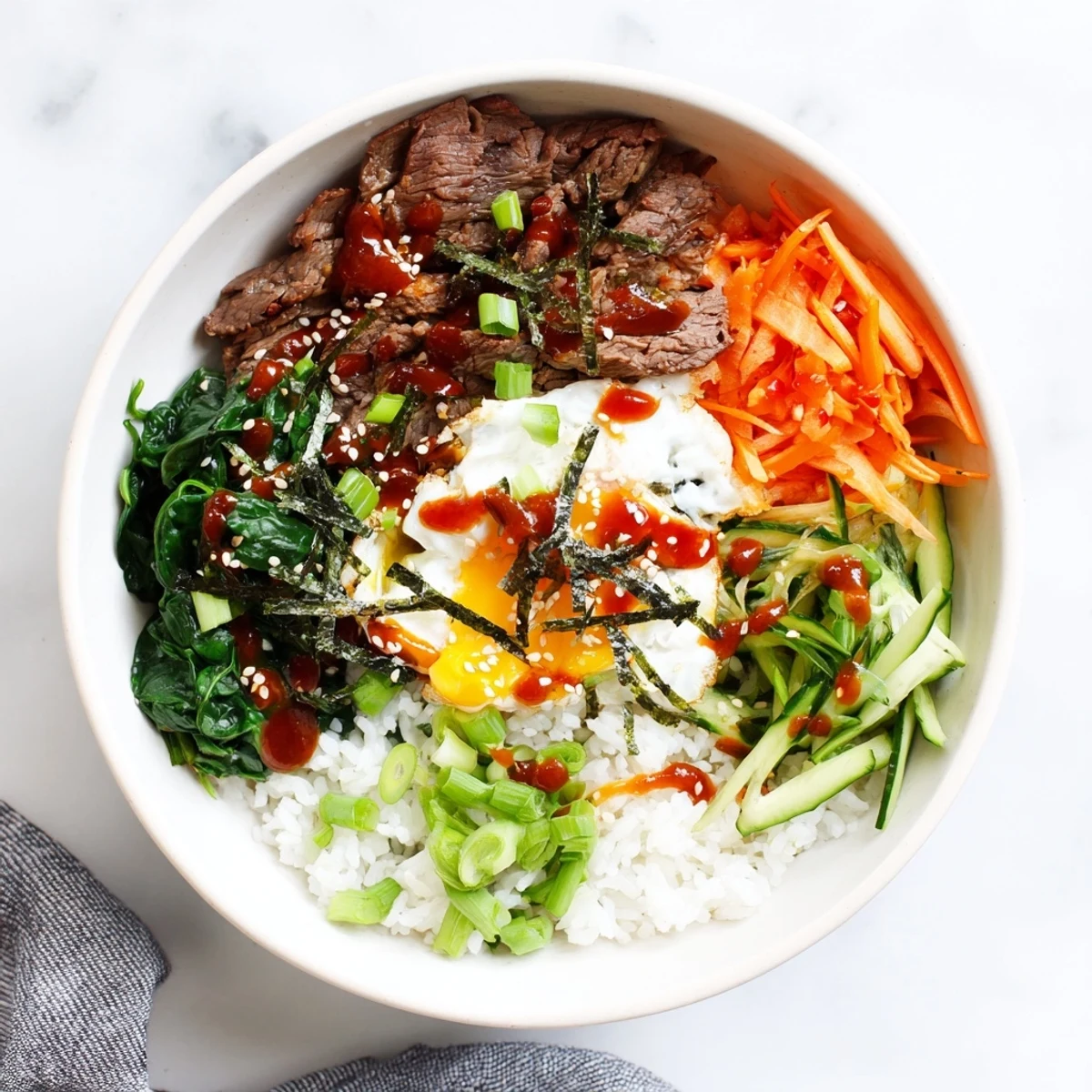
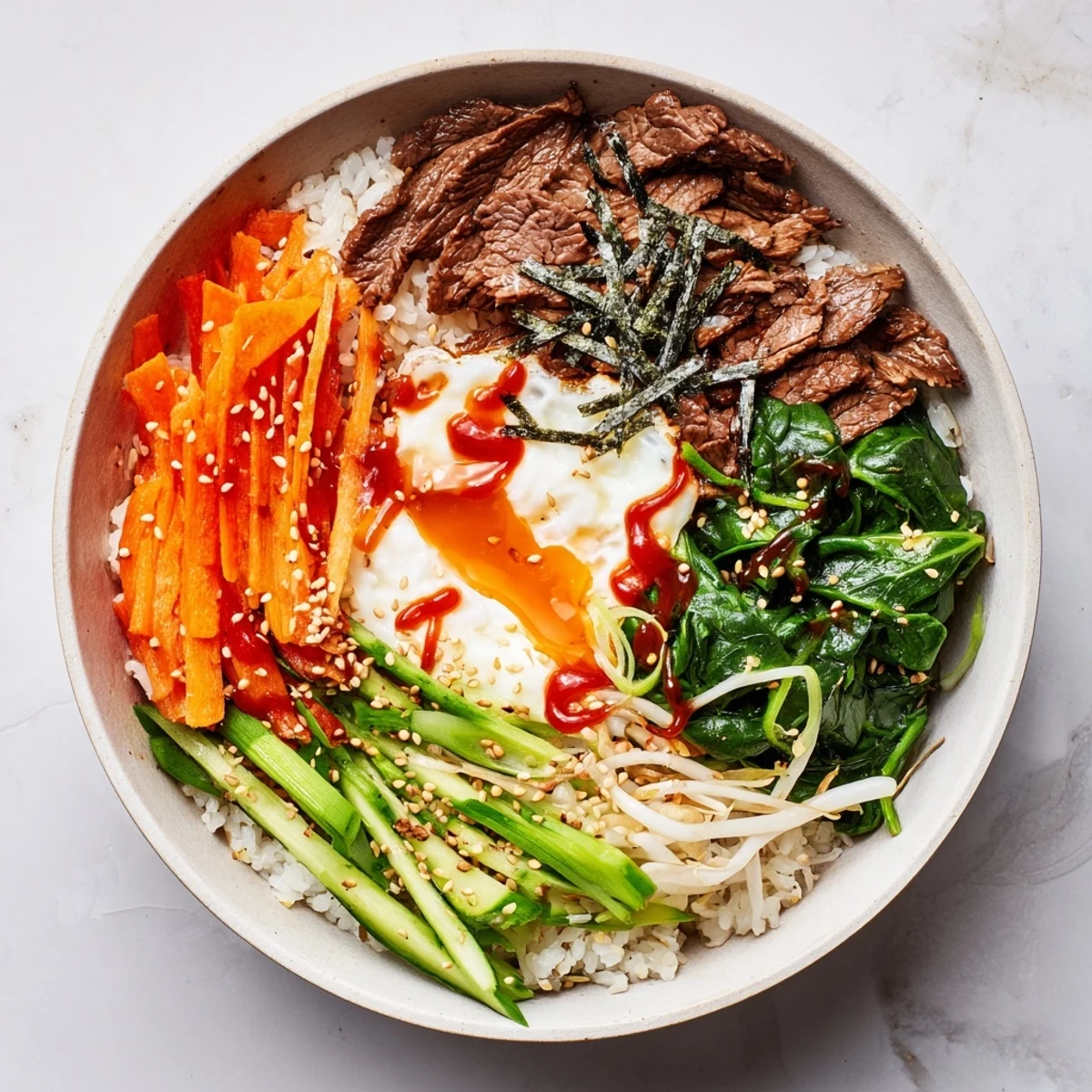
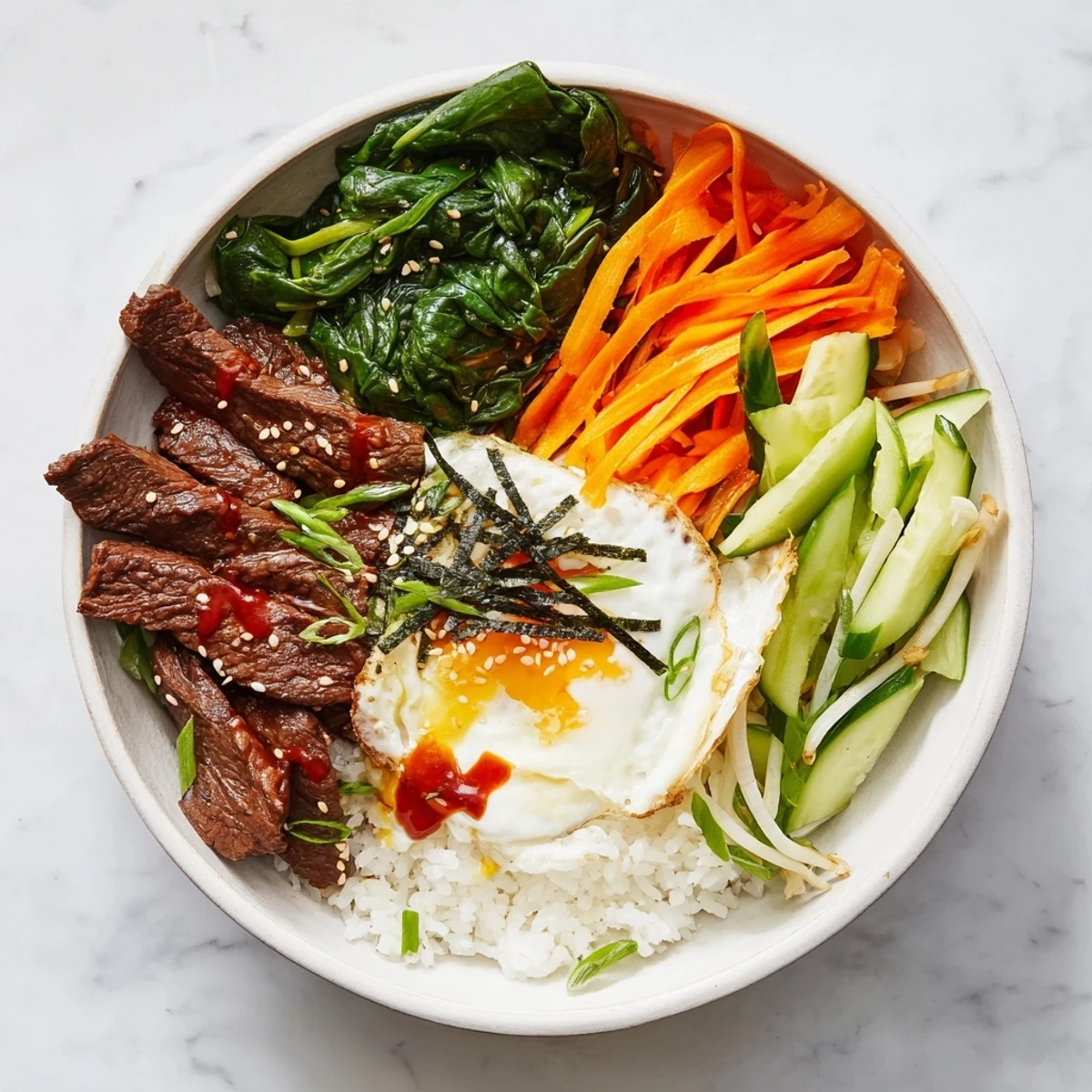
 This satisfying morning bowl combines tender marinated beef with an array of fresh vegetables including spinach, carrots, cucumber, and bean sprouts. The base of warm short-grain rice provides comfort, while a sunny-side-up egg with its golden yolk creates a rich sauce when broken. The homemade gochujang glaze balances sweet, spicy, and savory notes that tie everything together. Each bowl offers a perfect harmony of textures—crisp vegetables, tender beef, fluffy rice, and creamy egg yolk.
Ready in 40 minutes, this dish allows for customization with protein alternatives and adjustable spice levels. The assembly creates an appealing presentation that's as beautiful to look at as it is delicious to eat.
My tiny apartment kitchen smelled incredible at 7 AM on a Tuesday, which is saying something considering I used to burn toast regularly. I had this idea to combine my breakfast craving with the Korean flavors I had been experimenting with after watching way too many cooking videos late at night. The first time I cracked that egg over the bowl, the yolk pooled into the rice exactly like it was supposed to, and I knew I was onto something special.
Last month my roommate stumbled into the kitchen, half awake, and demanded to know what smelled so amazing. I made her a bowl, and now she requests it every weekend. We eat it standing at the counter because neither of us can wait to sit down properly.
Ingredients
- Beef sirloin or ribeye: Thinly slicing it yourself saves money but ask the butcher to do it if possible
- Soy sauce and sesame oil: This combo is the backbone of the marinade and honestly good on everything
- Brown sugar: Helps the beef get those gorgeous caramelized bits in the pan
- Fresh garlic and ginger: Grate the ginger instead of mincing for better flavor distribution
- Rice vinegar: Cuts through the richness and brightens everything up
- Baby spinach: Wilts in seconds so do not walk away from the pan
- Carrot and cucumber: Julienned for that satisfying crunch in every bite
- Bean sprouts: Blanch them longer than you think you need to
- Cooked short-grain white rice: Warm rice absorbs all the flavors better than cold
- Large eggs: Room temperature eggs fry more evenly
- Gochujang: This Korean chili paste is absolutely non-negotiable here
- Honey or sugar: Balances the heat and creates that perfect sticky glaze
- Toasted sesame seeds: Toast them in a dry pan for 30 seconds first
- Nori sheets: Totally optional but adds such a nice savory ocean flavor
Instructions
- Marinate the beef:
- Whisk soy sauce, sesame oil, brown sugar, garlic, ginger and rice vinegar in a bowl. Toss the sliced beef until coated and let it sit for at least 15 minutes while you prep everything else.
- Cook the beef:
- Heat your skillet over medium-high heat until it is properly hot. Add the beef in batches if necessary and cook for 2-3 minutes until browned, then remove to a plate.
- Prep the vegetables:
- Quickly sauté the spinach until just wilted, about 1 minute. Blanch the bean sprouts in boiling water for 1 minute then drain well.
- Fry the eggs:
- In a clean nonstick skillet, fry your eggs sunny-side up until the whites are completely set but those yolks are still gloriously runny.
- Make the sauce:
- Whisk together the gochujang, honey, water, sesame oil and rice vinegar until smooth. Taste and adjust the heat level.
- Assemble the bowls:
- Divide warm rice between two bowls. Arrange the beef and vegetables in sections on top. Place that beautiful fried egg right in the center.
- Finish it off:
- Drizzle with the gochujang sauce and sprinkle with sesame seeds and nori strips. Eat immediately while the egg is still warm.
 Save to Pinterest
 My mom visited last week and watched me assemble the bowls with this look of pure fascination. She admitted she was skeptical about breakfast that involved this much effort, but then she took that first bite and went completely silent.
Making It Your Own
I have started adding leftover roasted vegetables from dinner the night before. Sweet potatoes and mushrooms work particularly well. The beauty is that this bowl adapts to whatever is in your fridge.
The Rice Secret
Short-grain rice is worth seeking out because it gets sticky and clings to all the sauce. I cook mine with a little less water than usual so each grain stays distinct. leftovers reheat beautifully with a splash of water.
Sauce Wisdom
Double the sauce recipe and keep it in a jar in your fridge. I have put it on everything from roasted vegetables to scrambled eggs. It keeps for weeks and makes any meal feel special.
- Let the sauce come to room temperature before drizzling
- Add a teaspoon of mayo to make it creamy
- Taste the sauce before adding it because some brands of gochujang are spicier than others
 Save to Pinterest
 There is something deeply satisfying about breaking that yolk and watching it coat everything in golden warmth. Hope this becomes your new comfort breakfast too.
Questions & Answers About the Recipe
- → What cut of beef works best for this bowl?
-
Thinly sliced sirloin or ribeye are ideal choices as they tenderize quickly during marinating and cook rapidly over high heat. The thin slices absorb the marinade flavors beautifully while remaining tender.
- → Can I make this dish vegetarian?
-
Absolutely. Substitute the beef with firm tofu cubes or meaty mushrooms like shiitake or portobello. Marinate them the same way as the beef for similar flavor penetration.
- → How do I adjust the spice level?
-
The heat primarily comes from the gochujang paste. Start with less than the suggested amount and gradually increase to taste. You can also add a touch more honey to balance additional spice.
- → Can I prepare components in advance?
-
Yes, you can marinate the beef overnight, cook the vegetables a day ahead, and prepare the sauce in advance. However, fry the eggs fresh and serve the rice warm for the best experience.
- → What other toppings can I add?
-
Pickled vegetables, kimchi, sliced radishes, or avocado pair wonderfully. Crispy fried shallots or additional toasted seeds add extra texture and flavor dimensions.
- → Is gochujang essential for this dish?
-
Gochujang provides the authentic Korean flavor profile, but you can substitute with sriracha mixed with miso paste and a touch of gochugaru if needed. The taste will differ slightly.