
 Save to Pinterest
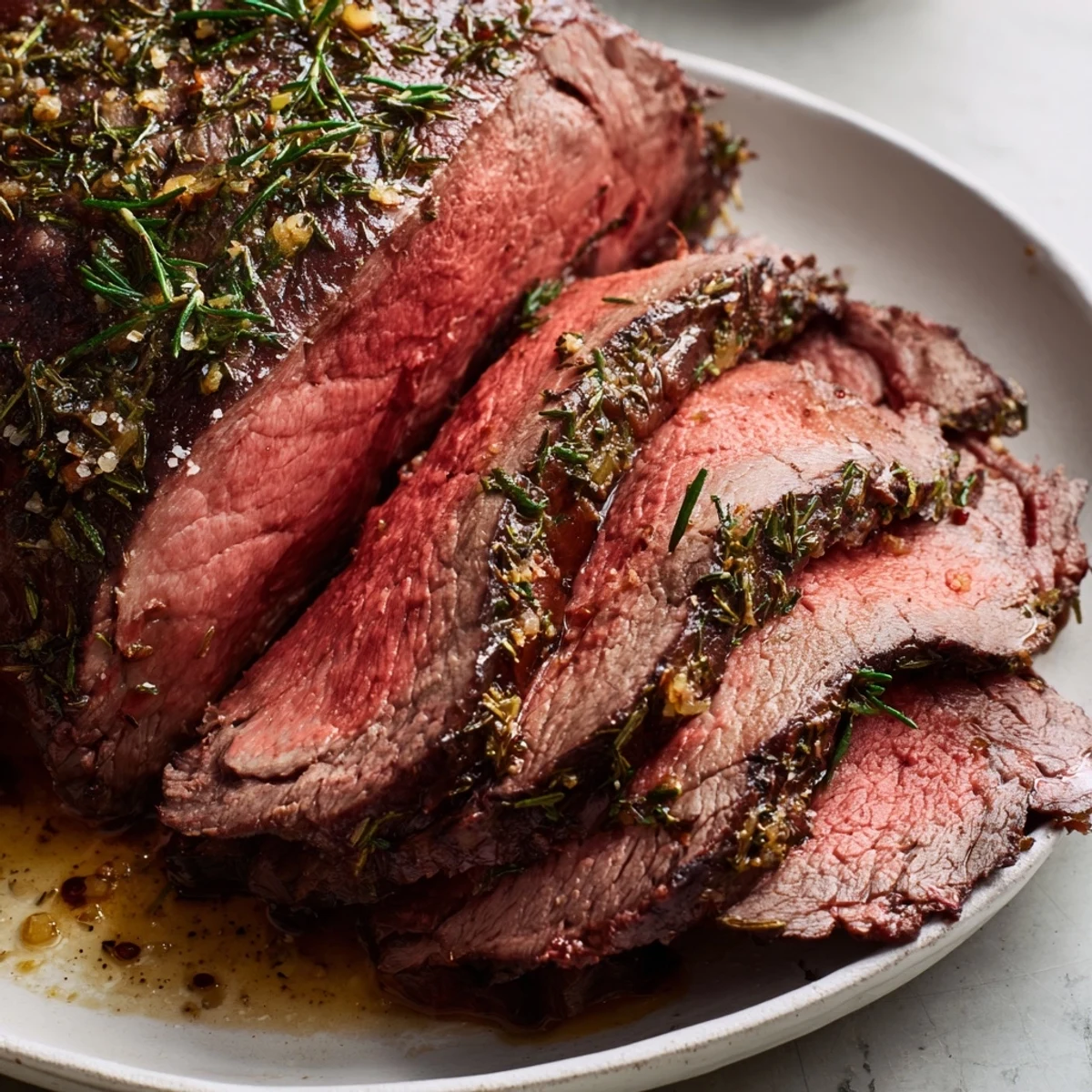
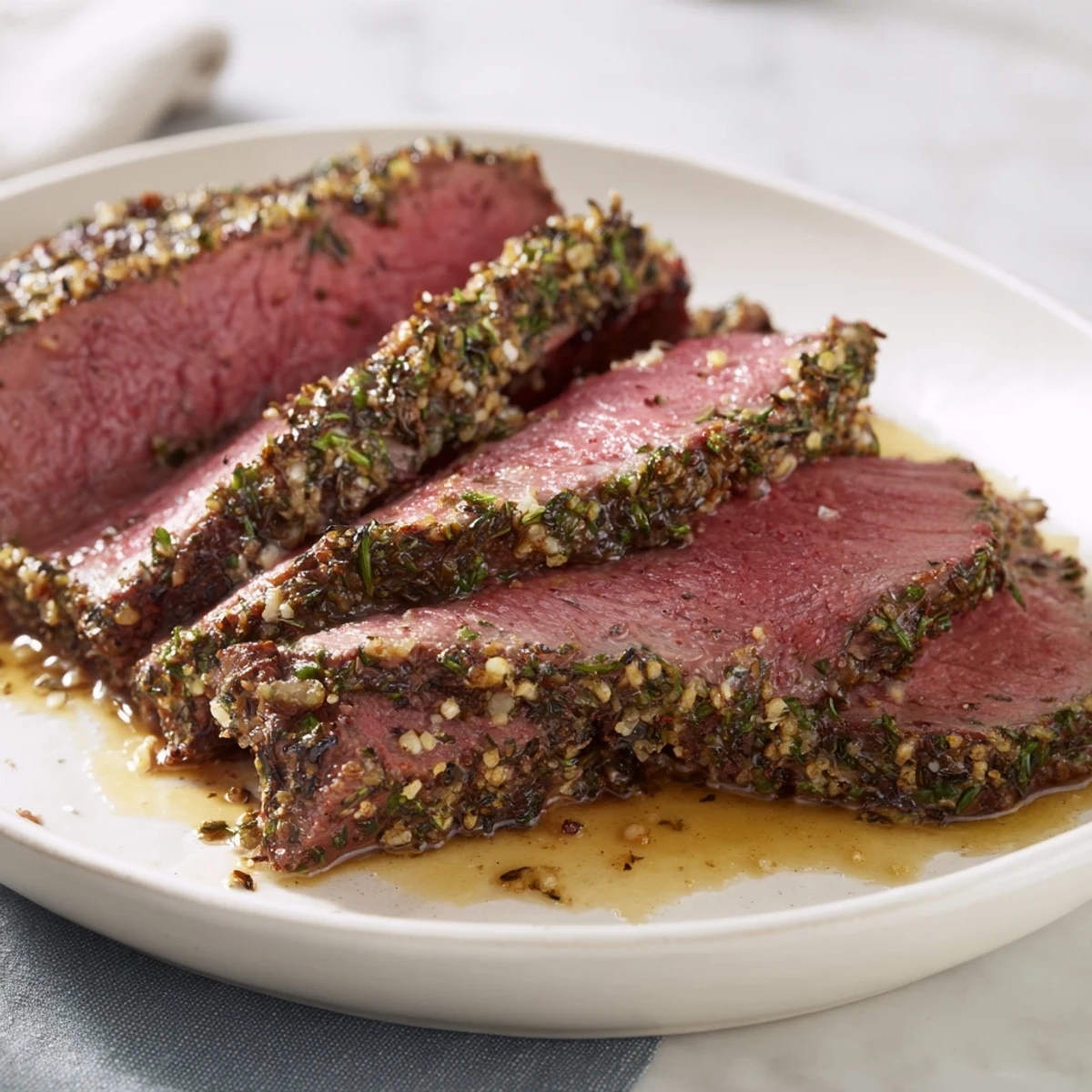
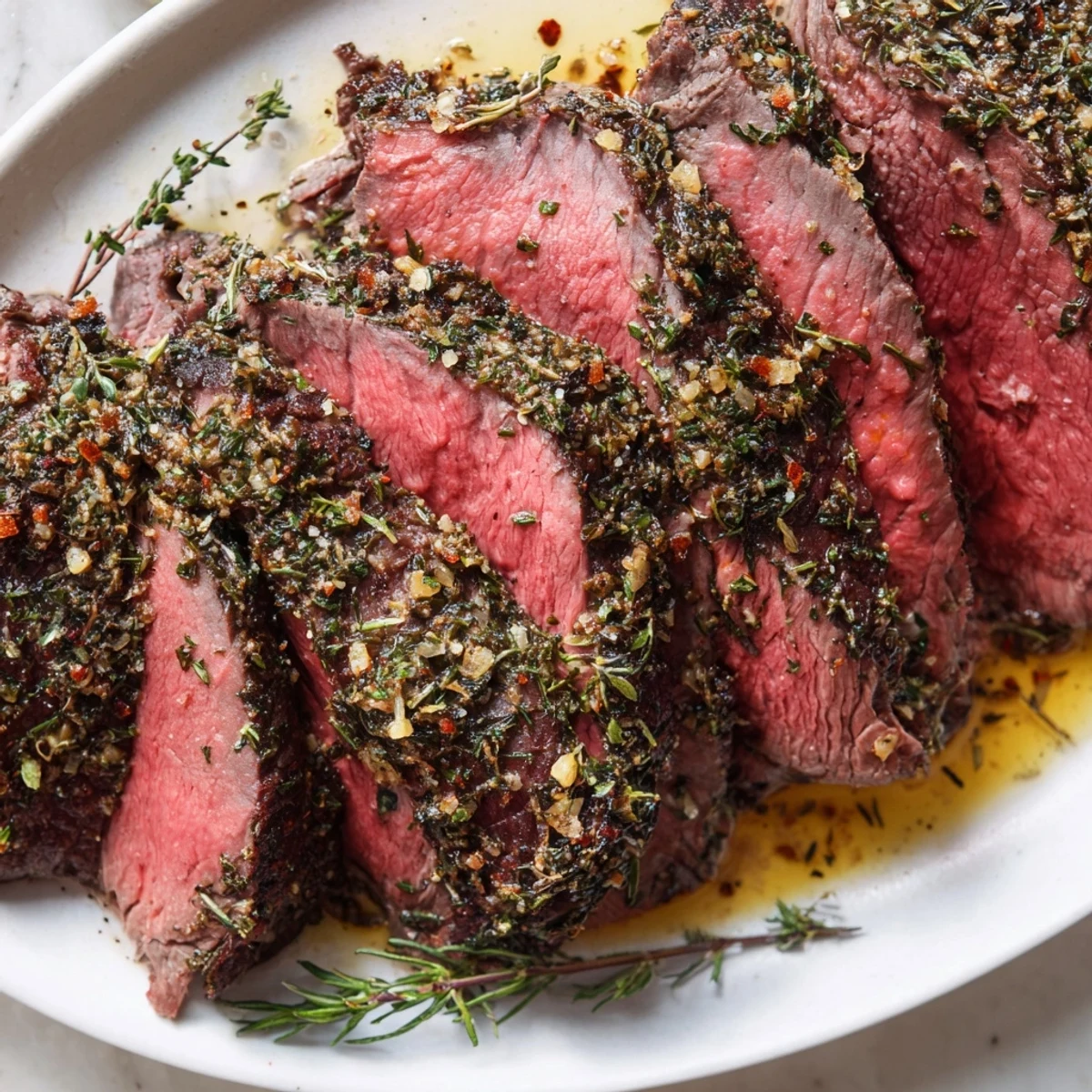
 This roast beef features a fragrant crust made from fresh rosemary, thyme, parsley, and garlic, combined with Dijon mustard and olive oil. The beef is seared to lock in juices before roasting to achieve a tender, medium-rare texture. Resting the meat after roasting ensures flavorful slices, perfect for pairing with pan juices or gravy. This elegant dish offers a savory main course ideal for sharing.
I still remember the first time I roasted beef for my parents' anniversary dinner. I was nervous, standing in the kitchen with a beautiful cut of sirloin, wondering if I could pull it off. My grandmother walked in, and without a word, she showed me how to make a simple herb paste that would transform the meat into something truly special. That evening, when everyone took their first bite and their eyes lit up, I understood why this dish has graced British tables for generations. Now, whenever I make herb-crusted roast beef, I'm transported back to that kitchen moment, and I want to share that same magic with you.
I've made this for dinner parties where guests arrived skeptical about homemade roast beef, only to ask for the recipe before dessert. There's something about the aroma of rosemary, thyme, and garlic hitting a hot pan that signals you're about to create something memorable. Every time I pull that rested roast from the oven and listen to it sizzle as I slice it, I'm reminded that some of the most impressive meals are built on techniques that are actually quite straightforward.
Ingredients
- Beef sirloin or rib roast (1.5 kg/3.3 lbs), trimmed: This is your foundation. I've learned that choosing a well-marbled cut makes all the difference. Ask your butcher for something with good fat distribution because that's where the flavor lives. Bring it to room temperature before cooking, which I know sounds fussy, but it ensures even cooking from edge to center.
- Fresh rosemary (2 tablespoons, finely chopped): Rosemary has this piney, almost resinous quality that becomes deeply savory when it clings to hot beef. Use fresh whenever possible because dried herbs can turn bitter in high heat.
- Fresh thyme (2 tablespoons, finely chopped): Thyme is quieter than rosemary but essential for balance. It adds an earthy sweetness that makes people wonder what your secret ingredient is.
- Fresh parsley (2 tablespoons, finely chopped): Parsley brightens the other herbs without overpowering them. It keeps the crust fresh-tasting rather than heavy.
- Garlic (4 cloves, minced): Mince it fine so it distributes evenly through your herb paste. Large chunks will scorch and turn bitter before the beef finishes cooking.
- Coarse sea salt (2 teaspoons): Sea salt has a different character than table salt. It dissolves slower, which means it seasons more gradually and doesn't make the meat taste over-salted.
- Freshly ground black pepper (1 teaspoon): Grind it yourself right before you make your paste. Pre-ground pepper loses its complexity quickly, and you want that peppery warmth in every bite.
- Dijon mustard (2 tablespoons): This acts like an edible glue, helping the herbs stick to the meat. It also adds a subtle tang that deepens the savory flavors without tasting mustard-forward.
- Olive oil (3 tablespoons total, divided): Two tablespoons goes into your herb paste to create a paste consistency, and one tablespoon sears the beef. Don't skip this step because the searing creates that brown, caramelized crust.
Instructions
- Get organized and preheat:
- Start by setting your oven to 220°C (425°F). This temperature is crucial because you want an aggressive initial heat. While it preheats, gather everything you need. There's nothing worse than being mid-sear and realizing you haven't made your herb paste yet.
- Prepare your beef:
- Pat the roast completely dry with paper towels. This matters more than you might think because moisture prevents browning. Leave it on the counter for 30 minutes so it loses its chill. Cold meat cooks unevenly, and you want that beautiful medium-rare center.
- Make your herb armor:
- In a small bowl, combine your chopped rosemary, thyme, parsley, minced garlic, sea salt, black pepper, Dijon mustard, and 2 tablespoons of olive oil. Stir until you have a thick, rough paste. It should be wet enough to spread but chunky enough to see the herbs. Smell it. This fragrance is what's about to coat your beef.
- Coat with confidence:
- Generously rub the herb paste over every surface of the beef, using your fingers to really work it in. Pay special attention to the sides and ends. You want the herbs visible and pressed into the surface. Your hands will smell incredible.
- Sear for the crust:
- Heat 1 tablespoon of olive oil in a large ovenproof skillet over medium-high heat until it shimmers. Carefully lay the herb-crusted beef into the pan. You'll hear it sizzle. Resist the urge to move it. Let each side develop a deep brown color, about 2-3 minutes per side. Work through all sides methodically. This searing step creates the Maillard reaction, which is the culinary magic that makes roasted beef taste so deeply savory.
- Start in high heat, finish low:
- Transfer the skillet directly into your 220°C oven. After 15 minutes, reduce the temperature to 180°C (350°F). This technique gives you a quick initial searing burst, then a slower, more controlled finish that keeps the beef juicy inside while the crust stays crispy.
- Track the temperature:
- After reducing the heat, check the meat thermometer every 10-15 minutes once you're past the 45-minute mark. You're aiming for 54°C (130°F) for medium-rare. The exact timing depends on your oven, the thickness of your roast, and how your thermometer reads. This is why a good meat thermometer is the most important tool you'll use.
- Rest like you mean it:
- When you hit your target temperature, remove the roast from the oven and tent it loosely with foil. This keeps it warm while the meat fibers relax and reabsorb the juices. This 15-minute rest is non-negotiable. If you slice immediately, all those juices run onto the board instead of staying in your meat.
- Slice and serve:
- Use a sharp knife to slice the beef against the grain into quarter-inch pieces. Arrange on a warm platter and spoon the pan juices over the top. Those browned bits stuck to the pan are liquid gold. Scrape them up or make a quick pan sauce if you'd like.
 Save to Pinterest
 I'll never forget watching my father take his first bite of a herb-crusted roast I made for his birthday. He closed his eyes for a moment, and without saying anything, I knew I'd done it right. That's when I realized this dish isn't just about technique or ingredients. It's about the care you put into timing, temperature, and those small details that no one sees but everyone tastes. It's about showing people they matter through something you've made yourself.
Choosing Your Cut
The difference between a good roast and a memorable one often comes down to the cut you choose. Sirloin is leaner and a bit more forgiving if you're worried about overcooking, while rib roast has more marbling and richness. I've cooked both with great success. Sirloin reaches medium-rare with a slightly firmer texture that some people prefer, while rib stays luxuriously tender. Visit a butcher if you can and ask them what came in that day. They'll talk you through the qualities of each cut and trim it exactly how you need it. A good butcher is worth their weight in gold when you're making something this important.
Building Flavor Layers
The herb paste is where this dish gets its soul. Fresh herbs deliver a brightness that dried ones simply can't match, especially when they're scattered over high heat and become part of the crust. The Dijon mustard is subtle but essential because it acts as a flavor amplifier, making the herbs taste more herbaceous without tasting mustard-forward. The garlic becomes almost sweet when it caramelizes on the outside of the beef. Together, these ingredients create layers of flavor that develop as you eat, from the crispy, aromatic crust to the tender, juicy meat underneath. It's this complexity that makes people ask for your recipe.
Sides That Complete the Picture
Herb-crusted roast beef deserves accompaniments that don't overshadow it but enhance the experience. Roasted potatoes work beautifully because they soak up the pan juices. Yorkshire pudding is traditional because it's rich and starchy and balances the savory beef perfectly. Seasonal vegetables add color and freshness. If you're pouring red wine (and I'd suggest a bold Cabernet Sauvignon or Bordeaux), let it breathe for 30 minutes before serving. The entire meal comes together when each component respects the others without demanding attention.
- Toss roasted potatoes with fleur de sel and fresh thyme to echo the herb crust.
- If making Yorkshire pudding, use the beef pan drippings for extra flavor depth.
- Blanch green vegetables lightly so they stay vibrant and aren't lost next to the roast.
 Save to Pinterest
 Making herb-crusted roast beef teaches you something important about cooking. It's not about perfection or following rules so strictly that you forget to enjoy the process. It's about understanding why each step matters and then trusting yourself to execute it with confidence. Every time you make this, you're carrying forward a tradition of hospitality and care.
Questions & Answers About the Recipe
- → What herbs are used in the crust?
-
Fresh rosemary, thyme, and parsley are combined with garlic, mustard, and olive oil to create the flavorful crust.
- → How should the beef be cooked for best results?
-
Sear the beef on all sides, then roast at high heat initially, followed by a lower temperature to reach medium-rare doneness around 54°C (130°F).
- → Can the roasting time be adjusted?
-
Yes, roasting time can be modified to achieve desired doneness; longer for medium and shorter for rare.
- → What sides complement this main dish?
-
Roasted potatoes, Yorkshire pudding, or seasonal vegetables provide excellent accompaniments.
- → Is this dish gluten-free?
-
Yes, the preparation is gluten-free, but always verify ingredient labels to avoid hidden allergens.