
 Save to Pinterest
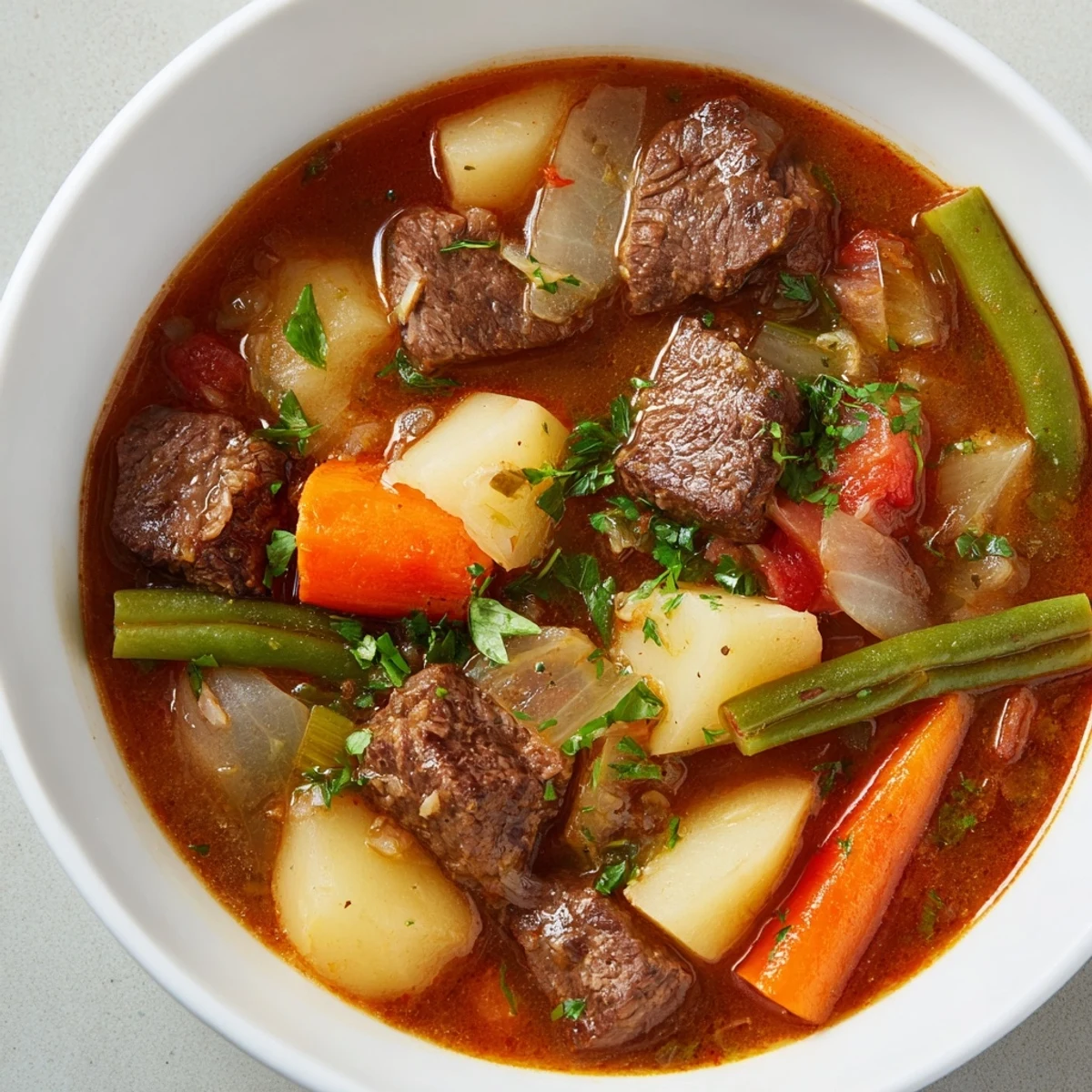
 This hearty beef dish combines tender cubes of seared beef with a medley of root vegetables like carrots, potatoes, and celery, simmered slowly in a rich beef broth enhanced by aromatic herbs such as thyme and oregano. The addition of tomatoes and fresh parsley adds depth and brightness to the warm, comforting flavors. Perfect for chilly days, it offers a satisfying balance of protein and vegetables in every serving.
There was a winter afternoon when my neighbor brought over a pot of beef soup still steaming from her stove, and I watched how quickly my family gathered around bowls of it. She wouldn't share her recipe then, but I spent the next few years chasing that taste—the way the meat dissolved on your tongue, how the vegetables softened into the broth without losing themselves entirely. This is what I learned to make in that time, and it's become the soup I turn to whenever someone needs feeding or I need to feed myself.
I made this soup the first time for a friend going through something difficult, and I remember how she asked for the recipe before she'd even finished her bowl. The moment stuck with me—not because of what I did right, but because food somehow said what I couldn't find the words for. Now whenever I make it, I think about feeding people not just their bodies but their comfort.
Ingredients
- Beef stew meat (700 g or 1.5 lbs, cut into 2 cm cubes): Choose pieces marbled with fat, not lean muscle alone—the fat carries flavor and melts into richness as the soup simmers.
- Carrots (2 medium, peeled and sliced): Carrots add natural sweetness that balances the savory beef and umami from tomatoes.
- Celery stalks (2, sliced): Celery is the quiet backbone of flavor here—it builds depth without announcing itself.
- Potatoes (2 medium, peeled and diced): They thicken the broth slightly and soak up every flavor around them.
- Onion (1 large, diced): The onion caramelizes as it sears, turning sweet and adding color to the pot.
- Garlic (2 cloves, minced): Add it after the onion soften, or it burns and turns bitter.
- Parsnip (1, peeled and sliced, optional): If you find parsnips, include them—they add an earthy sweetness that surprises people.
- Green beans (1 cup, cut into 2 cm pieces): Add these in the last half hour so they stay tender but don't disappear into mush.
- Beef broth (1.5 L or 6 cups): Use good broth if you can; it's where half the flavor lives.
- Canned diced tomatoes (400 g or 14 oz, undrained): The juice matters as much as the tomato pieces—don't pour it away.
- Tomato paste (2 tbsp): Stir it into the pot for a full minute before adding liquid, which deepens its flavor instead of leaving it raw.
- Bay leaves (2): Remove them before serving—they're there to give, not to eat.
- Dried thyme (1 tsp): Thyme feels old-fashioned and right in a soup like this.
- Dried oregano (1 tsp): Oregano adds a slight peppery note that lifts everything else.
- Black pepper (½ tsp): Freshly ground if you have it, but dried works just fine.
- Salt, to taste: Add it gradually as you cook—the broth is already salty, and you can always add more at the end.
- Fresh parsley (2 tbsp, chopped): Stir it in just before serving so it stays bright green and doesn't fade into the background.
Instructions
- Sear the beef:
- Heat your pot over medium-high heat with a drizzle of oil until it shimmers. Working in batches if the beef crowns the pot, lay the cubes in without moving them for a few minutes—you want a dark golden crust, not gray boiled meat. Turn and repeat on all sides, then set the beef aside on a plate.
- Soften the vegetables:
- In the same pot with the browned bits still clinging to the bottom, add the diced onion, minced garlic, sliced carrots, chopped celery, and parsnip if using. Sauté for about 5 minutes, stirring often, until the onion turns translucent and the kitchen smells like a real meal is happening.
- Deepen the tomato flavor:
- Add the tomato paste and stir it through the vegetables for a full minute—this cooking step matters because it removes the raw edge from the paste. If you want extra richness, this is where a splash of red wine can go; let it sizzle away for 30 seconds.
- Build the broth:
- Return the beef to the pot. Pour in the beef broth and the canned tomatoes with their juice, then add the diced potatoes and green beans (unless you want them to stay firmer, in which case add them later). Toss in the bay leaves, thyme, oregano, salt, and black pepper.
- Simmer to tenderness:
- Bring the soup to a boil, then lower the heat to a gentle simmer, cover the pot, and leave it alone for 1.5 to 2 hours. The longer it simmers, the more the beef softens and all the flavors marry together.
- Finish and serve:
- Fish out the bay leaves with a spoon and discard them. Taste the soup and adjust salt and pepper if needed—remember that the broth already carries saltiness. Stir in the fresh parsley right before serving, and ladle it into bowls.
 Save to Pinterest
 My mom once told me that soup is what you make when you want someone to know you're thinking of them, even if you're not there. I didn't understand until I started making this one regularly, and then it clicked—there's something about the time spent, the steam rising, the care folded into each step.
Variations and Swaps
Sweet potatoes instead of regular potatoes bring a natural sweetness that plays differently against the beef. Some people add a small diced apple or a splash of Worcestershire sauce if they want more complexity. Parsnips are optional, but they're worth finding because they add an earthy sweetness most people don't expect from a beef soup.
Serving and Storage
Serve this soup with crusty bread that you can drag through the broth—that's the way it's meant to be eaten. If you're making it ahead, store it in the refrigerator for up to 5 days or freeze it for up to 3 months. The flavors actually improve after a day or two because everything has more time to settle into each other.
Kitchen Notes and Tips
If you want to make this gluten-free, double-check that your broth and canned tomatoes are labeled accordingly—most are, but it's worth verifying. The soup is naturally dairy-free, so it works for almost any dietary need. A wooden spoon is best here because it won't scrape up the browned bits too aggressively, and you want those flavors to stay in the pot.
- If you're short on time, ask the butcher to cut the beef for you instead of doing it yourself.
- Add the green beans in the last 30 minutes if you prefer them to stay firm rather than soft.
- Taste as you go and trust your seasoning instincts—salt levels vary by broth brand.
 Save to Pinterest
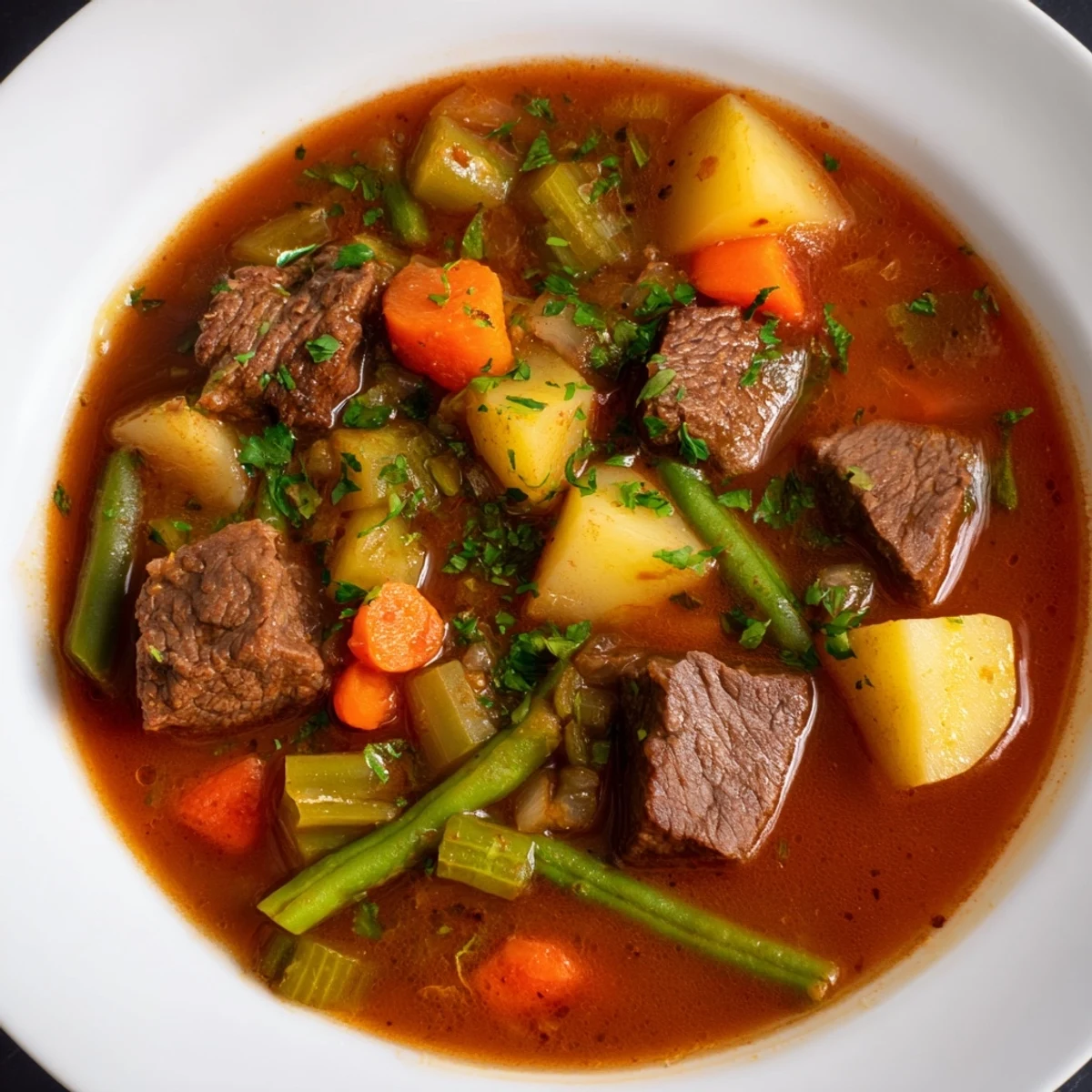
 This soup is the kind of dish that makes a kitchen feel purposeful and warm. Make it when you need to feel grounded or when someone else does.
Questions & Answers About the Recipe
- → What cuts of beef work best for this dish?
-
Beef stew meat cut into 1-inch cubes works well; cuts like chuck are ideal for tender results after slow cooking.
- → Can I substitute any vegetables in this dish?
-
Yes, sweet potatoes can replace regular potatoes, or you can add parsnip for added sweetness and texture.
- → How long should the beef simmer for optimal tenderness?
-
Simmering for 1.5 to 2 hours allows the beef to become tender while melding the flavors of vegetables and herbs.
- → What herbs enhance the flavor of this dish?
-
Dried thyme, oregano, bay leaves, and fresh parsley provide aromatic and balanced notes to the beef and vegetable flavors.
- → Are there suggested additions to deepen the flavor?
-
A splash of red wine added during searing can deepen the flavor profile and enhance richness.