
 Save to Pinterest
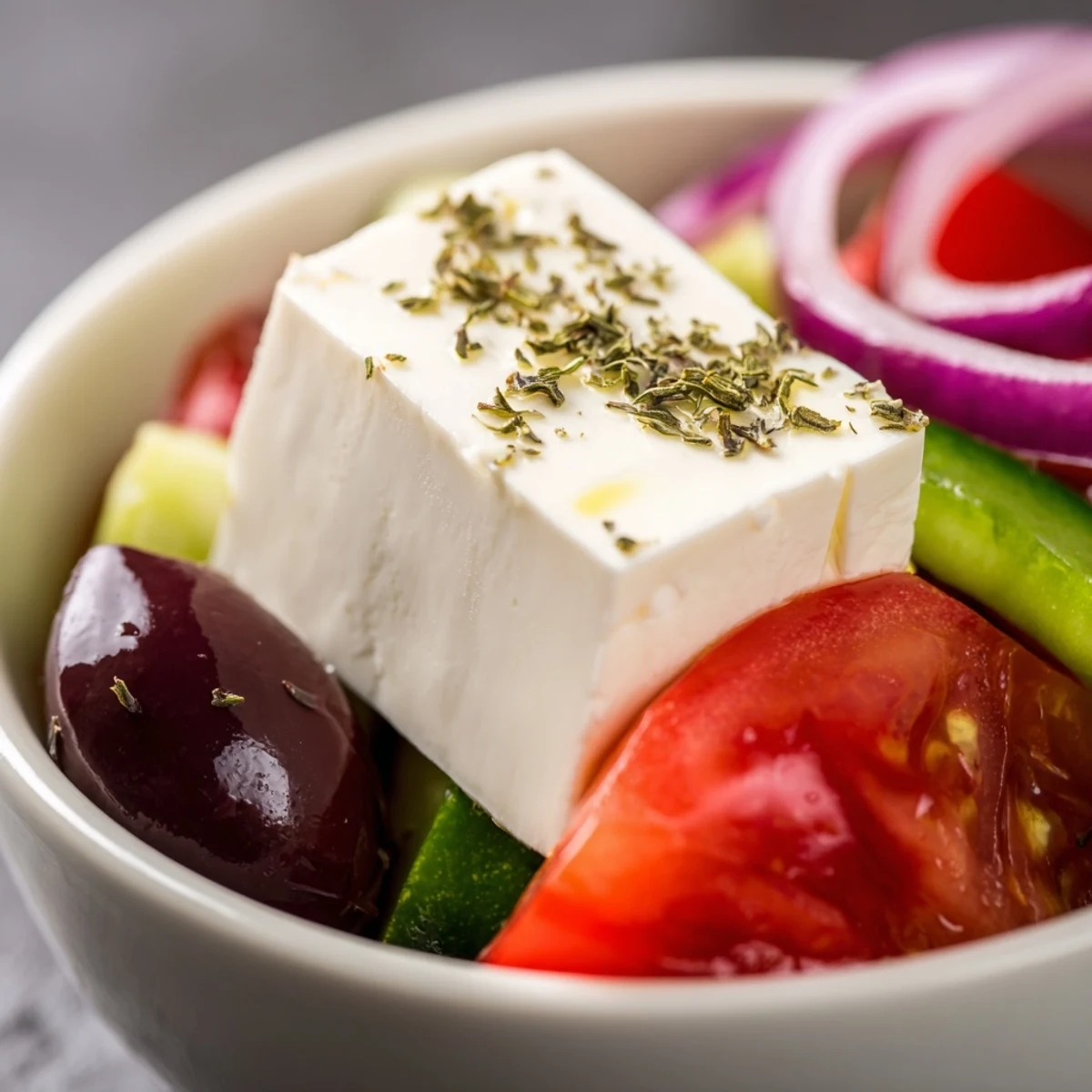
 This vibrant Greek salad blends ripe tomatoes, crisp cucumber, red onion, and green bell pepper to create a refreshing base. It's enhanced by crumbled feta cheese and briny Kalamata olives, all gently tossed in a dressing of extra-virgin olive oil, red wine vinegar, oregano, and black pepper. Garnished with fresh oregano or parsley, this salad offers a bright, tangy, and satisfying flavor perfect for light lunches or a side dish.
There's something about summer mornings in a Mediterranean kitchen that changes how you think about salad. I was visiting my aunt in Athens years ago, and she didn't fuss or measure—she just grabbed what was at the market, tossed it together with a handful of olives and cheese, and suddenly lunch felt like an event. No cooking required, just the sound of the knife on the board and the smell of good olive oil. That's when I understood that this salad isn't about being fancy; it's about letting each ingredient shine exactly as it is.
I made this for a picnic once where I was certain someone would complain about "just salad." Instead, people came back for thirds and asked for the recipe—not because it was complicated, but because the tomatoes tasted like tomatoes, the olives tasted like the sea, and there was an honesty to the whole thing that felt rare. My friend Sarah mentioned later that it reminded her why she loved eating. That's the moment you know you've got something worth making again.
Ingredients
- Ripe tomatoes (2 cups, cut into wedges): Use tomatoes at peak ripeness—they should smell sweet and feel heavy for their size. Wedges keep their shape better than chunks and catch the dressing beautifully.
- Cucumber (1 large, sliced into half-moons): Half-moons are easier to eat with a fork and they cradle the dressing instead of letting it slip off.
- Red onion (1 small, thinly sliced): The sharpness mellows once it sits with the dressing, adding a gentle bite that won't overpower.
- Green bell pepper (1, sliced into rings): Rings add visual interest and a crisp sweetness that balances the salty cheese.
- Feta cheese (150 g, cubed or crumbled): Quality matters here—good feta has a tanginess that transforms everything around it. Cold feta stays firmer if you add it at the last moment.
- Kalamata olives (100 g, pitted and whole or halved): Pitting them yourself means less chance of biting something unexpected, and they taste fresher than pre-pitted versions.
- Extra-virgin olive oil (4 tbsp): This is not the time to use cooking oil—find one you actually enjoy tasting, because it's the foundation of flavor.
- Red wine vinegar (1½ tbsp): The acid brightens everything and keeps the vegetables from feeling heavy.
- Dried oregano (1 tsp): Mediterranean oregano has more complexity than other varieties—taste the difference if you can.
- Black pepper and salt (to taste): Freshly ground pepper matters more than you'd think; pre-ground loses its spark.
Instructions
- Build your base:
- Slice your tomatoes and cucumbers, then pile them into a large bowl with the onion and bell pepper. Don't worry about perfect presentation—this isn't about Instagram. You want everything loose enough to let the dressing reach every piece.
- Add the treasures:
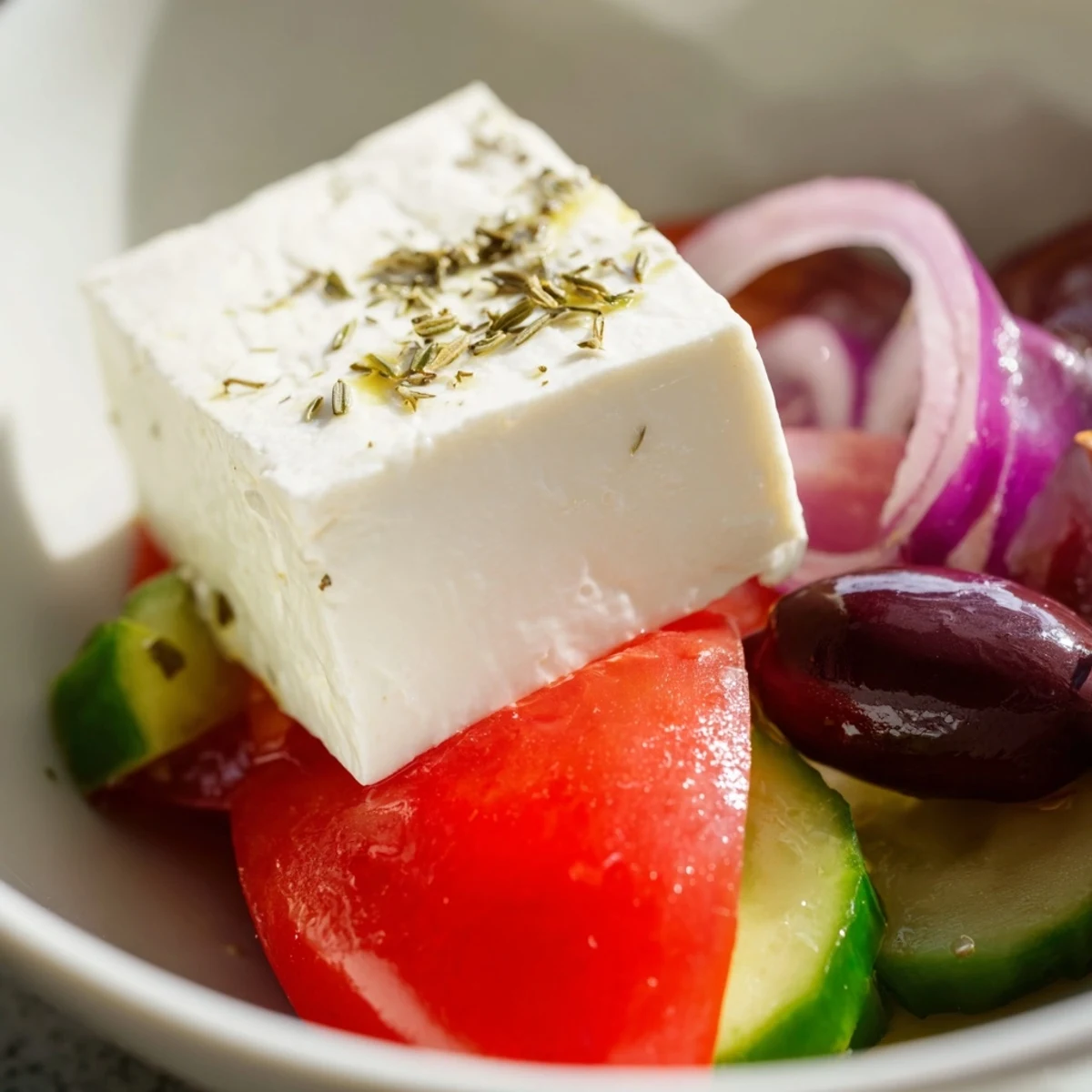
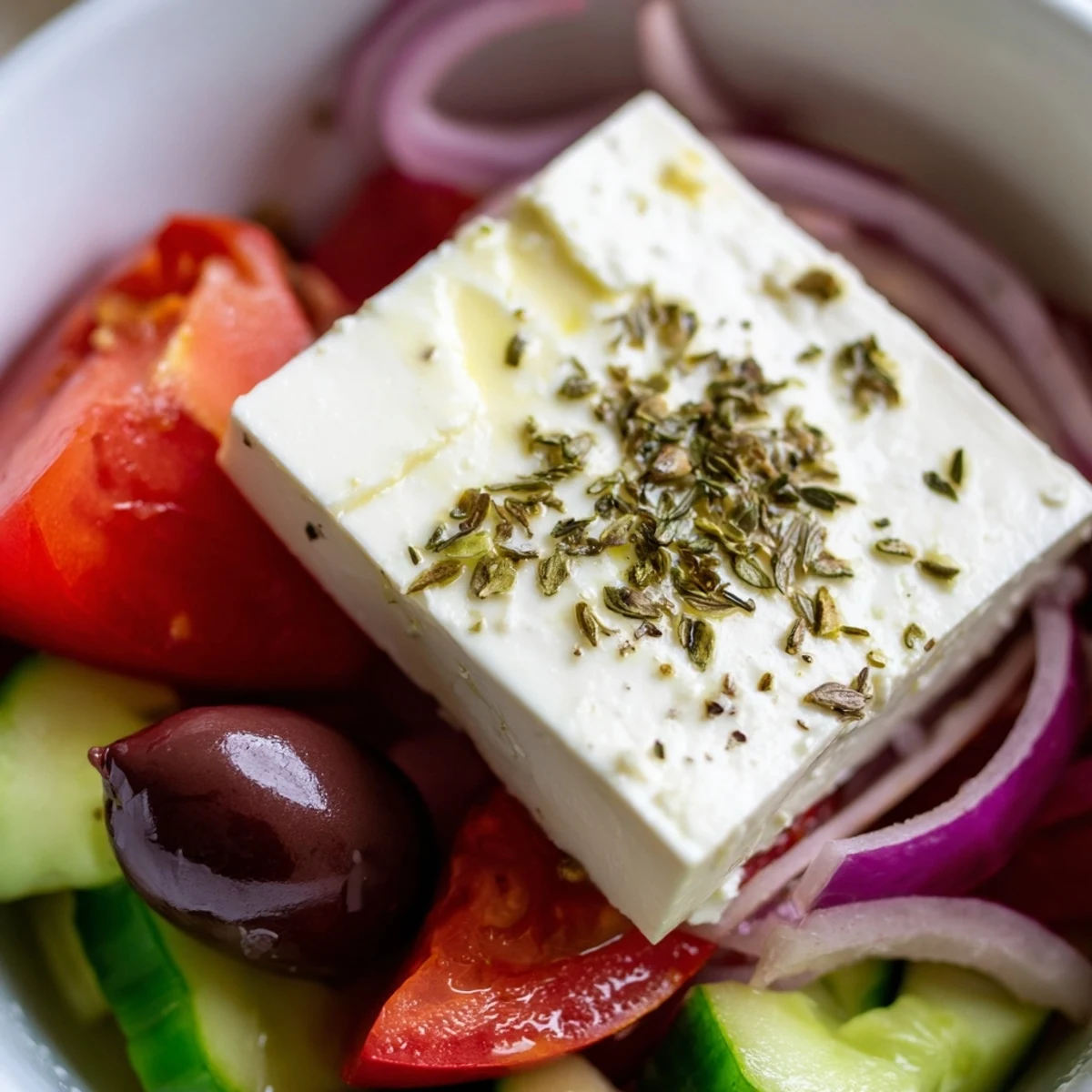
- Scatter the olives across the top like you're placing them on purpose, then crumble or cube the feta so it's visible and won't get lost. If you're using a whole block of feta, place it in the center instead—it looks intentional and tastes luxurious.
- Make the dressing:
- In a small bowl, whisk the olive oil and vinegar together until they start to emulsify slightly. Add the oregano, pepper, and a pinch of salt. This step takes less than a minute but changes everything—the vinegar and oil together coat each vegetable instead of pooling at the bottom.
- Bring it together:
- Pour the dressing over the salad and use gentle hands or salad tongs to toss everything. You want the feta to stay chunky and visible, not dissolved into a dressing. If you're eating right away, toss once. If it's sitting for a bit, toss again before serving.
- Finish and serve:
- Top with fresh oregano or parsley if you have it, and serve immediately while the vegetables still feel crisp. The salad keeps well in the fridge, but it's best eaten within a few hours.
 Save to Pinterest
 My grandfather used to say that Greek salad proved you didn't need to cook to feed people well. He'd sit at the kitchen table with a plate of this, eating slowly, tasting everything separately before mixing it, as if discovering it for the first time. There was something almost meditative about watching him enjoy something so simple. That memory taught me that food doesn't need to be complicated to be memorable.
When to Serve This Salad
This salad is perfect as a light lunch on warm days, a side dish for grilled fish or chicken, or even the main event at a picnic when paired with warm bread. It works equally well as part of a Mediterranean spread with hummus and grilled vegetables, or standing alone on a porch in summer. The simplicity means it adapts to whatever meal you're building around it.
Variations Worth Trying
Once you've made this version, you can twist it in gentle ways. Some people add capers for a sharper note, or substitute yellow bell pepper for a subtle sweetness change. Others scatter fresh herbs like mint or dill, or add chickpeas if they want it to feel more substantial. The skeleton of the recipe stays the same—good vegetables, good feta, good olive oil—and the rest is what you're in the mood for.
What Makes This Different
Greek salad has been made the same way for centuries because there's nothing to improve about it once you start with the right ingredients. It's not about technique or timing or fancy steps. It's about respecting what you're working with and not over-complicating the moment. This approach to cooking—knowing when to stop, when to let things be simple—applies to more than just salad.
- Use a sharp knife so your cuts are clean and the vegetables don't bruise or weep water.
- Taste the dressing before adding it to the salad, and adjust the vinegar or salt to your preference.
- If feta is too salty for you, rinse the cubes briefly under cold water before adding them.
 Save to Pinterest
 This salad reminds us that some of the best meals come from the least effort, and that's a gift. Make it often, share it freely, and watch how something this simple brings people together.
Questions & Answers About the Recipe
- → What is the best way to prepare the vegetables for this salad?
-
Use fresh, ripe tomatoes cut into wedges, slice cucumber into half-moons, thinly slice red onion, and cut green bell pepper into rings for optimal texture and flavor balance.
- → Can I substitute different types of olives?
-
Kalamata olives provide a distinctive briny flavor, but substituting with other black or green olives will offer a milder taste while maintaining the salad’s character.
- → How should the feta cheese be added for best results?
-
Crumbled feta blends well with the salad, but serving a block on top provides an authentic presentation and richer texture.
- → Is there an alternative dressing option for this salad?
-
The dressing combines olive oil, red wine vinegar, oregano, black pepper, and salt; you can adjust the vinegar or add lemon juice for a brighter tang.
- → What garnishes complement this salad?
-
Fresh oregano or parsley leaves add a fragrant touch and enhance the Mediterranean flavors of the salad.