
 Save to Pinterest
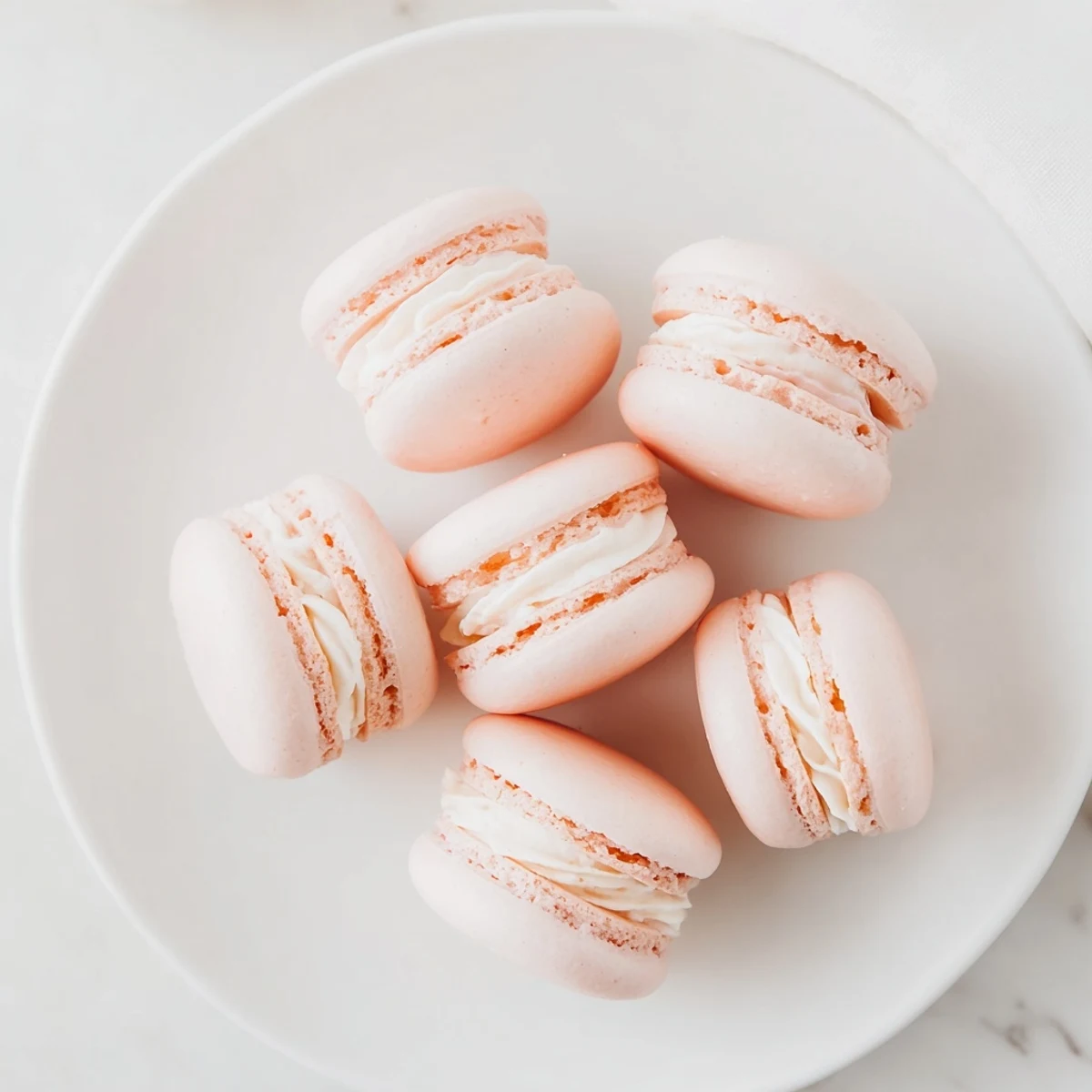
 Craft exquisite French macarons with delicate crisp shells and chewy interiors using this foolproof method. The process involves creating a stable almond meringue, mastering the proper folding technique called macaronage, piping uniform circles, and developing the essential skin before baking.
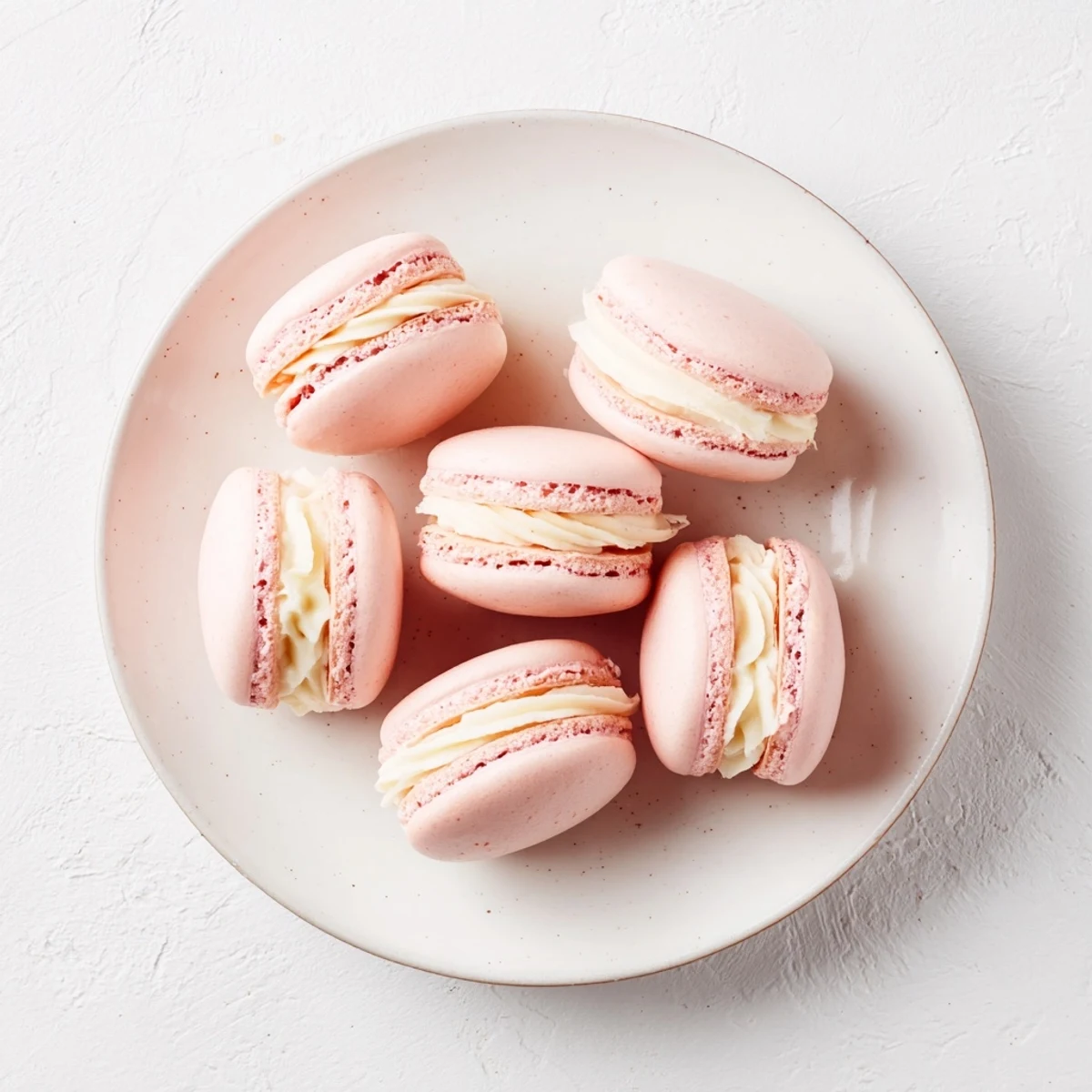
The key to success lies in aged egg whites, precise measurements, and patience during the resting period. The resulting sandwich cookies feature the iconic feet and smooth domed tops that make these French confections so impressive.
Customize with various fillings like buttercream, ganache, or jam. For optimal texture, allow the filled macarons to mature in the refrigerator for 24 hours, bringing them to room temperature before serving.
The first time I attempted French macarons, my kitchen looked like a crime scene of powdered sugar and shattered dreams. Those delicate little cookies with their coveted pieds had seemed so effortless in Parisian bakery windows, yet my first batches emerged from the oven looking like sad, flat puddles. It took three failed attempts and a very patient friend explaining that macarons are 20 percent ingredients and 80 percent patience before something finally clicked. Now, watching those perfect little feet rise in the oven still feels like witnessing tiny, edible miracles.
I made these for my sisters bridal shower, an ambitious undertaking that had me questioning every life choice at 2 AM the night before. Standing in my kitchen surrounded by pastel colored shells and buttercream bowls, I realized the process had become strangely meditative. When her friends took that first bite and eyes went wide, all those hours of tapping baking sheets and checking oven temperatures suddenly felt completely worth it.
Ingredients
- 120 g fine almond flour: The foundation of your macarons and invest in the finest quality you can find because coarse almond particles will make your shells bumpy and sad
- 200 g powdered sugar: Do not substitute with granulated sugar as the fine texture is crucial for smooth shells and proper structure
- 100 g aged egg whites: Separate eggs 24 hours ahead and leave whites at room temperature covered with a towel because aged whites whip up beautifully stable
- 100 g granulated sugar: Added gradually to create that glossy stiff peak meringue that gives macarons their signature lift
- 1/4 tsp cream of tartar: Optional but I never skip it because it stabilizes the meringue and makes failure less likely on humid days
- Gel food coloring: Never use liquid coloring as it will ruin your batter consistency and gel gives those vibrant professional looking colors
- 100 g unsalted butter: Room temperature butter is non negotiable for smooth buttercream that pipes like a dream
- 150 g powdered sugar: For the filling and sift it twice to prevent any lumps in your silky smooth buttercream
- 1 tbsp whole milk: Start with one tablespoon and add more only if needed because too much liquid will make your filling too soft
- 1 tsp pure vanilla extract: Use the real thing because artificial vanilla never tastes quite right in something this delicate
Instructions
- Prepare your workspace:
- Line two baking sheets with parchment paper or silicone mats and fit a piping bag with a round tip because having everything ready before you start means less panic when your batter is ready to pipe.
- Sift your dry ingredients:
- Sift almond flour and powdered sugar together into a large bowl twice because even the smallest lumps will ruin your smooth macaron dreams.
- Whip the meringue:
- In a scrupulously clean bowl beat egg whites until foamy then add cream of tartar and gradually rain in the granulated sugar while beating until you have stiff glossy peaks that stand proudly without collapsing.
- The macaronage fold:
- Fold the dry mixture into your meringue in three gentle additions using a spatula to press and spread the batter until it flows like thick lava and you can draw a figure 8 that holds its shape for just a moment.
- Add color if using:
- Gently fold in gel food coloring now being careful not to overmix because the batter can go from perfect to broken in seconds.
- Pipe perfect rounds:
- Transfer batter to your piping bag holding it vertically and pipe steady 3 to 4 cm circles while imagining you are drawing continuous circles with a pen because hesitating creates wobbly edges.
- The crucial tap:
- Firmly tap the baking sheets on your counter at least three times rotating between taps because this step releases trapped air bubbles that would otherwise crack your beautiful shells.
- Pop remaining bubbles:
- Use a toothpick to gently pop any stubborn visible bubbles on the surface for that professionally smooth top.
- Develop the skin:
- Let shells rest uncovered for 30 to 60 minutes until you can lightly touch one without batter sticking to your finger because this skin is essential for proper foot formation.
- Bake with patience:
- Bake one tray at a time at 150°C for 12 to 15 minutes rotating halfway and resist the urge to open the oven door because sudden temperature changes are the enemy of rising macarons.
- Cool completely:
- Let shells cool completely on the baking sheets because trying to remove them while warm will cause the bottoms to stick or tear.
- Make the buttercream:
- Beat softened butter until creamy then gradually add powdered sugar vanilla salt and one tablespoon of milk beating until fluffy and adding more milk only if needed for pipeable consistency.
- Assemble your creations:
- Pair similar sized shells pipe a dollop of buttercream onto half and gently sandwich with their tops pressing just enough to spread filling to the edges without cracking.
- The waiting game:
- Refrigerate assembled macarons in an airtight container for 24 hours before serving because this resting period is the secret to that perfect chewy interior texture.
 Save to Pinterest
 These cookies have become my go to for bringing joy because something about those delicate pastel shells and creamy centers makes people feel celebrated. Last Christmas I made gift boxes in twelve flavors and watching recipients open them felt like handing out tiny edible jewels wrapped in happiness.
Mastering The Macaronage Technique
The folding process called macaronage is where most macaron dreams die and success is born. I learned to count my folds and stop around 50 to 60 strokes though the exact number varies by batch. The batter should flow slowly from your spatula like molten lava and when you draw a figure 8 it should hold its shape for a moment before melting back into itself. Undermixed batter will create lumpy shells with no feet while overmixed batter spreads into flat featureless puddles.
Temperature And Timing Secrets
Your oven temperature can make or break macarons and I keep an oven thermometer nearby because dial temperatures are notoriously inaccurate. Every oven has hot spots so rotate your baking sheet halfway through baking and bake only one sheet at a time for even heat distribution. The shells are done when they have formed those distinctive feet and wiggle slightly when touched but no longer feel jiggly or wet underneath.
Creative Flavor Variations
Once you have mastered the basic shell the flavor possibilities become endless and exciting. Add sifted cocoa powder to replace some almond flour for chocolate macarons or incorporate freeze dried fruit powder for natural fruity flavors. The filling is another canvas for creativity ranging from dark chocolate ganache to lemon curd to espresso buttercream and each variation opens new doors for beautiful gifts and impressive desserts.
- Add a pinch of citric acid to fruit fillings for that bright professional pastry shop tang
- Experiment with natural food colorings like matcha powder or raspberry powder for sophisticated flavors
- Always pipe extra shells because you will inevitably break or eat some during the assembly process
 Save to Pinterest
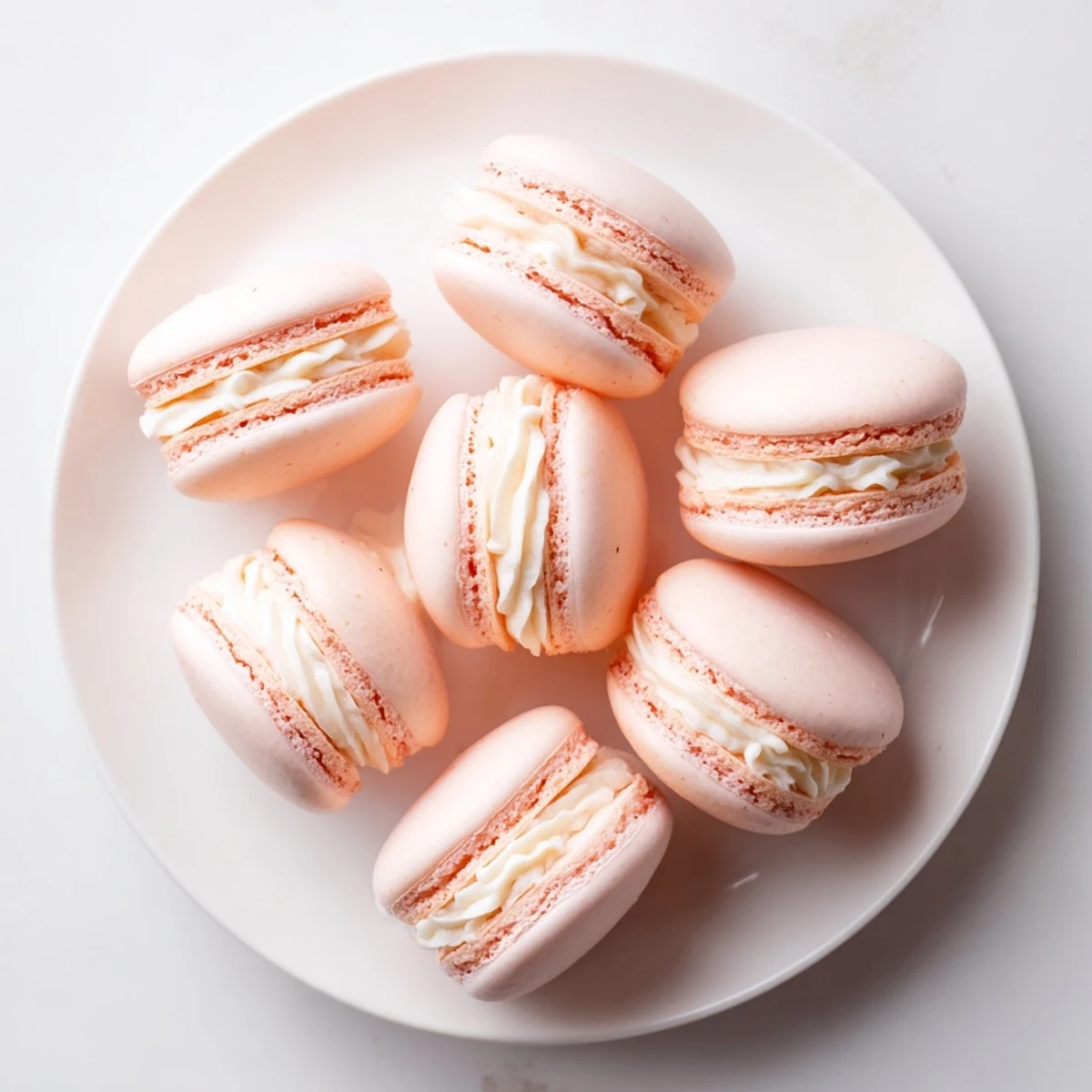
 There is something magical about pulling a tray of perfectly footed macarons from the oven and knowing that you have mastered one of patisserie's most temperamental creations. Happy baking and may your kitchen be filled with more successful shells than broken dreams.
Questions & Answers About the Recipe
- → What causes macarons to crack during baking?
-
Cracking typically occurs when shells haven't developed a proper skin during resting time, the oven temperature is too high, or there's excess air in the batter. Ensure shells rest for 30-60 minutes until dry to touch, and tap the pan firmly to release bubbles before resting.
- → Why do my macarons not have feet?
-
Missing feet can result from under-mixed batter, over-mixed batter, or improper oven temperature. The batter should flow in thick ribbons and hold a figure-8 shape. Also ensure your oven temperature is accurate and bake one sheet at a time for consistent heat distribution.
- → How long should egg whites be aged?
-
Egg whites should be aged at room temperature for 24 hours before making macarons. This aging process reduces moisture content and weakens protein bonds, resulting in more stable meringue with better volume and less risk of collapsing.
- → Can I make macarons on humid days?
-
Macarons are highly sensitive to humidity. Moisture prevents proper skin formation during resting and can cause hollow or cracked shells. Avoid making them on rainy or exceptionally humid days, or use a dehumidifier in your kitchen space.
- → Why is the macaronage technique important?
-
Proper macaronage ensures the perfect batter consistency. Under-mixed batter creates lumpy shells with peaks, while over-mixed batter spreads too flat. The correct batter flows like lava and holds its shape briefly when piped, creating smooth domed tops with proper feet.
- → How should I store finished macarons?
-
Store filled macarons in an airtight container in the refrigerator for up to one week. For best texture, let them mature for 24 hours before serving. They can also be frozen for up to three months. Always bring to room temperature before enjoying for the ideal chewy-crisp texture.