
 Save to Pinterest
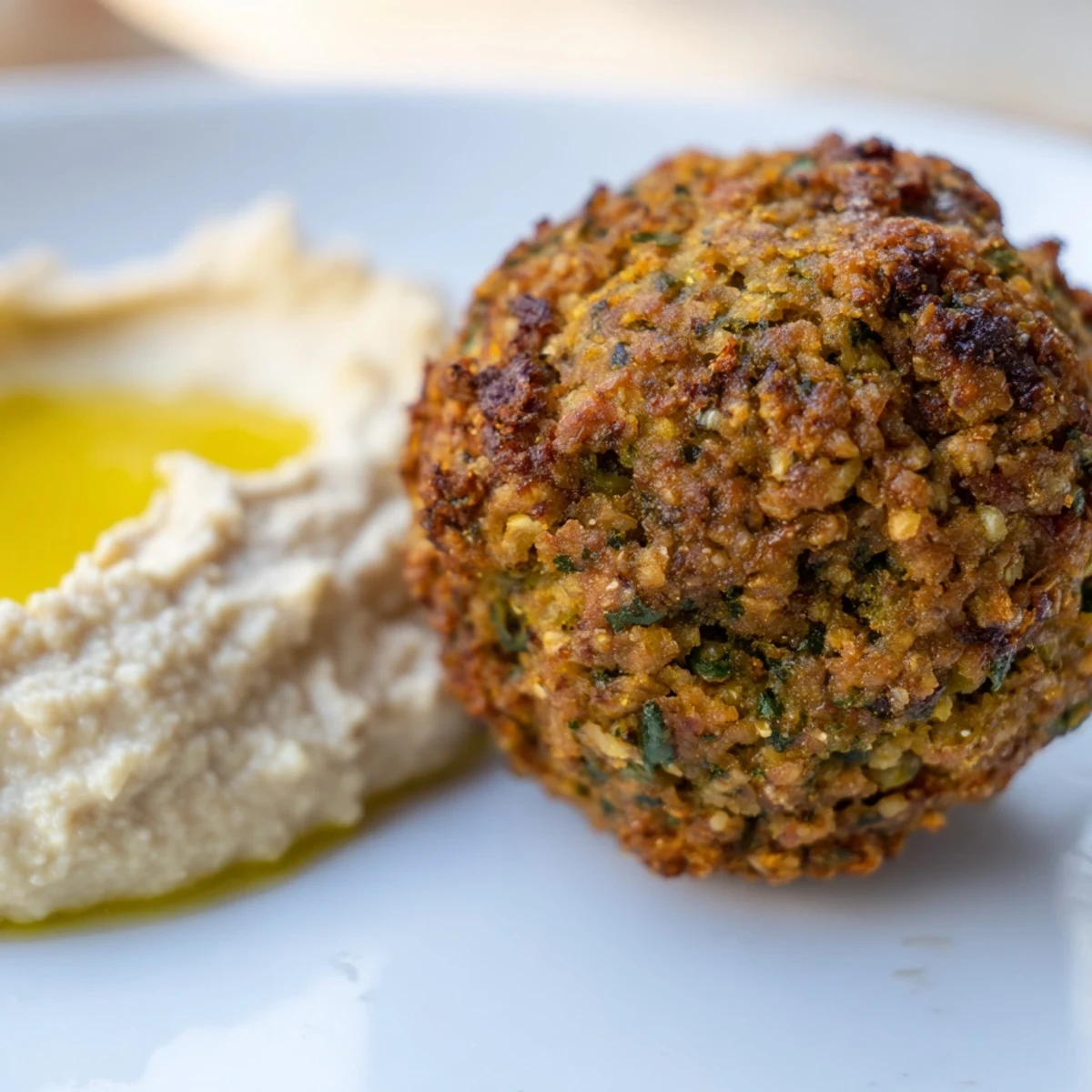
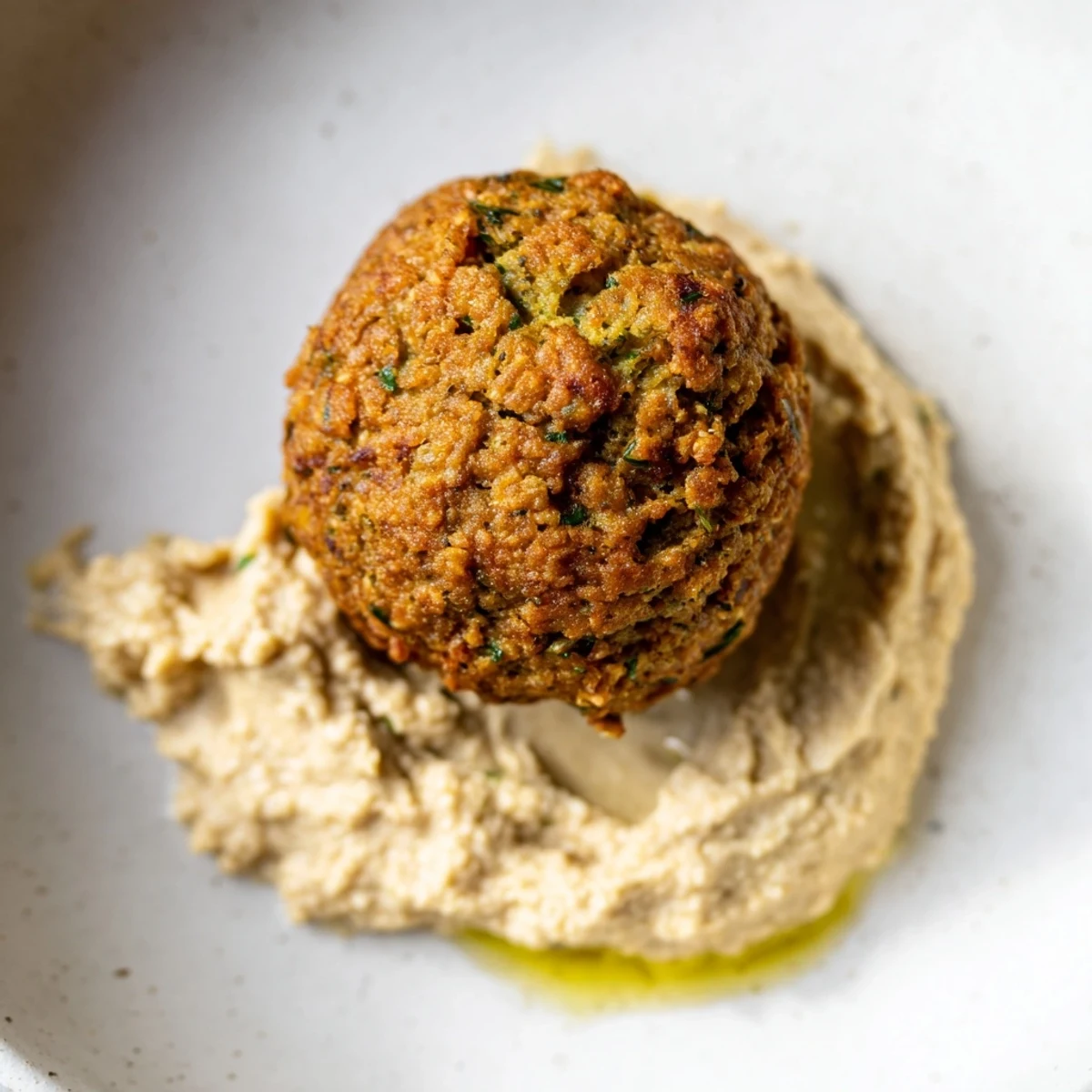
 This dish features golden, crunchy falafel packed with fresh parsley, cilantro, and mint, fried to crisp perfection. Accompanied by smooth, tangy hummus made from chickpeas, tahini, and lemon juice, it offers a balance of textures and flavors. Served with fresh sliced vegetables and warm pita or gluten-free flatbread, it's a satisfying, herbaceous meal with vegan and gluten-free options available. Ideal for sharing or as a colorful main course.
I discovered falafel not in a restaurant, but in my neighbor's kitchen on a Tuesday afternoon when the smell of cumin and fresh herbs stopped me cold at the doorway. She was shaping golden-brown bites by hand, and I realized this wasn't complicated food—it was honest, alive, and made better by how much she genuinely loved feeding people. That moment taught me that the best recipes are the ones that make you want to pull up a chair and stay.
The first time I made this for my partner's family, I was nervous about the deep-frying part, but the moment those first golden balls came out of the oil, steam rising off them in perfect little clouds, I knew I had something worth sharing. We sat around the table for hours, tearing into warm pita, dragging falafel through hummus, and talking about nothing important. That's when food stops being a task and becomes a memory.
Ingredients
- Dried chickpeas (soaked overnight): Using dried chickpeas instead of canned keeps the falafel from falling apart during frying—this one detail makes the difference between crispy and mushy.
- Fresh parsley, cilantro, and mint: Don't skip the herbs or substitute dried ones; the fresh herbs give falafel its character and lightness.
- Cumin and coriander: These warm spices are the soul of the dish, so use whole seeds and grind them yourself if you can.
- Baking powder: Just half a teaspoon helps bind everything while creating that tender crumb inside the crispy shell.
- Chickpea flour: This is your secret weapon for texture; it absorbs moisture without adding any foreign flavor.
- Tahini: In the hummus, this nutty paste is non-negotiable—it's what gives hummus its silky depth.
- Cold water: Always add it slowly to hummus; temperature matters for that perfect, airy consistency.
Instructions
- Pulse the herbs and chickpeas together:
- Combine soaked chickpeas, onion, garlic, and all the herbs in a food processor, then pulse until finely chopped but still with tiny visible pieces—not a paste. This is where many people go wrong by over-processing; if it looks too uniform, stop.
- Build the batter carefully:
- Transfer to a bowl and fold in baking powder and chickpea flour until the mixture holds together. It should feel like slightly damp sand when you squeeze it in your palm, holding for just a moment before falling apart if you relax your grip.
- Shape and rest your falafel:
- Shape into 16–18 walnut-sized balls and refrigerate for at least 30 minutes; this binding time prevents them from breaking apart in the oil. I've learned this the hard way more than once.
- Heat oil to the right temperature:
- Bring oil to 350°F (175°C) in a deep skillet—a thermometer is worth its weight in gold here. Too cold and they absorb oil; too hot and they brown before cooking inside.
- Fry with patience and attention:
- Working in batches so as not to crowd the pan, fry for 3–4 minutes per batch, turning occasionally until deep golden. They'll keep crisping slightly after you pull them out, so don't wait for them to be dark brown in the oil.
- Build silky hummus:
- Blend cooked chickpeas, tahini, lemon juice, olive oil, garlic, and salt until smooth, then slowly add cold water while the motor runs. You want it light and creamy, not thick and dense.
 Save to Pinterest
 There was a moment, maybe ten batches in, when I finally felt like I understood this dish—when my hands knew how tight to pack the mixture, when I could smell the exact moment to turn each ball in the oil, when I could taste the balance between herbs and spice in the hummus. That's when cooking stops being instruction-following and becomes intuition.
The Herb Game—Why It Matters
I used to think of parsley, cilantro, and mint as interchangeable, but with falafel they're the whole point. The parsley adds earthiness, the cilantro brings brightness, and the mint creates this cool undertone that keeps everything from feeling heavy. If you only use one herb or skip the mint because you think it's strange in a savory dish, you're missing what makes this recipe sing. The fragrance that hits you when you open the food processor lid? That's your signal you're on the right track.
The Crispy-Outside, Tender-Inside Truth
The magic of great falafel is in the contrast—that shatter when you bite through the golden crust and the tender, almost fluffy center. This happens because of two things working together: the baking powder creating tiny air pockets, and the brief, hot fry that locks everything in. I've eaten falafel that was dense all the way through, and I've eaten it that fell apart in the dip, but when you get it right, it's the kind of thing people ask for again and again.
How to Serve It Like You Mean It
Arrange everything on a board or platter and let people build their own bites—it feels generous and tastes better when people have control. I always warm the pita bread just before serving, drizzle extra olive oil over the hummus, and place the falafel where steam is still rising off it. The experience matters as much as the flavors.
- If you're making this ahead, form and refrigerate the falafel up to a day early, then fry just before serving for maximum crispness.
- Hummus keeps well for 3–4 days in the fridge, so feel free to make it earlier in the week.
- Leftover falafel can be reheated gently in a 300°F oven for about 8 minutes to restore some crispness, but they're honestly best within an hour of frying.
 Save to Pinterest
 This dish has become my way of saying I care, whether it's a casual lunch or something more deliberate. There's something about falafel and hummus that invites people to linger.
Questions & Answers About the Recipe
- → How can I ensure falafel holds together when frying?
-
Incorporate chickpea flour as a binder and refrigerate the shaped falafel before frying to help maintain their form during cooking.
- → What is the best oil for frying falafel?
-
Use a neutral oil with a high smoke point, such as vegetable or canola oil, heated to around 350°F (175°C) for crispy results.
- → How can I make the hummus creamier?
-
Add cold water gradually during blending to achieve a smooth and light texture without thinning the flavor.
- → Are there alternatives to frying for a healthier option?
-
Yes, falafel can be baked brushed with oil at 400°F (200°C) for 20-25 minutes, turning halfway for a lighter version.
- → Can the dish accommodate gluten-free diets?
-
Use certified gluten-free chickpea flour and serve with gluten-free flatbread or pita to keep it gluten-free.