
 Save to Pinterest
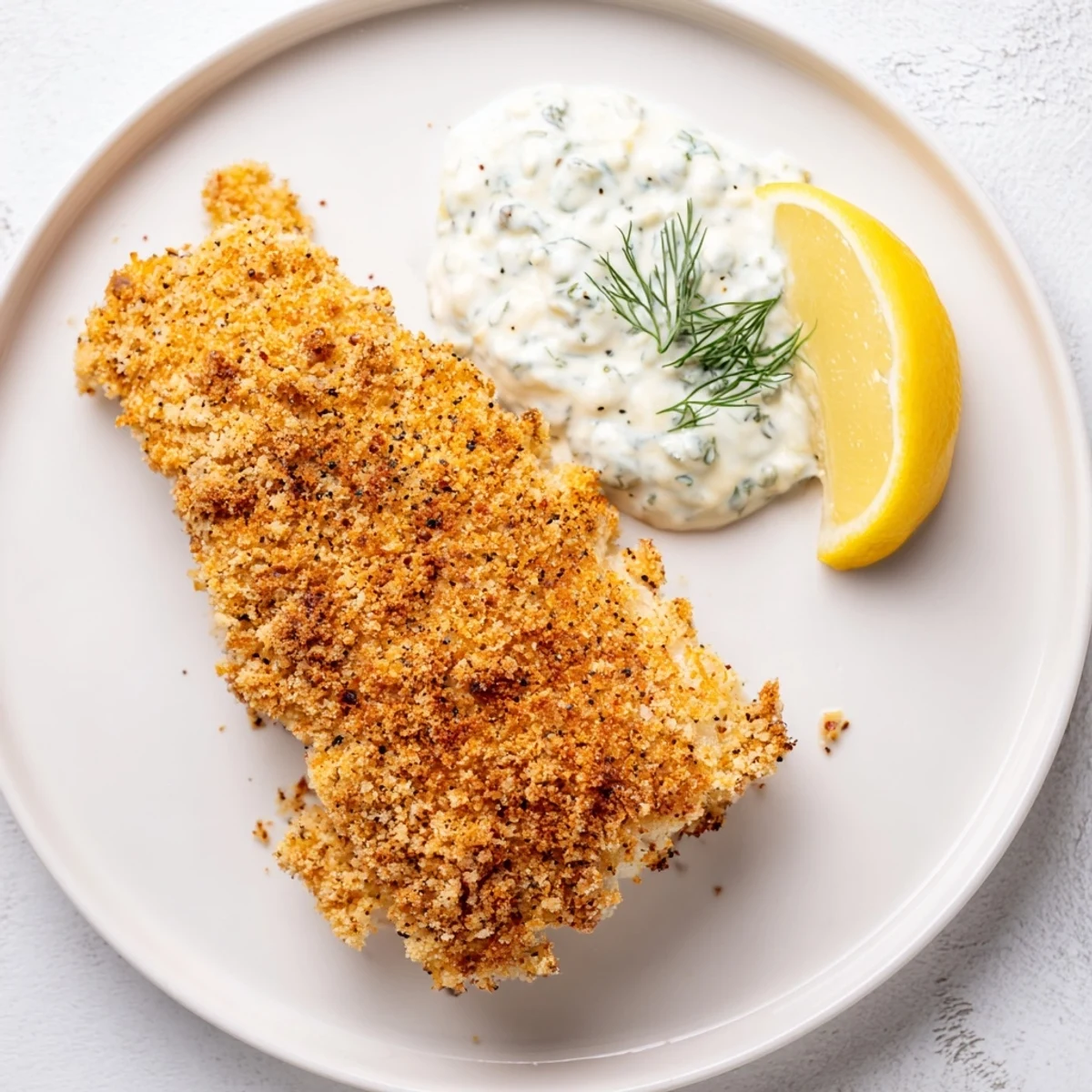
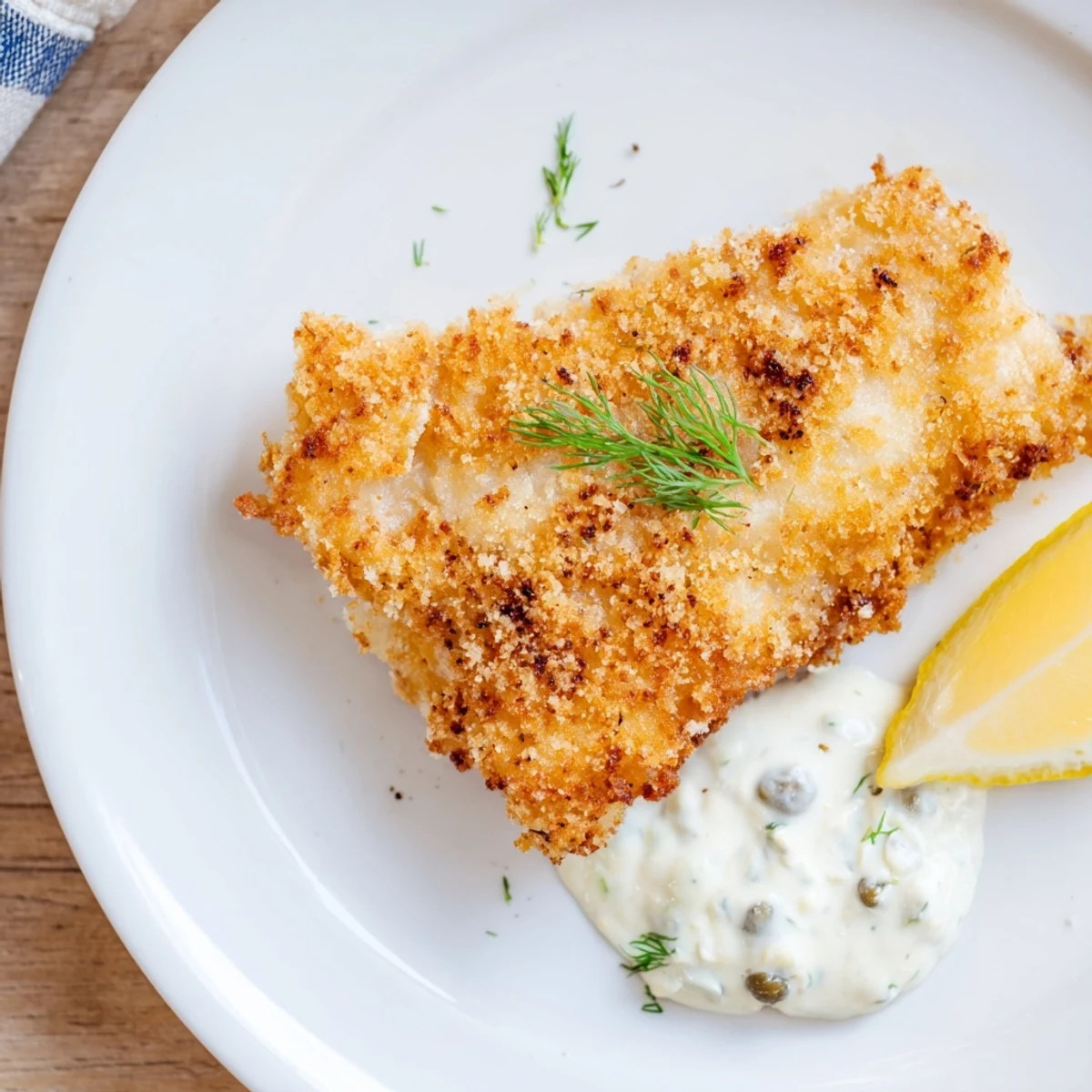
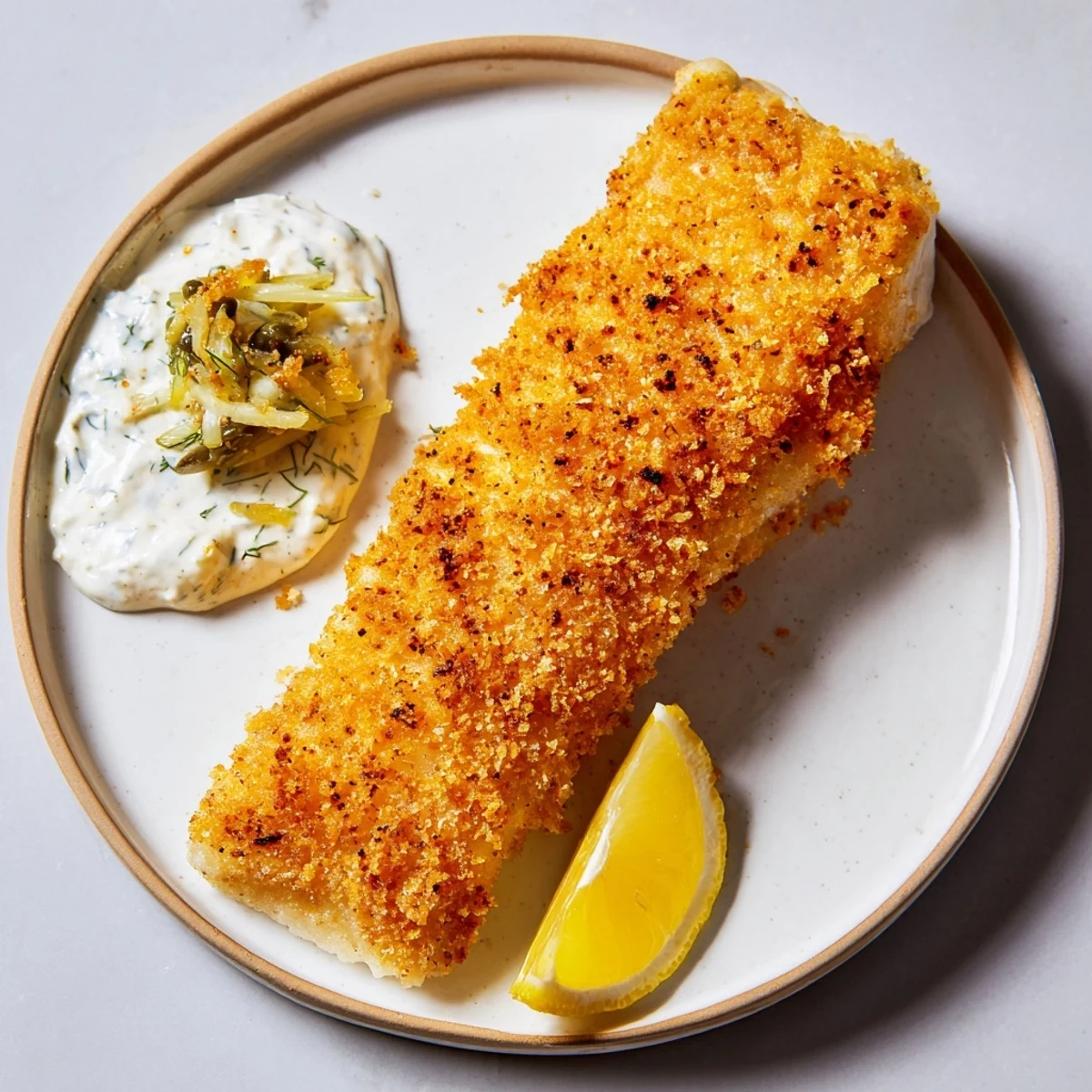
 Enjoy golden, crunchy cod fillets with a crisp coating perfectly seasoned with salt, pepper, and paprika. These are pan-fried to a golden brown in hot vegetable oil for a delightful texture. Accompany the cod with a tangy tartar sauce made from mayonnaise, chopped pickles, capers, lemon juice, Dijon mustard, and fresh dill for added brightness. Serve hot with lemon wedges and traditional sides like fries or mushy peas for a satisfying British-inspired dish.
For extra crunch, double-coat the fillets by dipping them twice in egg and breadcrumbs. The balance of crunchy fish and zesty sauce lends a classic, comforting experience ideal for pescatarian diets. Substitute cod with similar white fish like haddock or pollock if preferred.
I still remember the first time I made proper fish and chips at home—it was a rainy Friday evening, and I'd just discovered that achieving that perfect golden crust didn't require a deep fryer or years of culinary school. My grandmother had always made crispy fried cod, but I thought her technique was some kind of kitchen magic I could never replicate. Turns out, it was just patience, the right temperature, and understanding that patting your fish dry is half the battle. Now, whenever I coat those fillets in breadcrumbs and hear that satisfying sizzle, I'm transported back to her kitchen, apron and all.
I served this dish to my partner during our first year together, trying to impress with something British and comforting. He'd mentioned loving fish and chips from a seaside shop in Cornwall, and I wanted to recreate that memory for him. When he took that first bite and closed his eyes, I knew the triple-drying-with-paper-towels technique had paid off. Now it's become our casual Friday tradition, and the kitchen fills with that unmistakable aroma that somehow makes everything feel celebratory.
Ingredients
- Cod fillets (4, about 150 g each): Fresh, skinless, and boneless cod is the foundation here—it has a delicate, flaky texture that transforms into something almost magical when fried. Ask your fishmonger to make sure they're of even thickness so they cook uniformly. If your fillets are particularly thick, you can gently flatten them with the side of a knife.
- All-purpose flour (1 cup / 125 g): This is your first layer of protection, creating a seal that helps the egg adhere properly. Don't skip this step or your breadcrumbs will slide right off.
- Eggs (2 large, beaten): The binding agent that makes everything stick together. Beat them with a fork until completely uniform—this small detail makes a real difference in coating evenness.
- Panko breadcrumbs (1 cup / 120 g): Panko has larger, fluffier granules that create superior crunch compared to regular breadcrumbs. This is worth seeking out specifically.
- Plain breadcrumbs (1 cup / 120 g): Mixed with the panko, these add texture and help the coating adhere more securely. The combination of both types is the secret to that restaurant-quality crust.
- Salt, black pepper, and paprika (1 tsp, ½ tsp, ½ tsp): Seasoning directly on the fish before breading ensures flavor in every bite, not just on the surface. Paprika adds a gentle warmth and color that makes the fillets look professionally done.
- Vegetable oil (for frying): Use an oil with a high smoke point—vegetable, canola, or peanut oil work beautifully. You'll need about 1 inch in your skillet, and it must reach the right temperature for proper crisping without greasiness.
- Lemon wedges (to serve): Fresh lemon brightens the richness of the fried coating and brings the delicate fish flavor to the forefront. Never skip this final squeeze.
- Mayonnaise (½ cup / 120 g): For the tartar sauce, use a good-quality mayo—it's the base, so it matters. Homemade is even better if you have time.
- Pickles or cornichons (2 tbsp, finely chopped): These provide that essential acidic tang. Cornichons are smaller and more delicate, but either works. Chop them fine so every spoonful has pickle flavor.
- Capers (1 tbsp, drained and chopped): Briny little flavor bombs that elevate tartar sauce from good to unforgettable. Draining them removes excess salt so you can control seasoning.
- Fresh lemon juice (1 tbsp): Freshly squeezed, not bottled, makes an enormous difference in the sauce's brightness.
- Fresh dill (1 tbsp, chopped, optional): If you can find it, fresh dill adds a subtle herbaceous note that makes the sauce feel special. Dried dill loses its magic here, so truly make it optional.
- Dijon mustard (1 tsp): A small amount of good Dijon adds depth and complexity without overpowering the sauce.
- Salt and pepper (to taste): Always season the sauce last, as the pickles and capers are already salty.
Instructions
- Prepare your fish:
- Take your cod fillets and pat them completely dry with paper towels—and I mean really dry. Moisture is the enemy of crispy coatings. Feel for any remaining bones by running your fingertips along the thickest part of the fillet. Season both sides generously with salt, pepper, and a whisper of paprika. Let them sit for just a minute while you set up your coating station.
- Create your breading assembly line:
- Arrange three shallow bowls in a row: the first with flour, the second with your beaten eggs, and the third with the breadcrumb mixture. This tactile setup is important—you'll move from left to right like you're in a proper kitchen. The order matters because flour helps the egg stick, and egg helps the breadcrumbs adhere.
- Coat each fillet with intention:
- Take a cod fillet and dredge it completely in flour, making sure every surface is covered but shaking off excess so you're left with a thin, even coating. Dip it into the beaten egg, turning it slowly so it's fully submerged and coated. Now place it directly into the breadcrumb mixture and press gently so the crumbs stick to the egg. Turn it over and coat the other side thoroughly, pressing again. The key is gentle pressure—you're not mashing, just encouraging the breadcrumbs to grip the egg layer. Place it on a clean plate and repeat with the remaining fillets.
- Heat your oil to perfect:
- Pour about 1 inch of vegetable oil into your large skillet and place it over medium-high heat. Let it heat for about 3 minutes. You're looking for around 350°F (175°C). If you don't have a thermometer, use the wooden spoon test: dip the handle of a wooden spoon into the oil, and if tiny bubbles immediately surround it, you're ready. The oil shouldn't smoke—that means it's too hot and will burn your coating before the fish cooks through.
- Fry in mindful batches:
- Place two fillets into the hot oil—don't crowd the pan, as this drops the oil temperature and leads to greasy results. Listen for that satisfying sizzle. Fry for about 3 to 4 minutes on the first side without moving them around. You want to let them develop that golden-brown crust. Flip carefully with tongs, being gentle so you don't knock the coating loose. Fry the other side for another 3 to 4 minutes until it's equally golden and the fish flakes easily when pressed gently. Transfer immediately to a paper towel-lined plate. Repeat with the remaining fillets, letting the oil return to temperature between batches.
- Make your tartar sauce:
- While the fish rests, combine the mayonnaise, finely chopped pickles, chopped capers, fresh lemon juice, dill if using, and Dijon mustard in a small bowl. Stir gently until everything is evenly distributed. Taste and add salt and pepper to taste, remembering that pickles and capers are already salty. You want the sauce to be tangy but balanced.
- Bring it all together:
- Transfer the crispy cod fillets to a warm serving plate. Serve immediately while the coating is still crunchy, alongside generous dollops of tartar sauce and fresh lemon wedges. The contrast of the hot, crispy fish with the cool, tangy sauce is when this dish truly comes alive.
 Save to Pinterest
 My favorite memory attached to this dish is when my youngest nephew tried it for the first time and declared it better than the fish and chips from the shop down the street. His grandmother beamed with pride, and suddenly I understood why my own grandmother had spent so much time perfecting her technique. It's not really about the fish—it's about feeding people something that makes them close their eyes and smile.
Why This Recipe Delivers Every Time
What makes this approach different from other fried fish recipes is the respect it pays to each component. The double-breadcrumb system creates layers of texture, the careful temperature control ensures the fish stays moist inside while crisping outside, and the tartar sauce is made fresh so it hasn't oxidized or separated. This isn't complicated cooking—it's simply doing each step with attention and care. When you serve this, people will taste the difference immediately.
Sides That Complete the Picture
Crispy fried cod is incredibly versatile in what it pairs with. Traditionally, thick-cut chips with malt vinegar are the companion, but thick-cut hand-made fries are magical too. A proper coleslaw made with a light dressing cuts through the richness beautifully. Mushy peas—that British classic of blended marrowfat peas with butter and seasoning—adds earthiness and tradition. Even a simple green salad with a bright vinaigrette works when you want something lighter.
Making This Meal Your Own
While cod is traditional and delivers exceptional flavor, this technique works beautifully with other white fish. Haddock has a slightly sweeter, more delicate flavor and stays incredibly tender. Pollock is more robust and stands up well to aggressive seasoning. Even sole or halibut work, though you'll want to adjust cooking time based on thickness. The real magic is in the breading technique and oil temperature, not the specific fish you choose.
- If you want extra crunch, double-coat by repeating the egg and breadcrumb steps for a thicker, more substantial crust that shatters audibly when you bite into it
- For a lighter version, you can bake these at 400°F (200°C) for about 15 minutes, though you'll sacrifice some of that signature crispness
- Make the tartar sauce up to a day ahead and store it in the refrigerator—the flavors actually meld and deepen over time
 Save to Pinterest
 There's something profoundly satisfying about mastering a dish that feels both simple and impressive. This crispy fried cod with tartar sauce is comfort food elevated, proof that you don't need complicated techniques to create something truly memorable.
Questions & Answers About the Recipe
- → How can I achieve extra crunch on the cod fillets?
-
Double-coat the fillets by repeating the egg dip and breadcrumb coating steps before frying for an extra crispy crust.
- → What oil is best for frying the cod?
-
Use vegetable oil heated to about 350°F (175°C) for frying, which provides a neutral flavor and good frying temperature.
- → Can I substitute the cod with other fish types?
-
Yes, similar white fish like haddock or pollock work well as substitutes for cod in this preparation.
- → How should I store leftover tartar sauce?
-
Keep tartar sauce refrigerated in an airtight container and use within a few days for best freshness.
- → What side dishes pair well with this cod and tartar sauce?
-
Classic sides like fries, coleslaw, or mushy peas complement the crispy cod and tangy sauce beautifully.