
 Save to Pinterest
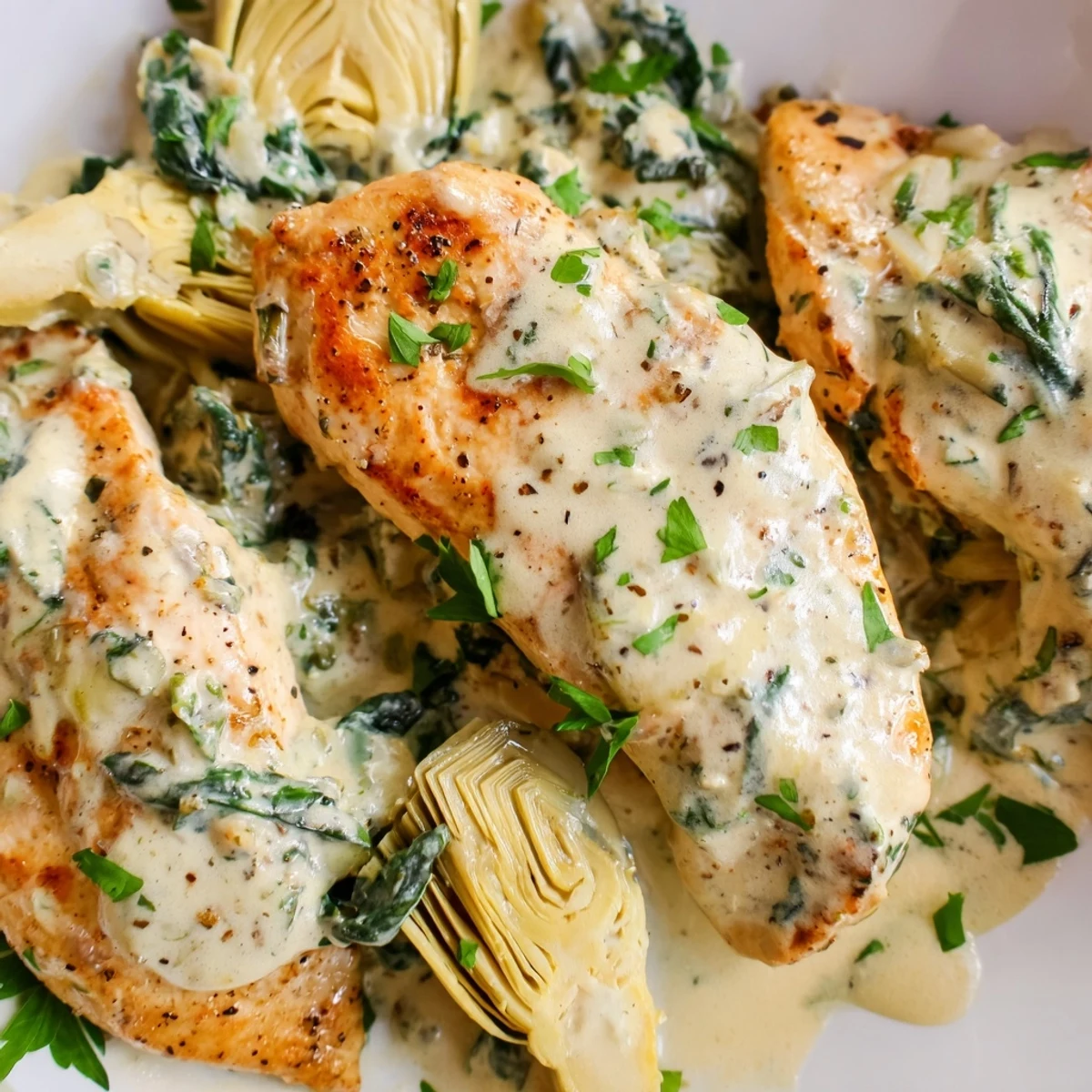
 This comforting skillet combines tender chicken breasts with fresh spinach and artichoke hearts simmered in a luscious, creamy sauce. Garlic, Parmesan, and Italian herbs deepen the dish's flavor while Dijon mustard adds a subtle tang. The one-pan approach makes preparation simple, ideal for weeknight meals. A touch of fresh parsley finishes the dish with vibrant color and aroma, offering a satisfying balance of textures and rich taste.
There's something about the smell of garlic hitting butter that stops me mid-conversation every time. One rainy Tuesday, I was trying to pull together dinner with whatever was lurking in the fridge, and somehow spinach, artichokes, and chicken breasts turned into this creamy, restaurant-quality skillet that had my family asking for seconds before I'd even sat down. It became the dish I make when I want to feel like I've done something special without actually spending hours in the kitchen.
I served this to my sister the week she moved into her first apartment, and she showed up with a stress headache and nothing in her kitchen except a skillet and hope. Watching her face when that creamy sauce came together—like she'd just discovered she could actually cook—made the whole thing feel worth it. Now she makes it every time she wants to impress someone without admitting how easy it really is.
Ingredients
- Boneless, skinless chicken breasts (4, about 1.5 lbs): Make sure they're roughly the same thickness so they cook evenly—I learned this the hard way after serving one overcooked piece and one still slightly pink.
- Salt and black pepper: Season generously on both sides; this is your only chance to season the chicken itself.
- Olive oil (1 tablespoon): Medium heat works better than cranking it up—you want a golden sear, not a crust that locks in dryness.
- Fresh spinach (3 cups, roughly chopped): It will shrink dramatically when it hits the heat, so don't be shy about the volume.
- Canned artichoke hearts (1 can, 14 oz, drained and quartered): Draining them well keeps the sauce from becoming watery.
- Unsalted butter (2 tablespoons): Unsalted lets you control the salt level in the final dish.
- Garlic (3 cloves, minced): Fresh garlic makes all the difference; jarred garlic tastes flat by comparison.
- Heavy cream (1 cup): This is what makes the sauce silky; don't skip it or substitute with milk unless you enjoy eating regret.
- Low-sodium chicken broth (1/2 cup): This lightens the cream and keeps the flavor balanced instead of overwhelming.
- Grated Parmesan cheese (1/2 cup): Freshly grated tastes better than pre-shredded, which coats itself in anti-caking powder.
- Dijon mustard (1 teaspoon): It adds a subtle tang that rounds out the richness without being noticeable.
- Dried Italian herbs (1/2 teaspoon): Use the dried version; fresh herbs brown too quickly in the sauce.
- Fresh parsley (2 tablespoons, chopped): This is your finishing flourish—it adds color and a hint of brightness.
Instructions
- Prep your chicken:
- Pat the chicken breasts dry with paper towels—this step sounds tedious but it's the difference between golden skin and pale, steamed chicken. Season both sides generously with salt and pepper and let them sit for a minute so the seasoning actually sticks.
- Sear the chicken:
- Get your skillet hot with the olive oil over medium-high heat. You'll know it's ready when a drop of water sizzles and bounces. Lay the chicken in and don't move it—let it develop that golden-brown crust for 4-5 minutes before flipping. The second side usually takes about the same time, maybe a minute less.
- Build the sauce foundation:
- Remove the chicken and reduce heat to medium. Add the butter and let it melt, then add your minced garlic. The moment it smells incredible—about 1 minute—you're done. Over-cooking garlic turns it bitter and harsh.
- Create the creamy base:
- Stir in the heavy cream, chicken broth, Parmesan, Dijon mustard, and Italian herbs all together. Keep stirring for 2-3 minutes; you'll notice the sauce slightly thickens as the Parmesan melts and the flavors meld. Taste it now—this is when you adjust salt and pepper if needed.
- Add the vegetables:
- Toss in your spinach and artichoke hearts. The spinach will look like too much until you stir it, then it softens down into tender ribbons. After 2-3 minutes, the greens should be wilted and the artichokes warmed through.
- Simmer the chicken through:
- Nestle the seared chicken back into the sauce, spooning some over the top. Cover the skillet, lower the heat to low, and let it sit for 8-10 minutes. The internal temperature should hit 165°F when you check with a meat thermometer in the thickest part.
- Finish and serve:
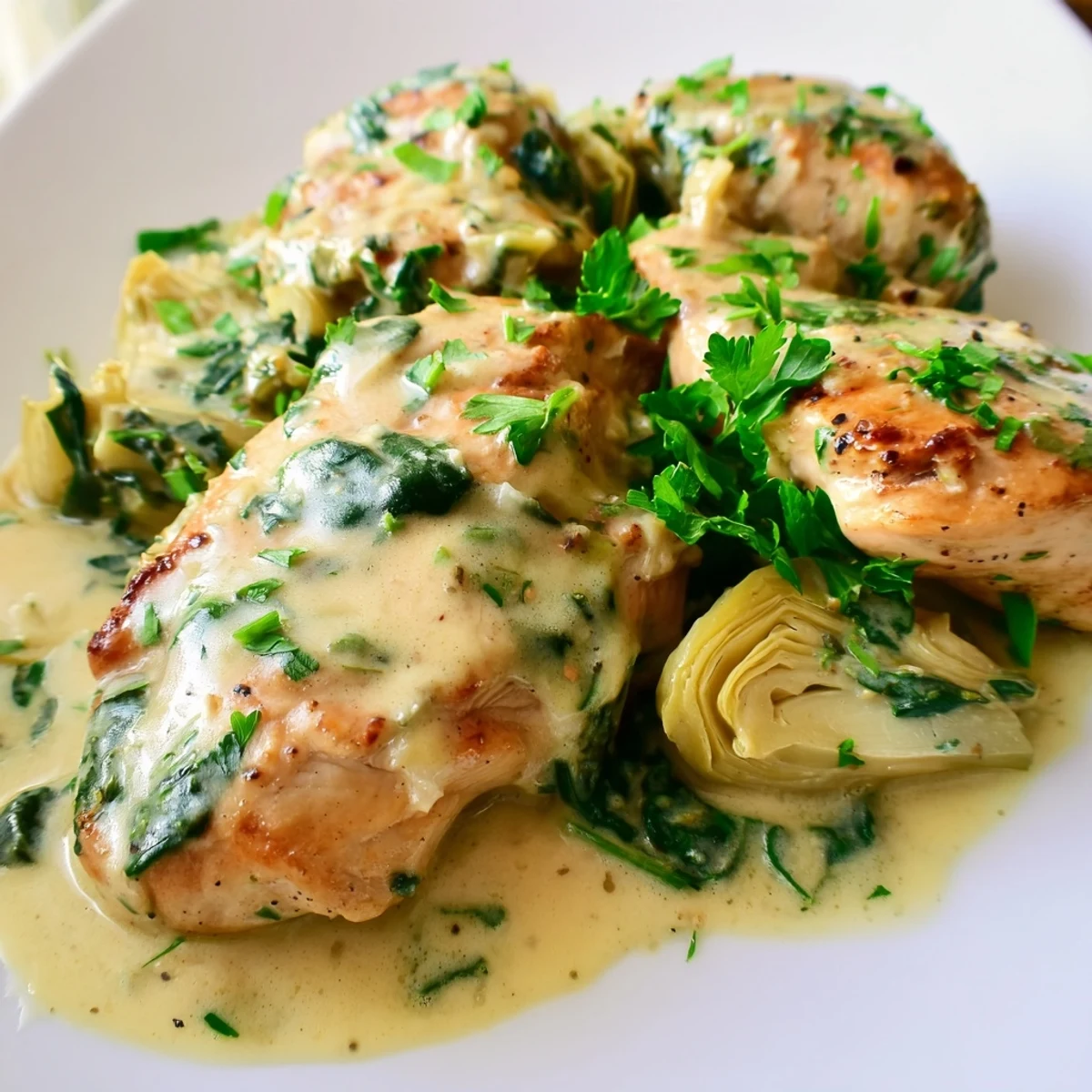
- If you have fresh parsley, scatter it across the top. Serve it right from the skillet if you're feeling casual, or plate it onto individual dishes. The sauce pools around the chicken beautifully.
 Save to Pinterest
 My partner once asked why I made this dish so often, and I realized it's because it's one of those rare meals that feels both comforting and elegant at the same time. It's the kind of food that makes weeknight dinner feel like something you chose, not something you're rushing through before the next thing starts.
Flavor Variations You Can Try
The beauty of this recipe is how forgiving it is. A handful of sun-dried tomatoes stirred in with the spinach adds a tangy sweetness, or try adding a quarter teaspoon of red pepper flakes if you want a gentle heat. I've also experimented with using white wine instead of half the chicken broth, and it creates a subtle sophistication that nobody expects from a weeknight dinner.
Serving Suggestions
Creamy skillet dishes need something to soak up the sauce, so think about what side actually excites you. Buttered egg noodles are the obvious choice, but I've served this over mashed potatoes, rice, or even cauliflower rice when I'm trying to keep it lighter. A simple green salad on the side cuts through the richness perfectly and makes the meal feel more balanced.
Storage and Leftovers
This dish stores beautifully in the refrigerator for up to three days, though the chicken stays more tender if you keep it covered in the sauce. Reheating gently on the stovetop over low heat, stirring occasionally and adding a splash of broth if it's tightened up, keeps everything from drying out. I've also frozen portions in individual containers and thawed them overnight, then reheated the next day with good results.
- Let leftovers cool before refrigerating so the sauce doesn't separate.
- Reheat slowly on the stove instead of the microwave to keep the sauce silky.
- Frozen portions work best if eaten within two months.
 Save to Pinterest
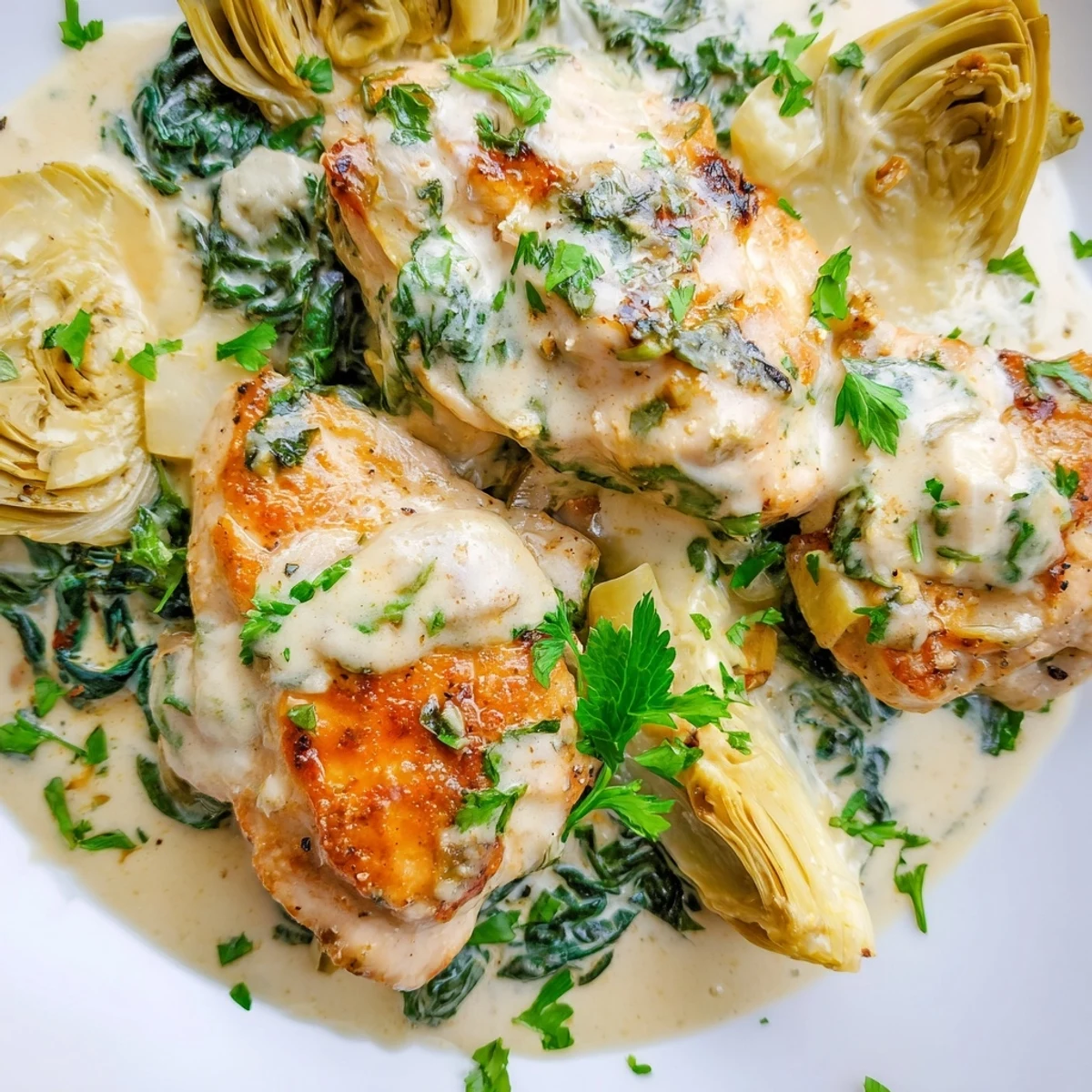
 This is the kind of recipe that reminds you why home cooking matters—not because it's complicated, but because it's genuinely delicious and always turns out. Make it once, and it becomes part of your regular rotation.
Questions & Answers About the Recipe
- → What type of chicken is best for this dish?
-
Boneless, skinless chicken breasts work perfectly as they cook evenly and absorb the creamy sauce well.
- → Can I use frozen spinach instead of fresh?
-
Yes, but drain excess water thoroughly to avoid thinning the sauce and adjust cooking time accordingly.
- → Is it necessary to sear the chicken first?
-
Searing locks in juices and adds a golden crust, enhancing both flavor and texture before simmering in the sauce.
- → How can I make the sauce thicker?
-
Simmer the sauce a bit longer to reduce liquid or add a small amount of grated cheese to thicken naturally.
- → What are good side dishes to pair with this entree?
-
Rice, mashed potatoes, or crusty bread complement the creamy sauce and make for a complete meal.
- → Can I substitute heavy cream with a lighter alternative?
-
Half-and-half can be used for a lighter sauce, but it will be less rich and creamy in texture.