
 Save to Pinterest
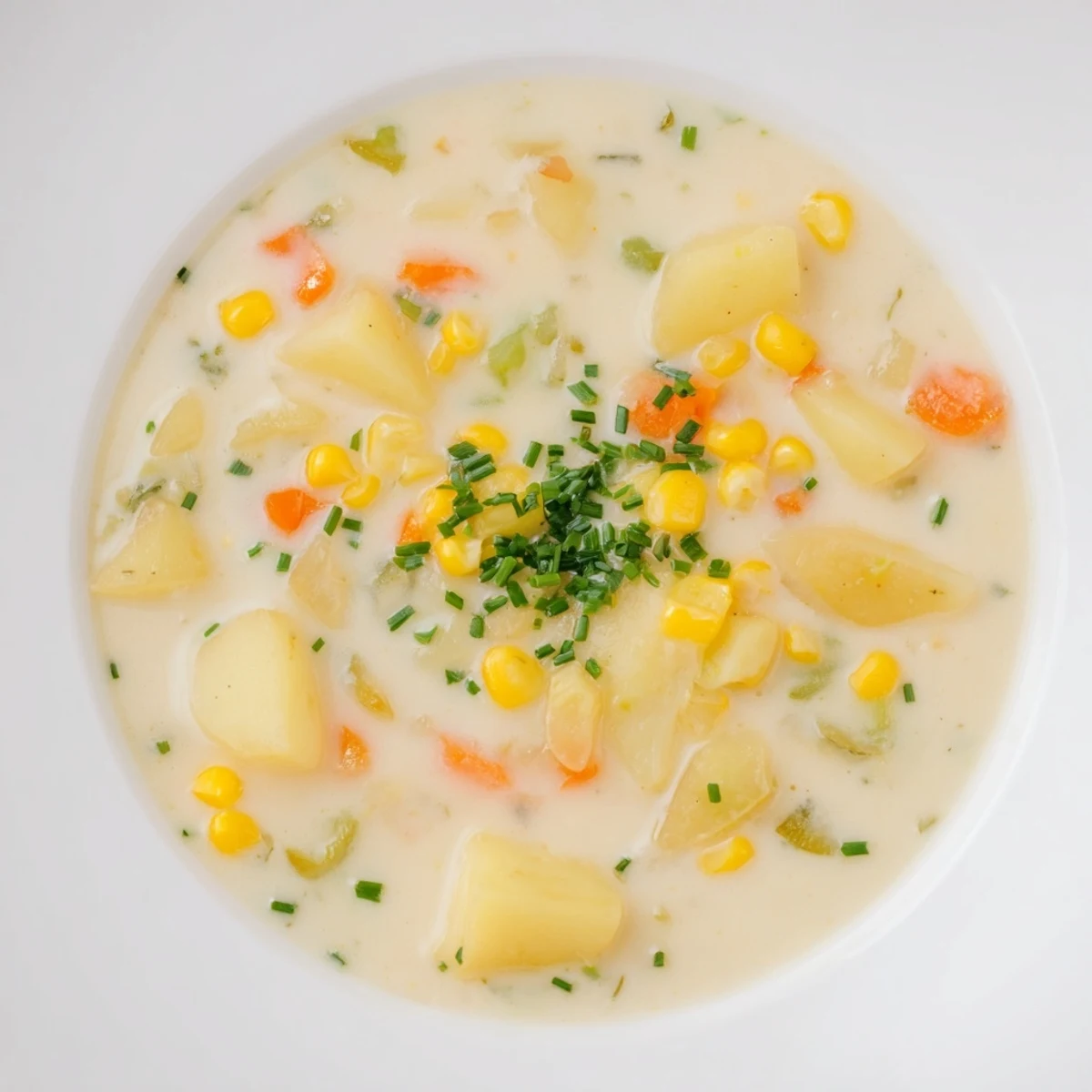
 This comforting chowder blends tender russet potatoes and sweet corn with finely chopped onion, celery, and carrot in a creamy, aromatic broth. The addition of garlic, smoked paprika, and thyme layers smoky and herbaceous notes. The chowder is partially blended for a smooth, velvety texture while retaining some chunks for heartiness. Finished with milk and cream, it’s gently heated before serving. Optional garnishes include fresh herbs, bacon, or cheddar for added flavor and texture. Can be made vegan with plant-based milk and coconut cream.
This soup is ideal for chilly days and provides a cozy, satisfying meal that’s easy to prepare in under an hour.
There's something about a bowl of creamy potato and corn chowder that transports me straight back to my grandmother's kitchen on a rainy October afternoon. I was maybe eight years old, standing on a stool to peer into her enormous pot, watching as she stirred this golden, velvety soup. The kitchen smelled like butter and thyme, and she let me add the corn kernels one handful at a time. She always said the secret was patience—letting those potatoes soften until they were just tender enough to break with a wooden spoon. I've made this soup countless times since then, and it never fails to feel like a warm hug in a bowl.
I remember making this for my college roommate on the first truly cold day of November. She'd been homesick, missing her family's cooking, and I wanted to do something kind. The moment she tasted it, her whole face softened. She asked for seconds, then thirds, and texted her mom the recipe that night. Now she makes it for her own kids, and I get photos of them eating it with grilled cheese on the side. That's when I realized food isn't just about nutrition—it's about connection, about saying 'I see you, I care about you' without using words.
Ingredients
- 3 medium russet potatoes, peeled and diced: Russets have the right starch content to create natural creaminess without needing to overblend. Cut them into roughly half-inch cubes so they cook evenly and won't fall apart when you blend.
- 2 cups corn kernels (fresh or frozen): If you use frozen, there's no shame in it—in fact, frozen corn is often fresher than fresh because it's picked and frozen at peak ripeness. Fresh corn in season is a revelation though, so grab it when you see it.
- 1 medium onion, finely chopped: The onion is your flavor foundation. Finely chop it so it melts into the broth and becomes almost invisible, adding sweetness and depth.
- 2 celery stalks, diced: Celery brings an earthiness that rounds out the sweetness of the corn. Don't skip it, even if you think you don't like celery—I promise you won't taste it, you'll just taste a more complete soup.
- 1 medium carrot, diced: The carrot adds natural sweetness and color. Cut it roughly the same size as the potatoes so everything cooks at the same pace.
- 2 cloves garlic, minced: Garlic should be minced very fine—if the pieces are too big, they'll overpower the soup with sharp, raw notes. Mince it, and it becomes a whisper of flavor that makes everything taste better.
- 3 cups vegetable broth: This is the soul of your soup. Use good broth if you can; it makes a noticeable difference. If you only have bouillon or the thin stuff, use a bit less and taste as you go.
- 1 1/2 cups whole milk (or unsweetened plant-based milk): Whole milk creates that silky texture. If you use low-fat milk, you'll notice a difference—it won't be quite as luxurious. Plant-based milks work beautifully too; I've had great results with oat and cashew.
- 1/2 cup heavy cream (or coconut cream for vegan option): The cream is what makes this soup feel special. It's what takes it from nice to 'I could eat this every day.' For vegan versions, full-fat coconut cream does the exact same job.
- 2 tablespoons unsalted butter (or olive oil for vegan option): Butter adds richness. For vegan versions, a good olive oil works, though I prefer a mix of olive oil and a splash of vegan butter for authenticity.
- 1 teaspoon salt: Salt is how you make food taste like food. Don't be timid. You'll adjust at the end anyway.
- 1/2 teaspoon ground black pepper: Freshly ground if you have a grinder—pre-ground works, but there's something about fresh pepper in a creamy soup that just sings.
- 1/4 teaspoon smoked paprika: This is the secret ingredient that makes people ask 'what's in this?' It adds subtle smokiness without overwhelming. If you don't have smoked paprika, regular paprika works, but you lose a layer of flavor.
- 1/4 teaspoon dried thyme: Thyme is the herb that belongs in chowder. It's earthy and subtle and doesn't compete with the corn.
- 1 bay leaf: The bay leaf is your friend in the pot—it adds depth and then you remove it before serving. It's a flavor shortcut that actually works.
Instructions
- Build Your Flavor Base:
- Melt your butter in a large pot over medium heat. Watch it foam and smell it—that's when you know it's ready. Add your onion, celery, and carrot. Sauté these for about 5 minutes, stirring occasionally, until they start to soften and the kitchen smells amazing. You're not looking for color here, just tenderness and aroma. This is where the magic starts.
- Add the Garlic:
- Once your vegetables are soft, add your minced garlic and cook for just 1 minute. This is the moment you have to be patient—garlic can burn in a second and turn bitter. You want it fragrant and golden, not brown. Stir it constantly to be safe.
- Introduce the Stars of the Show:
- Stir in the potatoes, corn, salt, pepper, smoked paprika, thyme, and bay leaf. Cook for 2 minutes, stirring occasionally, so everything gets to know each other. You'll notice the paprika starting to coat the vegetables and release its aroma—that's the signal you're on the right track.
- Simmer Until Tender:
- Pour in your vegetable broth and bring everything to a simmer. Cover the pot and let it cook for about 15 minutes, or until the potatoes are tender enough that a fork slides through easily. This is a good time to set a timer, check your phone, take a breath. Don't rush this step.
- Create the Creaminess:
- Remove the bay leaf—don't forget this step or someone will find it in their bowl. Now here's where it gets interesting: using an immersion blender, blend about one-third of the soup directly in the pot. You're not making soup puree; you're creating a creamy base by breaking down some of the potatoes and vegetables. If you don't have an immersion blender, carefully transfer about one-third of the soup to a regular blender, blend it smooth, and return it to the pot. The soup should look creamy and thick, with whole pieces of vegetables still visible.
- Add the Cream and Milk:
- Stir in the milk and cream gently. This is important: keep the heat at medium and stir frequently for the next 5–7 minutes. You want it heated through and slightly thickened, but never boiling. Boiling cream can cause it to separate and look strange. You're looking for a gentle steam rising from the surface and a luxurious, velvety texture.
- Taste and Adjust:
- This is your moment. Grab a spoon, taste the soup, and think about what it needs. More salt? More pepper? More thyme? Trust yourself. This is how you make a recipe your own.
- Serve with Love:
- Ladle the soup into bowls and add your garnishes of choice. Chives and parsley add fresh brightness. Bacon adds richness. Cheddar adds sharpness. Or serve it plain and let the soup speak for itself.
 Save to Pinterest
 What I love most about this soup is watching someone take their first spoonful, close their eyes for a moment, and just smile. There's something about creamy, warm soup that reaches people in a way other foods sometimes don't. It says safety. It says comfort. It says home.
How to Make It Your Own
This recipe is a foundation, not a rule book. I've made it with roasted garlic instead of fresh. I've added a diced red bell pepper for sweetness. I've stirred in cooked shredded chicken when I needed something heartier. A friend added crispy sage leaves on top and suddenly it felt fancy enough for dinner guests. The beauty of chowder is its flexibility—it welcomes your ideas and incorporates them gracefully. Listen to what your kitchen is telling you and trust your instincts.
Storage and Reheating
This soup keeps beautifully in the refrigerator for up to three days in an airtight container. You can also freeze it for up to two months, though the texture of the potatoes will be slightly softer after thawing. To reheat, do it gently over medium-low heat on the stovetop, stirring occasionally. Avoid the microwave if you can, as it heats unevenly and can cause the cream to separate. Add a splash of milk or broth when reheating to restore the creamy consistency. Leftovers often taste even better the next day—the flavors have more time to mingle and deepen.
Variations and Additions
The foundation of this soup is endlessly adaptable, and the best versions often come from what you have on hand or what's in season. Some of my favorite variations have emerged from moments of creative necessity. Here are some directions you can take this recipe:
- For a smoky version, use smoked paprika in the base and top finished bowls with crispy smoked bacon and smoked cheddar
- For a southern twist, add a diced jalapeño with the aromatics and finish with a sprinkle of cayenne and sharp cheddar
- For heartiness, stir in shredded cooked chicken, diced ham, or crumbled sausage after adding the cream
 Save to Pinterest
 This soup has become more than a recipe to me—it's a conversation starter, a gift I give, a memory I share. I hope it becomes that for you too.
Questions & Answers About the Recipe
- → What type of potatoes work best for this chowder?
-
Russet potatoes are ideal due to their starchy texture, which helps thicken the chowder while maintaining tenderness.
- → Can I use frozen corn instead of fresh?
-
Yes, frozen corn kernels can be used without compromising the flavor or texture of the chowder.
- → How do I achieve a creamy texture without cream?
-
For a dairy-free option, substitute heavy cream with coconut cream and butter with olive oil to maintain richness.
- → Is it necessary to blend part of the soup?
-
Blending about one-third of the chowder creates a smooth, velvety texture while keeping some chunks for body and mouthfeel.
- → What garnishes complement this soup?
-
Fresh chives or parsley add brightness; crumbled bacon or shredded cheddar provide savory contrast, but can be omitted for vegetarian or vegan versions.