
 Save to Pinterest
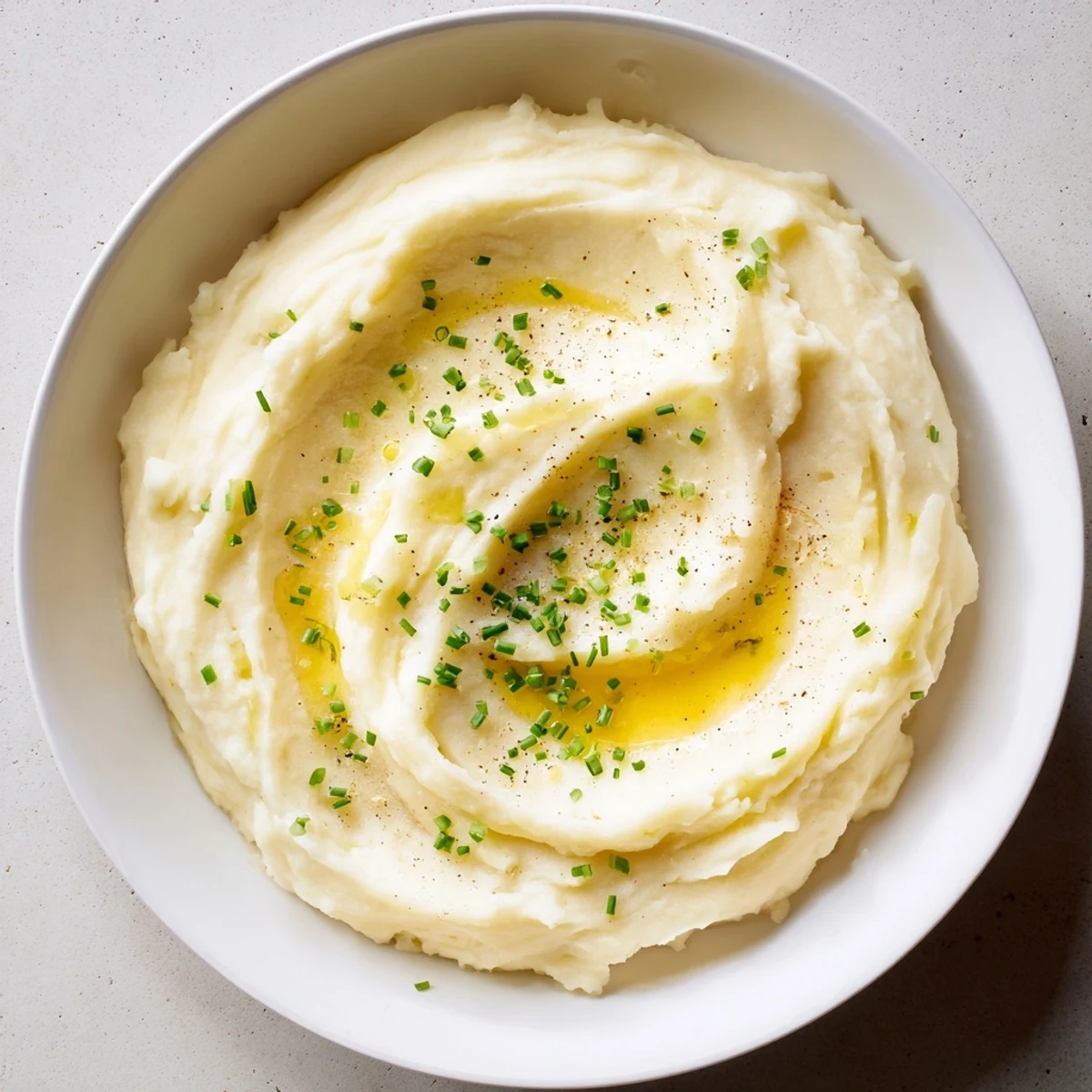
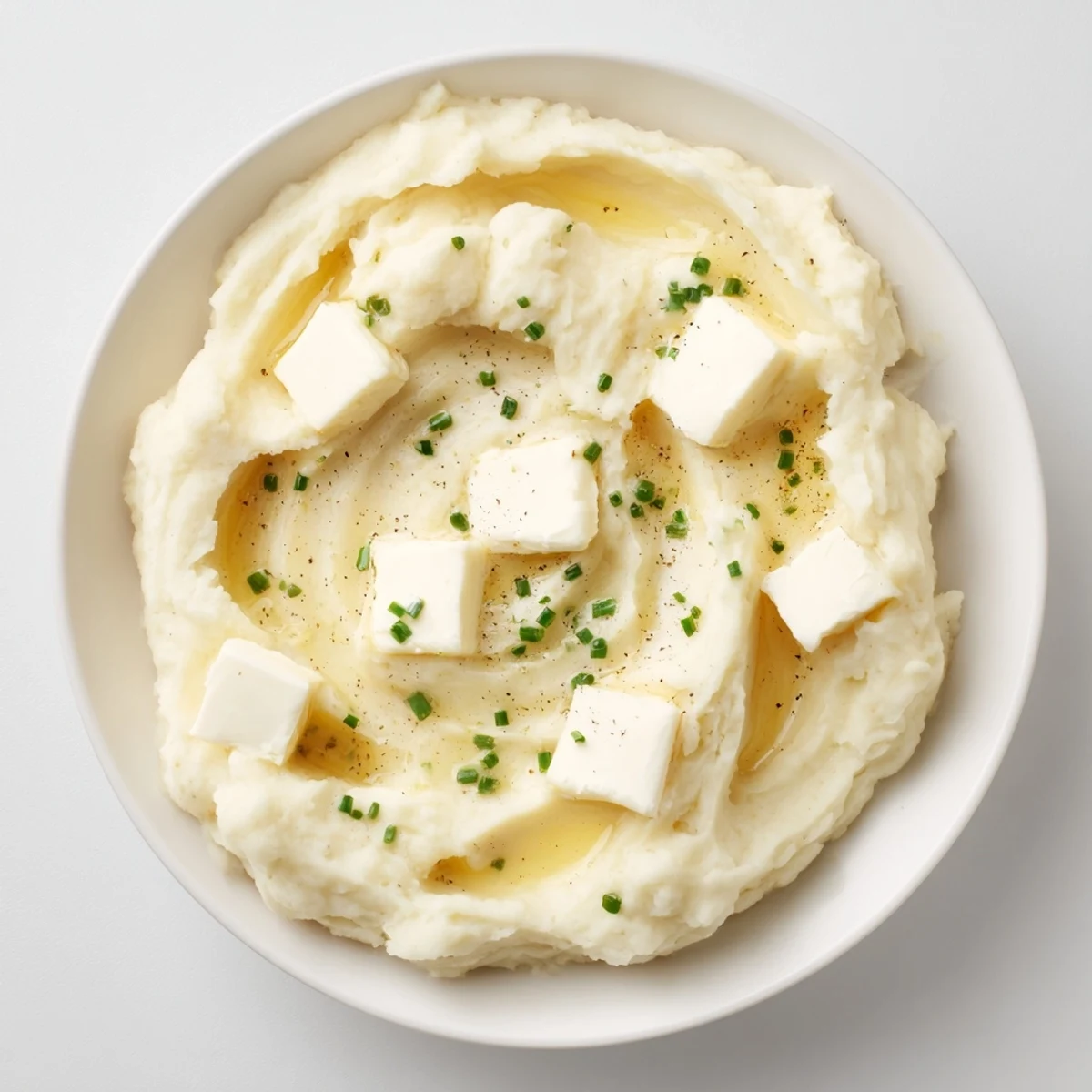
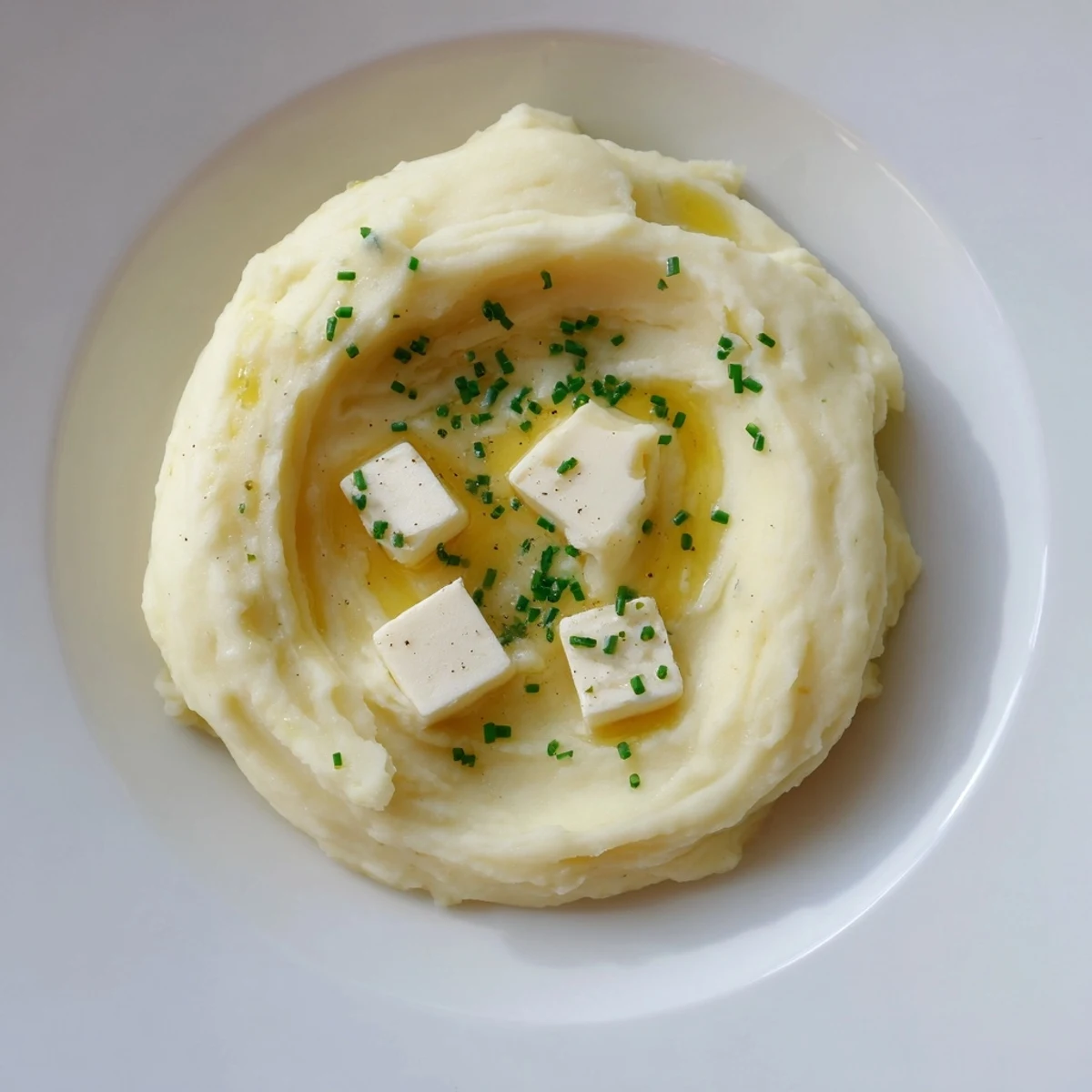
 This dish features tender potato chunks boiled until soft, then mashed smooth with warm milk, heavy cream, and butter for a rich, creamy texture. Seasoned simply with salt and pepper, it’s garnished with fresh chives or parsley for a bright finish. Perfect as a comforting side, it pairs wonderfully with roasted meats or savory gravies. Variations include adding roasted garlic or cream cheese for extra depth.
Easy to prepare within 35 minutes, this side offers a classic taste with vegetarian and gluten-free qualities. Can be made ahead and gently reheated with a splash of milk to preserve creaminess.
There's something almost magical about the smell of potatoes boiling on the stove on a chilly evening—it fills the kitchen with this earthy warmth that makes you slow down. I learned to make proper mashed potatoes not from a fancy cookbook, but from watching my neighbor drain a pot with the kind of care most people reserve for their best china. She taught me that the secret isn't just in the potatoes themselves, but in how you treat them after they're cooked, and that lesson stuck with me through countless dinners ever since.
I remember the Thanksgiving when I made these for the first time without calling for backup, and my partner took one bite and got genuinely quiet in that way that means something really good just happened. The potatoes were fluffy, they had this subtle richness that made sense, and somehow I'd managed not to either under-cook them or turn them into glue. It became our thing after that—the dish I'd make when we wanted to feel taken care of.
Ingredients
- Yukon Gold or Russet potatoes (1.2 kg / 2.6 lbs): Yukon Golds are naturally buttery and waxy, so they mash into something almost silky without falling apart, while Russets are fluffier and more absorbent—pick whichever texture calls to you.
- Whole milk, warmed (120 ml / ½ cup): Cold milk will shock the warm potatoes and make them seize up, so warm it gently before you add it.
- Unsalted butter, cubed and room temperature (60 g / ¼ cup): Room temperature butter incorporates smoothly without creating little greasy pockets, and unsalted means you control the salt level completely.
- Heavy cream, warmed (60 ml / ¼ cup): This is what takes them from good to velvety—don't skip it or use milk as a substitute if you want that luxury feel.
- Fine sea salt (1 tsp, plus more to taste): Salt in the cooking water seasons the potatoes from the inside out, which is why it matters.
- Freshly ground black pepper (½ tsp): Grind it fresh right before you use it—pre-ground pepper tastes like cardboard by comparison.
- Chives or parsley, chopped (2 tbsp optional): A handful of fresh green on top wakes everything up and makes it look intentional instead of just tired.
Instructions
- Start with cold water and salt:
- Place your potato chunks in a large pot, cover them completely with cold water, and add the salt. Starting with cold water means the potatoes cook through evenly instead of getting mushy on the outside while the centers stay hard.
- Boil until they're actually tender:
- Bring everything to a boil over high heat, then dial it back to a simmer and let them go for 15 to 18 minutes. They're ready when a fork slides through without any resistance—don't rush this part.
- Drain and steam them dry:
- Pour the potatoes into a colander and let them drain well, then put them back in the hot pot for a minute or two without heat. This dries them out slightly, which means they'll absorb the cream and butter instead of getting watery and thin.
- Mash until smooth:
- Use a potato masher or ricer to break them down until there are no lumps anywhere. A ricer gives you the most elegant texture, but a masher works beautifully too—just keep working at it.
- Add the dairy gradually and gently:
- Pour in the warm milk, cream, and butter in stages, stirring gently as you go. Adding it slowly means the potatoes can absorb everything evenly and you won't overmix them into something gluey.
- Season and taste:
- Stir in the black pepper, taste, and add more salt if they need it. Season generously—bland mashed potatoes are nobody's friend.
- Serve while everything is hot:
- Transfer to a warm bowl, scatter the chives or parsley over the top if you're using them, and get them to the table while they still have that cloud-like warmth.
 Save to Pinterest
 I made these for a friend's dinner party once when everything else fell apart, and somehow the mashed potatoes became the thing everyone talked about afterward. There's something quietly powerful about a dish that's so perfectly made it doesn't need to announce itself—it just sits on your plate and lets everything else shine.
The Science of Creamy Potatoes
Mashed potatoes are actually pretty forgiving once you understand what's happening inside them. The heat breaks down the cell walls and releases starch, which is what gives you that fluffy, creamy base. The dairy—milk, cream, and butter—fills in the spaces and coats the starch particles, which is why temperature and timing matter so much. When you understand that you're essentially building a stable emulsion, you start to see why some techniques work and others just leave you frustrated.
Why Your Potatoes Might Go Wrong
Cold liquid will cause the hot potatoes to seize and turn grainy, which is why warming your milk and cream matters so much. Overmixing, especially with an electric mixer, breaks down the starch cells until they release too much moisture and you end up with something more like mashed gluey sadness. Underseasoning is another common trap—mashed potatoes need assertive seasoning because all that starch and fat can swallow subtle flavors whole.
Making Them Ahead and Flavor Variations
You can make these earlier in the day and reheat them gently in a pot with a splash of milk, stirring often so they warm through evenly without breaking. The flavor is endlessly flexible—try folding in roasted garlic, a spoonful of cream cheese, a pinch of nutmeg, or even crispy bacon for something different. Some people swear by sour cream instead of heavy cream, which gives a slight tang that works beautifully with roasted chicken or pork.
- Sour cream can replace half the heavy cream for a slightly tangy note that pairs well with rich meats.
- A little nutmeg or white pepper added at the end tastes like a secret ingredient nobody can quite identify.
- Leftovers can be turned into crispy potato pancakes the next morning if you've somehow managed to have any left.
 Save to Pinterest
 Mashed potatoes are one of those dishes that taste like home, like comfort, like someone cared enough to get it right. Once you make them this way, they become the thing you turn to when everything needs to feel a little gentler.
Questions & Answers About the Recipe
- → What type of potatoes work best?
-
Yukon Gold or Russet potatoes are ideal due to their creamy texture when cooked.
- → How can I make the mashed potatoes extra creamy?
-
Using warmed milk, heavy cream, and butter while mashing ensures a rich, smooth consistency.
- → Can I prepare this dish ahead of time?
-
Yes, mashed potatoes can be made ahead and gently reheated with a splash of milk to restore creaminess.
- → What are good flavor variations?
-
Try adding roasted garlic or cream cheese for added depth and a subtle twist.
- → How should I season the potatoes?
-
Season simply with fine sea salt and freshly ground black pepper to enhance the natural flavors.
- → What tools are recommended for mashing?
-
A potato masher or ricer helps achieve a smooth, lump-free texture for the potatoes.