
 Save to Pinterest
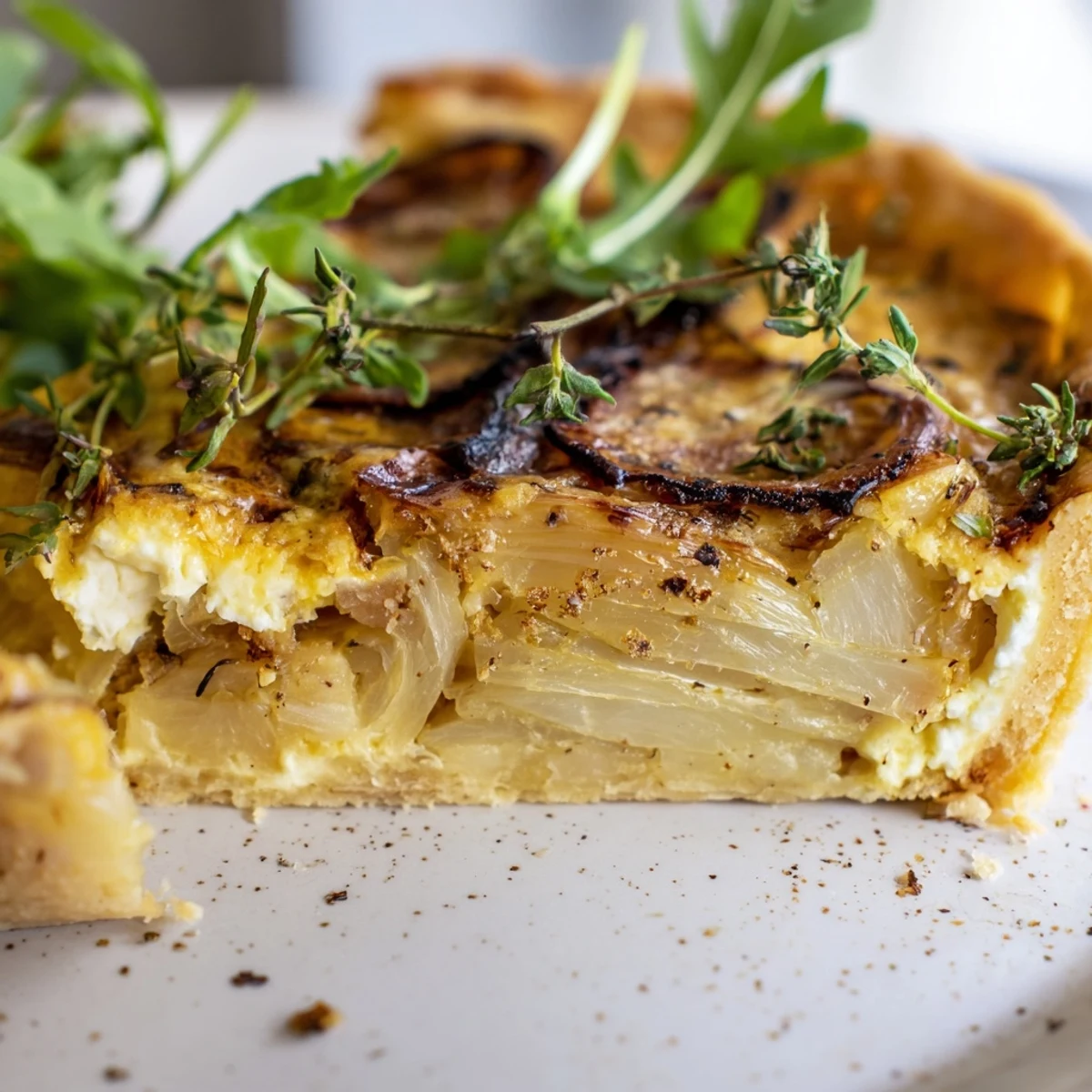
 This tart blends sweet caramelized onions with creamy goats cheese nestled in a crisp, buttery shortcrust pastry. Cook onions slowly until golden and soft, then layer with crumbled cheese and a rich egg-cream mixture before baking. The result is a flavorful, savory dish ideal for brunch or light meals. Enhancements can include fresh thyme and arugula for added aroma and freshness. Perfectly balanced, it pairs well with a green salad or crisp white wine.
There's something about the smell of onions slowly turning golden in a pan that makes you forget you're supposed to be doing anything else. I stumbled into this tart years ago when I had a fridge full of onions and a dinner guest arriving in an hour, and I wanted something that felt fancy but didn't require me to panic. The magic happens when you give those onions time—real time—to surrender their sharpness and become something sweet and almost jammy, then layer that with the bright tang of goats cheese and a silky custard that holds it all together in a buttery crust.
I made this for my neighbor who mentioned she was tired of the same weekend rotation, and watching her take a second slice without asking felt like the highest compliment. She texted me the next week asking for the recipe because apparently her family demanded it for Sunday dinner. That's when I realized this wasn't just a tart—it was the kind of dish that makes people actually want to cook.
Ingredients
- Ready-rolled shortcrust pastry (250 g): A sheet saves you time and honestly tastes just as good as homemade; keep it cold and work quickly when handling it.
- Olive oil and unsalted butter (2 tablespoons each): The combination gives you flavor depth—butter for richness, olive oil to prevent burning during the long caramelization.
- Large yellow onions, thinly sliced (4): Yellow onions are sweeter than other varieties and caramelize beautifully; slice them thin so they cook evenly.
- Sugar (1 teaspoon): This tiny amount jumpstarts the caramelization process and rounds out the onions' natural sweetness without making them taste sugary.
- Fresh thyme (2 teaspoons): Adds an earthy note that keeps the dish from feeling one-dimensional; dried works if that's what you have, just use half the amount.
- Soft goats cheese, crumbled (150 g): The tang is essential—it cuts through the sweetness of the onions and plays beautifully against the cream filling.
- Eggs and double cream (3 eggs, 200 ml cream): These create that silky custard that holds everything together; the ratio matters, so don't skip measuring.
- Whole milk (100 ml): Lightens the cream slightly and keeps the filling from being too rich.
- Ground nutmeg (¼ teaspoon): Just enough to whisper in the background; nutmeg belongs in savory egg dishes, trust me on this.
Instructions
- Preheat and prepare your pastry:
- Get your oven to 190°C (375°F) and have a 23 cm tart tin ready. Unroll the pastry, press it gently into the tin without stretching it, trim the edges, and prick the base all over with a fork so it doesn't puff up unevenly. Pop it in the fridge for 10 minutes while you gather yourself.
- Blind bake the shell:
- Line the pastry with parchment paper and fill it with baking beans (or dried chickpeas, rice, whatever you have). Bake for 15 minutes, then carefully remove the beans and parchment and bake another 5 minutes until it's pale golden and smells like butter. Set it aside and try not to break it when you take it out.
- Caramelize the onions slowly:
- In a large skillet over medium-low heat, melt the olive oil and butter together. Add your sliced onions, sugar, salt, and pepper—the key is not rushing this. Stir them often, maybe every minute or two, for 20–25 minutes until they've collapsed into soft, golden strands that stick to the pan slightly and smell almost sweet. Stir in the thyme in the last 2 minutes and let everything cool a bit.
- Make the custard filling:
- In a bowl, whisk together the eggs, cream, milk, nutmeg, salt, and pepper until completely smooth. This is your binding agent and it needs to be well combined.
- Layer and fill:
- Spread those golden caramelized onions evenly over the blind-baked pastry base. Scatter the crumbled goats cheese over the onions, then slowly pour the egg mixture over everything, letting it settle into the gaps.
- Bake until set and golden:
- Bake for 25–30 minutes until the filling is just set—it should still have the tiniest jiggle in the very center when you gently shake the tin, but it shouldn't slosh. The top will be golden and maybe slightly puffed. Let it cool for 10 minutes in the tin before you try to slice it.
- Finish and serve:
- Add extra thyme sprigs and fresh arugula if you want to dress it up, but honestly it's perfect on its own. Serve it warm, at room temperature, or even cold the next day.
 Save to Pinterest
 The first time someone came back for thirds of this tart, I realized it had become the kind of recipe that bridges the gap between "I threw together dinner" and "I actually cooked." There's something quietly satisfying about a dish that looks and tastes like you fussed, but actually just rewarded patience more than complexity.
The Magic of Caramelized Onions
Caramelization isn't complicated—it's just onions, fat, and time having a conversation. When you cook onions slowly on medium-low heat, their natural sugars gradually break down and develop deeper flavors, the moisture evaporates, and suddenly you have something that tastes almost jammy. The sugar in the recipe doesn't sweeten it; it accelerates this natural process so you're not standing there for 45 minutes. This is why caramelized onions can carry an entire dish on their own.
Choosing Your Cheese
Goats cheese brings a specific kind of brightness that cuts through the richness of cream and egg, but this tart is flexible. Feta gives you a saltier, firmer texture and a more assertive tang. Blue cheese makes it altogether different—darker, more intense, something you either love or don't. If you go the substitution route, taste as you go and dial back the salt in the custard since most aged cheeses are already salty.
Making It Your Own
Once you understand the structure—pastry, onions, cheese, custard—you can riff on it. Some people add a handful of crispy bacon, others stir in roasted garlic, fresh spinach works beautifully if you squeeze it dry first, and toasted walnuts are genuinely wonderful. The only rule is that whatever you add shouldn't be so wet or strong that it overpowers the onions and cheese.
- Toast walnuts in a dry pan for 3 minutes before sprinkling them on top—raw ones can taste a bit dull.
- If you add greens, squeeze them completely dry so they don't release water and make the filling weep.
- Fresh herbs like dill or tarragon are lovely stirred into the custard, just keep them subtle.
 Save to Pinterest
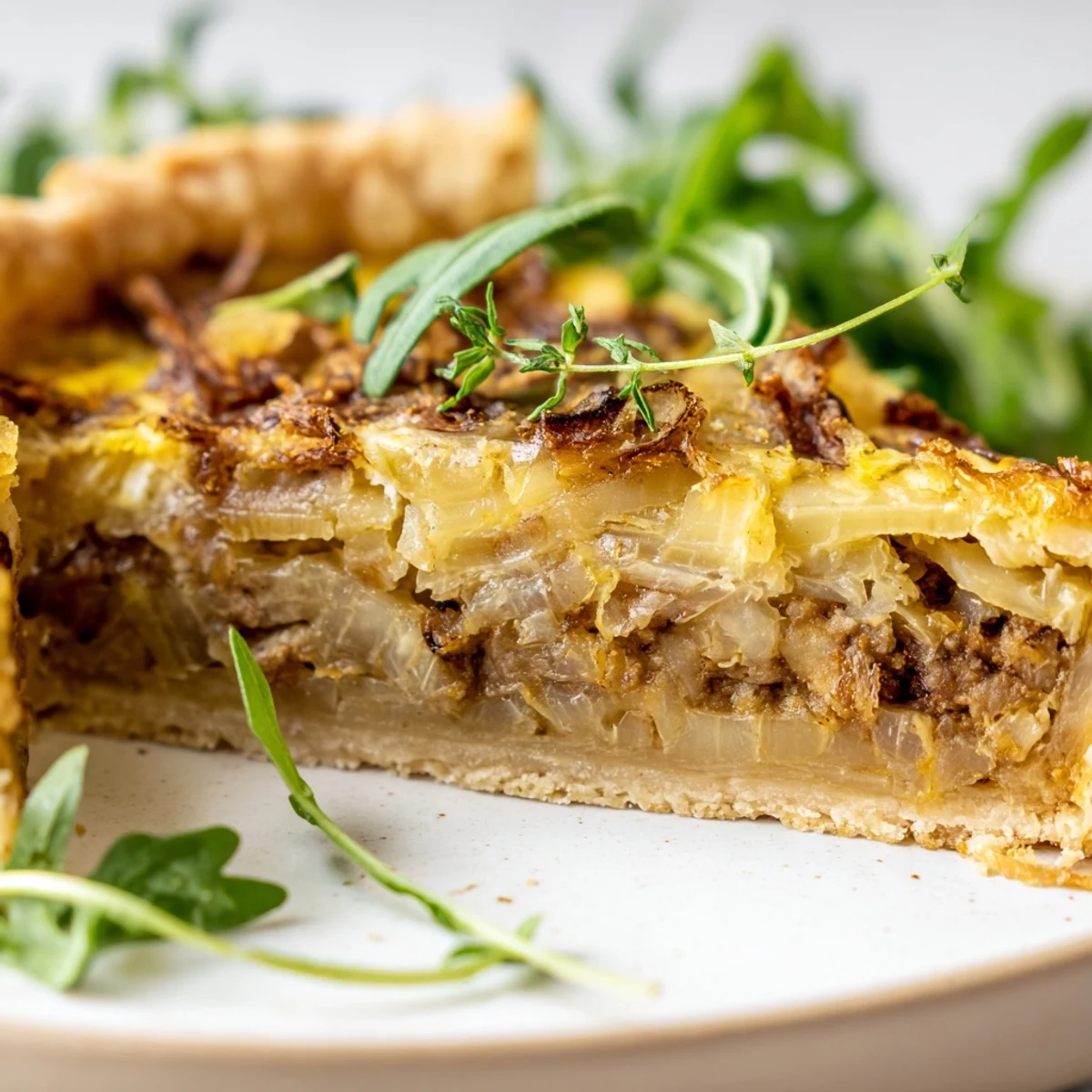
 This tart has become my answer to "I want to cook something but I don't have much time," and it never fails to feel like more effort than it actually took. Serve it with a simple green salad and a cold glass of Sauvignon Blanc, and you've got something that feels like a proper meal.
Questions & Answers About the Recipe
- → How do you caramelize onions properly?
-
Cook sliced onions slowly over medium-low heat with butter and olive oil, stirring often for 20-25 minutes until they turn soft and golden brown, allowing their natural sweetness to develop.
- → What type of pastry is best for this tart?
-
Shortcrust pastry works best, either ready-rolled or homemade, providing a crisp and buttery base that complements the savory filling.
- → Can goats cheese be substituted?
-
Yes, feta or blue cheese are suitable alternatives, each offering a slightly different but complementary tang and texture.
- → What is the purpose of blind baking the pastry?
-
Blind baking ensures the pastry base becomes crisp and prevents it from becoming soggy when the wet filling is added.
- → How can the tart be served for best flavor?
-
Serve warm or at room temperature, garnished with fresh thyme and arugula, alongside a crisp green salad and chilled Sauvignon Blanc for balance.