
 Save to Pinterest
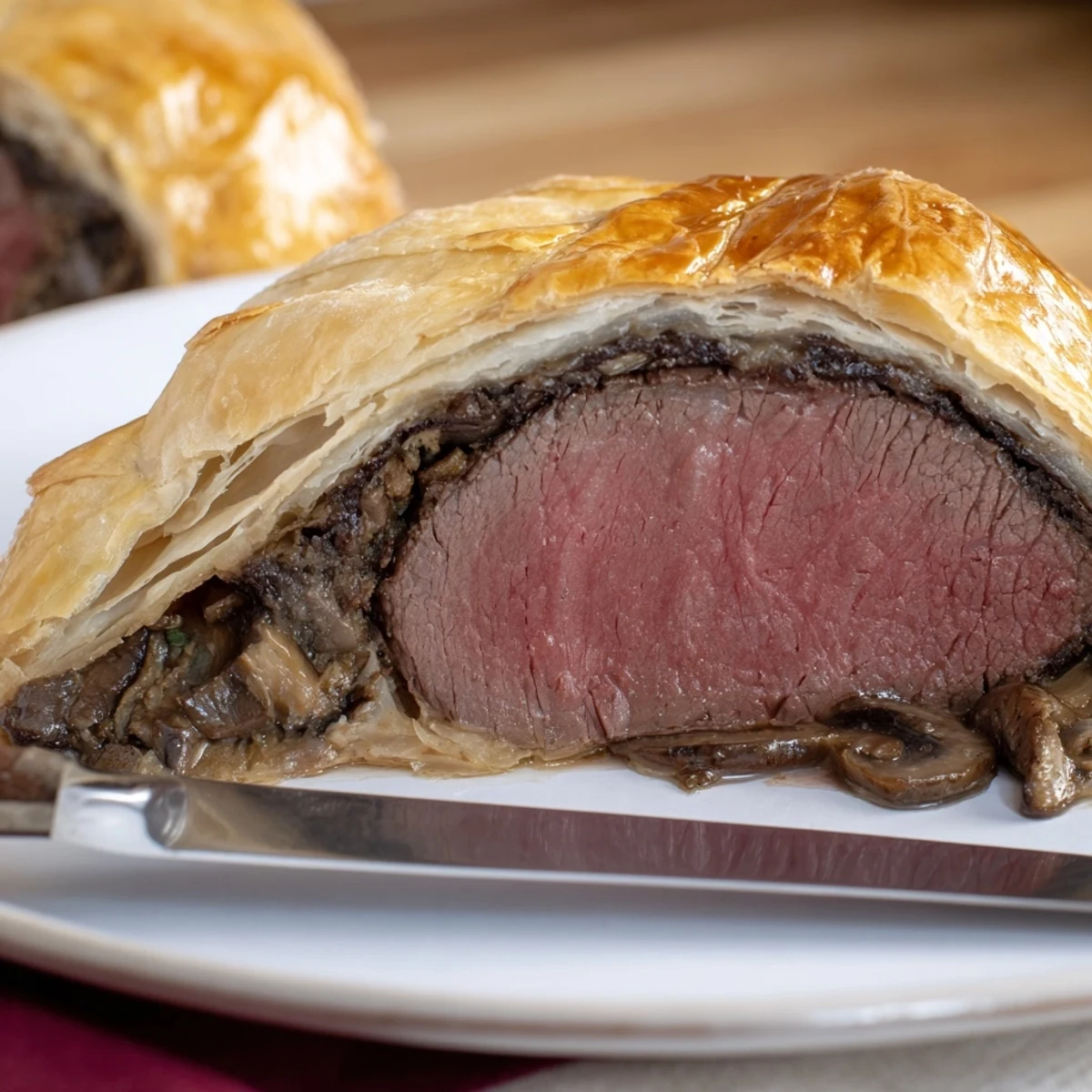
 This elegant dish pairs a tender beef fillet wrapped in a savory mushroom paste, known as duxelles, with rich prosciutto and flaky puff pastry. The beef is seared to lock in juices, then coated in a flavorful mushroom mixture and wrapped tightly before baking to golden perfection. Chilling the assembled layers ensures a clean presentation once baked. Best served with a bold red wine or a complementary sauce to enhance its luxurious character.
I still remember the first time I attempted Beef Wellington—it was for my partner's birthday dinner, and I was absolutely terrified. The thought of wrapping a perfect piece of beef in mushroom duxelles and pastry seemed impossibly fancy, like something only restaurant chefs could pull off. But then I realized that's exactly what makes this dish so rewarding: it looks absolutely stunning on the table, yet when you break it down into steps, it's entirely manageable. Now, whenever I make it, guests are always amazed, and I get to share in that special moment when the golden pastry is sliced to reveal the perfectly pink beef inside.
There's something about presenting a perfectly golden Beef Wellington that makes everyone pause before cutting into it. I'll never forget the quiet moment at the table when my sister first saw one I'd made—her eyes lit up, and she whispered, 'You made this?' That reaction right there is why I love this recipe. It's become my go-to for celebrations because it delivers that 'wow' factor every single time.
Ingredients
- Beef tenderloin, 1.2 kg center-cut, trimmed: This is where you don't compromise—the tenderloin is naturally tender, so you're really paying for quality. Get it from a butcher if you can; they'll trim it perfectly and give you confidence in the cut.
- Salt and freshly ground black pepper: Grind your pepper fresh just before searing; it makes a noticeable difference in the crust's flavor.
- Olive oil, 2 tbsp: Use a good quality oil that can handle high heat without burning.
- Cremini or button mushrooms, 500 g, finely chopped: I prefer cremini for their deeper flavor, but button mushrooms work beautifully too. The key is chopping them fine enough that they break down into a paste.
- Shallots, 2, finely diced: They cook down sweetly and dissolve into the duxelles, adding sophistication without any harsh bite.
- Garlic, 2 cloves, minced: Fresh garlic is essential here—it anchors all the earthy mushroom flavors.
- Unsalted butter, 2 tbsp: Unsalted lets you control the salt level perfectly.
- Fresh thyme leaves, 2 tsp: This is the secret weapon—thyme tied to mushrooms is a classic pairing that elevates the whole dish.
- Prosciutto, 12 thin slices: The prosciutto adds saltiness and creates a barrier between the mushrooms and beef, preventing the pastry from getting soggy.
- Puff pastry, 500 g, thawed if frozen: Quality matters here—a good puff pastry will give you those gorgeous golden layers.
- Egg yolk, 1: Mixed with milk to create an egg wash that gives the pastry its beautiful shine.
- Milk, 1 tbsp: Dilutes the egg yolk so the wash applies evenly.
- Dijon mustard, 1 tbsp (optional): A thin brush on the cooled beef adds a subtle tang that complements the beef's richness.
Instructions
- Get Everything Ready:
- Start with your beef at room temperature—this ensures more even searing and cooking. Pat it completely dry with paper towels because any moisture will steam rather than brown. Season generously with salt and pepper on all sides; don't be shy here, as this is your only chance to season the beef itself before it's wrapped.
- Sear the Beef to Golden Perfection:
- Heat your skillet until it's smoking hot—you want a serious sizzle when the beef hits the pan. The high heat creates that flavorful brown crust (the Maillard reaction, if you want to get technical). As you sear each side for 2–3 minutes, you'll hear it crackling and smell that incredible beef aroma. This is what's building all that depth of flavor. Once all sides are gorgeously browned, transfer it to a plate and let it cool completely—this is crucial because you don't want warm beef warming up your mushroom paste later.
- Make the Mushroom Duxelles:
- This is where patience pays off. Melt butter over medium heat and listen for that gentle sizzle as shallots and garlic soften—about 2 minutes, until they're fragrant and translucent. Add your finely chopped mushrooms and thyme, and here's the key: you're cooking these down until all that moisture evaporates. You'll watch the mixture transform from wet and chunky to a dense, paste-like consistency. Stir it often, maybe every minute or two, letting the heat do the work. When it's done (10–15 minutes), it should look almost like a thick spread, and it should smell intensely earthy and mushroomy. Season with a pinch of salt and pepper, then spread it on a plate to cool—this actually helps it cool faster and lets flavors settle.
- Build the Prosciutto Layer:
- Lay out a large sheet of plastic wrap on your work surface, and here's a pro tip: arranging the prosciutto takes a moment but sets you up for success. Lay the slices slightly overlapping in a rectangle, creating enough coverage to wrap completely around your beef. The prosciutto acts as a moisture barrier and adds subtle saltiness. Spread your cooled mushroom duxelles evenly across the prosciutto layer—you want complete coverage so every slice has that earthy flavor.
- Wrap the Beef Snugly:
- Place the cooled beef at one end of your prosciutto rectangle, and using the plastic wrap underneath, roll everything tightly around it. The plastic wrap is your friend here—it gives you leverage and keeps everything from sliding. Keep rolling until you've got a tight log, then twist the ends of the plastic wrap to seal it securely. This is when refrigeration is non-negotiable: at least 30 minutes in the fridge. This time allows the prosciutto and mushrooms to set around the beef, making it much easier to wrap in pastry without everything shifting.
- Encase in Golden Pastry:
- On a lightly floured surface, roll out your puff pastry into a rectangle large enough to wrap around the beef—you want generous coverage so you can fold it over with no gaps. Remove the beef from its plastic wrap and place it in the center. Make an egg wash by whisking the egg yolk with milk until smooth. Brush this all along the edges of the pastry—this acts like glue, sealing everything together. Fold the pastry over the beef tightly, trim away excess (but save scraps for decoration if you like), and pinch the seams firmly. Place it seam-side down on your parchment-lined baking sheet, then brush the entire top with egg wash. If you're feeling fancy, arrange some pastry scraps decoratively on top—they'll bake right on and look intentional.
- The Final Chill and Bake:
- Give it one more 15-minute chill before baking. This helps the pastry hold its shape and prevents it from shrinking. Preheat your oven to 220°C (425°F). When you slide it in, you're aiming for golden pastry (40–45 minutes) and a center temperature of 50°C (122°F) for medium-rare. Use a meat thermometer—this is your insurance policy against overcooking something this special. The moment it hits temperature, pull it out. The resting period (10 minutes at least) is when the meat fibers relax and reabsorb juices, so don't skip it no matter how eager you are to slice into it.
 Save to Pinterest
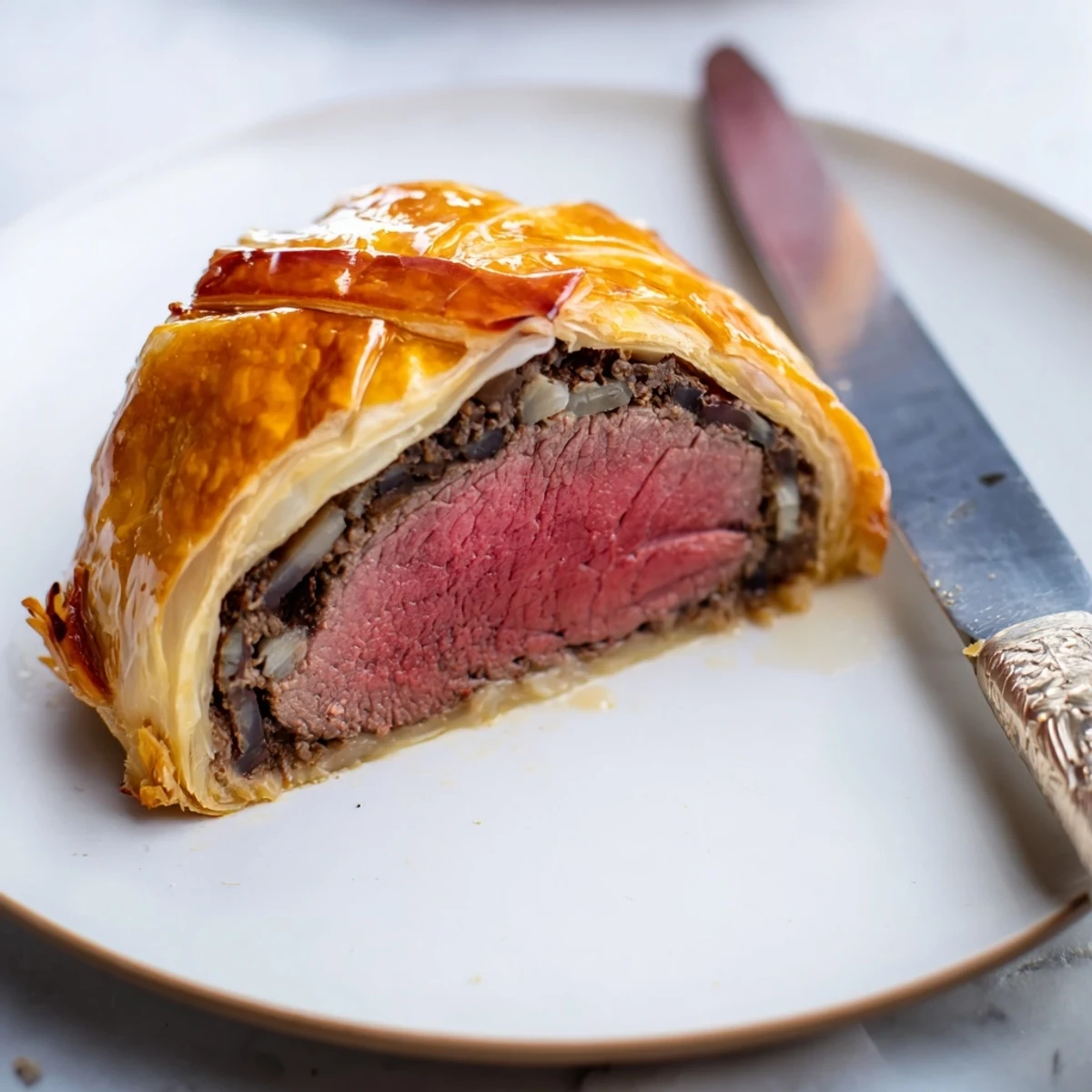
 I make this dish for celebrations because there's something almost ceremonial about it. When you slice into that golden pastry at the table and reveal the perfectly pink beef inside, surrounded by that savory mushroom paste, you're not just serving dinner—you're creating a moment everyone remembers. It's become the dish I'm known for, the one people ask me to make for their special occasions.
Keeping It Fresh
Beef Wellington is best served immediately after resting, when the pastry is still crisp and the beef is at its most tender. However, I've learned a few things about making it ahead. You can prepare everything up through the pastry wrapping step, then refrigerate it for up to 24 hours before baking—this actually makes the pastry even more crispy because the cold dough maintains its structure better in the oven. If you need to store leftovers (which is rare in my house), wrap them loosely in foil and refrigerate for up to 2 days. Reheat gently in a 150°C oven for about 15 minutes to warm through without drying out the pastry.
Serving Ideas That Clicked
The beauty of Beef Wellington is that it's elegant enough to stand on its own, but a few accompaniments take it from lovely to unforgettable. I always serve it with a rich red wine sauce or Madeira jus—something that lets you drizzle it over the pastry and beef. A simple side of roasted vegetables (baby potatoes, asparagus, or glazed carrots) rounds out the plate without overwhelming the star. For wine, go bold: a good Bordeaux or Cabernet Sauvignon cuts through the richness of the beef and pastry beautifully, and there's something deeply satisfying about that pairing. If you're feeling adventurous, a béarnaise sauce on the side is magnificent.
Where This Dish Comes From
Beef Wellington is a British classic with a name that supposedly honors the Duke of Wellington, though food historians debate the exact origin. What's certain is that this dish represents the height of British culinary tradition—it takes the best ingredients and combines them in a way that feels both approachable and restaurant-worthy. The combination of beef, mushrooms, and pastry appears in French cuisine too, but the British version with prosciutto and the specific wrapping technique is distinctly its own thing. Making it feels like participating in a culinary tradition that goes back centuries, which is part of what makes it so special to serve at home.
When Something Isn't Quite Right
Over the years, I've learned what to do when ingredients aren't exactly what the recipe calls for. If you can't find cremini mushrooms, any flavorful mushroom works—portobello, shiitake, or even a mix creates interesting depth. No fresh thyme? Dried thyme works (use about one-third the amount since it's more concentrated), or substitute with fresh rosemary for a different but equally delicious flavor. If your puff pastry is the all-butter kind rather than a butter-and-oil blend, it'll be even richer and more decadent. No prosciutto on hand? Thinly sliced pâté or even a layer of pâté under the mushrooms creates a luxurious barrier. The recipe is forgiving in its flexibility, which means you can make it confidently even when your pantry isn't perfectly stocked.
- If your pastry tears while wrapping, simply patch it with a scrap moistened slightly with egg wash
- Don't skip the resting period—those 10 minutes allow the meat fibers to relax and reabsorb their juices, ensuring each slice is as tender and juicy as possible
- If you're short on time, a good quality store-bought puff pastry works beautifully—don't stress about making it from scratch
 Save to Pinterest
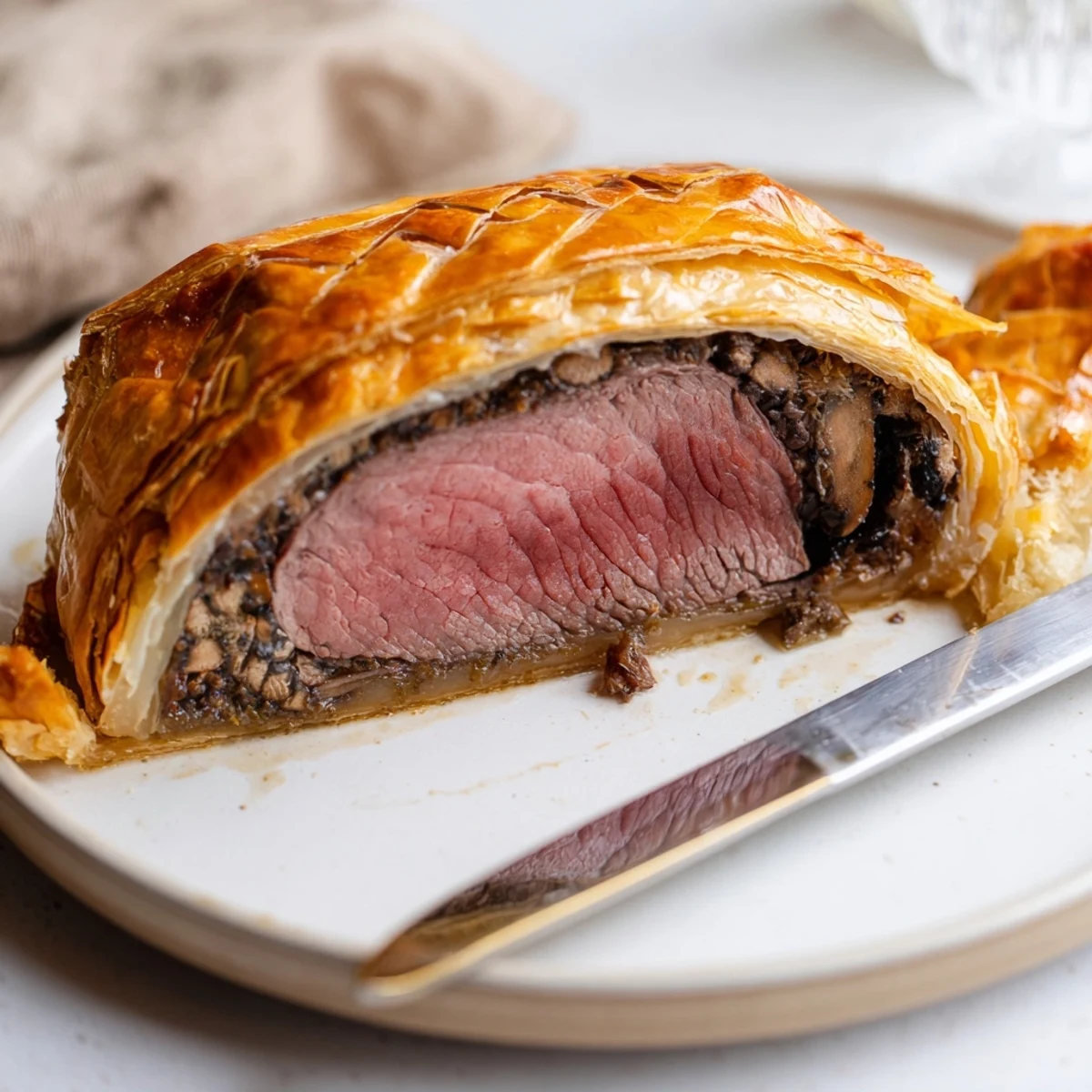
 Making Beef Wellington transformed how I think about cooking for people I care about. It taught me that impressive dishes aren't about complexity—they're about respecting your ingredients, taking your time with each step, and trusting yourself to pull it off. Make this once, and you'll understand why it remains a showstopper.
Questions & Answers About the Recipe
- → What is mushroom duxelles?
-
Mushroom duxelles is a finely chopped mixture of mushrooms, shallots, garlic, and herbs cooked down to a paste-like consistency. It adds deep umami flavor and moisture to the dish.
- → How do you ensure the beef stays tender?
-
Searing the beef quickly over high heat locks in the juices, while baking it inside the pastry allows gentle cooking. Resting the meat after baking helps retain tenderness.
- → Can I prepare this dish in advance?
-
Yes, you can assemble it ahead of time and refrigerate for at least 30 minutes or up to a day before baking to develop flavors and maintain shape.
- → What type of pastry works best?
-
Flaky puff pastry provides ideal layers and crispiness, balancing the tender beef and moist mushroom filling.
- → Are there recommended wine pairings?
-
Bold reds such as Bordeaux or Cabernet Sauvignon complement the richness and depth of the beef and mushroom flavors.
- → How do I achieve a golden crust?
-
Brushing the pastry with an egg wash before baking promotes a shiny, golden-brown finish that enhances texture and appearance.