
 Save to Pinterest
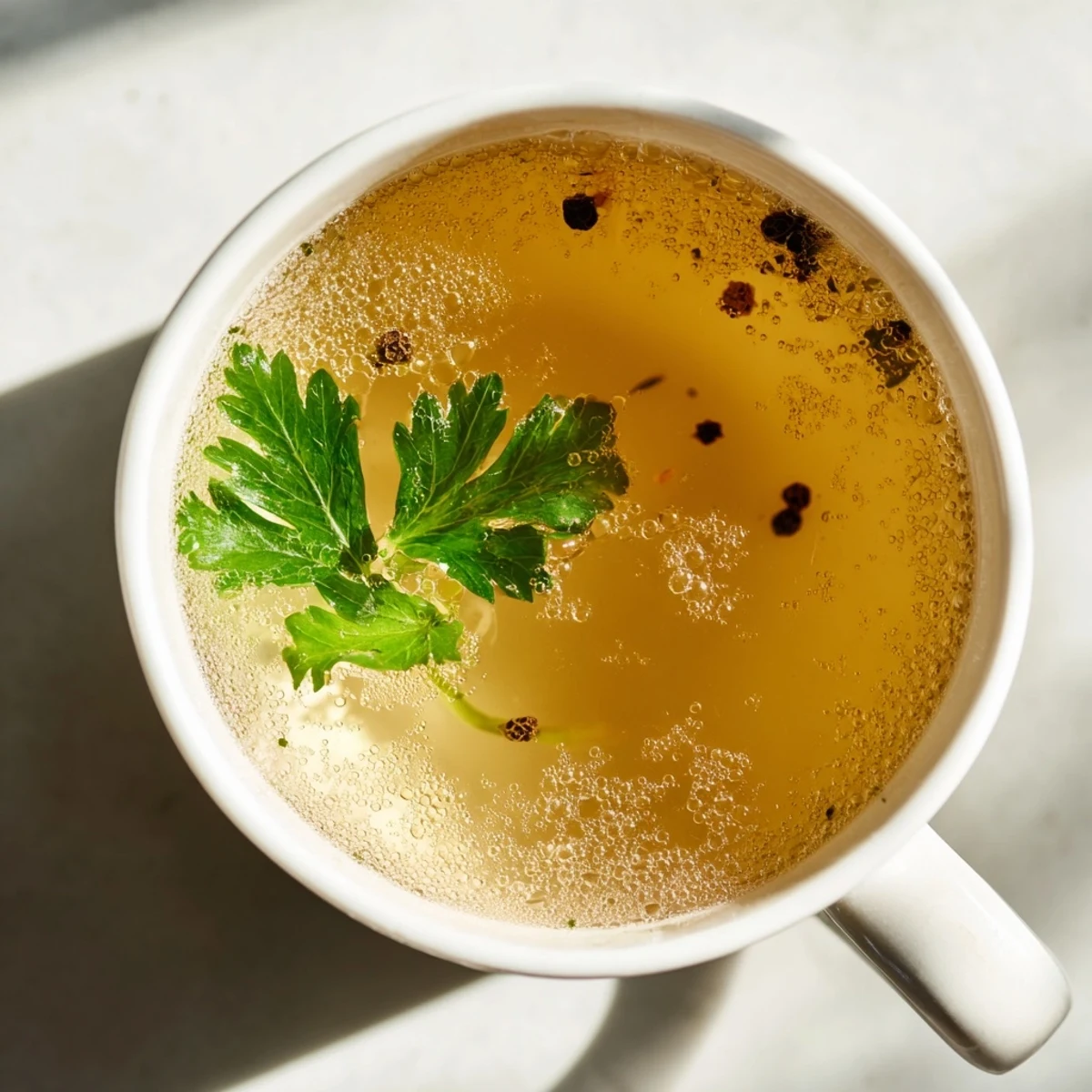
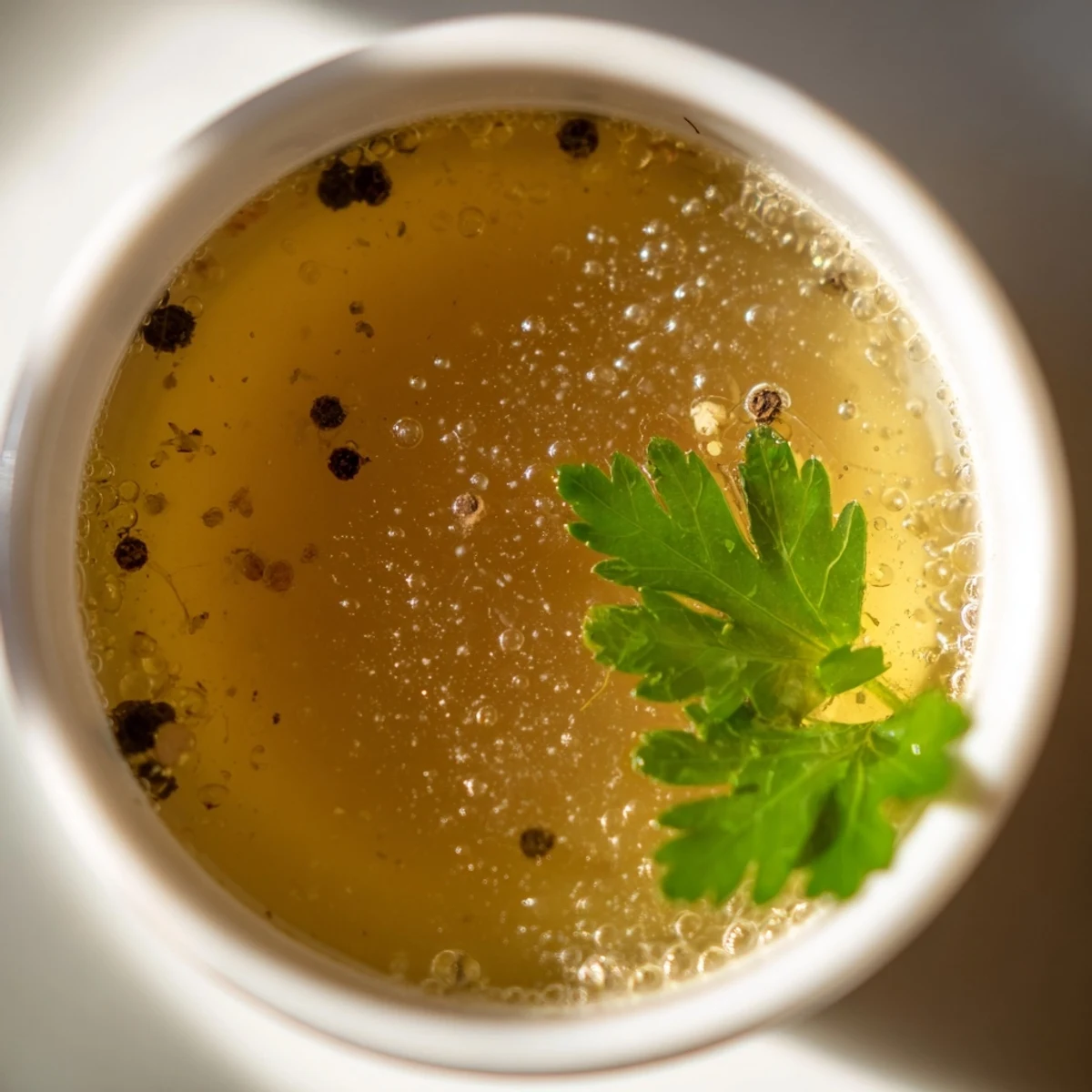
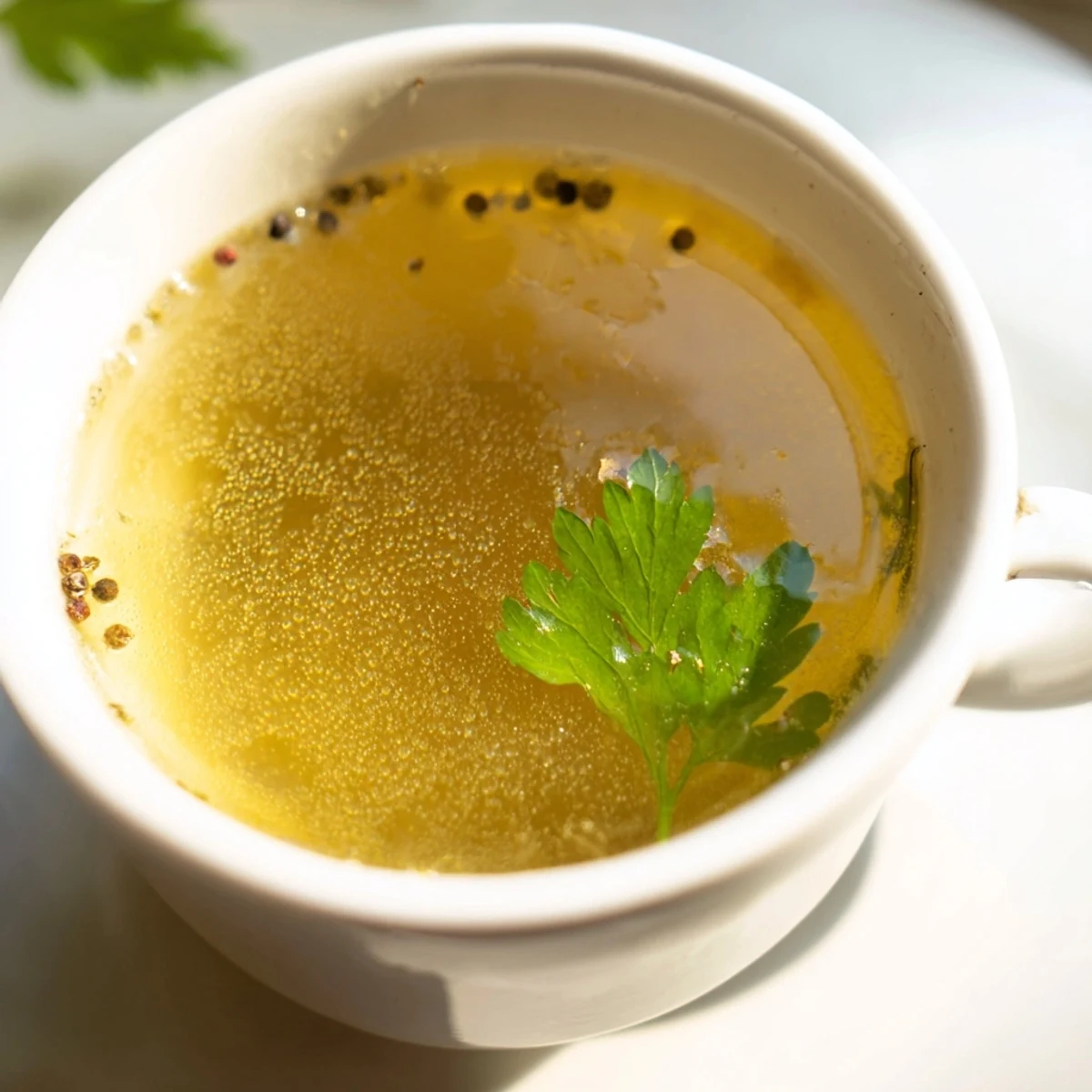
 This rich beef broth combines marrow or knuckle bones with aromatic vegetables and herbs, simmered gently to develop a clear, savory liquid. Skimming during cooking ensures clarity, while optional roasting enhances depth. Served warm, it offers comforting flavors that work perfectly as a light starter or soothing drink. Adjust seasoning to taste and enjoy its natural, nutritious qualities.
I was standing at the stove one cold evening, feeling completely drained, when I realized I had nothing but bones in the freezer and a few tired vegetables in the crisper. Instead of ordering takeout, I filled a pot with water and let everything simmer. An hour later, I had the clearest, most golden broth I'd ever made, and I drank it straight from a mug while standing in the kitchen.
The first time I served this to a friend who wasn't feeling well, she wrapped both hands around the cup and closed her eyes. She didn't say much, but she finished the whole thing and asked if I had more. That's when I understood that broth isn't just food, it's care in liquid form.
Ingredients
- Beef bones (marrow or knuckle): These are where all the richness lives, releasing gelatin and deep flavor as they simmer, and you can usually get them cheap from a butcher.
- Lean beef (optional): A small piece adds meatiness and body, but the bones alone will do the job beautifully if that's all you have.
- Carrot, onion, celery: The holy trinity of broth, bringing natural sweetness and earthy background notes without overpowering the beef.
- Bay leaf and black peppercorns: These quiet ingredients add subtle warmth and complexity that you only notice when they're missing.
- Garlic, parsley, and thyme: Fresh herbs and smashed garlic give the broth a gentle brightness that keeps it from tasting flat.
- Salt: You'll want to add it gradually because the broth concentrates as it simmers, and it's easier to add than to fix.
- Cold water: Starting cold helps draw out impurities and flavor slowly, which is the secret to clarity.
Instructions
- Start with cold water:
- Place the bones and any meat in a large pot, cover with cold water, and bring it to a boil over medium-high heat. You'll see foam start to rise, which is normal and exactly what you want to catch early.
- Skim the surface:
- As soon as the water boils, use a ladle or spoon to skim off the gray foam and any scum that floats up. This step is what keeps your broth crystal clear instead of cloudy.
- Add the aromatics:
- Toss in the carrot, onion, celery, garlic, bay leaf, peppercorns, parsley, thyme, and salt. Let everything settle in together before you lower the heat.
- Simmer gently:
- Reduce the heat to low so the surface barely bubbles, then let it go for 40 to 45 minutes. Skim occasionally if more foam appears, and resist the urge to stir too much.
- Strain and taste:
- Pour the broth through a fine-mesh sieve or cheesecloth into a clean pot or bowl, discarding all the solids. Taste it and add more salt if needed, then serve it hot in cups.
 Save to Pinterest
 There was a Sunday morning when I made a big batch and froze it in jars, and for weeks afterward I'd pull one out whenever I needed to feel grounded. It became my secret ingredient for soups, sauces, and even just a quiet moment at the end of a long day.
How to Serve It
You can sip it straight from a mug like I do, or pour it into small bowls as an elegant starter before a larger meal. Some people add a splash of sherry or a squeeze of lemon right before serving, which wakes up the flavor in a way that feels almost fancy. I've also stirred in a handful of fresh herbs or a few drops of good olive oil when I want it to feel a little more special.
Storage and Freezing
This broth keeps in the fridge for up to five days, and it freezes beautifully for up to three months. I like to freeze it in one-cup portions using jars or silicone molds so I can grab exactly what I need without thawing a giant batch. Just make sure to leave a little headspace in the containers because liquid expands when it freezes.
Ways to Use Leftover Broth
Once you have good broth on hand, you'll start finding reasons to use it everywhere. I've used it to cook rice, deglaze pans, thin out sauces, and even poach eggs when I'm feeling creative.
- Use it as the base for French onion soup or any noodle bowl that needs serious depth.
- Warm it up with a little miso paste and green onions for a quick savory drink on busy mornings.
- Add it to mashed potatoes or risotto instead of milk or plain water for a richer, more satisfying result.
 Save to Pinterest
 This broth taught me that the best things in the kitchen don't need a long ingredient list or complicated techniques, just patience and attention. I hope it becomes something you reach for when you need comfort, flavor, or just a reason to slow down for a few minutes.
Questions & Answers About the Recipe
- → What cuts of beef are best for this broth?
-
Marrow or knuckle bones provide rich flavor and gelatin for a full-bodied broth; adding lean beef can deepen the taste.
- → How can I keep the broth clear?
-
Regularly skim foam and impurities during simmering and strain through a fine-mesh sieve or cheesecloth before serving.
- → Can I enhance the flavor further?
-
Roasting bones and vegetables before simmering adds a deeper, caramelized flavor. Adding lemon or sherry brightens the broth.
- → How long should the broth simmer?
-
Simmer gently for about 40–45 minutes to extract flavors without clouding the broth.
- → How should leftovers be stored?
-
Cool completely, then freeze in portions to preserve freshness and flavor for future use.