
 Save to Pinterest
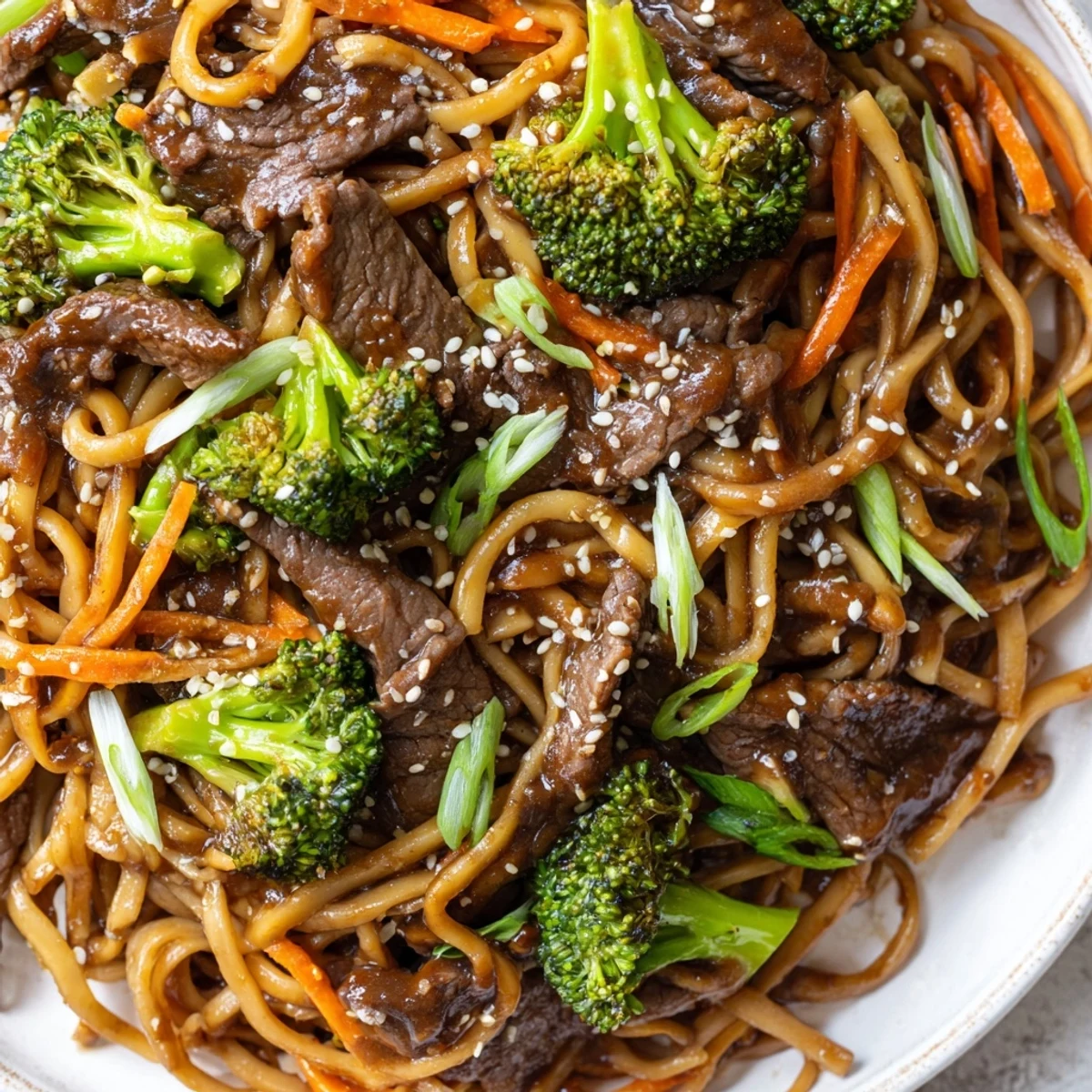
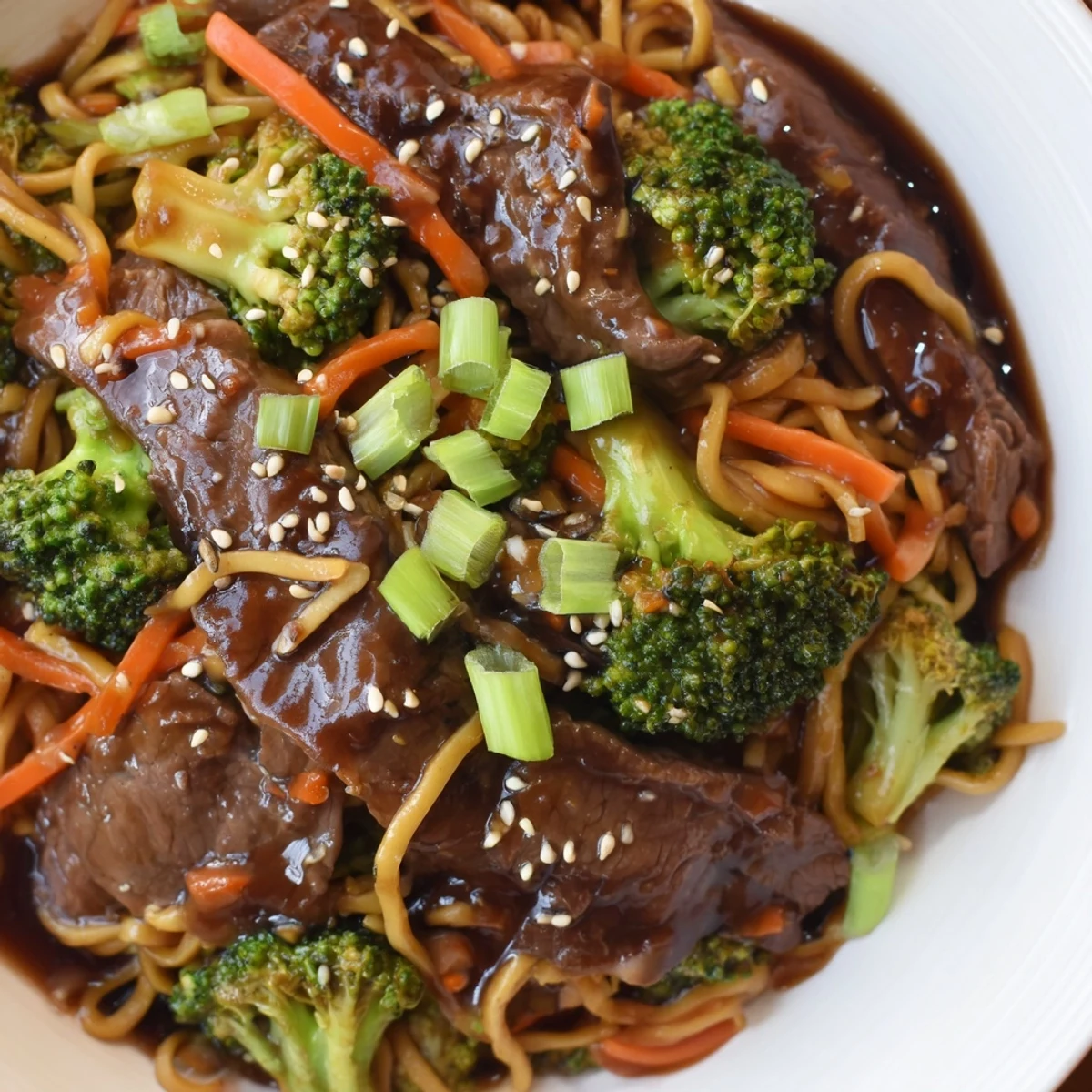
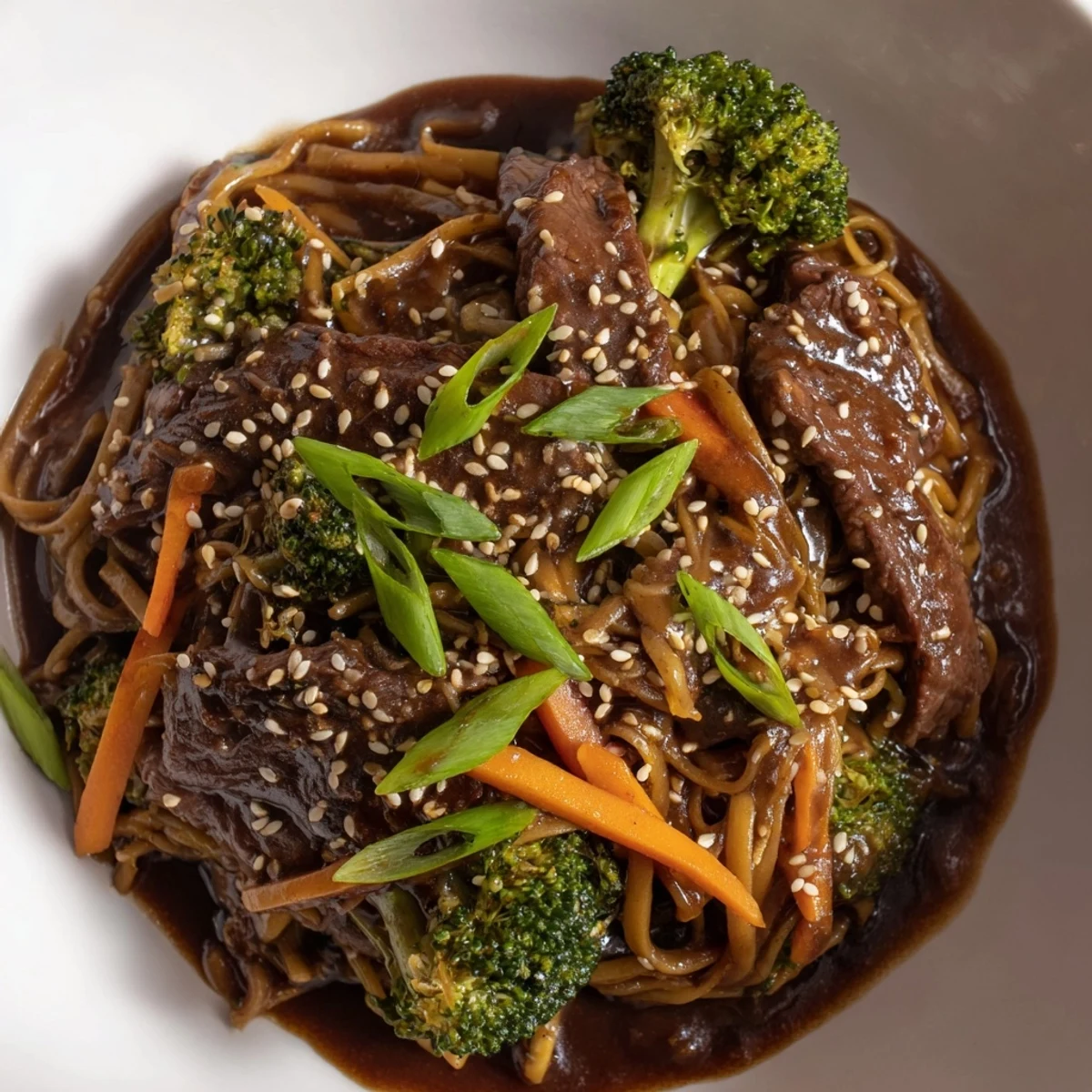
 This vibrant stir-fried dish combines tenderly sliced beef with crisp broccoli and soft lo mein noodles, all tossed in a rich sauce featuring soy, oyster, and hoisin elements complemented by fragrant sesame oil. The noodles are cooked to tender perfection, while fresh garlic, ginger, and onions add depth to the flavor. Quick to prepare, this dish offers a balanced mix of protein and vegetables with a satisfying savory profile enhanced by toasted sesame seeds and green onions. It’s perfect for a medium-difficulty, 30-minute main course.
The first time I really nailed a proper lo mein was on a weeknight when I decided to stop ordering takeout and actually figure out what made those restaurant noodles so addictively good. Turns out it wasn't magic—just good beef, a fragrant sauce, and the confidence to cook hot and fast. Now this dish lives in my regular rotation, and honestly, it tastes better than most places I'd pay for.
I made this for my partner on a cold Tuesday when they'd had a rough day, and watching them relax over a steaming bowl of noodles reminded me how a good meal doesn't have to be fancy to feel like care. The broccoli stays crisp, the beef is tender, and somehow it all comes together in one wok without feeling chaotic.
Ingredients
- Flank steak, thinly sliced: Against the grain is the secret—it breaks the muscle fibers and means every bite is tender, not chewy.
- Soy sauce: The backbone of this dish, though I learned the hard way that cheap soy sauce tastes thin and one-note.
- Oyster sauce: This adds umami depth that makes people wonder what's in your sauce.
- Sesame oil: Use the toasted kind, and a little goes a long way—it's potent and fragrant.
- Lo mein or egg noodles: Rinsing them after cooking stops them from sticking and clumping together.
- Garlic and ginger: Minced small, these bloom in hot oil and set the whole dish's aroma.
- Broccoli florets: Cut them smaller so they cook evenly and stay crisp instead of going mushy.
- Brown sugar: Just a tablespoon balances the salty and savory with a whisper of sweetness.
Instructions
- Marinate the beef while you prep:
- Toss your sliced beef with soy sauce, cornstarch, and sesame oil in a bowl. The cornstarch helps it brown faster and stay juicy. While it sits for 10 minutes, you can prep everything else without feeling rushed.
- Mix your sauce in advance:
- Whisk together soy, oyster, hoisin, sugar, water, and cornstarch until smooth. Having it ready means you're not scrambling mid-stir-fry when timing matters most.
- Cook and cool the noodles:
- Follow the package timing, then drain and rinse under cold water so they don't clump together. This stops them from overcooking in the wok later.
- Sear the beef hard and fast:
- Heat your wok until it's smoking, add oil, then beef. You want a quick sear, maybe 2 to 3 minutes—beef cooks fast and gets tough if you linger. Pull it out while it still looks slightly underdone because it'll finish cooking when everything comes back together.
- Build your aromatics:
- Fresh oil in the wok, then garlic and ginger for just a minute until your whole kitchen smells incredible. Don't let them burn or they turn bitter.
- Blister the vegetables:
- Broccoli and carrot need 2 to 3 minutes of high heat to develop a little char while staying crisp. This is where the texture comes from.
- Bring it all home:
- Beef back in, noodles in, sauce poured over everything. Toss constantly for 2 to 3 minutes until the sauce coats the noodles and the heat brings everything back together. A final drizzle of sesame oil, green onions, and sesame seeds finishes it off.
 Save to Pinterest
 There's a moment right when you toss everything together and the sauce hits the hot noodles—it happens so fast you almost miss it—where this dish stops being individual ingredients and becomes something whole and alive. That's when I know it's going to taste good.
Why This Tastes Like Takeout
The secret isn't an ingredient, it's a mindset: restaurants cook hot and fast, they don't fuss with things, and they build flavor through layers—marinade, aromatics, sauce, finish. When you stop overthinking and trust your wok to do its job, you're already 90 percent there. The sesame oil at the end isn't just garnish; it's the whisper that makes you wonder if you should just start a restaurant.
Customizing Without Losing the Soul
Swap beef for chicken thighs if you want something lighter, or use tofu if you're cooking for someone plant-based—both will soak up that sauce just as happily. Bell peppers or snap peas add color and crunch without changing the core technique. I've even thrown in bok choy on nights when I had it in the fridge, and it worked beautifully.
The Things That Actually Matter
Good knife skills mean thin, even beef and vegetable cuts that cook at the same speed. A hot wok—or a large skillet if that's what you have—is non-negotiable because it's what separates this from a stewed noodle situation. And tasting as you go matters; if your sauce tastes too salty, add a pinch of sugar, or if it needs depth, a splash more oyster sauce fixes it.
- Slice your beef against the grain or you'll be chewing forever.
- Don't overcrowd the wok when cooking beef—give it space to sear, not steam.
- Sesame oil burns easily, so drizzle it at the very end and never let it sit on high heat.
 Save to Pinterest
 This dish taught me that restaurant food isn't some impossible standard; it's just better ingredients and bolder heat. Once you understand that, you stop ordering takeout and start cooking more.
Questions & Answers About the Recipe
- → How do I keep the beef tender in this dish?
-
Marinate the thinly sliced beef briefly with soy sauce, cornstarch, and sesame oil to help retain moisture and tenderness during stir-frying.
- → Can I use other noodles instead of lo mein?
-
Yes, egg noodles or similar wheat-based noodles work well as alternatives, maintaining the dish's texture and flavor.
- → What is the best way to achieve crisp vegetables?
-
Stir-fry the broccoli and carrots quickly over high heat to keep them tender-crisp and vibrant in color.
- → How can I make the sauce richer?
-
Incorporate oyster and hoisin sauces along with soy sauce; adding a bit of brown sugar balances the savory notes for a deeper flavor.
- → Is toasted sesame seed garnish necessary?
-
While optional, toasted sesame seeds add a pleasant nutty flavor and crunchy texture that elevate the dish.